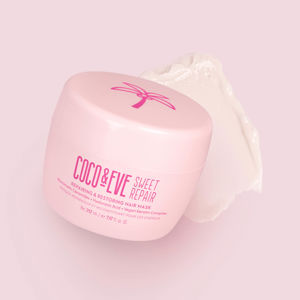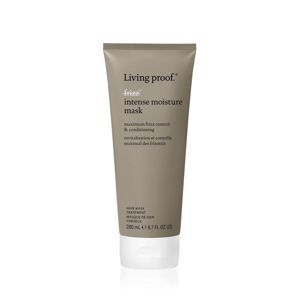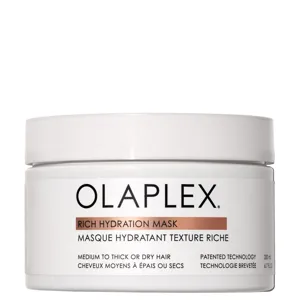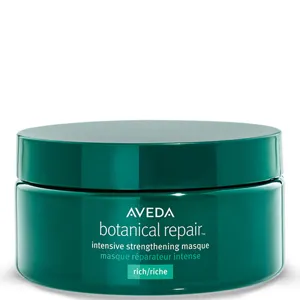
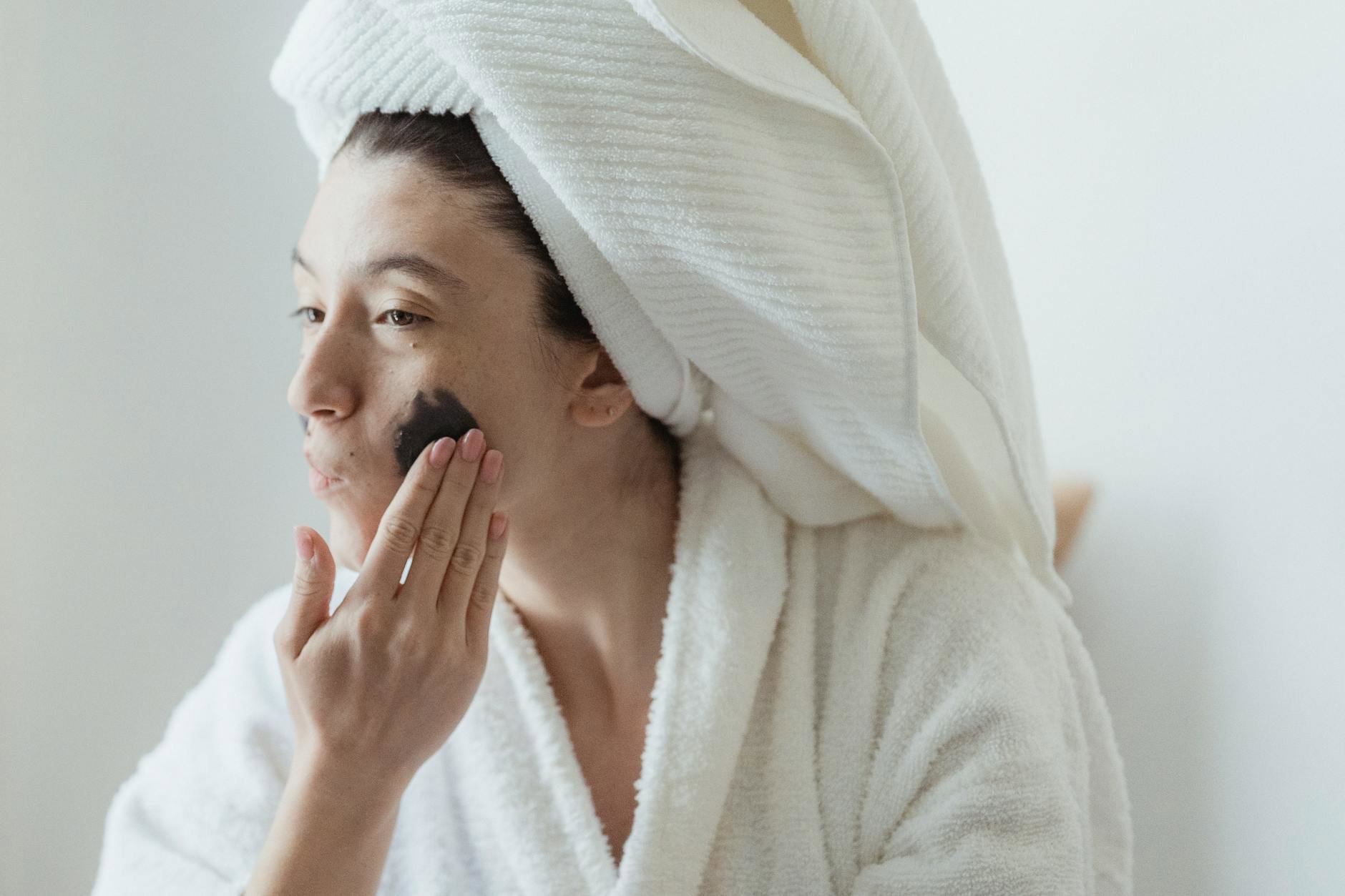
Our price tracker sees hair masks jump in popularity every autumn in Ireland. Discounts land, baskets fill, and one search query surges every time: leave-in or rinse-out, which wins?
The answer depends on your hair’s porosity, thickness, colour history, and your routine. Time matters. Humidity in Ireland matters. The right mask can calm frizz, cut breakage, and add gloss. The wrong one can flatten roots, fry ends under heat, or spark build-up within a week.
We’ll map the difference clearly, then show you how to pick with confidence. You can compare options on our Hair Masks page, save favourites, and set price alerts across Boots Ireland, Brown Thomas, Arnotts, McCauley, Meaghers and Lookfantastic Ireland.
Since 2010, we’ve tracked weekly price swings across major Irish retailers. Hair masks now span every format: classic tubs, sachets, tubes, sprays, and multi-use creams. Retailers stack offers around paydays, bank holidays, and big gifting moments. Stock levels swing fast during peak weeks. Expect rinse-out tubs to sell through first in cold snaps, and leave-ins to spike when humidity rises.
Formulas changed as well. Rinse-out masks still bring the richest emollients. Leave-ins lean lighter, with heat protection and frizz control that suit everyday styling. More brands now pitch one jar for both uses. That pitch can work, but only if the texture and your hair type match.
Irish climate also shapes results. Damp air swells strands and fuels halo frizz. Central heating then wicks moisture out. Your mask has to help on both fronts: seal cuticles against humidity, yet feed the cortex enough lipids to stop brittleness indoors.
{{IMAGE:woman applying hair mask in bathroom}}Rinse-Out Hair Masks: Deep Conditioning That Stays Disciplined
Think of rinse-out masks as your heavy lifters. They bring fatty alcohols, rich oils, butters, cationic conditioners and often silicones that smooth fast. Brands design them to lodge on the hair, then rinse to the right residue. Done well, they leave hair plush, glossy and tangle-free without dull film.
When you shampoo, you raise the cuticle slightly. Rinse-out masks take that window and push nourishment where you need it. Look for ingredients like behentrimonium chloride, cetrimonium chloride, amodimethicone, shea, argan, sunflower, and ceramides. These coat, fill gaps, and guide slips for combs and brushes. The formula sits for 3–10 minutes, then a good rinse resets balance.
Who benefits most? Thick, coarse, curly, coily and high-porosity hair usually drinks this up. Colour-treated and highlighted hair also responds well. The richer the lipid load, the more it calms roughness from bleach or heat. Fine or low-porosity hair can still love a rinse-out mask, but choose lighter textures. Gel-cream masks weigh less than dense butters and leave less residue on small strands.
Use weekly for maintenance. If you heat-style daily or swim, step it up. You can target mid-lengths and ends only. That trick protects bounce at the root and stops the flat look. Pair with a gentle cleanser. You can switch heavier masks for winter and lighter versions for spring. Shop smarter by checking our comparison on Hair Masks, then add your pick to a wishlist for drop alerts.
Leave-In Hair Masks: Daily Control, Frizz Taming, Heat Help
Leave-ins trade depth for flexibility. They live on the hair all day and often pack film-formers that block humidity, plus lightweight conditioners for slip. Many add heat protection up to common styling temperatures. That mix suits busy mornings, gym showers, and anyone who fights halo frizz between raindrops and bus stops.
Brands build leave-ins with polyquats, lightweight silicones like amodimethicone, panthenol, glycerin in balanced levels, and proteins in small doses. Sprays and milky lotions coat fine hair without collapse. Cream leave-ins suit thicker textures that crave control. You apply on towel-dried hair, comb through, then air-dry or style.
Leave-ins shine on fine or low-density hair that can’t handle tub-heavy formulas. Curly hair also loves leave-ins as a primer before curl creams or gels. Colour-treated hair benefits from UV filters and pH-balancing blends that reduce fade between salon visits. In Ireland’s damp air, a leave-in that locks the cuticle can keep a blowout smoother for longer.
Use a coin-sized amount for short hair and scale up for length and thickness. Keep it off the root if you want volume. You can layer a water-light leave-in under a serum or cream. Heat tools then seal the finish. For savings, watch multi-buy bundles at Boots Ireland and Lookfantastic Ireland. We track those across our feed and flag the best timings on product pages.
Ingredients That Actually Move the Needle
Ignore vague promises and scan labels. The right ingredients drive results you can see and feel. Start with your hair’s main need: moisture, strength, or frizz control. Then match the chemistry to the job.
- Moisture and slip: fatty alcohols (cetyl, stearyl), cationic surfactants (behentrimonium chloride), and oils like argan or sunflower deliver softness and glide. You’ll find these in many rinse-out tubs and richer leave-ins.
- Cuticle sealing and frizz control: amodimethicone and other targeted silicones cling to damaged sites and smooth surfaces without smothering. They suit both formats, but they shine in leave-ins for humidity defense.
- Strength and repair cues: bond-mimicking agents and small proteins support brittle hair. Look for keratin fragments, wheat proteins, or amino blends. Use gentle doses in leave-ins. Save bigger hits for rinse-out sessions.
- Humectants with caution: glycerin and propanediol draw moisture into hair. In damp weather, they can swell strands and puff frizz. Pair them with sealants, or use them when indoor heating dries the air.
- Scalp calmers: aloe, bisabolol, and panthenol can soothe, but keep masks off a flaky or reactive scalp unless the label says they suit scalp use. Masks target fibre care more than scalp therapy.
Want luxe blends? Many premium formulas layer ceramides and lipid analogues that patch porosity and boost shine. You’ll often see that in salon-led brands such as Kérastase. Working to a budget? Supermarket lines, including Garnier and L'Oréal, offer strong emulsions and friendly textures that punch above their price band. You can benchmark both ends side-by-side on our Hair Masks page.
Match by Hair Type, Porosity and Ireland’s Damp Climate
Hair type guides the choice more than the trend of the month. Strand size, porosity, and curl pattern decide how much product you need and how long it should stay on.
Fine or low-density hair: pick leave-in sprays or milky lotions for daily slip and anti-frizz. Use a gel-cream rinse-out mask once a week. Keep product away from roots to preserve lift. Use a light silicone serum to seal ends when the air feels wet.
Thick, coarse or very curly hair: choose rich rinse-out masks with butters and oils. Sit under a warm towel for extra push. Use a cream leave-in on non-wash days to refresh coils and keep halos down. Irish mist loves to swell curls; sealing layers help you hold shape.
Colour-treated or highlighted hair: lean on rinse-out masks with ceramides and damage-targeted silicones. Follow with a UV-aware leave-in on bright days or holidays, as colour fades faster under UV. Dublin weather rarely scorches, but UV still sneaks through clouds.
High-porosity or bleached hair: go for frequent rinse-outs and controlled protein. Alternate moisture-heavy tubs with light protein masks to balance strength and softness. Add a leave-in shield before heat.
Low-porosity hair: product can sit on top and cause film. Use lighter rinse-out masks with warm water to open the cuticle. Keep leave-ins minimal. Choose sprays over heavy creams.
{{IMAGE:close-up shiny hair woman humidity frizz}}Build the Routine: How to Apply for Real-World Results
Great formulas still need solid technique. Small changes in timing and water level decide whether a mask flats or floats your style.
For rinse-out masks:
- Cleanse with a gentle shampoo. See our picks under Moisturising & Nourishing Shampoos.
- Blot hair so it stays damp, not dripping. Water dilutes product and sends slip down the drain.
- Work mask through mid-lengths and ends. Detangle with fingers or a wide-tooth comb.
- Leave for the label time. Warmth boosts penetration. A cotton towel or cap helps.
- Rinse until hair feels silky, not squeaky. Finish with a quick cool rinse for extra shine.
For leave-in masks:
- Start with towel-damp hair. Emulsify product in hands. The blend spreads better and avoids clumps.
- Apply mid-lengths to ends. Add a pea more as needed. Stop when hair glides without feeling slimy.
- Layer with a serum or curl cream if you need more hold. Limit the stack to two leave-on stylers to avoid build-up.
- Blow-dry with tension for sleek looks, or diffuse curls on low heat. Heat helps seal the finish.
Set a cadence that fits your week. Many women use a rinse-out mask once weekly and a leave-in on most wash days. If you colour, book a richer mask before and after salon visits. If you swim, keep a leave-in in your kit and reapply after a fresh-water rinse.
Common Pitfalls in Ireland’s Climate—and Easy Fixes
A few missteps sabotage results. Fix them and you unlock smooth lengths, strong ends, and volume that lasts past lunch.
Too much humectant on wet days: glycerin pulls moisture in. On drizzly days, that swell can puff hair. Pick a leave-in with balanced silicones or add a light serum on top. When indoor heating dries the air, bring humectants back.
Protein overload: chasing strength with big protein doses can leave hair rough and snappy. Alternate protein-light moisturising masks with gentle protein blends. If hair feels stiff, skip protein for two washes and use a plush rinse-out.
Root collapse: heavy masks at the scalp weigh hair down. Keep masks off roots unless you treat a very dry scalp. For volume, rinse thoroughly and finish cool. Choose leave-ins that list volumising claims or arrive as sprays.
Build-up and dullness: silicones and waxes can stack up if you never reset. Use a clarifying wash every few weeks, especially after holidays or a spell of heavy styling. Then restart with a light leave-in. You’ll find clarifying options under Moisturising & Nourishing Shampoos as many lines include a reset formula.
Heat without protection: many leave-ins guard up to common tool temps. Check the label. If your leave-in skips heat claims, add a dedicated protector. Irish air stays mild, but straighteners don’t.
Smart Buys: Standout Masks and Where to Find Value
We rate a few dependable lines that show up consistently in our feed and reviews. They tick texture, results, and value boxes, with solid stock in Ireland.
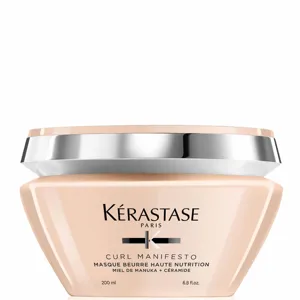
Salon-led care: Kérastase rinse-out masks deliver plush slip and shine on coarse or coloured hair. They balance rich conditioning with clean rinse. Price tags sit higher, but discount events at Lookfantastic Ireland and Meaghers often soften the hit. Add your favourite to a GlamGeek wishlist to catch those moments.
High-street heroes: Garnier tubs cover moisture, smoothing, and colour care. Many work as both rinse-out and leave-in, which helps busy routines. L'Oréal leave-ins win for heat protection and anti-breakage support on long, stressed ends. Boots Ireland and supermarkets carry these widely. Multi-buy offers show up often around bank holidays.
Conscious picks: The Body Shop masks bring rich plant butters with a creamy glide. They suit thick hair that needs plush care without too much slip. Stock pops up in-store and online across Ireland, with gift sets lowering bundle cost near peak season.
Luxe care with a glossy finish: Sisley Hair Rituel lines push high-end textures and scent. If you chase a spa moment at home, these deliver. Prices vary across Brown Thomas and online specialists that ship to Ireland. Our comparison pulls those listings together, so you can spot a good break without trawling sites.
Before you buy, scan our product pages for texture notes and user feedback. Then check live prices on the Hair Masks hub. We track prices across Irish retailers and UK sites that ship to Ireland. Some masks land cheaper from UK retailers even after postage. When that happens, we flag it on the comparison so you can decide.
Leave-In or Rinse-Out: Pick by Lifestyle, Not Hype
Format choice often comes down to your day, not just your strand map. A mask that suits your tempo beats a perfect formula that never leaves the shelf.
Minimal time, frequent styling: pick a protective leave-in with heat claims. Use it most wash days. Book a rich rinse-out on Sunday to reset softness. This pairing guards during the week and restores at the weekend.
Gym or swim regular: stash a leave-in in your bag. Apply after a fresh-water rinse to buffer chlorine or salt. At home, run a rinse-out mask once or twice weekly to rebuild slip and calm ends.
Curly routine: use a rinse-out mask for deep hydration in the shower. Layer a cream leave-in as a primer, then add your curl cream or gel. Diffuse on low. In Irish drizzle, seal with a light serum to lock shape.
Fine hair with flat roots: limit masks at the scalp. Use a weekly gel-cream rinse-out on lengths only. Then spray a light leave-in on mid-lengths and ends. Blow-dry upside down for lift. Keep products light to dodge collapse.
Colour-care focus: after salon visits, run a rinse-out mask with ceramides and smoothing agents twice in the first week. Then shift to a leave-in with UV awareness and heat protection. This rhythm helps lock in tone and gloss without waxy build-up.
What This Means for Your Hair—Simple Rules That Work
Rinse-out masks feed and smooth at depth. Leave-ins protect and control daily life. Most heads benefit from both. The split depends on your strand size, porosity, and routine. Thick or thirsty hair usually loves a rich weekly tub. Finer hair often prefers a light leave-in most days and a gentle rinse-out for maintenance.
Read labels for cationic conditioners, fatty alcohols, and targeted silicones. Balance humectants with sealants in wet weather. Alternate protein and moisture when hair feels brittle. Keep masks off the scalp unless your skin begs for help. Clarify build-up every few weeks so gloss returns.
Use GlamGeek tools to save time and money. Compare masks on the Hair Masks page, and check textures against your hair type. Add picks to your wishlist. We’ll ping you when prices drop at Boots Ireland, Brown Thomas, Arnotts, McCauley, Meaghers or Lookfantastic Ireland. You’ll spot real value without guessing which retailer runs a quiet code that week.
Ready to choose? Tell us about your hair type, your climate pain point, and your routine speed. Do you rely on a weekly tub, or do you live on leave-ins with heat protection? And did our price alerts help you catch a better deal this season?