January’s baskets on GlamGeek skew heavy on body care every year. The data tracks the same story each winter: women search for richer textures, bigger bottles and fewer irritants. Dry skin peaks when the heating stays on and the wind never quits. Yet what wins in the basket changes by month, budget and routine.
We see a gap between what labels promise and what cracks actually need. Barrier repair gets billed as a claim. In practice it needs water-binding humectants, lipid replacements and an occlusive top layer. Get the mix right and flaking calms fast. Get it wrong and you reapply all day with little relief.
Here’s a straight guide for Irish shelves and Irish weather. Ingredients that help, textures that suit, fragrance choices that won’t clash with your perfume, and smart places to buy so you don’t pay over the odds.
Across our merchant feed, hydration-heavy body care spikes in October, January and again before summer holidays. Boots Ireland and McCauley Pharmacy push bundle offers in colder months, while Lookfantastic Ireland runs codes that help on premium picks. Brown Thomas and Arnotts tend to hold price but include gifts with purchase. That changes how we’d shop a lotion, depending on timing and brand.
Price per 100 ml varies more than most expect. A budget supermarket bottle can cost more per 100 ml than a mid-tier tube on promotion. Our price tracker shows better value on jumbo sizes in shoulder seasons, not at Christmas. Sets look tempting in December, but single large bottles often come cheaper in early spring.
The Irish climate sets the brief. Damp air, central heating, frequent rain, rare sunbursts. Skin loses water to dry indoor air as much as to cold wind. You need a formula that binds water and seals it without a heavy film that pills under tights or gym leggings. SPF still matters on exposed skin, even in grey months, thanks to UVA.
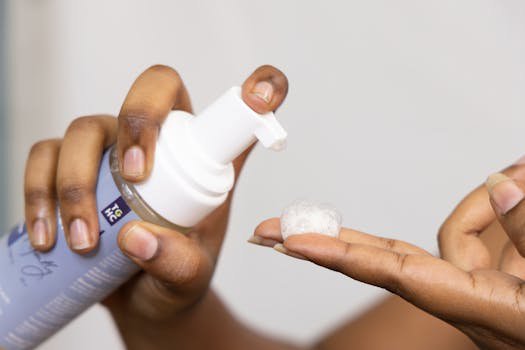
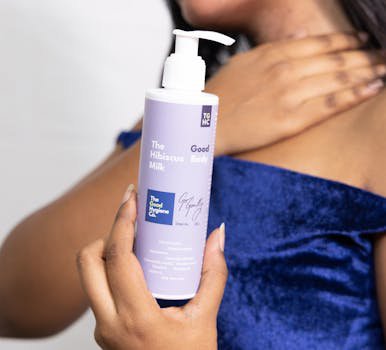
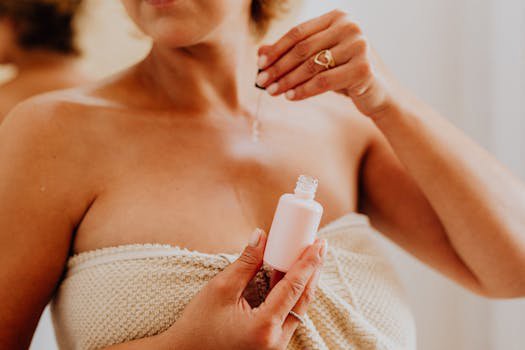
{{IMAGE:woman applying body lotion close-up}}Start with your dryness type: tight, flaky or rough?
Not all dryness behaves the same. Tightness after a shower signals water loss and a stripped barrier. Flakes suggest slower cell turnover and disrupted lipids. Rough bumps on arms or thighs often mean keratosis pilaris. Each type nudges you to a different ingredient plan.
If your skin just feels tight, prioritise humectants like glycerin and hyaluronic acid, backed by light occlusives such as dimethicone. A lotion texture should do the job on arms and torso. Seal in dampness within three minutes of stepping out of the shower.
Flaky patches need lipids and gentle exfoliation. Ceramides, cholesterol and fatty acids rebuild the mortar between cells. Urea and lactic acid soften scales. Aim low and slow with acids on the body. Two to three times weekly keeps the finish smooth without stinging.
Rough, sandpapery bumps on upper arms call for urea between 5–10% or lactic acid around 5%. This combo keeps keratosis pilaris in check. Avoid perfumed scrubs, which can scratch and sensitise. A simple, fragrance-free urea cream applied nightly works reliably across our community reviews.
Ingredients that actually fix a compromised skin barrier
Marketing shouts “hydration”. Formulators build it with three families: humectants, emollients and occlusives. You need all three, in the right order for your skin and climate.
Humectants pull water into the skin. Glycerin wins for value, slip and proven results. Hyaluronic acid helps but needs an occlusive on top to stop moisture drifting off in dry indoor air. Urea binds water and softens roughness, which makes it strong for shins, elbows and heels.
Emollients smooth and fill the micro-gaps. Look for shea butter, cocoa butter, squalane and triglycerides. Ceramides, cholesterol and fatty acids target barrier repair. Many women see better resilience after a few weeks of this lipid trio. The effect lasts longer than a quick hit of hyaluronic acid.
Occlusives lock it all in. Petrolatum remains the gold standard for sealing. Dimethicone gives slip and a lighter feel that layers under tights. Beeswax and lanolin also occlude well, but lanolin can irritate some skins. For very cracked areas, try a petrolatum-rich balm over your lotion at night and wear cotton socks or pyjamas.
Calming extras matter on reactive skin. Panthenol, allantoin and oat extract reduce the urge to scratch. If fragrance has triggered irritation in the past, choose a fragrance-free formula first. You can always layer perfume later.
Texture and finish: lotion vs cream vs butter vs gel-cream
Texture determines whether you actually use the product every day. A lotion sinks fast and suits normal-to-dry skin or mornings when you need to get dressed straight away. A cream tends to suit colder months or persistent dryness. Body butter makes sense on shins and elbows at night. Gel-creams give a cooling feel in summer but need help from an occlusive layer if you run very dry.
In Ireland, we rate lightweight lotions for weekdays and a richer cream for targeted areas at night. Keep a butter by the bed for heels and hands. That three-step mix covers most weather swings without feeling heavy.
Finish also matters. Matte-finishing lotions use powders and lightweight silicones so leggings don’t stick. Glow finishes add oils that can mark silk, so let them sink in before dressing. If you hate residue, pick a pump bottle with a lotion that lists dimethicone high and heavy butters lower.
Packaging plays into use. Pumps encourage daily application on the body. Tubs suit thick butters but can feel less hygienic; use a clean spatula. Flip-top tubes travel well and cut air exposure. If you buy jumbo sizes, decant into a smaller pump for the bathroom and keep the big bottle sealed.
Fragrance or fragrance-free? How to shop smart
Fragrance gives enjoyment, but it can irritate some skins. Decide based on your history. If you’ve had itching or redness from scented body care, go fragrance-free for your main moisturiser. Keep a scented body cream as a treat for arms and décolletage if you wish.
Layering plays a role. If you wear a signature scent, a fragrance-free base lets your perfume shine. We see many readers pair unscented lotion with evening fragrance. If you prefer full-scent layering, match your lotion to your perfume family. Many houses sell matching body creams for this reason. You can browse options under Eau de Parfum Perfumes if you want the set effect.
For scented skincare, brands like Lancôme and Estée Lauder offer fragranced body lotions that mirror popular perfumes. These sit best on evenings out rather than under wool layers at 7am. For daytime comfort, many women prefer a low-fragrance or fragrance-free base under knitwear.
If you love gentle scent but react to strong perfume, look for simple notes or essential-oil-free formulas. Citrus and mint can tingle on freshly shaved legs. Patch test behind the knee for a couple of days before full use if you run sensitive.
Body lotions with SPF: realistic pros and cons in Ireland
UVA filters matter year-round. Body skin still sees incidental light on hands, neck and lower arms. A body lotion with SPF can help, but you need enough product to reach the labelled protection. Most women under-apply. If you go this route, be generous and reapply on exposed areas.
We prefer a two-step plan on bright days. Use your favourite body lotion first, then add a dedicated body SPF to exposed skin. That keeps your moisturiser choice wide and gives reliable protection. Look for broad-spectrum on the label and check our SPF Protection Products category for options across budgets.
On dark, short days, a moisturiser with SPF on hands and neck still helps. Irish weather hides the sun but not UVA. The key is habit. Keep the tube near your keys and you’ll use it.
Where to buy in Ireland and how to get the best price
We track prices across Boots Ireland, Brown Thomas, Arnotts, McCauley Pharmacy, Meaghers Pharmacy and Lookfantastic Ireland. You’ll often see pharmacy-led promos land first, with premium counters holding steady but offering gifts. UK sites can look cheaper, but check shipping fees, VAT handling and returns. Many now collect all taxes at checkout for Ireland, which removes surprises but narrows savings.
Use GlamGeek’s price comparison on each product page. It shows who has stock today and which retailer runs a code. Add products to your wishlist and we’ll alert you when the price drops. This helps most on jumbo body sizes and premium creams, where promos swing the basket total.
Check price per 100 ml before committing to a small tube. A “budget” 200 ml at full price can out-cost a 400 ml on a simple pharmacy offer. Sets look pretty, but if you won’t use the scrub, you pay for filler. Buy the single product instead and spend the savings on a backup.
We also see frequent value in own-brand pharmacy lotions. Keep an eye on ingredient lists. If you spot glycerin high up, a mix of lipids, and a non-irritating finish, you may get strong performance for less than half the price of a premium option.
Our edit: lotions worth a spot on your shelf
We group picks by need rather than price tier. Prices swing weekly, so use the comparison before checkout. You can browse our Body Lotions and Body Creams categories to scan reviews and track offers.
For daily dryness on arms and legs, look for a ceramide-rich, fragrance-free lotion. Clinique’s body range often keeps fragrance low and texture light. We rate the brand for workday comfort; find the brand hub here: Clinique. Layer at night with a thicker cream if shins still itch.
For flakes and tightness in winter, shea-forward creams calm fast. The Body Shop has long-formula butters that suit heels and elbows. The Shea and Almond ranges get steady community praise for comfort and scent. Use the butter at night and a lighter lotion in the morning so clothes glide on.
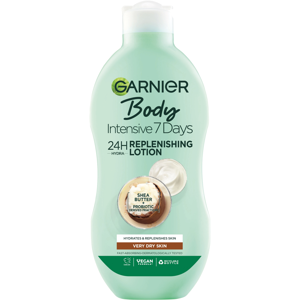
For budget-friendly big bottles, Garnier runs “Intensive” and “Superfood” body lines with glycerin, urea or aloe. Texture tends to sit between lotion and cream. These make sense for families or heavy reapplication. Look out for frequent pharmacy promotions in Ireland.
For rough bumps on arms, consider a urea-based body cream used nightly for a month, then maintain three nights a week. Many readers also use lactic acid body lotions once or twice weekly to keep skin smooth. Keep fragrance low in this category to reduce sting.
For luxury texture and scent, Clarins body moisturisers skew rich but wearable. The brand’s moisture-focused formulas mix shea with botanical oils for slip without a greasy feel. Stock sits in Brown Thomas and Arnotts, and promos show on Lookfantastic Ireland from time to time.
For perfume layering, scented lotions from Lancôme and Estée Lauder complement their eau de parfums. Use them on chest and arms for evenings. Keep a fragrance-free lotion for legs and torso if you plan to wear knitwear all day.
For silky legs under tights, a dimethicone-forward lotion reduces drag. Look for this silicone high on the ingredient list. It gives a slip finish that many women prefer in colder months.
For value through Avon reps or online, Avon body lotions and Skin So Soft oils rotate on offer. Check the brand page on GlamGeek for current listings and reviews before you order.
Application: make your lotion work harder
Apply on damp skin. This single habit changes results. Pat dry after the shower, then use a palm-sized amount per limb. The humectants pull in surface water. The occlusives then trap it. Wait a minute before dressing.
Use a richer layer at night. Target shins, elbows and heels. If heels crack, add a petrolatum-rich balm over your lotion and wear cotton socks. Avoid acids on fresh cuts or after shaving.
Don’t forget hands and neck. Keep a small tube by the sink and another near your desk. Reapply after washing. If your hands react to fragrance, use a fragrance-free cream and layer perfume on wrists later if you like.
Exfoliate gently once or twice a week. Choose a body lotion with lactic acid or urea rather than a gritty scrub. Your tights and jeans then glide on without catching. If irritation starts, pull back to plain lotion for a week.
{{IMAGE:woman body care routine in Irish bathroom light}}Label reading: smart shortcuts that save your skin
Check the first five ingredients. If you see water, glycerin and a few emollients early, you’re on track. Fragrance near the end of the list reduces the chance of irritation. If alcohol denat sits high, skip it unless the brand balances with plenty of lipids and humectants.
Look for ceramides if your barrier feels fragile. They won’t show a result overnight, but they stack benefits week after week. If a product mentions “barrier” but lists only botanical oils, set your expectations. Oils feel nice and support emollience. They don’t replace missing ceramides.
Decide on tub, tube or pump based on use. Pumps win for speed. Tubs win for richness. Tubes split the difference and travel well. Refills reduce waste but check the maths. Sometimes the refill costs more per 100 ml than a standard bottle on promotion.
Scan for clear claims. “Fragrance-free” differs from “unscented” in some ranges. Unscented can still contain masking fragrance. If you react to fragrance, choose clearly fragrance-free and patch test.
Seasonal strategy for Irish weather
Autumn calls for stepping up. Switch from a summer gel-cream to a lotion with more lipids. Add a richer cream on shins and hands at night. Our trackers see an uptick in ceramide searches every October, which lines up with this swap.
Winter demands layering. Use your main lotion daily and top up rough zones with shea or petrolatum at night. A weekly lactic acid body lotion keeps flakes from building. Wear cotton under wool if knitwear itches. Reconsider heavily perfumed lotions if central heating makes skin reactive.
Spring suits a return to lighter textures, but keep urea for heels and knees. Sun peeks return, so add body SPF on exposed skin even if it looks grey. Summer can still feel damp here. Pick fast-absorbing lotions that don’t slide under humidity, and carry a hand cream for on-the-go top-ups.
Sensitive skin and eczema-prone routines
If you deal with eczema, keep it simple. Choose fragrance-free, alcohol-free and essential-oil-free body lotions. Aim for ceramides, cholesterol, fatty acids, glycerin and petrolatum. Apply twice daily, with a thicker occlusive on hotspots at night.
Skip strong acids on active patches. If you want smoothing, use urea at low strength on unaffected areas only. Patch test any new product for several days. Pharmacies in Ireland stock many suitable options and often mark them clearly on shelf.
When cracks bleed or infection signs appear, pause cosmetics and speak to a pharmacist or GP. Over-the-counter hydrocortisone may feature short-term in care plans, but get medical advice before use.
Gym days, travel days and tights weather
For gym mornings, choose a fast-absorbing lotion with dimethicone to avoid tack. Shower gels can strip; switch to a mild cleanser and reapply lotion quickly. Our readers report better comfort when they moisturise within minutes after class.
For flights, air dries skin fast. Use a richer cream the night before and pack a small tube for hands and neck. In hotels, hot water and unfamiliar soaps can irritate. A fragrance-free travel lotion saves the day.
For tights and jeans, avoid heavy oils at breakfast. Go for a matte-finish lotion to stop cling. Save butters for bedtime when fabric won’t rub it off too soon.
What this means for your routine
Match your lotion to your dryness type and your day. Build from humectants to lipids to occlusives. Keep fragrance where you enjoy it, not where it irritates. Use SPF on exposed skin, even in grey months. Shop by price per 100 ml and by promotions, not just RRP.
Use GlamGeek to compare stock and offers across Irish retailers and trusted UK sites that ship to Ireland. Add your picks to a wishlist and we’ll alert you when the price drops. Scan category pages like Body Lotions and Body Creams for reviews that predict texture and scent before you buy. Try a lotion in the morning, a richer cream at night, and a weekly smoothing step. Your skin will tell you when you’ve hit the balance.
Which texture do you reach for most in Irish weather, and which ingredients actually moved the needle for your skin? Tell us what works, tag the products on your GlamGeek wishlist, and we’ll keep tracking the best prices so your next bottle costs less.