Yes, foaming cleansers can suit acne-prone skin—when the formula matches your skin’s tolerance and you use it in a way that doesn’t strip your barrier.
Acne-prone skin often produces more oil, traps dead skin cells, and reacts to heavy residue. A good foam or wash cleanser clears the day’s build-up fast, which can reduce congestion triggers. A bad one leaves you tight, flaky, and more reactive.
The goal stays simple: clean enough to prevent clogged pores, gentle enough to keep inflammation down.
How foaming cleansers behave on acne-prone skin
Foaming cleansers work because surfactants (cleansing agents) surround oil and debris so water can rinse them away. That matters for acne-prone skin because sebum, sunscreen, and pollution can sit in pores and feed congestion.
But surfactants also interact with the skin barrier. If a cleanser removes too much lipid from the surface, skin can feel squeaky-clean for an hour and then flip into irritation, redness, or compensatory oiliness later. Acne-prone skin can look “oily” and still run dehydrated underneath.
That’s why “more foam” does not mean “more acne control”.
In our Irish retailer feeds, we see foaming cleansers marketed heavily at blemishes, yet the most common negative reviews across merchants still mention tightness and stinging. Those complaints usually track back to over-cleansing (too often, too long, too hot) rather than one single ingredient.
Foam can still work brilliantly if you treat it like a contact cleanser, not a mask. Cleanse, emulsify, rinse. Done.
Ingredients acne-prone skin tends to love (and the ones that cause drama)
For acne-prone skin, cleanser ingredients matter less than leave-on treatments, but they still influence daily irritation levels. Think of your cleanser as foundation work: it sets up how well the rest of your routine behaves.
Salicylic acid (BHA) sits at the top of the “helpful in a cleanser” list. It can dissolve oil within pores and support unclogging. In this guide’s product list, the clearest match for a BHA-led wash is Dermalogica Active Clearing Skin Wash (from €48.30). The brand description states it uses Salicylic Acid to help treat and prevent blemishes while unclogging pores.
AHAs (like lactic or glycolic) can also help with texture and dullness, but they can feel spicier on inflamed breakouts. If you want an exfoliating wash, Glossier Cleanser Concentrate Aha Clarifying And Exfoliating Face Wash (from €28.00) signals that lane in its name and description: “clarifying and exfoliating”.
Enzymes can give a smoother look without the same feel as acids, though overuse still irritates. Dr. Barbara Sturm Enzyme Cleanser (from €65.00) combines cleansing foam with a gentle enzymatic peel, according to the provided description.
Now the common troublemakers:
- Heavy fragrance. Acne itself doesn’t “hate” fragrance, but inflamed skin often does. If you notice stinging around active spots, fragrance becomes a prime suspect.
- Overly harsh cleansing systems. You can’t spot them by marketing language. You spot them by how your skin feels 10 minutes after rinsing.
- Too much exfoliation, too often. Using an AHA wash twice daily plus leave-on acids tends to end in redness, not clarity.
- Long cleanse times. More rubbing equals more inflammation. Acne already brings inflammation.
One more nuance: Ireland’s damp, mild climate can lull people into skipping barrier support, yet indoor heating and wind still dry skin out. If your cleanser leaves you tight, acne can look worse, not better.
Picking the right foam cleanser for your acne pattern
“Acne-prone” covers several different problems. Choosing a foaming cleanser goes faster when you match it to the pattern you see most.
1) Oily, clogged pores, frequent blackheads
A BHA wash often makes sense as your main cleanser. Dermalogica Active Clearing Skin Wash (from €48.30) targets blemishes with salicylic acid, per the description. Use it once daily at most if you also use exfoliating leave-ons.
2) Inflamed spots, easily irritated skin
Go gentler and prioritise a “clean rinse” feel without the squeak. Kate Somerville Eradikate Daily Foaming Cleanser (from €18.40) describes a gentle, cream-to-foam texture suitable twice daily and designed to lift build-ups. That texture often signals less aggressive cleansing than a thin gel that explodes into foam.
3) Combination skin that gets shiny but also flakes around spots
Look for a cleanser that feels comfortable and doesn’t push you into dryness. Charlotte Tilbury Magic Revival Cleanser (from €14.95) describes a cream-to-foam-to-milk texture with hydrating hyaluronic acid and a peptide complex. We like the “to-milk” rinse concept for combo skins because it often avoids that stripped finish.
4) Acne plus dullness and rough texture
You may want controlled exfoliation in the cleanser step, not a daily scrub. Glossier Cleanser Concentrate Aha Clarifying And Exfoliating Face Wash (from €28.00) fits that brief on paper. Keep frequency low at first.
And if you want a “daily basic” foam without leaning hard into acids, Shiseido Clarifying Cleansing Foam (from €35.00) sits in that middle lane in its description: it lifts away dirt and impurities and aims for a smoother-looking finish.
Worth remembering: you can also cross-check brand availability via our navigation pages like Shiseido and Charlotte Tilbury, then compare merchant pricing in Ireland.

Our shortlist: foam & wash cleansers that make sense for breakouts
Below are foam-and-wash options from this guide’s product set that align well with acne-prone needs. We’ve included the “from” prices exactly as listed, because cleanser pricing swings a lot between Boots Ireland, Brown Thomas, Arnotts, McCauley Pharmacy, Meaghers Pharmacy, and cross-border options like Lookfantastic Ireland.
Blemish-focused (oily, congested skin)
Dermalogica Active Clearing Skin Wash — from €48.30
The description calls out salicylic acid for treating and preventing blemishes and unclogging pores. That’s direct acne logic. If you tend to over-dry easily, keep it to evenings.
Exfoliating (texture, post-blemish roughness)
Glossier Cleanser Concentrate Aha Clarifying And Exfoliating Face Wash — from €28.00
AHA cleansing can smooth, but it can also irritate if you stack it with other actives. Use it like a “two or three nights per week” cleanser at first.
Gentle daily foam (when your skin gets angry fast)
Kate Somerville Eradikate Daily Foaming Cleanser — from €18.40
The brand description highlights a gentle formula with a luxurious cream-to-foam texture, suitable twice daily, and designed to lift build-ups. We rate this style highly for people who want foam without the stripped feeling.
Barrier-comfort leaning (combo, dehydrated acne)
Charlotte Tilbury Magic Revival Cleanser — from €14.95
The provided description mentions hyaluronic acid and a “comforting” cream-to-foam-to-milk formula. That matters if you break out but still hate that tight post-wash feel.
Antioxidant-leaning daily cleanse
Mario Badescu Gentle Foaming Cleanser — from €15.24
The description notes fermented black tea (kombucha) extract and a gentle foam that removes impurities. This reads like a straightforward daily cleanser for people who want foam without a strong “acid” angle.
When you want foam plus a softer glow
Kora Organics Turmeric Glow Foaming Cleanser — from €17.00
The description highlights antioxidants, turmeric, and noni extract, and positions it as gentle for morning and evening. If your acne comes with dullness, this type of cleanser can feel like a better fit than a harsh “oil-stripping” wash.
We’d treat ultra-premium options like La Mer The Cleansing Foam (from €35.00) as a preference buy. The description focuses on removing excess oil, dirt, pollution, sunscreen, and includes the brand’s Miracle Broth complex. It may appeal if you want a plush foam texture, but it won’t replace acne treatment.
If you like browsing by category, keep it within skin care. It helps avoid accidentally hopping into adjacent product types.
How to use a foaming cleanser for acne without over-drying
Technique decides whether a foaming cleanser helps or hurts acne-prone skin. Most irritation comes from too much friction and too much time, not from cleansing itself.
Use this approach:
- Wet hands first, then add cleanser. Don’t apply to a dry face.
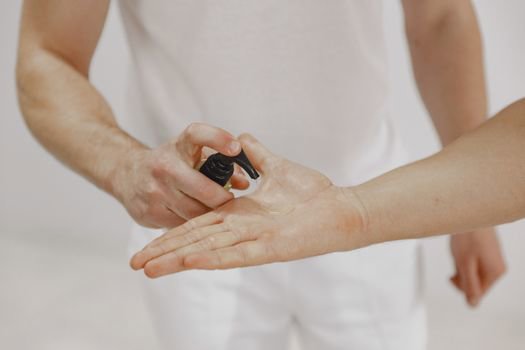
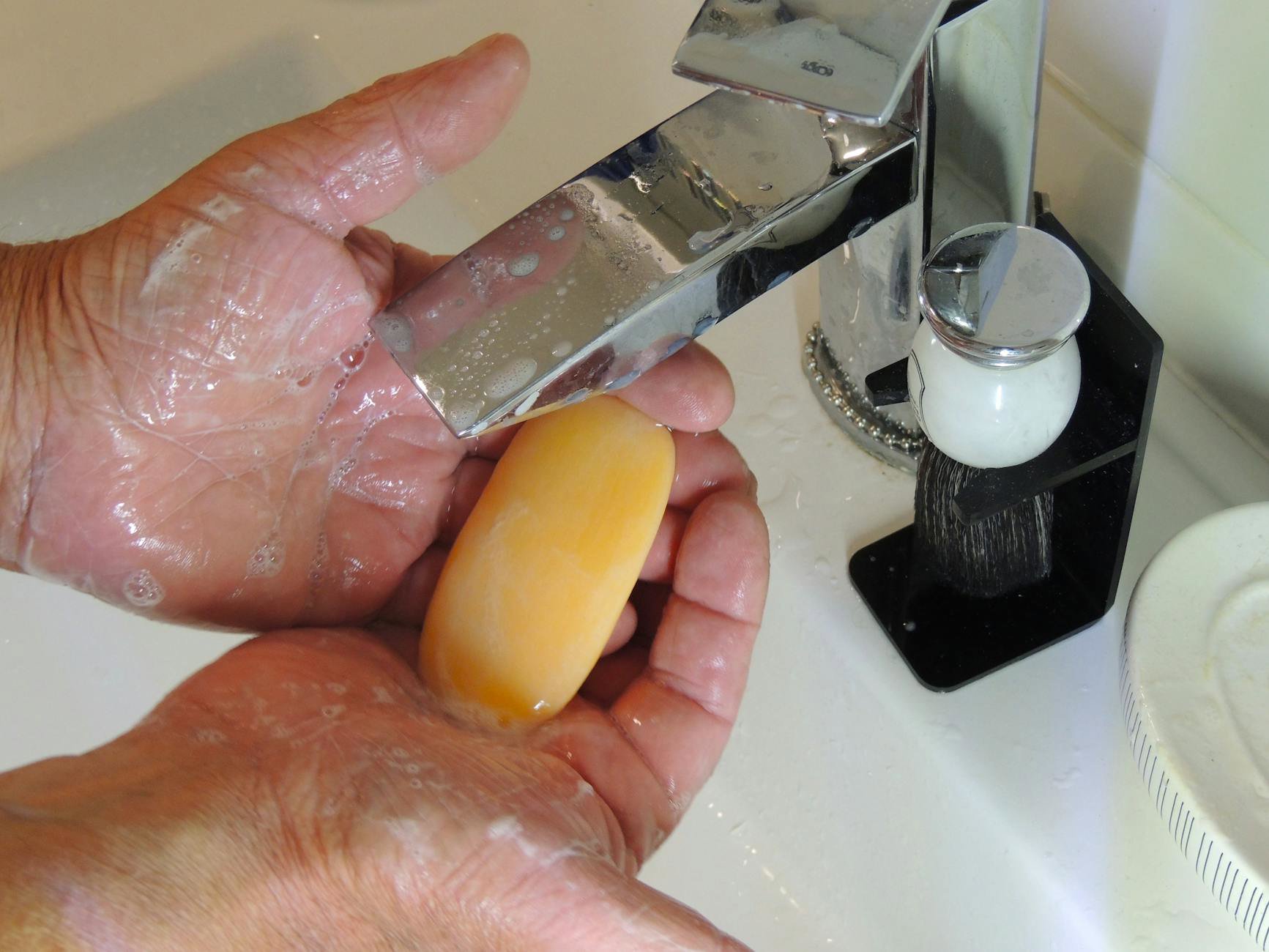
- Emulsify in your palms for 5–10 seconds until it spreads easily. You want glide, not drag.
- Cleanse for 20–30 seconds. Focus on the T-zone and around the nose where congestion gathers.
- Keep water lukewarm. Hot water can worsen redness around active spots.
- Rinse longer than you think. Residue can trigger irritation for some acne-prone skins.
- Pat dry. No flannel scrubbing when you have inflamed blemishes.
One sentence that saves skin: if it squeaks, it’s too much.
Frequency also matters. If you use an active cleanser like Dermalogica Active Clearing Skin Wash or Glossier Cleanser Concentrate Aha Clarifying And Exfoliating Face Wash, start with once daily or every other day. Then adjust.
And yes, you still need SPF in Ireland. Low sun doesn’t mean no UV. If you use exfoliating cleansers, they can make skin feel more reactive, so SPF Protection Products stays relevant year-round.

Common acne mistakes with foaming cleansers (and what to do instead)
Acne-prone readers often ask us why a “blemish cleanser” seems to make breakouts worse. The pattern usually falls into a few buckets.
Mistake: using an exfoliating cleanser twice daily.
If you use Glossier Cleanser Concentrate Aha Clarifying And Exfoliating Face Wash morning and night, you may push into irritation fast. Swap to a gentler daily option for one cleanse, and keep the exfoliating wash for nights only.
Mistake: chasing “squeaky clean”.
That feeling often signals barrier disruption. When the barrier weakens, skin can sting, flake, and look red around spots. Consider a comfort-leaning formula like Charlotte Tilbury Magic Revival Cleanser (from €14.95), which the description frames as gentle and hydrating.
Mistake: scrubbing active acne.
Friction worsens inflammation. Foam gives slip; use that slip and keep pressure light.
Mistake: expecting cleanser to act like treatment.
A rinse-off step can support clarity, but it rarely clears stubborn acne alone. If you also shop for leave-on products, you’ll find them in categories like Anti Ageing Face Serums or Day Face Moisturisers. We’re not recommending those here, but they show where treatments usually sit.
Mistake: ignoring your “tightness timer”.
If you feel tight within 5–10 minutes after cleansing, reduce contact time, reduce frequency, or switch cleanser. Acne-prone skin still needs comfort.
Price, value, and where Irish shoppers usually find the best deals
Foaming cleanser pricing spreads widely, from entry-level to luxury. Our price tracking across merchant feeds shows that cleanser discounts appear often, but not evenly. One retailer might hold steady while another drops 15–25% for a short run.
From this list, the lower entry points include Ole Henriksen Truth Juice Daily Cleanser (from €13.80) and Charlotte Tilbury Magic Revival Cleanser (from €14.95). If you want to try foam without committing big money, those prices make experimentation less painful.
Mid-range daily options sit around the €15–€35 mark in this dataset, like Mario Badescu Gentle Foaming Cleanser (from €15.24) and Shiseido Clarifying Cleansing Foam (from €35.00). Premium and specialist formulas climb from there, including Dr. Barbara Sturm Enzyme Cleanser (from €65.00).
Value comes down to usage rate. A harsh cleanser that forces you to buy extra soothing products costs more in the long run. A gentle foam that you can use consistently often wins, even if it costs a little more upfront.
If you want to browse brand hubs while you compare, start with pages like Clinique, Estée Lauder, or Lancôme for context. Then come back to the cleanser category to keep your basket focused.
Practical takeaways you can use tonight
If acne-prone skin feels oily and irritated at the same time, treat cleansing as “do no harm”. Pick one foam cleanser that you can tolerate daily, then add actives carefully.
We’d use this simple decision tree:
- If you clog easily and tolerate actives, start with Dermalogica Active Clearing Skin Wash (from €48.30) once daily.
- If you want exfoliation but you react easily, use Glossier Cleanser Concentrate Aha Clarifying And Exfoliating Face Wash (from €28.00) two or three nights per week, not twice daily.
- If you need a gentler everyday foam, look at Kate Somerville Eradikate Daily Foaming Cleanser (from €18.40) or Mario Badescu Gentle Foaming Cleanser (from €15.24).
- If tightness shows up fast, try a comfort-leaning texture like Charlotte Tilbury Magic Revival Cleanser (from €14.95).
Keep your cleanse short, keep water lukewarm, and stop rubbing your face like it owes you money.
Which acne issue do you deal with most—blackheads, inflamed spots, or that mix of shine and flaking? Tell us, and we’ll point you to the foam cleanser style that fits best.