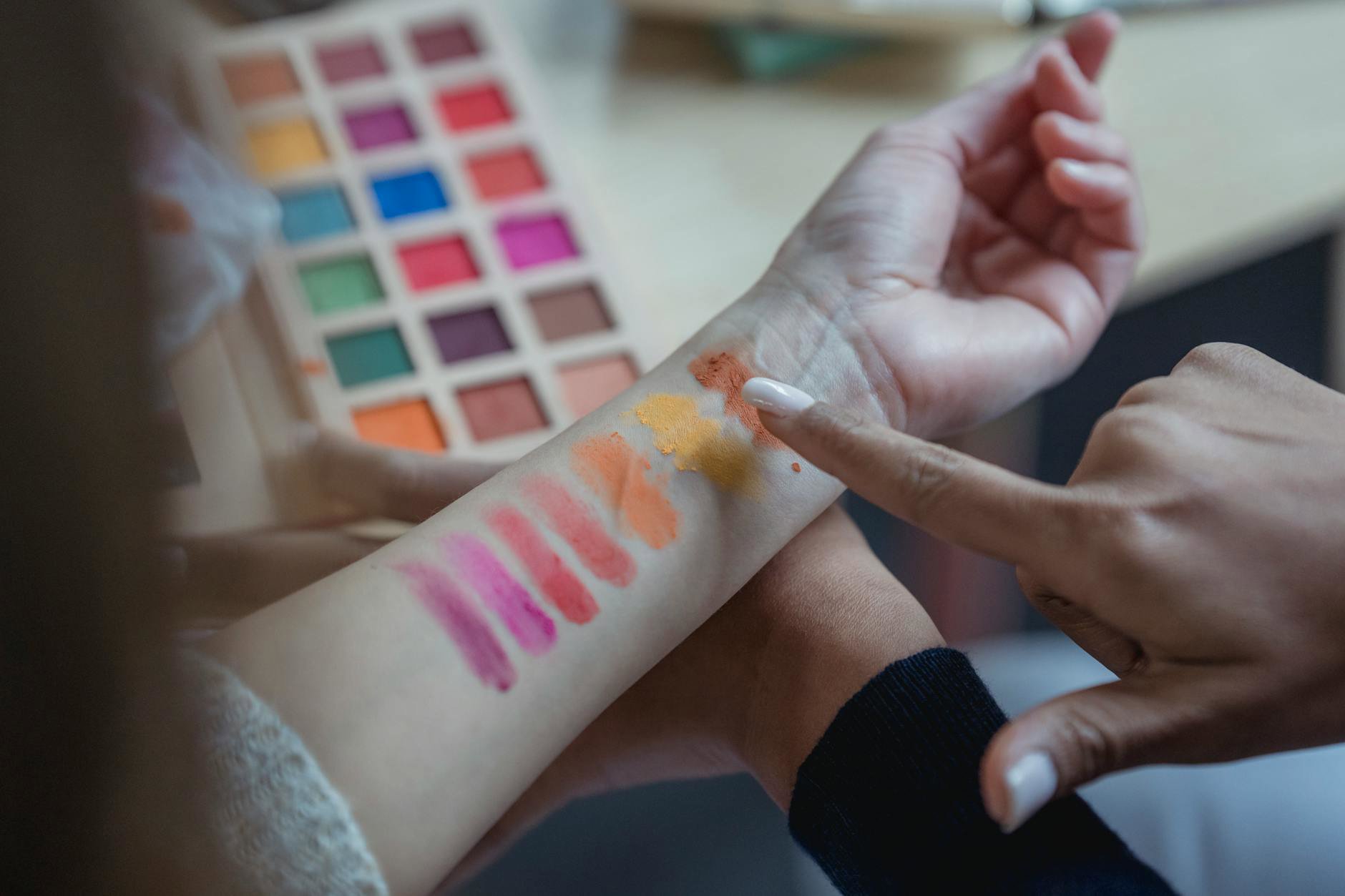
To find your liquid foundation shade match, you need two things: the right depth (how light or deep the shade looks) and the right undertone (the subtle hue beneath the surface). Get either one wrong and the foundation can look grey, orange, pink, or just “off” in daylight.
Shade matching also changes with real life. Irish light runs cool and diffused for much of the year, indoor lighting lies, and many longwear formulas shift as they dry down. That’s why a proper match includes undertones, oxidation checks, and a natural-light test.
Below, we break it down step by step, with liquid foundation picks from our tracked catalogue and practical ways to rescue a shade that’s slightly too light or too dark.
Start with the two-part match: depth + undertone
Most shade errors happen because people treat foundation like a single decision. It isn’t. A shade needs to sit at the right depth and harmonise with your undertone.
Depth is straightforward: fair, light, medium, tan, deep. But depth can still trick you if you test on the wrong area. Your face often runs a touch deeper than your neck, and redness can make you pick too light. We prefer matching to the neck and jawline area so face and body read consistent.
Undertone takes more observation. In Ireland, we see lots of cool-leaning complexions and plenty of “neutral but reactive” skin that flushes easily. That redness is surface tone, not undertone.
Use these quick checks:
- Cool undertone: skin reads pink, rosy, or bluish; some foundations pull orange.
- Warm undertone: skin reads golden, peach, or yellow; some foundations pull too pink.
- Neutral undertone: a balance; you can swing warm or cool depending on formula.
- Olive undertone: a muted green-grey cast; many “neutral” shades look too peach.
One more reality check: undertone can vary across the face. If you have surface redness, you may need a foundation that stays neutral rather than “pink to match the cheeks”. That’s how people end up with a mask.
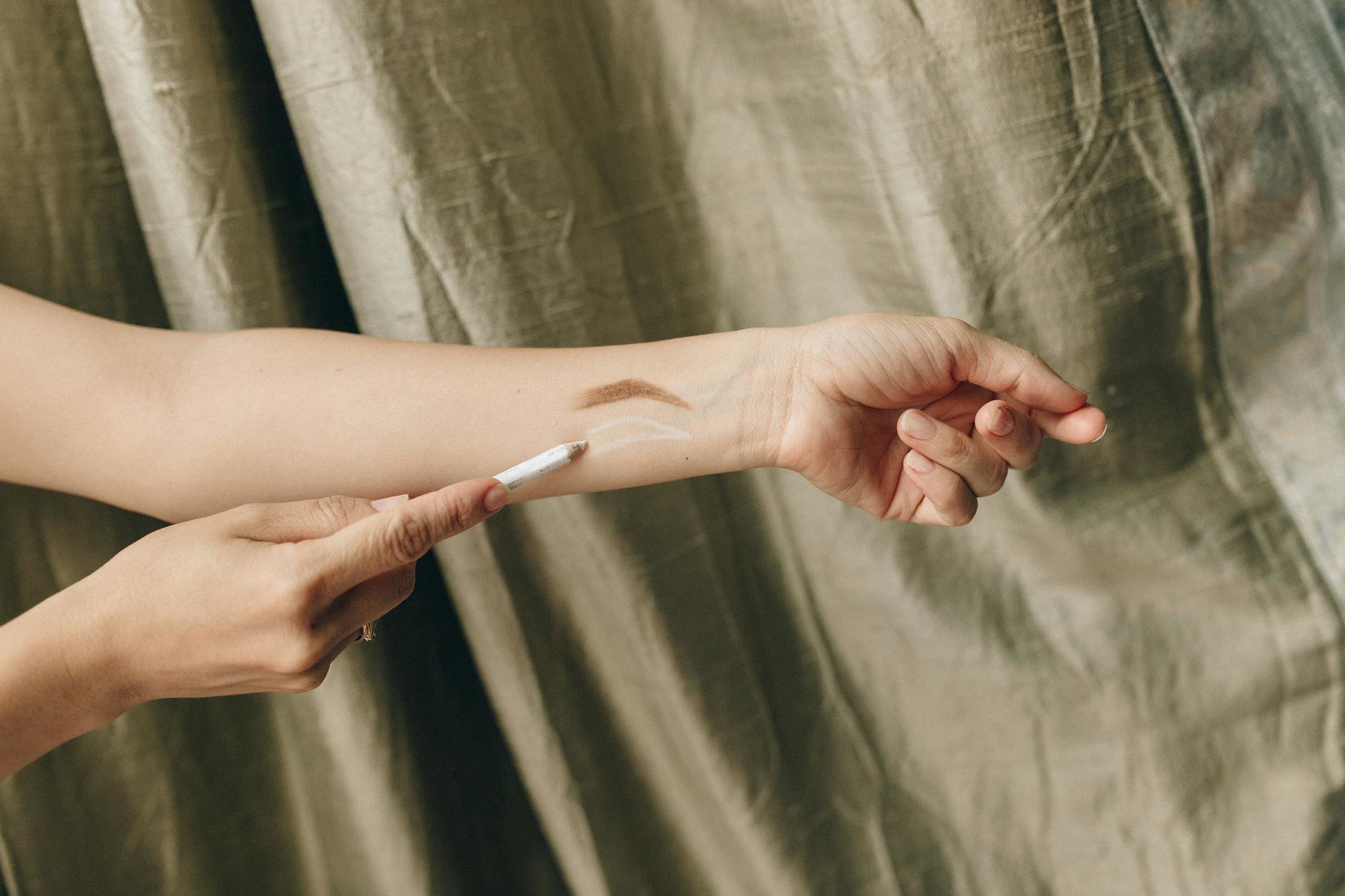
Undertones in practice: what “too pink” and “too orange” really mean
Undertone advice online often stops at “look at your veins”. That can help, but liquid foundation matching needs a more practical question: what goes wrong when you wear the wrong undertone?
If a foundation looks too pink, your skin can read flushed even when you feel fine. If it looks too yellow, you can look sallow or slightly jaundiced in daylight. If it looks too peach, your face can go orange against your neck. Olive undertones get the worst of it: many shades look vivid and warm, not muted and skin-like.
This is where finish matters. A soft-matte foundation can show undertone mistakes more clearly because it reduces reflective “forgiveness”. A radiant finish can blur errors, but it can also emphasise warmth if it oxidises.
From the liquid foundations we track, these are useful “undertone-friendly” options to consider when you struggle with obvious colour shifts:
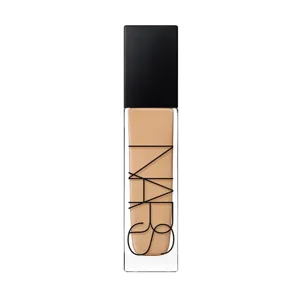
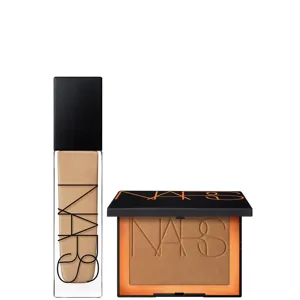
- Nars Natural Radiant Longwear Foundation (from €38.40): medium-to-full coverage with a soft-focus finish, designed to blur uneven tone. That blurring effect can make undertone edges look less harsh.
- Shiseido Synchro Skin Radiant Lifting Foundation (from €45.08): lightweight with buildable full-to-medium coverage and an airy texture. Lightweight formulas can make undertone mismatches less obvious than heavy layers.
- Glossier Stretch Fluid Foundation (from €47.00): light-to-medium coverage with hydrating squalane. Sheerer coverage gives you more wiggle room when undertone is hard to pin down.
Short version: if you’re always “nearly there” but not quite, pick a formula that blends seamlessly and doesn’t look heavy when you build.
Oxidation: why your match changes after 10–30 minutes
Oxidation makes people swear a shop matched them wrong.
In reality, many liquid foundations shift as they dry down and interact with skin oils, skincare, and air exposure. The visible result often shows as a deeper, warmer tone over time. Not always, but often enough that we treat it as a standard check.
Here’s how to test oxidation properly:
- Apply two to three stripe swatches along the jaw/neck area.
- Let them sit for at least 15 minutes without blending them away.
- Check the colour in a window or outdoors (even on an overcast Irish day).
- Pick the stripe that “disappears” into both face and neck.
Longwear and soft-matte formulas can show oxidation more clearly because they set down and change colour as they lock in. If you love that wear style, build oxidation time into your matching routine. The travel size Fenty Beauty Pro Filt'R Mini Soft Matte Longwear Foundation (from €9.20) makes this easier, because you can trial wear without committing to a full bottle.
Also watch what sits underneath. Rich layers from Day Face Moisturisers or silicone-heavy Face Primers can change how a foundation sets and shifts. We’re not recommending products from those categories here, but the category choice matters for oxidation and wear.
One more tip: if a foundation oxidises warmer on you, don’t automatically go lighter. Try the same depth in a cooler or more neutral undertone first. Going lighter can leave you ashy at the start, then “fine” later.
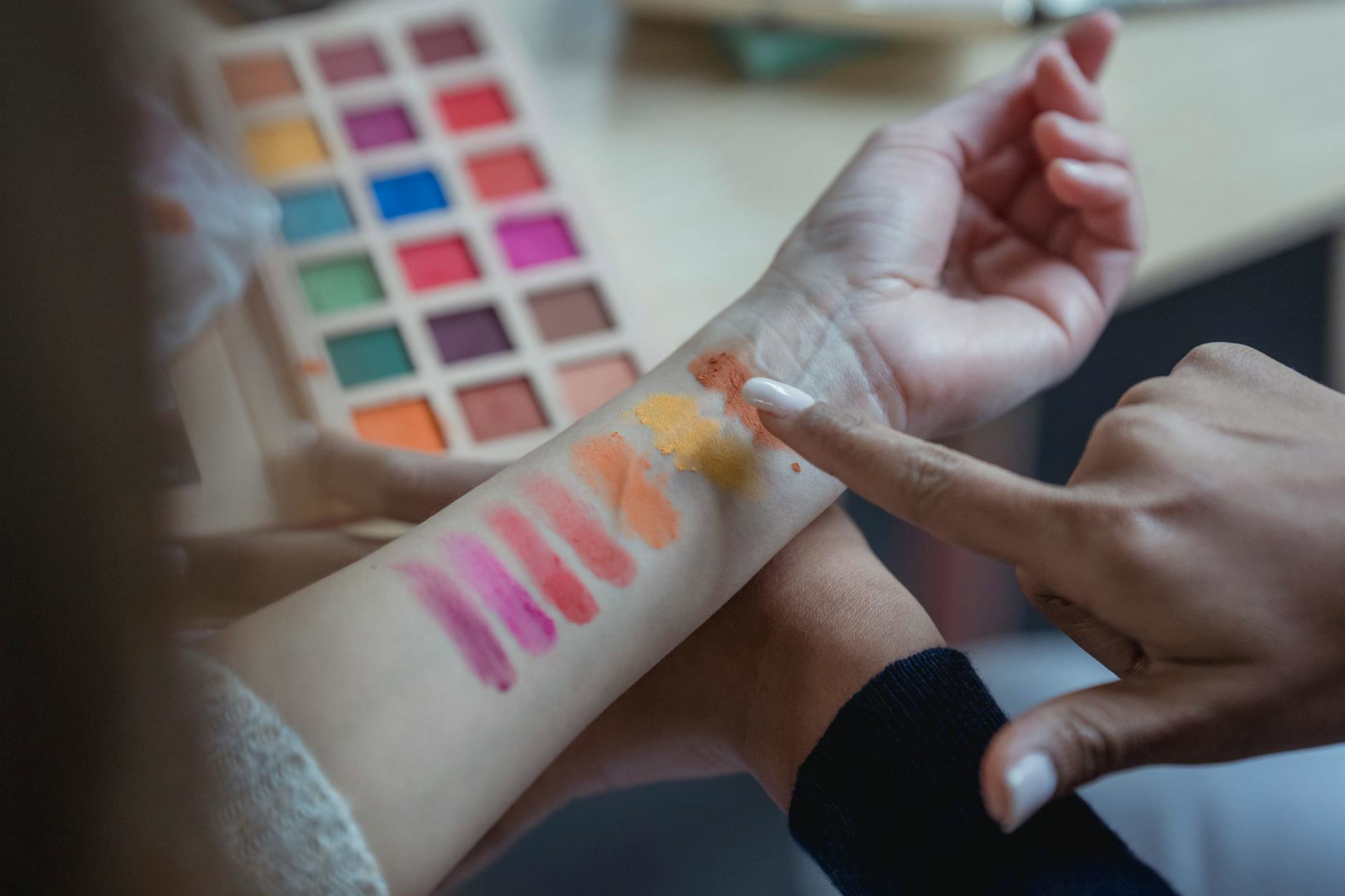
How to test shades in-store (without getting fooled by lighting)
In-store matching still works well in Ireland, but only if you control the variables. Boots Ireland and department counters often use bright overhead lighting, which can flatten colour and hide undertone problems.
We suggest a simple, repeatable routine:
- Step 1: Arrive with a clean base. Avoid heavy skincare right before you go, because it can change how a swatch dries down.
- Step 2: Choose three shades: your “guess”, one slightly lighter, one slightly deeper.
- Step 3: Swipe each along the jaw and slightly onto the neck. Don’t test on your wrist.
- Step 4: Wait. Walk around for 10–20 minutes.
- Step 5: Check near a window or outside the shop entrance.
When you do this, finish and coverage can guide your decision. A full-coverage formula needs a closer match because it covers more of your natural variation. Charlotte Tilbury Airbrush Flawless Foundation (from €44.85) sits in that “be precise” category because it targets full coverage.
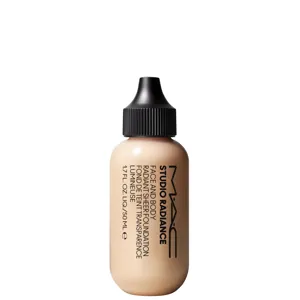
Medium coverage gives more flexibility. MAC Studio Fix Fluid Broad Spectrum SPF15 Foundation (from €31.28) offers lightweight, breathable coverage with a hydrating soft-matte finish in its updated formula, so you can build where you need it without overcorrecting the whole face.
And yes, check flashback claims if you plan to wear foundation for events. Anastasia Beverly Hills Luminous Foundation Bases De Maquillaje (from €37.09) specifically notes that it is flashback free, water-resistant, and long-wearing, which can matter if you match under shop lighting and then see photos later.
How to choose the right shade online (and avoid expensive guesswork)
Online shade matching fails for one main reason: screens don’t show undertones consistently. The same shade looks different on an iPhone, a laptop, and a retailer’s studio lighting.
So we treat online matching like a process of elimination, not a single click.
Use your current best match as an “anchor”
If you own any liquid foundation that matches well, use it as your reference point. Look for swatches of that product and compare them to the one you want. When you can’t find consistent swatches, pick a formula that gives you coverage flexibility. A skin tint style liquid foundation can forgive small shade errors.
Fenty Beauty Eaze Drop Blurring Skin Tint (from €27.60) suits this approach. It offers light-to-medium coverage with a smooth, visibly blurred effect and 25 flexible shade options, which helps when you sit between shades.
Pick finish based on what you need to hide
When you shop online, you can’t test texture. Use finish as a proxy. If you worry about texture and fine lines, light-diffusing pigments can help visually. Hourglass Ambient Soft Glow Foundation (from €50.56) uses light-diffusing pigments and blurring spheres, plus white tea extract and an ingredient blend aimed at a smoother look.
If you chase “your skin but better” and want minimal correction, Sisley Phyto-Teint Nude Foundation (from €78.20) positions itself as ultra-natural and undetectable, with a skincare-infused feel. Online, that often means fewer harsh edges if you land slightly warm or cool.
Use minis and flexible formulas to reduce risk
When price tracking shows a low entry point, it can make online matching less stressful. The mini size of Fenty Beauty Pro Filt'R Mini Soft Matte Longwear Foundation (from €9.20) gives you a practical trial size for shade and oxidation, without a full-bottle commitment.
One last online tip: always read shade descriptions for undertone words (cool, warm, neutral, olive) and compare across multiple retailers. Irish shoppers often see different photography on Boots Ireland versus department stores like Brown Thomas or Arnotts, even for the same product.
When you’re between shades: sheer, build, or blur
Being between shades happens constantly. Brands build shade ranges in steps, and real skin doesn’t come in steps.
When you sit between two depths, you have three reliable strategies that stay within “shade match” rather than “full rework”.
1) Choose the closer undertone, then adjust depth with application. Apply less product at the perimeter of the face and more in the centre. This keeps the neck match cleaner. It also avoids a visible line at the jaw.
2) Choose a lighter match if you bronze easily. Many people in Ireland run lighter in winter and pick up depth quickly on holidays, even with sensible use of SPF Protection Products. A slightly lighter base can still work if you keep coverage light around the edges.
3) Pick a formula that blurs and diffuses. Soft-focus finishes make “almost right” look right. Nars Natural Radiant Longwear Foundation (from €38.40) explicitly targets soft-focus blurring of imperfections and uneven tone, which can reduce the visibility of tiny shade errors in real life.
For a more skincare-tint approach, By Terry Brightening Cc Foundation (from €60.61) offers an ultra-sheer, dewy finish with a serum-and-tint style concept and 90% naturally-derived ingredients. Sheer coverage can make borderline undertones far easier to wear.
Fixing a foundation that’s too light or too dark (without buying another bottle)
Most “wrong shade” foundations fail by a small margin. Good news: you can often correct them with technique alone.
If your liquid foundation looks too light: apply it with a lighter hand and concentrate coverage where you need it. Keep the jawline thin. A buildable formula makes this easier. Shiseido Synchro Skin Radiant Lifting Foundation (from €45.08) offers buildable full-to-medium coverage with a lightweight feel, so you can avoid piling product onto the perimeter.
If it looks too dark: sheer it out. Use fewer pumps and blend down the neck in a thin layer. This sounds basic, but it works because the eye reads the transition more than the centre of the face.
If it looks too warm/orange: don’t add more product. Reduce the layer and re-check in daylight. Warmth often shows more when the layer gets thicker. Soft-matte finishes can emphasise this, so keep them light at the edges. The oil-free, soft matte style of Fenty Beauty Pro Filt'R Mini Soft Matte Longwear Foundation (from €9.20) can look very tidy when applied thinly, which helps keep undertone mistakes from shouting.
If it looks too pink: check whether you matched to surface redness. Choose a neutral-looking application along the jaw, then let natural flush show through on cheeks. A lighter-coverage formula can make this look intentional, not mismatched. Westman Atelier Vital Skincare Complexion Drops (from €60.61) aims for light-to-medium coverage in “just a few drops”, which suits small corrections rather than full coverage repainting.
One sentence worth remembering.
Most shade fixes fail because people add more product instead of changing placement.
Practical shade-matching routine you can use today
When readers ask us for a repeatable method, this is the one that causes the fewest costly mistakes.
1) Decide your target: match neck or match face. For most people, matching the neck looks more natural in daylight.
2) Pick your “test trio”: three shades in the same foundation line, ideally spanning one depth step. If you shop online, start with a flexible formula like Fenty Beauty Eaze Drop Blurring Skin Tint (from €27.60) or a buildable medium-to-full coverage option like Laura Mercier Flawless Lumière Radience Foundation (from €39.60), which offers radiant medium to full coverage with a lightweight feel.
3) Swatch correctly: apply stripes along the jawline and onto the neck. Then wait 15 minutes.
4) Check in real light: stand near a window. If you can, step outside for 30 seconds. Ireland’s overcast daylight still reveals undertones far better than indoor bulbs.
5) Wear-test if you can: if the formula claims longwear, see it at hour 4 and hour 8. Transfer-proof claims, like the one on Sisley Paris Phyto-Teint Perfection Foundation (from €76.36), matter most when you check how the shade looks after real wear.
If you want to browse by brand while you compare shades and prices, you can also jump through our brand hubs like MAC, Shiseido, Charlotte Tilbury, or Sisley. We often see price gaps between Irish retailers and UK sites shipping to Ireland, so it pays to check before you commit.
Which part trips you up most: undertone, oxidation, or online shade picking?