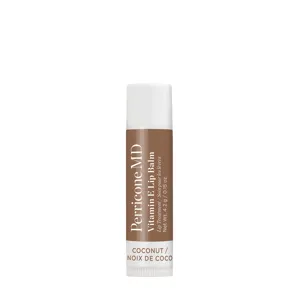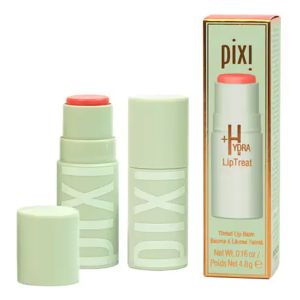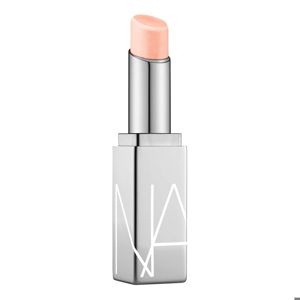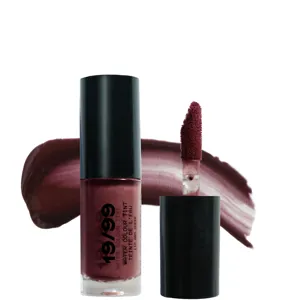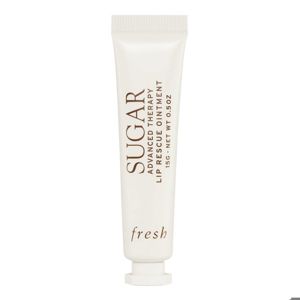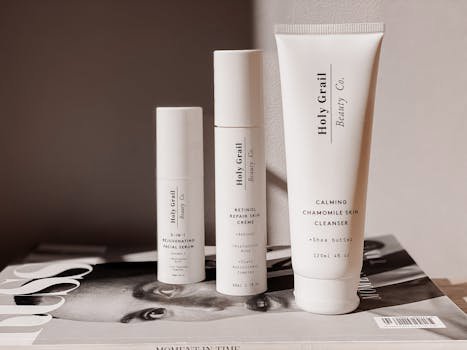
On our tracker, lip balm searches in Ireland spike every winter and again when the first cold spring winds hit. Women buy more tubes in December than in July, yet complaints about peeling lips jump on forums year-round. Damp air does not save lips from dehydration. Wind, central heating, matte lipstick, and sun exposure do the damage together.
Here’s the fix: a tight balm routine that seals, softens, and shields. It works fastest when you choose the right texture, apply on schedule, and skip the irritants that keep lips in a cycle of sting and flake. We set it out step by step below, with ingredients that pull their weight and those that don’t.
We also track where to buy it. Our feed aggregates prices from Boots Ireland, Brown Thomas, Arnotts, McCauley Pharmacy, Meaghers Pharmacy, and Lookfantastic Ireland. Lip products can fluctuate more than you’d think. The same balm often costs less at one retailer than another. Use the comparison and set a wishlist alert; we ping you when the price drops.
Why lips chap so fast in Ireland
Lips lack oil glands, so they dry out quicker than the rest of your face. Add wind and indoor heating and you get water loss on repeat. Our climate stays mild and damp, but that dampness does not hydrate skin. It only makes wind feel sharper. That mix creates peeling even in months that never freeze.
There’s a second pitfall. Many “tingly” balms use menthol or peppermint. These feel cooling but often irritate raw lips. Fragrance and flavour can also nudge you to lick your lips. That saliva evaporates and takes moisture with it. We see women repurchase these formulas because they feel active, yet the cycle continues.
Then there’s SPF. Many Irish shoppers still skip lip SPF outside summer. Our data suggests SPF lip products get listed less by local retailers, and stock rotates slowly. Yet UVA hits year-round, clouds or not. A proper SPF balm can reduce chapping and help prevent pigmentation on the lip line. You need shielding, not just shine.
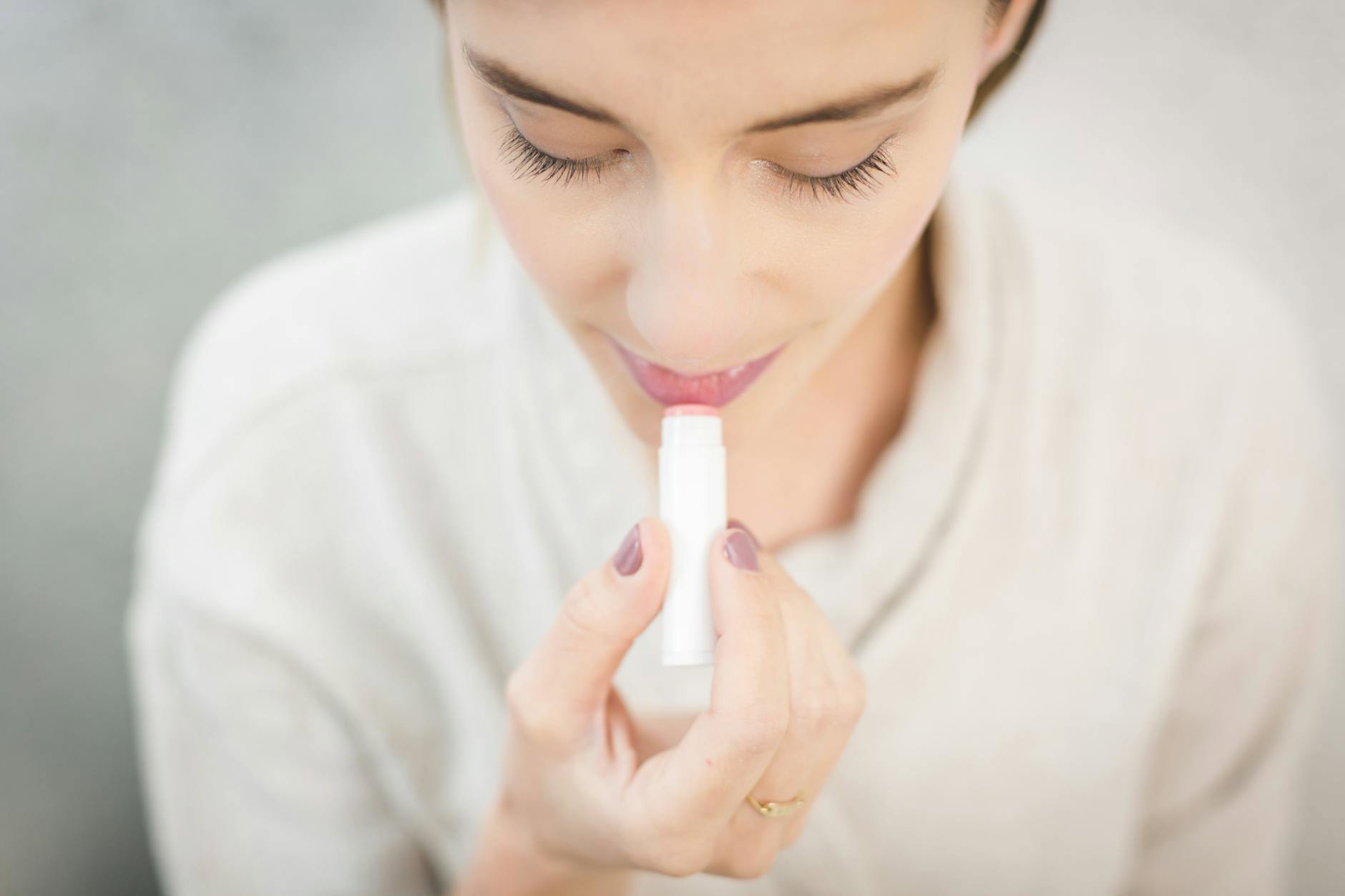
{{IMAGE:woman applying lip balm outdoors in Ireland}}The 24-hour fast-track repair plan
If your lips sting, crack, or peel right now, use this schedule for a day. It calms inflammation and restores the seal. Avoid spicy food, wine, and mint during this window. Keep lipstick simple or skip it for the day.
Morning: Lightly cleanse your mouth area with lukewarm water or a gentle face wash. Pat dry. Apply a humectant layer (glycerin-based serum works if it suits you), then seal with a dense, fragrance-free balm rich in petrolatum, lanolin, or squalane. Finish with a broad-spectrum lip SPF. You’ll find options under SPF Protection Products.
Every two to three hours: Reapply a bland occlusive. If you drink coffee or tea often, reapply after each cup. Choose a tube or stick you can apply without a mirror. Keep it on your desk and in your coat pocket. Add it to your GlamGeek wishlist so you get pinged when the price drops or stock returns.
Evening: Avoid scrubs. Instead, lay on a thick coat of a balm that includes ceramides, shea butter, or beeswax alongside occlusives. If cracks look deep or bleed, press a thin petrolatum layer on damp lips and leave it. If pain persists, speak to a pharmacist. Severe cracks may need a short course of targeted care.
Morning routine: cleanse, treat, shield
Start with gentle cleansing. Harsh surfactants strip the mouth area and make lips tighter. A small lather of a mild gel from our Foam & Wash Cleansers category works. Rinse, then blot. Don’t rub.
Layer a hydrating step if your lips tolerate it. Glycerin and panthenol draw water in and soothe. Hyaluronic acid can help, but keep it under a seal. On its own, it may pull moisture out in heated rooms. Tap a tiny amount around the lip contour and over the vermilion, then seal within a minute.
Now create the barrier. Use a balm that blends occlusives (petrolatum, mineral oil, hydrogenated polyisobutene) with emollients (shea butter, cocoa butter, squalane). Look for panthenol, allantoin, or bisabolol to calm heat and redness. Browse our Lip Balms & Creams for fragrance-free options. If you prefer a tinted finish, brands like Clinique, Charlotte Tilbury, and KIKO offer soft tints that still feel balmy.
Finish with sun protection. A dedicated lip SPF gives a better film than face sunscreen. If your balm lacks SPF, add a separate layer. You can also top with a creamy lipstick for colour. We rate satin bullets over long-wear liquids here. See our Lipsticks edit for comfortable textures that don’t cling to flakes.
Daytime top-ups without overdoing it
Chapped lips heal fastest when the surface stays covered. That means frequent, light reapplication rather than one giant slather. After meals, coffee, or any outdoor time, reapply. If you wear lipstick, blot, reapply balm, then tap lipstick back on. Satin textures layer better than mattes during repair.
Stick versus tube? Sticks feel tidy and pocket-friendly. Tubes spread a thicker film and suit severe dryness. Avoid tiny metal tins in freezing weather; product can go too hard to spread. If you live in balaclava weather on the west coast, keep a tube in your pocket and a stick in your handbag. Redundancy helps.
Check labels for irritants. Menthol, camphor, and strong peppermint can sting and inflame. Cinnamon oil and citrus can do the same. Glossy plumpers often pack irritant tingle. Park them for now. Consider fragrance-free or very low fragrance until your skin calms.
Makeup while healing: choose kinder formulas. Swap long-wear liquid mattes for balmy tints or sheer bullets. A dab of gloss can hide texture while your balm does the repair work. Explore hydrating choices in our Lip Glosses and Lipsticks categories. We often spot notable price gaps between retailers, so check the comparison before you add to basket.
Night routine: seal and heal
Night is when you rebuild. Aim for thick, inert, and unscented. Petrolatum creates the most robust seal. Lanolin softens well too, though some women react to it. If you notice itch or rash, switch to a lanolin-free balm and try squalane or shea butter instead. Ceramides help restore the barrier while you sleep.
Apply on slightly damp lips. You can mist or press with cool water first. Then press balm on with a clean fingertip. Don’t rub hard. You want a cushiony film that stays put until morning. If you mouth-breathe or run a dehumidifier at night, add an extra layer.
Consider “lip slugging.” That simply means layering an emollient-rich balm first, then topping with petrolatum. It reduces water loss in heated rooms. Keep mints, flavoured balms, and aromatherapy blends out of the night routine. They add risk with no benefit. If corners of your mouth crack often, use a cotton bud to target-lay balm right into the fissure.
{{IMAGE:close-up of lip balm texture}}Ingredients to seek: a data-led shortlist
Our scan across listings shows the same workhorse ingredients in the balms that get high community ratings. The mix matters more than any single star. Look for these when you want quick relief and smooth lipstick again.
- Occlusives: petrolatum, mineral oil, hydrogenated polyisobutene, microcrystalline wax. These reduce water loss and protect against wind.
- Waxes: beeswax, synthetic wax. They anchor the film and improve wear. Beeswax adds grip without the drag you feel in some vegan alternatives.
- Emollients: shea butter, cocoa butter, squalane, jojoba oil, meadowfoam seed oil. They fill tiny cracks and soften flakes so you can wipe less and wear colour sooner.
- Humectants: glycerin, sorbitol, low-level hyaluronic acid. Always pair these with an occlusive in winter or in heated rooms to prevent rebound dryness.
- Soothers: panthenol (pro-vitamin B5), allantoin, bisabolol, madecassoside. These reduce the “hot” feeling and speed comfort.
- Barrier rebuilders: ceramides, phytosphingosine, cholesterol. Helpful if you’ve over-exfoliated or used too many actives around the mouth.
- SPF filters: look for broad-spectrum. Brands like Shiseido and Garnier often list lip-friendly filters and water-resistant tech in face products; dedicated lip formats give the best film. Browse our SPF Protection Products to see what’s in stock locally.
Ingredients to skip while your lips are cracked
Some ingredients feel active but set back healing. We see repeat purchases of minty balms and plumpers that keep lips in a sting-flake loop. Park these until lips look calm and smooth for a full week.
- Menthol, camphor, eucalyptus, strong peppermint oil. Cooling on first contact, irritating over hours.
- Cinnamon oil, citrus oils, and heavy fragrance. These can sensitise and increase lip licking.
- Alcohol-heavy formulas. The quick-dry feel is the enemy for cracked lips.
- Chemical exfoliants intended for face skin: AHAs, BHAs, PHA lip scrubs. Save them for cheeks and forehead.
- Physical scrubs with sharp granules. Sugar crystals can gouge soft, swollen tissue. Soft cloth and steam work better.
- High-dose spicy “plumping” actives. These often use capsicum or similar to swell lips. They look glossy, then leave you drier.
If you suspect a contact allergy (tingling, rash along the border), switch to an unflavoured, fragrance-free balm for two weeks. If symptoms persist, speak with a pharmacist or GP. Patch testing can help pinpoint the trigger.
Exfoliation: handle flakes with care
Many guides shout “scrub!” when lips peel. We disagree. Scrubbing raw lips slows healing. You need to soften first, not sand. Use this method every other night for a few days, then stop once the surface looks smooth.
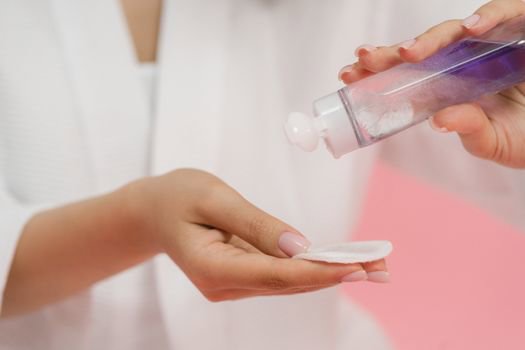
Step 1: After brushing your teeth, rinse your mouth with lukewarm water. Press a warm, damp cotton pad over your lips for one minute to soften the top layer.
Step 2: Apply a generous coat of emollient balm. Wait five minutes. The flakes absorb and loosen.
Step 3: Take a clean microfibre cloth. Very gently buff in short, light strokes. Wipe away only what lifts without effort. If it tugs, leave it.
Step 4: Reapply balm, then a thin layer of petrolatum to seal. Skip acids entirely. Facial exfoliants belong on cheeks, not on the vermilion. If you need a new face exfoliant for elsewhere, browse with care in our Face Exfoliants category and keep it away from your lips.
Two or three light sessions should clear loose skin without trauma. If flakes return within hours, look at your daytime routine and your lipstick choice. Matte, long-wear formulas often undo the progress.
Lip SPF in Ireland: shield that actually sticks
UVA shines all year. Wind makes UV exposure feel trickier because lips don’t feel hot, yet they still burn and dry out. The fix is a broad-spectrum lip SPF that stays put. Aim for comfortable films you can reapply often. This matters in Galway in January as much as in Wexford in June.
Dedicated lip SPF formulas usually last longer than face sunscreen dabbed on lips. They also taste better and don’t break down as fast. You’ll find options across our SPF Protection Products. Tinted balm-SPFs can replace lipstick on casual days. If you want colour payoff, choose a creamy lipstick on top and reapply SPF under it through the day.
Stock can be patchy. Our feed shows fewer lip SPF listings in Ireland than in the UK. Sometimes it costs less to buy from a UK retailer that ships to Ireland, even after fees. Use our comparison to check total cost before you buy. Add favourites to your wishlist so we can alert you when Irish stock returns.
Smart shopping in Ireland: what our tracker sees
We see the same lip balms stocked across Boots Ireland, McCauley, Meaghers, Brown Thomas, Arnotts, and Lookfantastic Ireland, but not always at the same time or price. Online offers come and go quickly in winter. Multipacks and seasonal tins sell out fast, then reappear weeks later at a different price point.
Watch bundle value. Two-packs can work out cheaper than singles, but only if you’ll use both within a year. Check the price per 10 ml or per gram. Our comparison view helps line that up across formats. If you love a tinted balm from L’Oréal or MAC, compare the cost per gram to a standard clear balm so the shine doesn’t turn into sticker shock.
Filter by finish and claim. Some listings mark “fragrance-free” or “lanolin-free,” which helps if you react easily. Shortlists on GlamGeek group by benefit so you can narrow fast. Save your shortlist into a wishlist. We’ll email you when a retailer drops the price or adds a free gift with purchase.
For luxe options, look at Lancôme, Estée Lauder, and Clarins. For budget-friendly basics, we often see solid options from Revolution and The Body Shop. Availability shifts, so run a quick check before you head to the till.
Troubleshooting: when lips won’t heal
If your routine looks solid and flakes keep coming back, audit your makeup and skincare near the lip line. Retinoids, strong vitamin C, and exfoliants can migrate. Apply a buffer balm around the border before night serums. Wipe lipstick off with a bland oil or cream rather than astringent wipes.
Consider a formula allergy. Fragrance and flavour are common triggers. Lanolin sensitivity can show as itching or tiny blisters. Switch to a minimal, fragrance-free balm for two weeks. If symptoms ease, reintroduce products one by one. Still not right? A pharmacist can advise on next steps. Angular cracks at the corners may need targeted care.
Dehydration also shows on lips. Sip water through the day. Tea and coffee count for fluids but can prompt you to lick your lips more. Balance mugs with a water bottle on your desk. If you work outdoors, keep a high-occlusive tube in your pocket and a backup in the car.
What this means for your routine
Quick healing hinges on three moves. Hydrate, seal, and shield. Use humectants under a proper balm, not alone. Keep a generous occlusive film on during work hours. Finish with lip SPF whenever you step out, even on grey days. Drop menthol and heavy fragrance until the skin looks calm for a full week.
Shop with a plan. Compare listings across Boots Ireland, Brown Thomas, Arnotts, McCauley, Meaghers, and Lookfantastic Ireland on GlamGeek. Add your picks from Lip Balms & Creams, SPF Protection Products, and even comfortable Lipsticks to a wishlist. We’ll alert you when prices shift, stock returns, or a better value size appears.
Your turn
Which balm textures actually last through a school run in the rain, and which tints pass the office coffee test? Add your go-tos to a GlamGeek wishlist and check the comparison before you buy. Tell us what healed your lips fastest so other women can skip the sting and get straight to smooth.