I don’t get annoyed when a lipstick arrives in the wrong shade.
I get annoyed when it arrives smelling like plastic, with a label that looks slightly… off, and a batch code that doesn’t exist anywhere online.
Fake beauty is no longer a backstreet problem. It’s a scrolling problem. And in Ireland, where we already deal with limited launches and “UK only” drops, the temptation to click “Add to basket” from a random marketplace has never been higher.
Why fakes are surging (and why Ireland feels it more)
RTE.ie calling out the surge in fake beauty products early this year didn’t surprise me. I’ve watched the pattern for ages: a product goes viral, stock goes patchy, and suddenly “new” listings multiply across resale sites and third-party marketplaces.
Ireland feels the squeeze because distribution here can lag. We often get the hype through TikTok the same day as London or New York, but not the stock. That gap creates perfect conditions for counterfeits, especially in categories with strong branding and easy shipping: Lipsticks, Mascaras, and fragrance.
Even when a brand does sell here, authorised retailers matter. Boots Ireland, Brown Thomas, Arnotts, and McCauley Pharmacy give you traceability, returns, and proper storage. A random seller with a bundle deal doesn’t.
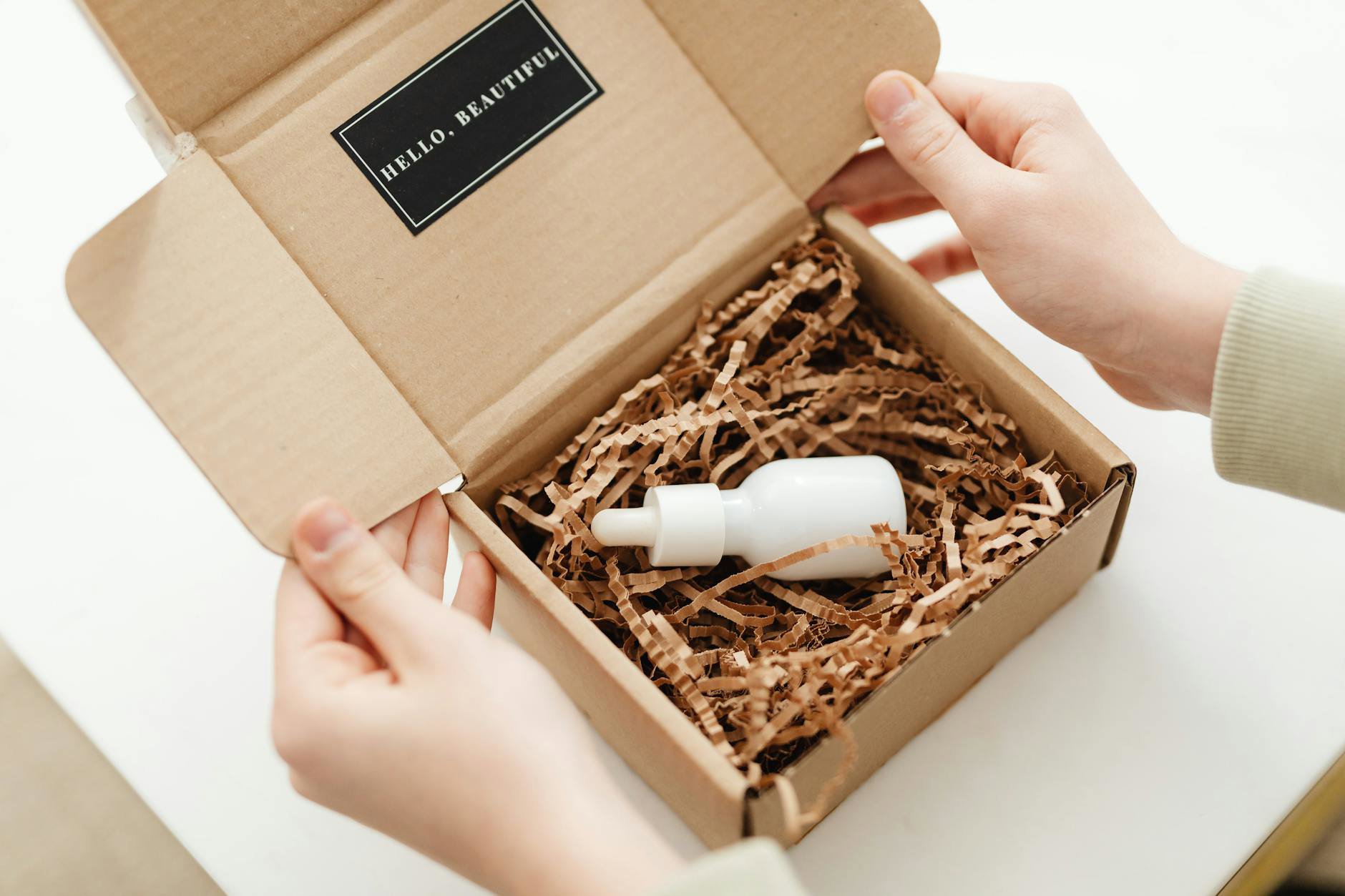
One more thing: fake beauty isn’t only about “wasting money”. It can mean eye irritation from dodgy preservatives, rashes from fragrance allergens, or acne from heavy, occlusive fillers. You don’t need to panic. You do need a system.
My quick “is this listing dodgy?” checklist
I use the same checklist whether I’m looking at a niche scent, a viral balm, or a salon-style hair mask. It takes two minutes. That’s the point.
1) Price that makes no sense. If a premium product sits at a steep discount while everyone else shows full price, I assume it’s fake or diverted stock until proven otherwise. GlamGeek price tracking shows normal price movement over time; a sudden cliff-drop from a no-name seller should set off alarms.
2) “Unboxed”, “tester”, “no cap”, “no cellophane”. Some brands ship without wrap. Many don’t. But “tester” listings cause the most trouble in fragrance. Unless it comes from a known retailer or a known, reputable fragrance specialist, I skip.
3) Photos that avoid the details. I want close-ups of the batch code, base label, and the crimp of a perfume sprayer. For makeup, I want the back label with ingredients and shade name. Blurry photos mean I’m doing the seller a favour.
4) Weird language. “Inspired”, “version”, “type”, or misspellings of brand names. Also: overuse of “100% original”. Real retailers don’t shout like that.
5) Shipping from somewhere unexpected. If a product supposedly comes from an Irish seller but ships from far outside the EU, I pause. Storage conditions and returns become messy fast.
If two or more of these show up, I’m out.
Fragrance: the easiest category to counterfeit (and how I shop it)
Fragrance sits at the top of my personal “don’t gamble” list. The niche perfume boom for Spring 2026 makes it worse, because niche branding often looks minimalist and easy to copy at a glance. Also, lots of women buy fragrance as gifts, which means fakes can travel quietly.
Here’s how I sanity-check a perfume listing.
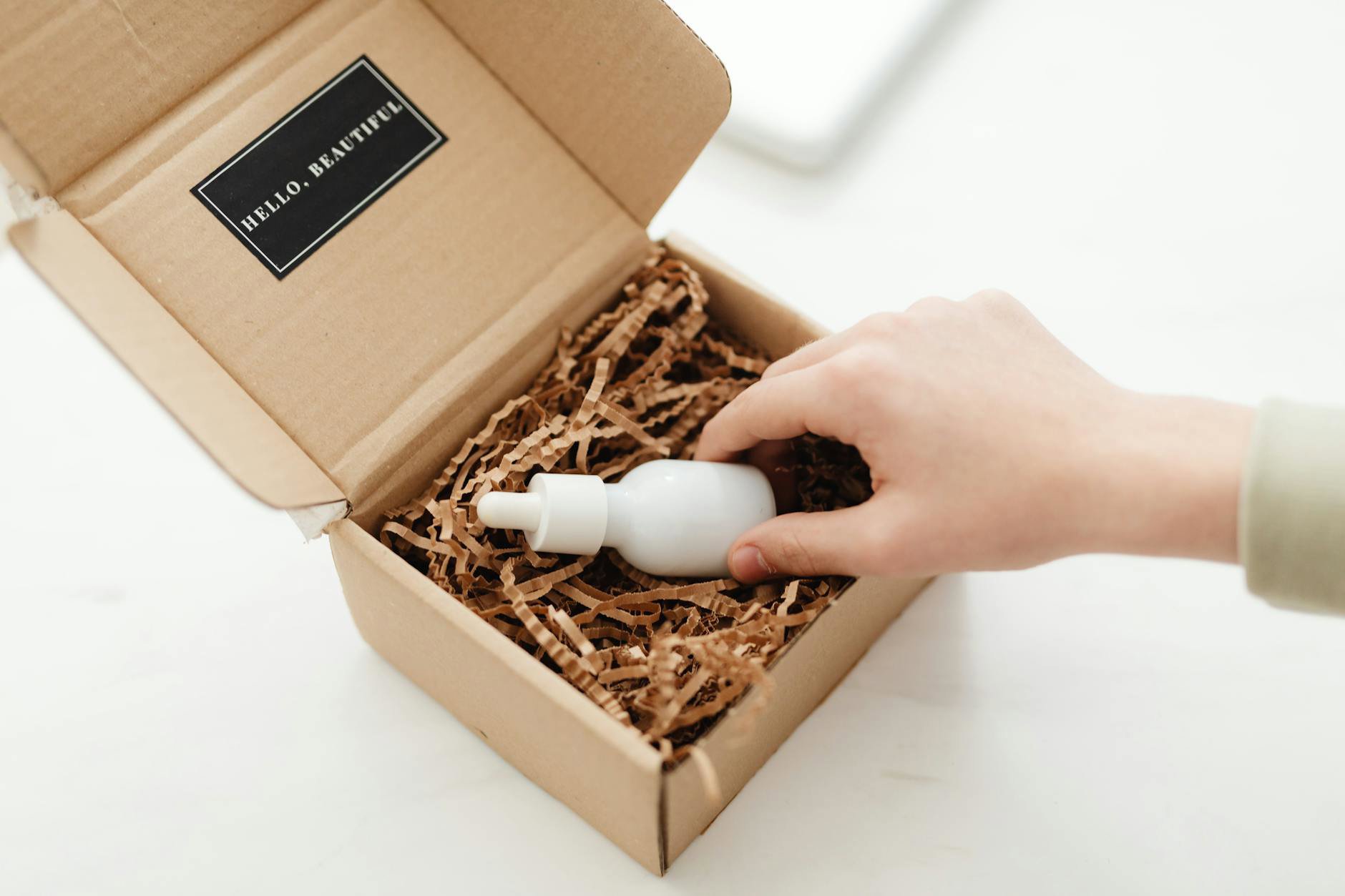
Start with the bottle anatomy. Counterfeits often get the sprayer wrong: the collar sits too high, the atomiser mists unevenly, or the cap clicks loosely. I also check the base label. Real labels sit straight, with crisp edges, consistent fonts, and no spelling mistakes. If a seller won’t show the base, I assume there’s a reason.
Then check the batch code. Most mainstream perfumes have batch codes you can search. It won’t always confirm authenticity, but a code that returns nothing or repeats across multiple “different” bottles screams fake.
Finally, think about where you’ll wear it. If you want a daily scent you can top up without stress, I’d rather you buy an Eau de Toilette Perfumes option from a known retailer than chase a suspiciously cheap niche extrait online. Longevity matters, but so does peace of mind.
Irish availability note: niche fragrance selection in Ireland still skews curated. Brown Thomas and Arnotts do the heavy lifting, but launches can arrive later than the UK. If you’re tempted by a US-only release, wait for an Irish stockist or buy direct from the brand site, not a third-party listing.
If you want to browse safely, stick to established counters and treat marketplaces as “research only”. For the category page, I keep an eye on Eau de Parfum Perfumes and compare price patterns over a few weeks instead of impulse buying.
Viral lip balms and “new fragrance” hype: don’t buy the dupe by accident
Summer Fridays proved something important: a lip balm can become a status product. When any brand rides that kind of hype and then hints at fragrance, the fakes follow the attention. Fast.
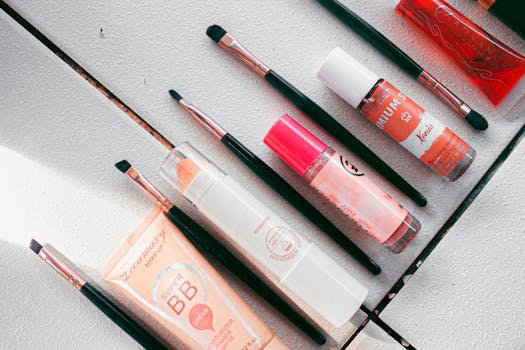
Lip products also sit right on the line between “beauty” and “bodycare”, so counterfeiters target them because they’re small, cheap to ship, and easy to rebox. If you only take one practical tip from me, take this: I don’t buy viral Lip Balms & Creams from third-party sellers. Ever.
Instead, I do three things.
- I check the ingredients list formatting. Real packaging uses consistent INCI naming and punctuation. Fakes often use odd capitalisation, missing commas, or non-standard terms.
- I compare the shade/variant names. Counterfeits love “close enough” names. If the brand calls it “Vanilla Beige” and the box says “Vanila Nude”, that’s not a typo I forgive.
- I buy from retailers with boring listings. Boots Ireland and Brown Thomas product pages rarely look exciting. That’s a green flag. The product should be the star, not the seller.
If you missed a viral balm drop and you need a solid alternative you can buy easily in Ireland, I look at texture first: do you want glossy and cushioning, or waxy and protective? Then I shop by finish rather than chasing the exact brand name. If you want shine plus comfort, a Lip Glosses formula can scratch the itch without risking a sketchy “sealed box” from a random seller.
And if you’re sensitive, keep it simple: fewer flavour oils, fewer potential irritants. Your lips don’t care about hype.
Haircare fakes: the “professional” label means nothing online
Market reports keep shouting about demand for professional hair care. I see it in search behaviour too: women want stronger, shinier hair, and they want the salon feel at home. That demand pushes counterfeiters straight into “salon-grade” shampoo, masks, and oils.
Here’s the problem: haircare packaging often changes. Brands do redesigns, limited editions, and seasonal sizes. That makes it easier for fakes to hide in the noise.
My approach stays boring and consistent.
Buy your core wash routine from trusted Irish retailers. McCauley Pharmacy can be a very safe bet for everyday hair staples. Boots Ireland also works well for mainstream ranges. If you’re buying premium like Kérastase, I stick to authorised salons and official counters. I don’t take risks with a product that sits on my scalp for minutes at a time.
Check the bottle seam and pump. Fake shampoos often use cheaper moulds. Look for rough plastic seams, stiff pumps, and caps that don’t align properly. If the product arrives leaking, don’t shrug it off.
Smell and slip matter. Real formulas feel consistent: the slip, the lather, the fragrance strength. If a “moisturising” shampoo suddenly feels harsh and squeaky, I stop using it. No heroics.
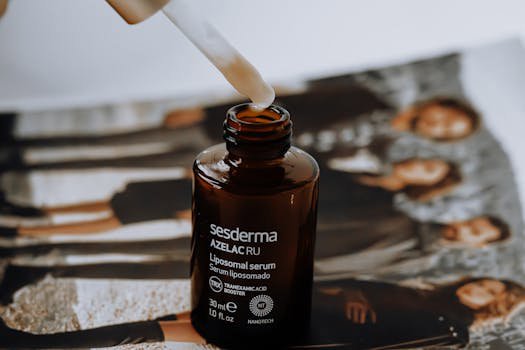
If you want a safer shopping route on GlamGeek, browse categories like Moisturising & Nourishing Shampoos and Moisturising & Nourishing Conditioners, then compare which retailers consistently carry the same SKU. Consistency is a quiet sign of legitimacy.
Defined lashes, trending mascaras, and the eye-area risk
Defined lash styling keeps cycling back because it reads “put together” even when your base stays minimal. But eyes react quickly to bad formulas, and fakes love eye products because they sell on instant results.
I treat anything for the lash line as higher risk than, say, a body wash. If I wouldn’t put it in my eye, I don’t buy it from a stranger online.
Here’s how I shop it safely in Ireland.
Pick a retailer first, then pick a product. Boots Ireland does solid ranges across price points. If I want a trend-led option, I look at NYX or Revolution through established retailers, not through marketplace bundles.
Don’t overcomplicate your lash routine. If you want definition without clumps, you need technique more than a new formula. I do one coat from root to tip, then I pinch the tips together lightly with clean fingers once it sets slightly. Then I add a second coat only on the outer third. That gives lift without spidering.
Skip “too cheap to be real” lash bundles. This includes multi-packs of Mascaras and suspiciously low-priced False Lashes. Eye irritation costs more than a bargain saves.
If you keep getting watery eyes or itching, stop. Cleanse the area, swap to a fresh product from a trusted source, and don’t assume it’s “just allergies”.
Counterfeit-proofing your routine: a simple buying plan that works
I don’t think you need to become a part-time investigator. You just need a repeatable plan.
Step 1: Decide which categories you’ll never buy from third-party sellers. For me: fragrance, eye makeup, SPF, and active-heavy serums. That includes SPF Protection Products and most Anti Ageing Face Serums. The risk sits too high.
Step 2: Use “low-risk” categories for experimentation. If you want to try a new scent family, buy a discovery set from a known counter. If you want a new wash-off treatment, choose Face Masks from established retailers. If you want to play with colour, pick affordable brands from official stockists, like KIKO counters when you can get to them.
Step 3: Build a small list of trusted retailers and stick to it. Boots Ireland, Brown Thomas, Arnotts, McCauley Pharmacy. Then brand-direct sites. I only add new retailers after I’ve tested customer service and returns.
Step 4: Track, don’t chase. I’d rather wait for a predictable promotion than jump on a suspicious “48-hour deal”. GlamGeek’s price history makes it easy to see if a discount looks normal for that retailer.
Step 5: When in doubt, buy smaller. Travel sizes, minis, sets. It reduces waste if you hate it, and it reduces the sting if it disappoints. I also like Skin Care Sets from major retailers because they tend to come through official distribution channels.
This plan sounds strict, but it actually gives you more freedom. You can enjoy trends without feeling like you’re playing roulette.
Ingredient tells: what I look for in skincare and haircare labels
Counterfeit packaging often falls apart at the ingredient list. Not always, but often enough that it’s worth checking.
Look for INCI consistency. Real brands list ingredients in standard INCI format. If you see casual language like “vitamin E oil” instead of “Tocopherol”, or you spot spelling mistakes in common ingredients, I treat it as suspicious.
Check for required info. You should see a responsible person/company address (often EU-based), a PAO symbol (like 6M/12M), and a net weight/volume. Missing icons don’t automatically mean fake, but multiple missing elements add up.
Be wary of “too active, too cheap”. If a listing claims high-strength actives and sells at a price that undercuts every authorised retailer, I assume it’s either counterfeit or badly stored. With actives, storage matters. Heat and light can degrade formulas, especially in Day Face Serums.
Texture changes count. If you’ve used a product before and the new one separates, smells different, or stings when it never did, stop. Don’t push through. Skin doesn’t get bonus points for tolerance.
If you want safer, straightforward staples in Ireland, I tend to stick to big, well-regulated ranges from brands like Clinique, Clarins, Estée Lauder, and Shiseido, bought through official counters. You can still get results without buying from the internet’s wild west.
What this means for your 2026 beauty shopping in Ireland
Trend cycles keep getting shorter. Niche fragrance round-ups, viral balms, defined lashes, “professional” haircare hauls, Korean retailer partnerships like Olive Young linking with Sephora abroad… it all raises desire, then it raises risk.
For Irish shoppers, the practical takeaway stays simple: if a product touches your eyes, sits on your scalp, or claims serious skincare results, buy it from a retailer you can ring if something goes wrong. Use marketplaces for shade research, reviews, and swatches, not for the actual checkout.
If you still want the thrill of a new launch, direct-from-brand is the safer compromise. And if a brand doesn’t ship to Ireland yet, I’d rather you wait than roll the dice on a “sealed” listing with a too-good price.
Before you buy: tell me what you’re tempted by
What’s the one product you keep seeing everywhere right now: a niche scent, a viral lip balm, a lash product, or a salon-style hair mask?
If you tell me what it is (and where you planned to buy it), I’ll tell you what I’d check first, and what I’d buy instead if the listing looks off.