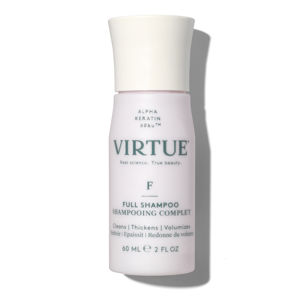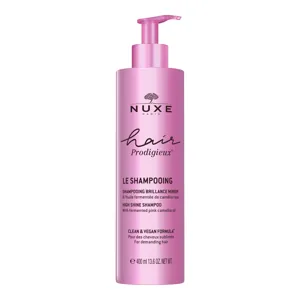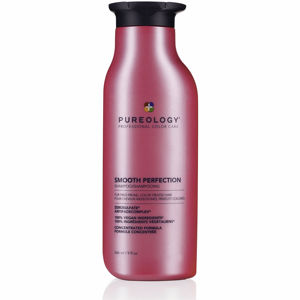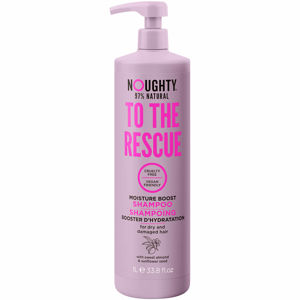
Our price tracker sees moisturising shampoos dominate shelf space across Ireland. They outnumber clarifying and volumising options in most new drops. That suits dry scalps. It confuses anyone with oily roots.
Oily at the crown, parched at the ends. That mix drives most hair decisions here. Women tell retailers they want bounce at the roots and slip through the lengths. Brands respond with creamy shampoos that promise both. Some deliver. Some leave a film and flatten everything by lunchtime.
So, is moisturising shampoo good for oily hair? Sometimes. Used the right way, on the right head, with the right partner products. Used the wrong way, it backfires quickly.
Context: why this question keeps coming up
Across our merchant feed, launches with “hydrating” or “nourishing” labels continue to rise. Irish retailers carry more of them each season. Boots Ireland and Lookfantastic Ireland both lean hard into care-forward formulas. Balancing and “purifying” lines arrive later, or go out of stock faster.
Price spread also fuels the debate. Moisturising shampoos span budget and premium ranges. A drugstore bottle can undercut a salon pick by a wide margin. We often spot the same moisturising claims across tiers. Our advice stays the same either way: check the ingredient list rather than the slogan. And check the price comparison before you check out. We track prices across major Irish retailers so you don’t overpay.
Texture trends add pressure. Heat styling, colour, and our damp climate push many women toward richer care. The scalp, however, still produces sebum on its own schedule. That split creates the classic oily-roots-dry-ends puzzle. A moisturising shampoo can solve it or make it worse. The difference lies in formula choice and technique.
{{IMAGE:woman washing hair in shower}}What counts as a moisturising shampoo?
Brands use “moisturising” loosely. Formulas vary, but most include three building blocks:
- Gentler surfactants that reduce squeaky-clean strip. Sodium laureth sulfate, sodium lauroyl sarcosinate, and amphoteric agents like cocamidopropyl betaine show up often. They lift oil, but cushion the cleanse.
- Conditioning polymers that cling lightly to the hair shaft. Polyquaternium-10, guar hydroxypropyltrimonium chloride, and cationic gums improve slip and cuticle feel.
- Emollients or humectants that add softness. Glycerin, propanediol, panthenol, and low-level silicones like amodimethicone appear in many. Some include plant oils or butters in small amounts.
That mix can suit a scalp that feels tight or reactive. It can also lay a film on an already oily scalp. The difference is dose and placement. You cleanse the scalp. You condition the lengths. Many “moisturising” shampoos blur both jobs in one bottle. For oily roots, that often proves too much.
We rate moisturising shampoo when it focuses on mild surfactants and humectants. We skip it when it leans on heavy butters or oil loads high in the INCI. If the first five to eight ingredients include oils and quats, expect faster build-up at the crown.
Why oily roots and dry ends happen
The scalp makes sebum. Hair length and texture decide how far that oil travels. Straight hair wicks oil through mid-lengths faster. Curls slow that travel, so ends dry out while roots still shine. Add heat tools and winter radiators and you dry the ends even more. The scalp continues its job either way.
Hard or mineral-rich water can also leave deposits on the hair shaft. That film traps oil and styling residue near the root. Dublin and other urban areas swing from soft to moderately hard. A chelating or clarifying step helps at least once a week for many users. It will not fix an over-rich shampoo used on the scalp every wash.
Finally, over-washing can trigger rebound oil. A harsh daily cleanse strips too hard. The scalp responds with a little more sebum to compensate. You then reach for richer products to calm the ends. The cycle repeats. A balanced routine breaks it.
When a moisturising shampoo helps oily hair
Moisturising shampoo can earn its place with oily roots when you use it with intention. We see three clear wins:
- As the second step in a double cleanse. Use a light, scalp-focused wash first to lift oil and product. Follow with a more hydrating shampoo through mid-lengths and ends only. Keep the second lather off the scalp. Rinse well. You get clean roots and comfortable ends.
- On wavy or curly hair that tangles at the crown. Some curls need a little slip in the wash to reduce breakage. A moisturising formula with humectants and lightweight polymers can cut friction. Still, limit scalp contact and rinse thoroughly.
- After colour or chemical treatments. A very mild, hydrating cleanser helps protect the fibre. Balance it with a weekly clarifying wash focused on the roots. Alternate based on feel, not habit.
We also like moisturising shampoos that include scalp-friendly actives. Niacinamide, zinc PCA, and panthenol support the barrier. They help reduce the urge to overproduce oil without a harsh scrub. Avoid versions that add heavy plant oils high in the list. Save those for lengths, not roots.
Shop by formula, not by promise. You can filter and compare across Moisturising & Nourishing Shampoos on GlamGeek. Add top picks to your wishlist, and we’ll ping you when the price drops at Boots Ireland or Lookfantastic Ireland.
When it backfires: residue, flat roots, and itchy scalps
Many women feel greasier within 24 hours when they use a rich shampoo at the scalp. That comes from residue. Here’s how it happens:
- Cationic polymers and conditioning gums cling to hair and scalp. They reduce friction but also grab onto sebum and dust. The scalp can feel coated by day two.
- Silicones like dimethicone add slip but can flatten fine hair at the root. Amodimethicone behaves better but still needs a proper rinse and rotation.
- Oils and butters in a cleanser sit where you lather. If you work them into the scalp, you add occlusion where you already make oil. That shortens your time between washes.
Symptoms include hair that won’t hold volume, a crown that separates into panels, and itching. Many then scrub harder next time. That strips. The scalp reacts. Oil production rises. The cycle continues.
Break it with a reset. Use a clarifying or chelating shampoo on the scalp only. Massage for under a minute. Rinse well. Follow with a lighter conditioner on ends. Then adjust your main shampoo strategy.
If itch persists, check for fragrance overload or sensitising oils. Switch to fragrance-light or fragrance-free options for a few weeks. You can still keep a moisturising conditioner through the lengths.
Build a smarter wash routine for oily roots and thirsty lengths
Technique fixes a lot before you even change products. Try this routine and adjust the steps based on your hair’s response:
- Brush or detangle dry hair to lift roots and remove surface dust.
- Wet thoroughly. Most people under-wet. Water does the heavy lifting.
- First cleanse: use a scalp-focused shampoo. Emulsify in hands before applying. Massage the scalp for 30–45 seconds. Rinse.
- Second cleanse: if you want more comfort, use a moisturising shampoo. Apply from ear level to ends. Skim any leftover lather near the scalp for seconds only. Rinse until the water runs clear.
- Conditioner: apply from the ears down. Clip hair up and leave it while you finish your shower. Rinse well.
- Final rinse: cool water helps with feel. It won’t close cuticles like a miracle, but it can reduce friction.
Space washes as your scalp allows. Many oily scalps like every other day with a weekly clarifying step. Some manage daily washes if formulas stay gentle. If you use dry shampoo, treat it as styling. Clarify once a week to avoid build-up.
Pick a light conditioner or spray for the ends. Browse Moisturising & Nourishing Conditioners and compare textures. Mists and milky sprays often suit fine hair better than thick creams. Keep all of it off the scalp.
{{IMAGE:close up of shampoo lather on woman’s roots}}Ingredients to look for — and ones to skip at the scalp
We track formulas as closely as prices. Patterns emerge. Here are the ingredients that tend to help oily scalps, and the ones that tend to weigh them down.
Good bets for oily roots
- Zinc PCA: helps manage oil and supports the scalp barrier without harshness.
- Salicylic acid: helps loosen oil plugs and lifts build-up. Check for low percentages in shampoos.
- Niacinamide: supports scalp health and can reduce dryness-triggered reactivity.
- Mild surfactant blends: look for combinations of sodium laureth sulfate or sarcosinate with betaines. They cleanse without a squeak.
- Lightweight humectants: glycerin and panthenol add comfort without oil.
Best kept away from the scalp
- Heavy oils and butters: shea butter, coconut oil, and cocoa butter weigh down roots when used in a cleanser.
- High-load conditioning polymers: polyquaterniums and cationic guar sit nicely on lengths, but build up fast at the crown.
- Rich silicones: dimethicone and trimethicone can flatten fine hair if they sit near the roots. Amodimethicone feels lighter, but still rotate.
If you want richness, use it where you need it. Add an intensive mask to the last 10–15 cm of hair once a week. Keep the scalp routine clean and light. You’ll balance better that way.
You can compare textures and claims across Hair Masks and snag a discount when our tracker spots one. Add favourites to your GlamGeek wishlist for alerts.
The Irish market: what sells, what to try, and price notes
Oily scalp care arrives in waves in Ireland. Salon favourites land first on pro sites. High street options often follow. Some UK or US lines never cross, or arrive months later. If a TikTok-fuelled launch has not hit Boots Ireland yet, chances are you can still find an Irish-fulfilled alternative with similar actives.
Budget buys often punch above their weight. Lines from Garnier and L'Oréal include clay-based or balancing shampoos that pair well with a lightweight moisturising conditioner through the lengths. Watch for “clay”, “purifying”, or “balancing” on the labels. Then match with a hydrating partner that steers clear of heavy oils.
Salon-led care targets the split more precisely. Kérastase has balancing shampoos that keep roots clean while you treat ends with richer masks. Lookfantastic Ireland often carries bundles or limited sets, while local pharmacies focus on core bottles. Our tracker sometimes flags a better price on a duo than on singles. It’s worth checking before you buy.
Naturally leaned brands sell lighter, scalp-friendly washes too. The Body Shop tea tree and ginger lines skew refreshing rather than creamy. They pair well with a separate moisturising conditioner applied only to lengths. If a favourite is out of stock in Ireland, set a GlamGeek wishlist alert. We’ll notify you once a local retailer brings it back.
Stock fluctuates across Boots Ireland, Lookfantastic Ireland, McCauley, and Meaghers. We watch it daily. Use our comparison to see who lists what, and whether a UK retailer shipping to Ireland beats the local price after delivery. Sometimes it does. Sometimes local wins once you add shipping and returns ease.
Step-by-step: an edit for common oily-hair scenarios
Fine, straight hair that goes flat at the crown
- First cleanse: a light, balancing shampoo. Massage the scalp for under a minute.
- Second cleanse: skip or use a very light moisturising shampoo from mid-lengths down.
- Conditioner: choose a spray or light milk. Keep it off the root by at least 5 cm.
- Weekly: clarify once. Use a chelating option if you notice hard-water film.
Wavy hair with oily roots and frizzy ends
- First cleanse: balancing shampoo focused on the scalp.
- Second cleanse: moisturising shampoo through mid-lengths and ends. Rinse well.
- Conditioner: richer cream on the last third of your hair. Detangle gently, then rinse.
- Weekly: mask the ends only. See options across Hair Masks.
Curly hair with oily scalp
- Cleanse: alternate a mild moisturising shampoo and a low-foam cleanser. Always focus rich lather away from the scalp.
- Conditioner: generous, but keep it at ear level and below.
- Scalp care: include a salicylic acid scalp wash once a week to lift build-up.
In every case, adjust wash frequency to how your scalp behaves. A routine that keeps the scalp clear and the ends comfortable will outlast any trend-led rule.
Clarifying and chelating: when to reset
Oily hair often needs a scheduled reset. Clarifying shampoos use stronger surfactants to cut through film. Chelating versions add agents like EDTA or phytic acid to bind minerals. Use them on the scalp area when roots feel coated, when hair goes dull, or when dry shampoo builds up fast.
Do not clarify every day. Once a week suits many. Twice a month can work for drier textures. Follow with a moisturising conditioner or mask on the ends, not the scalp. Rotate back to your lighter pair the next wash.
If colour fade worries you, pick a clarifier that states colour-safe on pack. Pair it with a quick cool rinse and a leave-in on the lengths. The goal is a clean crown and soft ends, not a weekly strip.
Leave-ins, dry shampoo, and styling that won’t undo your wash
Leave-in hydration can replace a heavy wash if you keep it to the lengths. Choose milky sprays or light creams. Avoid oils near the crown. They migrate upward and collapse volume by midday.
Dry shampoo helps space washes, but it needs removal. Treat it like styling powder. Use a small amount, massage well, and brush out. Clarify once a week to prevent the mix of starch and sebum from forming a stubborn film.
Heat styling can increase oil spread at the crown. Lift roots with tension and airflow rather than heavy products. A round brush and cool shot do more for volume than a root-lifting cream on an oily scalp. If you need grip, use minimal mousse at the mid-lengths and blow-dry upside down for 30 seconds.
Reading labels: quick checks that save you money
Scan the first third of the ingredient list. If oils, butters, or heavy silicones sit there, treat that shampoo as a conditioner-in-disguise. Use it on lengths only. If you see mild surfactants, humectants, and a light conditioning polymer or two, that can live near the scalp for some heads.
Spot claims like “balancing”, “purifying”, and “oil control”. These signal surfactant choices and actives that suit the crown area. Pair them with a separate hydrator for ends. You can compare options in Moisturising & Nourishing Shampoos and then add a matching pick from Moisturising & Nourishing Conditioners.
Brand families also help. L'Oréal and Garnier often split ranges into oily-scalp and dry-lengths lines. Kérastase targets oily scalps with salon-led tech while letting you choose richer masks for lengths. Check our price tracker before you buy. We’ve seen spreads between pharmacies and online-only stores in the same week.
What this means: the short answer to our big question
Is moisturising shampoo good for oily hair? Yes, when you use it as part of a split routine. Keep the scalp cleanse light and focused. Keep hydration on the lengths. Many women will do best with a double-cleanse approach. First wash near the scalp, second wash through mid-lengths and tips. Rinse well. Rotate in a weekly reset.
Skip moisturising shampoo at the scalp if your roots fall flat within hours, if itch worsens, or if residue builds fast. In that case, pick a balancing cleanser with scalp-friendly actives and move the moisture to your conditioner or leave-in. Your hair gains more from targeted steps than from an all-in-one promise.
We track both formulas and prices so you can shop smarter. Browse care by need, not by slogan. Use GlamGeek’s comparison tools across Moisturising & Nourishing Shampoos, Conditioners, and Hair Masks. Add favourites to your wishlist and get notified when an Irish stockist drops the price.
Tell us how your scalp behaves
Do moisturising shampoos help your routine, or do they tank volume by lunchtime? What brands strike the right balance on your hair, and which ones coat too much at the crown? Share your wins and misses. We’ll fold the best tips into our next update and keep tracking the deals so you can buy smart.