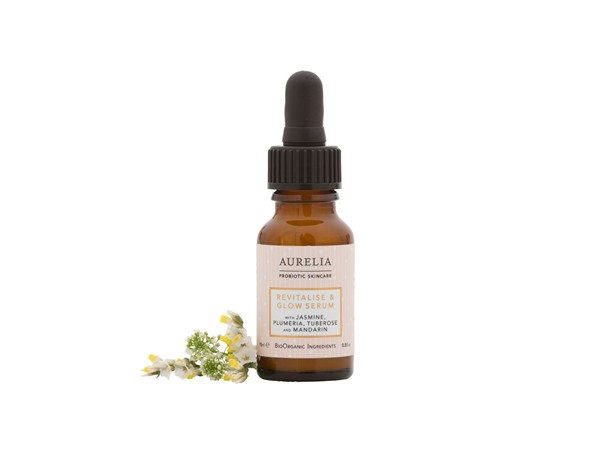

Our product feed in Ireland shows more green leaves, “planet-friendly” badges, and eco buzzwords on beauty pages than ever. Retailers love a calming sage label. Shoppers do too, until the claims crack on closer reading.
Brands can cut plastic and carbon. Some do. Others lean on vague promises and pretty bottles. The trick is telling which is which when you stand in Boots or scroll a product page at midnight.
This guide sorts signal from noise. We map the red flags, decode the logos, and suggest better buys. We also point you to where GlamGeek’s data can help you pay less for the products that live up to their claims.
Context: why green claims feel louder in 2026
Beauty marketing has shifted fast. Over the last two years we tracked a rise in “eco”, “planet positive”, and “clean” tags across major Irish retailers. Brands push refills, lighter caps, and “responsible” sourcing. Some of this is progress. Some of it sells the feeling of progress.
Policy pressure keeps building. Ireland banned plastic microbeads in rinse-off cosmetics in 2019, which removed a common pollutant. A national deposit return scheme for drinks packaging arrived in 2024. EU consumer rules continue to tighten claims and substantiation. From the middle of this decade, generic green slogans without proof face tougher scrutiny across the bloc.
Supply chains also shifted. Droughts affected botanical crops. Shipping costs swung. Recycled plastic availability rose and fell with oil prices. That volatility shows up on shelf as “limited batches” and material swaps. It also tempts flimsy claims. When materials jump, some brands reach for the nearest green sticker to keep the mood upbeat.
Meanwhile, Irish shoppers want value first, then impact. Our price tracker shows that promotions still drive most clicks. Green claims help a brand stand out, but a strong discount closes the sale. That mix shapes how the industry talks to us in 2026: a little science, a lot of spin, and plenty of bold type on the front of pack.
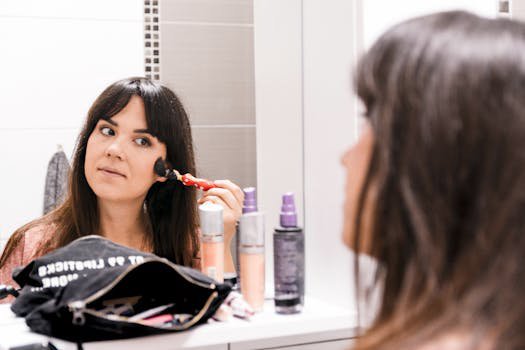
{{IMAGE:irish woman checking beauty product eco labels in a chemist}}The seven red flags of greenwashing on Irish shelves
Not every leaf icon lies, but some patterns repeat. When you scan a label or product page, watch for these traps. One red flag does not prove bad faith. Three or more should slow your roll until you find evidence.
Red flags we keep seeing:
- Vague language. “Eco-friendly”, “planet safe”, “clean”, “conscious”. None of these mean anything on their own. Look for specifics: a percentage recycled content, a third-party logo, or a defined target.
- Self-made badges. A circular green logo with a made-up name and no audit behind it. If a brand invented the seal, it carries the weight of a press release, not a standard.
- Nature stock photos. Leaves, water droplets, grains of sand. Pretty, but not proof. Marketing teams can buy the same images as everyone else.
- Irrelevant claims. “Vegan” on a hairbrush. “Cruelty-free” on a product sold in markets that still require animal tests by law. “No parabens” on a rinse-off that never used them anyway. It distracts from what matters.
- Hidden trade-offs. A glass jar that weighs three times more than plastic. A heavy cap to feel luxe. An aluminium bottle with a plastic pump you cannot recycle. The full package matters, not one nice material.
- Biodegradable without context. In what conditions? Industrial compost? Home compost? Irish bins do not send cosmetic packaging to compost. In landfill, most “biodegradable” plastics behave like regular plastics.
- Carbon promises with no plan. “Net zero by 2030” sounds heroic. Where is the interim target? What share comes from cuts versus offsets? If the plan lives on one slide, treat it as wishful thinking.
We like brands that show their homework. A short sustainability page with supplier lists, material breakdowns, and a dated report beats a moodboard every time.
Decoding logos: B Corps, Leaping Bunny, FSC and friends
Logos help when they come from third parties with rules and audits. They do not guarantee perfection. They do cut through fog.
Useful marks you may see on Irish shelves:
- B Corp. This certifies a company’s governance and social and environmental impact. It covers the business, not a single lipstick. It gets reviewed on a cycle, with a minimum score required. It can push better policies, but it does not vet every formula.
- Leaping Bunny/Cruelty Free International. This audits supply chains for animal testing. Beauty sold in Ireland can carry it. It does not speak to environmental impact, just testing.
- FSC/PEFC. These marks cover paper and cardboard from responsibly managed forests. Useful on cartons and paper gift sets. They say nothing about the jar or pump inside.
- RSPO (for palm-derived ingredients). Look for “RSPO certified” or “Mass Balance”. It signals some control of palm supply impacts. It is complex and not flawless, but better than silence.
- Nordic Swan/EU Ecolabel. Harder to earn. These focus on lifecycle criteria, from chemicals to packaging. You will see them more on hand washes and household products, less on prestige skincare.
Logos to treat with caution: any brand-invented seal or a “dermatologist approved” stamp with no linked study. If a site shows a logo, it should also link to the cert body and spell out scope and dates.
We track brand pages that explain this well. Some large groups like L'Oréal publish detailed packaging roadmaps. Some prestige houses, including Lancôme and Guerlain, now mark refillable lines clearly. Always check the actual SKU in your basket. The logo might apply to the range, not your exact shade or set.
Ingredients claims that mean less than you think
“Free from” lists often sell fear, not facts. A few common examples deserve pushback:
Paraben-free. Parabens have a bad reputation online. Regulators allow specific parabens at low levels because they work well as preservatives. If a product avoids them, it will use other preservatives. Those may not be gentler. Judge the full INCI list and the product type, not one family of molecules.
Silicone-free. A silicone-free shampoo can feel lighter. A silicone-free primer can pill less with certain sunscreens. Environmental claims here get fuzzy. Some silicones persist. Others break down faster. The word “silicone” does not settle this. Choose based on performance and wash-off behaviour. For hair, look at how it rinses and how often you use it.
Natural or botanical. Poison ivy is natural. Petrolatum is not, but it seals moisture very well and gets strong safety backing. A serum that calls out a plant extract tells you very little about dose or efficacy. Ask for percentages or clinical data if performance claims look lofty.
Microplastic-free. Ireland already bans microbeads in rinse-off cosmetics. Leave-on products may still contain polymers for texture or film-forming. The science and law here evolve. If a brand makes a sweeping polymer-free claim, check the fine print and date. Look for a current definition and an ingredient list that supports it.
If sensitivity drives your choice, filter by formula goals rather than fear words. Our category pages for Liquid Foundations and Day Face Moisturisers help you sort by finish, SPF, and skin type. Add shortlisted options to your wishlist and we will ping you when the price drops.
Packaging truth: recycled, recyclable, compostable in Ireland
Packaging claims make or break a product’s footprint. The catch: Irish bins and sorting lines set the rules, not the press release.
Recycled content. This tells you what went into the pack, not what will happen next. Post-consumer recycled (PCR) plastic reduces demand for virgin plastic. It can look grey or speckled. That is fine. A clear claim should say “x% PCR in bottle” and name the part. Caps and pumps often remain virgin plastic for performance reasons.
Recyclable. Most Irish kerbside collections accept clear PET bottles and HDPE. Pumps, droppers, flexible pouches, and mixed materials rarely get recycled. A glass jar sounds greener, but heavy glass can raise transport emissions. Your local bin does not sort tiny items well either, so mini bottles and sample sachets often miss the system.
Compostable and biodegradable. Irish councils do not accept cosmetic packaging in food waste bins. “Home compostable” tubes still need oxygen, warmth, and time. Your bathroom bin will not deliver that. This claim can still suit wipes under specific compost schemes, but most wipes go to general waste. Treat this word with scepticism unless the brand provides clear Irish end-of-life guidance.
We rate clear disassembly instructions. “Twist off pump, recycle bottle, place pump in general waste” sets real expectations. We also like spare pumps sold separately, so you can reuse one pump across multiple refills. Some salon haircare brands, like Kérastase, offer refill pouches and reusable bottles for certain lines. Check the exact product page to confirm availability in Ireland.
GlamGeek tracks stock across Boots Ireland, Brown Thomas, Arnotts, McCauley, Meaghers and Lookfantastic Ireland. Compare packs and refill options side by side before you buy. You will often find the greener option on promo if you give it a week and hit “add to wishlist”.
{{IMAGE:flatlay sustainable beauty products in an Irish bathroom with a woman's hands}}Carbon and climate claims: neutral, net zero, and offsets
Carbon language confuses by design. Here is a fast filter that keeps you from buying a story.
- Neutral means offsets. If a product says “carbon neutral”, it usually adds up lifecycle emissions then pays for projects elsewhere. Offsets vary in quality. Avoid claims that rely on forests with short contracts or unclear baselines.
- Net zero needs cuts. A net zero plan should show deep absolute cuts by a set year, then light offsets for leftovers. We want interim targets and scope coverage. Scope 1 and 2 (operations and energy) cuts help. Scope 3 (supply chain and use) matters more in beauty.
- Product-level maths raise risk. A single tube involves complex supply webs. Claims at brand level carry fewer variables. If a product page includes a per-use carbon figure, check the method and date. Old data ages fast.
Real progress looks boring. It sounds like “we cut bottle weight by 18%”, “we switched to PCR caps”, or “we moved filling to Europe to shorten freight”. It lands in an annual report and then you see changes on shelf. If a brand leads with travel-planting photos and no metrics, reframe the claim as a mood.
When we compare across our merchant feed, we also look at size. A “neutral” 30 ml serum in a heavy box can out-pollute a basic 100 ml bottle with no claim at all. Bigger formats, simpler pumps, and fewer boxes often cut emissions without fanfare. If you see a larger format for your daily cleanser, grab it when the price dips.
Refillable and bulk buys: when they help, when they don’t
Refills can slash waste, but not all refills earn their keep. Ask three questions before you invest in a system.
One: how many refills until impact breaks even? A heavy glass jar with a metal lid can need several refills to beat a light plastic jar. If you plan one purchase a year, skip complex hardware. Two: is the refill widely sold in Ireland? Refill stations and pouches matter only if you can find them at Boots, Brown Thomas, or Meaghers when you run out. Three: does the brand sell spare parts? A cracked pump should not force a full repurchase.
Perfume now leads on refills. Houses such as Guerlain and Lancôme offer refills for select lines. The refill costs less per ml and cuts glass and metal. Check stock and atomiser compatibility before you commit. Some counters refill in-store. Others sell large bottles you decant at home.
Shower and hair do well with bulk. Liter bottles and salon pouches reduce plastic per wash. You can compare across our Moisturising & Nourishing Shampoos and matching conditioners. Save your favourite to your wishlist and we will alert you when Lookfantastic or McCauley runs a brand-wide deal.
Colour cosmetics rarely suit refills unless you use them daily. Refillable lipsticks look chic, but shells can weigh a lot. Eyeshadows crack. Palettes go out of fashion. Spend your refill energy on products you drain: cleanser, body wash, shampoo, SPF, and your go-to foundation shade.
SPF, “reef-safe”, and Irish weather — facts vs spin
Sun protection sits at the top of most routines. Irish weather feels soft, but UVA still hits skin all year. That means daily SPF on the face and neck. Marketing around “reef-safe” or “ocean-friendly” pulls at the heart, but laws and science stay nuanced.
There is no global legal definition of “reef-safe”. Some markets ban specific UV filters in water near reefs. Ireland does not. Filters allowed in the EU must meet strict safety reviews. If a brand calls out “no oxybenzone” or “no octinoxate”, that aligns with some local bans abroad. It does not crown the product as harmless to all marine life everywhere.
Mineral filters like zinc oxide and titanium dioxide can work well, but texture varies. Nano and non-nano forms behave differently in water and on skin. A blanket claim skips that detail. For greener choices, think about usage. Choose a formula you apply in the right amount. A lovely tube you underuse helps nobody.
Browse our SPF Protection Products to compare textures and filters. We list offers across Boots Ireland, Arnotts, and Lookfantastic Ireland. Add a couple to your wishlist. You will get a nudge when prices drop, and you will use SPF more if you like how it feels.
What to buy instead: credible switches that cut fluff
We will not tell you to bin your entire routine. Small swaps add up. Focus on products you finish fast and categories with clear impact.
Good targets:
- Cleanser and body wash. Look for larger formats, PCR bottles, and pumps sold separately. Fragrance level matters less for waterway impact than disposal and size. Aim for efficient rinsing to save water.
- Shampoo and conditioner. Bulk buys or refill pouches can shine here. If your salon brand offers a 500 ml or 1 litre, track it on GlamGeek and wait for a code.
- Foundation. Pick your shade and stick with it. Switching monthly multiplies waste. Our Liquid Foundations page lets you filter by finish and coverage so you land on a long-term match.
- Perfume. If your favourite comes in a refill, consider it. Refill at a counter or buy the home refill. Mind the atomiser and cap, which often do not recycle.
Brands to watch for clarity and scale. Large groups like L'Oréal now publish pack weight cuts and PCR targets. Mass brands such as Garnier label Leaping Bunny status and PCR content on pack. Clinics and counters vary by SKU, so always check your exact bottle. On skincare, long-time staples from Clinique show incremental packaging tweaks rather than grand claims. That quieter approach often signals real engineering work.
If a product you love does not tick green boxes, use it fully and recycle what you can. Waste from half-used bottles outweighs any claim on the label. GlamGeek helps you keep costs down so you do not abandon a bottle mid-way for the next shiny promise.
How retailers in Ireland frame the green story
Irish retailers highlight eco filters and icons. Some show recycled content, vegan status, or refill availability right on category pages. Others tuck it away under “details”. We see faster adoption of “refill available” tags for perfume and haircare online than in-store. If you shop in person, scan the barcode and read the product page before paying. You will often find the hidden refill link there.
Cross-border shopping adds noise. UK sites sometimes ship to Ireland with one set of green claims while Irish sites show another. Regulations differ in wording. Packaging lines also differ by region. If a refill exists in the UK but not here, you may wait months for it to land. Our tracker flags stock in Ireland first. If a UK site lists a cheaper or greener variant, weigh shipping emissions against the reality that you might never get the refill locally.
Boots Ireland, Brown Thomas and Arnotts now run eco edits. These help you shortlist. Do not let a curated page stop your questions. Click through to the actual pack shots. Read the recycling section. Look for those specific numbers. If you cannot find them, the claim likely leans on mood.
Claims under the microscope: how to read a product page
We use a five-minute audit when a green claim catches the eye. It works on luxury serums and budget shampoos alike.
- Scan the headline claim. Vague or specific?
- Look for logos. Third-party or brand-made?
- Check the materials. Bottle, cap, pump, box, and any insert.
- Read the size and compare formats. Is there a larger bottle or a refill?
- Hit the ingredients tab. Any fear-based “free from” row without context?
- Search for a sustainability page with a date and metrics.
- Compare across retailers. Do all list the same claim? If not, treat it as marketing drift.
Then do one practical step: add your top two contenders to your GlamGeek wishlist. We track prices across Boots, Brown Thomas, Arnotts, Meaghers, McCauley, and Lookfantastic Ireland. Most products drop in price within weeks. A patient switch saves money and waste.
Spot the genuine premium: when higher price makes sense
Eco claims often mask a higher price. Sometimes the premium funds real changes. Other times it buys a thicker box. Here is when we think the extra spend adds value:
- Refills that actually cut waste and cost. If the refill undercuts the original per ml and saves glass or pumps, pay it once and bank the saving long term.
- Stronger actives with clear dosing. If a serum lists exact percentages and shows clinical data, the efficacy may prevent you from buying three weaker bottles.
- Packaging that travels lighter. Airless light plastic with PCR beats heavy jars in freight. Feel less luxe? Your shelf will forgive you.
On the flip side, skip heavy limited editions with trinkets. Gift sets with mirrors, chains, or non-recyclable extras look cute and drive waste. If you love a set from counters like Clinique or prestige houses, choose the one with simple cardboard and fewer inserts. Keep your euros for formula, not fluff.
What this means for your routine — and your wallet
No routine turns “perfectly sustainable”. The goal is smarter. Buy fewer, better, and finish what you open. Favour formats you drain. Favour details you can verify: PCR percentages, weight cuts, refill availability, third-party marks, and dated reports. Treat big green words as decoration until proven otherwise.
Lean on data. Our comparison shows that the greener SKU often sells for less somewhere in Ireland at any given time. When you find a refill or larger size, add it to your wishlist. We will alert you when Boots Ireland or Lookfantastic Ireland drops the price. If a UK site lists it cheaper, factor shipping and the chance the refill never lands here. Ask retailers about take-back schemes for pumps and empties. Some counters accept returns; some do not. The answer changes by month and by store.
Above all, buy what you will use to the last drop. That does more than any front-of-pack leaf.
Your move
Have you spotted a green claim that did not stand up to scrutiny? Which refills actually worked for you in Ireland? Tell us the brand, the retailer, and the claim you want checked next. We will pull the receipts, compare across our feed, and update this guide with the facts — and the best price.