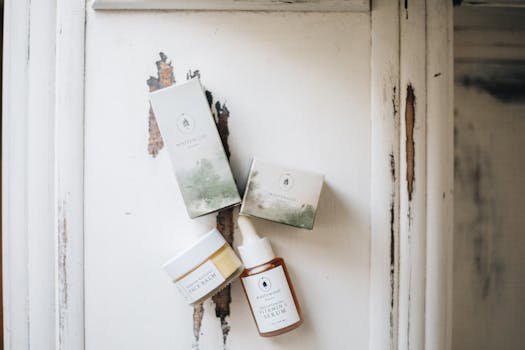
Our price tracker shows something clear. Refill formats now show up more often on Irish shelves than they did two years ago. Counters push fragrance refills. Haircare brands sell pouches and aluminium bottles. Makeup now offers refillable bullets and pans.
That shift matters. Refill claims can save plastic. They can also hide poor value. We looked across Irish retailers and our merchant feed. We pulled out the formats that make sense and the ones that overpromise.
We focused on options that Irish shoppers can buy without faff. Boots Ireland, Brown Thomas, Arnotts, McCauley Pharmacy, Meaghers Pharmacy, and Lookfantastic Ireland all stock some kind of refill. Some wins feel clear. Others need a calculator and a cool head.
Why refills now, and why in Ireland?
Retailers push lower-waste packaging. EU rules push brands to cut single-use plastic. Irish shoppers care about waste. We also face higher shipping and duty on some UK orders. That mix drives brands to offer refills locally. Our feed shows more refill SKUs against core bestsellers since 2023. Fragrance led early. Skin and hair now follow.
The Irish climate also shapes choices. We live with damp air, mild temperatures, and very little sun most months. We still need SPF. We also use more shampoo and body wash than holiday minis cover. Refillable formats can help here. You top up at home. You avoid a bin full of empties.
But not every refill saves money. We check cost per millilitre across retailers weekly. Some refills cut plastic but fail the value test. Some refills even cost more than a full bottle in a gift set. Use our product pages to compare sizes and pricing across stores. Add the item to your wishlist and we will ping you when the price drops.
{{IMAGE:Irish woman shopping beauty refill counter}}Refill fragrance at the counter: the simplest switch
Refillable fragrance built the trend. Counters in Brown Thomas and Arnotts now refill several women’s lines. You bring your bottle. They top it up. You pay for the fragrance, not a new bottle and cap.
Lancôme Idôle offers refills at many counters. Staff refill your original bottle from a fountain. You save glass and a pump each time. The refill usually beats boxed-per-millilitre prices. Our tracker shows a frequent gap. Look for in-store events around Christmas and Mother’s Day. Counters often run refill promotions then.
Guerlain also backs refills. Its Aqua Allegoria line uses larger refill formats. You pour into the decorative bottle at home. The refill costs less per millilitre in most listings we review. You keep the pretty bottle on your dresser. Many shoppers rate the bottle enough to keep it for years. That feels like real waste cut.
Diptyque now sells candle refills and also offers refills for its hand wash and select fragrance travel sprays. Brown Thomas lists these lines. You slot the wax into a reusable glass shell for candles. You keep the heavy glass. Check our category pages for Perfumes and Home Fragrance to compare which retailer holds stock that week. Stock swings a lot after payday and gifting holidays.
Lipsticks and palettes that refill without fuss
Makeup refills work when the mechanism clicks in cleanly and brands keep shades in stock. Cases should last. The refill should cost less than the full product. Many brands now meet that bar, with different styles.
Charlotte Tilbury sells refillable bullets for several lipstick lines. Buy the case once. Replace with the shade refill next time. That cuts metal and plastic. It also lets you keep a favourite case design. Our feed shows steady shade availability on core colours. We still see gaps on limited editions. If you love a seasonal shade, buy a back-up or save the refill page on GlamGeek and we will alert you if it comes back.
Guerlain Rouge G offers a premium route. You choose a case and slot in the refill. Refills for Rouge G often price under the case-plus-bullet bundle. Counter teams in Brown Thomas can assemble it for you. The mirror case lasts for years if you treat it gently. That split purchase spreads the cost over time.
Eye shadow refills also score well. MAC sells single-pan refills that drop into empty palettes. You build a custom palette. You replace one pan at a time. That stops you from binning plastic when one shade runs out. Check our Eye Shadow Palettes category to track which sizes and pans Irish retailers hold. We often see price spreads on single pans across stores. That swing can make a real difference for a six-pan build.
Skincare pods and jars: where refills start to pay
Skincare refills look simple at first. They often come as an inner pod that snaps into a jar. That pod format keeps air exposure low. It also keeps the glass or acrylic outer jar on your shelf. The key question: does the pod cost less than buying a new jar?
Two ranges perform well in Ireland. Shiseido offers Ultimune refills. You buy the main bottle once. Then you buy a sealed pod that locks in. Pods usually price below a full bottle in our weekly scans. You also cut weight, which helps on shipping. Irish retailers hold steady stock of core sizes. Limited editions move fast, so use our wishlist alert if you track a specific volume.
Lancôme now sells refill pods for some creams, including Rénergie HPN 300-Peptide Cream. You keep the jar and slot in a new inner. This reduces plastic and protects formula integrity. We rate this switch because Rénergie sits in the higher price tier. The refill saves money most weeks. When gift sets hit in November, you should still compare. Sets can undercut the pod on a per-millilitre basis for a few weeks.
Serums and treatments change faster than moisturisers. Some brands announce refillable packs and then roll them out months later in Ireland. We see lags between UK press launches and Irish listings. Always check the Irish SKU name and volume on GlamGeek before you assume a refill arrived here. Our Anti Ageing Face Serums page groups sizes and stock across major Irish retailers.
Haircare pouches and aluminium bottles: easy wins in the shower
Shower space often fills with plastic bottles. Haircare refills can make a big dent there. Brands now sell sturdy aluminium bottles and soft pouches. You buy the bottle once. You top it up with a pouch. You save plastic weight and bin space.
Kérastase leads here. Several Bain shampoos come in refill pouches. They pair with an aluminium pump bottle that looks tidy on a shelf. Our feed shows wide stock at Irish salons and online retailers. Pouches beat the per-millilitre cost of standard bottles most weeks. Watch multi-buy offers though. A two-pack of bottles sometimes creeps lower than a single pouch. We flag these swings on product pages when retailers run promotions.
Mass brands follow with trial pouches in mainland Europe. Irish stock still feels patchy. L'Oréal and sister brands test pouches in some lines. We see launches appear in the UK months earlier at times. If you spot a pouch on a UK site with Irish shipping, weigh the delivery cost and duties. The price advantage can vanish once you add fees. Save the product on GlamGeek and set a price drop alert before you order abroad.
Conditioners also come in refill formats. Check bottle neck sizes before you pour. Many leaks happen at this step. Place the bottle in the shower caddy. Keep the pouch upright. Snip a small opening and squeeze slowly. A funnel helps. Warm the last bit in your hands and decant that too. You get every drop into the bottle.
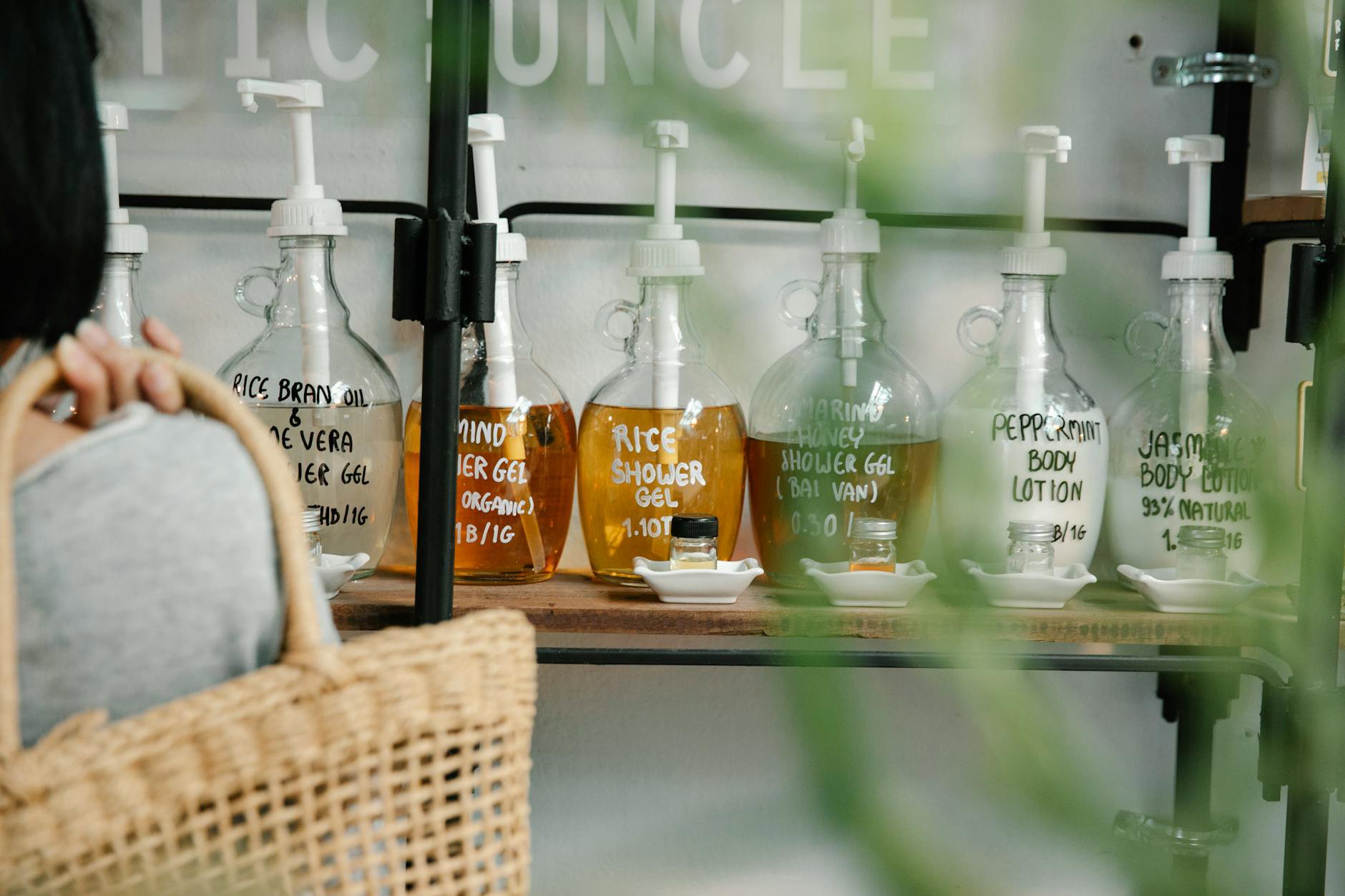
{{IMAGE:woman refilling shampoo bottle at store}}Body and hand wash: refill stations and big bottles that actually work
Hand wash and body wash go fast in Irish homes. Refill formats make strong sense here. You keep the pump and refill the container. You save plastic and money over a year.
Diptyque sells hand wash refills in Ireland. Brown Thomas lists them during most of the year. These refills cut glass waste. They also keep your sink tidy if you love the heavy bottle. On value, Diptyque sits in the premium tier. The refill still costs less than a boxed bottle. You also avoid a new pump each time.
The Body Shop rolled out an aluminium bottle refill scheme across select stores. Several Irish locations offered it in past seasons. Store changes in 2024 created some gaps. Check the Irish store locator before you plan a trip. The in-store refill saves most plastic. It also lets you choose fragrance and format on the day. Bring your clean aluminium bottle. Staff can advise on the best match for dry or sensitive skin.
Big shower gel bottles can also serve as a “refill” if the brand does not sell a pouch yet. Look for pump sizes in our Shower Gels & Body Washes category. Compare the per-millilitre cost to standard bottles. Many mass brands deliver a clear saving this way. Keep an old mini and top it up for the gym. That stops a stream of travel minis from the bin.
Makeup compacts, bronzers and pans: refill where it counts
Makeup compacts give easy refill wins. You can swap the product pan and keep the mirror case. That cuts waste and keeps your favourite hardware. It also reduces handbag clutter when you stay loyal to one compact.
Charlotte Tilbury sells a refillable Airbrush Bronzer. You pop the pan out and slot a new one in. The refill costs less than the full compact in most Irish listings we track. The case stands up well to daily use. That mix earns a yes from us. We also see seasonal sets that bundle a refill with a mini brush. Check our price comparison before you buy. Bundles sometimes offer better value than stand-alone refills.
MAC offers Pro Palette compacts with magnetic inserts. You can build face and eye kits with refill pans. That approach beats buying multiple fixed palettes. It also slashes repeat packaging. Tap our Eye Shadow Palettes page and filter by singles and refills to see current Irish stock.
We rate pan refills over cushion refills in Ireland right now. Cushion compacts feel chic, but refill stock runs hot and cold here. If you wear a specific shade, buy backups when you see them on our merchant feed. Or choose a classic pressed powder with reliable refills instead.
SPF and daily basics: reduce waste without giving up protection
SPF matters in Ireland. The sun hides. UV does not. Many women prefer a moisturiser with SPF on grey days and a dedicated SPF on bright days. True refillable SPF formats remain rare. You can still cut waste with smart choices.
Pick a daily moisturiser in a refillable jar when a brand offers it. Then pair it with a separate SPF in a tube. Tubes usually recycle more easily than mixed plastic pumps. Check our SPF Protection Products category and favour larger sizes when you know you will finish them. We see strong value on larger pumps during spring promotions.
If you love a tinted base with SPF, look at classic formats with dependable stock. Our Liquid Foundations category tracks shade ranges and pricing across Irish retailers. We do not see many refills yet in this space. So focus on brands that offer recycling or Back-to-Brand take-back in-store. That still reduces waste, even without a refill pod.
How to check a refill’s real value
Refill branding can confuse. Some packs say “eco” but hide a higher price per millilitre. Some launch with a refill pod, then drop it months later. Do a quick check before you switch.
Start with per-millilitre cost. Our product pages line up the sizes and prices across Boots Ireland, Brown Thomas, Arnotts, McCauley Pharmacy, Meaghers Pharmacy and Lookfantastic Ireland. You will often see a several-euro gap between stores. Refills usually win. Not always. Gift sets and multi-buys sometimes beat pods and pouches for a short window.
Then check the hardware. Does the brand sell the case and the refill consistently in Ireland? Ask counters in Dublin and Cork about ongoing stock. Scan reviews for comments about fit and leaks. A refill that rattles in the case will annoy you all year.
Cleaning, storage and refill hygiene
Refill formats only work if you handle them right. Keep things clean. Avoid water in pods. Avoid bacterial growth. A few quick steps help.
Rinse and dry cases before you slot in a new pod. Use warm water and mild soap. Let everything dry overnight. Do not wipe inner pods with cloth fibres. They can shed and end up in product. For perfumes, rinse the atomiser with a touch of high-proof alcohol if you change juice. Let it air dry fully before you refill.
Store refills away from heat and sunlight. The Irish climate stays mild, but radiators and sunny windowsills still cause issues. Heat can thin formulas. Light can degrade actives like vitamin C. Keep spare pods in a drawer. Seal pouches with a clip once opened and use them within a few months.
Where refills still lag in Ireland
Some categories lag. Concealer, mascara and many primers still come in fixed packaging. We do not see credible refill systems for these yet in Ireland. Brands focus on recycling programmes instead. Watch Clinique counters and MAC for periodic take-back schemes. Terms change by season. We track offers on product pages when stores publish them.
We also see delays between UK or US refill launches and Irish stock. Press announces a refill pod. UK stores list it first. Irish listings follow later. That gap can run for months. If you want a new refill fast, consider ordering from a UK retailer that ships to Ireland. Weigh the final cost once you add shipping and fees. Our price comparison helps here. Save the UK product page on GlamGeek. We will alert you if an Irish retailer adds stock at a better total cost.
Brand-by-brand: quick yes, maybe, no
Our view today across frequent Irish refills:
- Yes: Lancôme Idôle counter refills, Guerlain Aqua Allegoria refills, Kérastase shampoo pouches, Charlotte Tilbury refillable bronzer and lipstick bullets, Shiseido Ultimune pods.
- Maybe: Eye and face palette refills when you commit to a compact system like MAC. Measure the real per-pan saving. Check you will use each shade.
- Not yet: Most mascaras, many concealers, and some primers. Focus on recycling and long-wear formulas to cut churn.
How to use GlamGeek to save both waste and money
We track prices across major Irish retailers daily. We also monitor stock on refill SKUs. Use that data. Pull up the brand page, then filter for refill or pod formats. Check price-per-millilitre against standard packaging.
Add the product to your wishlist. We will send a price drop alert. That helps with fragrance fountains and refill pods that drop during promotions. We also flag multi-buy and gift set anomalies that beat refills for a short spell. You can then buy the best deal and still commit to the lower-waste path next time.
What this means for your routine
You do not need to overhaul everything at once. Start with one category that you empty often. Fragrance tops the list for many women. Counter refills feel simple and deliver clear value most of the year. Haircare follows. A shampoo pouch and aluminium bottle cut plastic, bathroom clutter and cost per wash.
Next, move to makeup and skincare where refills stay reliable. A refillable bronzer, a lipstick bullet, and a moisturiser pod give steady wins. They also look tidy on a shelf. Save tricky categories for later. Concealer and mascara will catch up as brands solve hygiene and shelf-life challenges.
Always do the simple maths. Check cost per millilitre. Compare refills against bundles. Use our alerts. When a refill beats the full-size consistently, switch and stick with it. When a bundle undercuts the pod, buy the bundle now and return to the refill at the next cycle.
Ready to switch?
Which category will you tackle first: a perfume counter refill, a shampoo pouch, or a refillable bronzer? Browse the brand pages for Lancôme, Guerlain, Charlotte Tilbury, MAC and Kérastase. Add your picks to your wishlist and we will track prices across Irish retailers for you. Tell us which refills paid off and which ones you would skip next time.