Our price tracker shows a steady shift away from 10-step nights. Irish shoppers now buy fewer products, but they choose smarter formulas that carry more weight. Night serums that combine actives sell fast. Barrier creams with ceramides hold their spot near the top of carts.
Women here want a routine that fits a damp climate, late sunsets in summer, and a busy life. One-and-done wins when it saves time without wrecking skin by spring. We see it in the data each winter: rich, repairing creams climb, and retinoid serums nudge everything else aside.
This playbook cuts the noise. Cleanse. Pick one serious active. Seal with a night cream that earns its keep. Add a soft scent if that helps you switch off. Then stop. It works in 2026 because formulas now carry smarter blends, and Irish retailers finally stock them in depth.
Why a one-and-done night routine fits Ireland in 2026
We track Irish beauty prices and stock across six big retailers: Boots Ireland, Brown Thomas, Arnotts, McCauley Pharmacy, Meaghers Pharmacy and Lookfantastic Ireland. Night products almost always cost more per millilitre than their daytime twins. A simple routine keeps you on budget and still brings results.
Ireland’s climate runs damp and mild. Central heating dries skin from October to April. Summer brings humidity and late light, but not much UV. Skin still needs SPF by day, and it needs repair at night. A lean routine supports both without confusion or over-exfoliation.
Actives have evolved since 2010, when our tracker started logging prices and claims. Brands now pack retinoids with buffers like glycerin and squalane. Vitamin C formulas use stable derivatives that suit night use for sensitive types. Ceramide creams copy the skin’s own lipids. A one-and-done setup finally makes sense because these formulas carry more jobs in a single step.
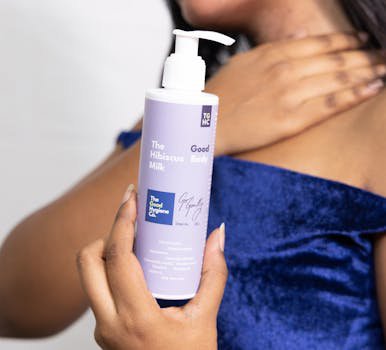
{{IMAGE:Irish woman nighttime skincare routine bathroom}}What “one-and-done” actually means (and what it never skips)
One-and-done does not mean lazy. It means you run a short list that still covers cleanse, treat and seal. You choose one core active on any given night and you apply it well. You build consistency, not clutter. The order stays simple so you stick to it.
Step one: cleanse to remove SPF, makeup and city grit. Step two: apply one active serum or lotion. Retinoid most nights for most goals. Switch to vitamin C or a barrier serum on rest nights. Step three: seal with a night cream that supports the barrier and stops dehydration while you sleep. Add lip care and a light scent if that helps you relax.
We rate this rhythm for Irish weather because it respects a fragile barrier. Damp air tempts heavy cleansing, but hard water and strong surfactants can still strip. Central heating then pulls moisture from skin overnight. A lean routine positions humectants and lipids where they belong and keeps the active at centre stage.
We also like it for budget discipline. You invest in one serious active and one serious moisturiser. You keep cleansers and extras sensible. Use our price comparison on GlamGeek to check deals across Boots, Brown Thomas, Arnotts, McCauley, Meaghers and Lookfantastic before you commit. Add favourites to your wishlist and we will flag a drop.
The cleanse that sets up results
Good nights start with a calm cleanse. If you wore SPF and makeup, remove them fully. Use a balm or oil first if you like a double cleanse. Then follow with a low-foam gel or cream wash. Keep the pH close to skin and avoid harsh surfactants. Skin sets the tone for your retinoid or vitamin C when it stays calm and slightly damp, not squeaky.
Irish tap water can feel hard and chilly in winter. Lukewarm water helps cleansers rinse clean without stress. Pat, don’t rub. Leave a hint of moisture so humectants can grab it. Check our Foam & Wash Cleansers category for gel and cream formulas that won’t strip. We see strong availability from pharmacy brands year-round, with frequent bundles near Christmas.
Keep wipes for travel emergencies only. They leave a film and they never shift sunscreen properly. A pump cleanser lasts longer and costs less over time. Bottles in 150–200 ml formats generally carry better value than small tubes. Our tracker often spots multi-buy offers on cleansers at Irish pharmacies, while beauty halls hold price on premium wash-offs.
One more tip: if you struggle with mascara smudges, switch to tubing mascaras and wash with warm water and gentle pressure. You avoid harsh eye rubbing, which slows recovery at night. Our Mascaras page lists tubing options that pair nicely with a low-fuss cleanse.
Retinoid at the core: choose the right strength, then be boring
Retinoids still lead for texture, fine lines and breakouts. Most women do best with a retinol or a retinal serum at night. Retinol converts to retinoic acid in two steps, so it works slower but usually feels gentler. Retinal converts in one step and often shows results faster. It can tingle more. Start at a low strength and let skin adapt.
Apply a pea-sized amount for the face. Spread over dry skin after cleansing. Avoid eyelids and corners of the nose or mouth on week one. Pair with niacinamide, glycerin and squalane in the same formula or your moisturiser. Those buffers calm the barrier and reduce flaking. Look for serums from L'Oréal, Clinique, or Clarins that spell out their retinoid type and texture. Our Anti Ageing Face Serums section lets you compare them side by side.
How often? Run two nights in week one, then three in week two. Hold that rhythm if your skin feels content. Boring wins here. Retinoids work with months of steady use, not with a frantic first fortnight. If you hit stinging or tightness, take two barrier nights. Use a bland moisturiser and skip actives. Then resume at the last comfortable cadence.
Consider your eye area. You can spot-apply a retinoid eye cream if your main serum feels too strong there. Several brands package gentler retinol for the orbital bone. Shiseido built retinol into targeted eye treatments for years. You can compare prices on those across Brown Thomas and Lookfantastic on GlamGeek to catch a promo before December gift sets land.
Vitamin C at night: who benefits and how to alternate
Most guides park vitamin C in the morning. That works for many. Irish days still bring UV, even under cloud, so antioxidants support SPF. Some women, however, prefer vitamin C at night because their SPF, primer and foundation already fight for space during the school run. Night use also suits those who react to L-ascorbic acid under sunscreen.
If you run a one-and-done plan, alternate vitamin C with retinoid nights. Do not layer a strong L-ascorbic acid and a retinoid in the same session if you run sensitive. Take one active at a time. Use vitamin C derivatives like 3-O-ethyl ascorbic acid or ascorbyl glucoside if your skin hates low pH. These stay friendlier with fewer tingles.
Apply vitamin C after cleansing while skin stays slightly damp, then seal with a moisturiser. Watch for serums that mix vitamin C with ferulic acid and vitamin E for stability. Garnier pushes accessible vitamin C options through pharmacies, while premium houses like Estée Lauder and Clinique build brightening blends in more cushioned textures. Browse both ends on our Day Face Serums page if you like lighter formats, even at night.
If you already use a strong retinoid three nights a week, run vitamin C two nights and keep two barrier-only nights. That split keeps the routine simple and your skin calm. You still wake to glow without juggling five serums at 10pm.
The night cream that seals the deal
The right night cream decides whether your active performs or backfires. Look for ceramides, cholesterol and fatty acids. That trio mimics skin’s lipid matrix. Add glycerin and hyaluronic acid to pull in water. Squalane and shea butter help hold it. In Irish winters, you often need that heavier seal from October to April. In midsummer, you can switch to a lighter gel-cream if your T-zone pushes oil.
Texture matters. You want glide without slip, cushion without grease. A good formula disappears in ten minutes and leaves comfort, not film. We see reliable options across price points. Clinique offers Moisture Surge Overnight-style recovery that suits many skins. Estée Lauder carries richer night creams for colder months. Clarins serves a classic line of night creams that support drier skins. If you prefer a luxe splurge, Guerlain and Shiseido offer dense textures for winter heating.
Scan our Night Face Moisturisers page and sort by retailer. We often see Boots Ireland and Meaghers promote larger sizes late in the year, while Brown Thomas and Arnotts bundle premium creams with minis. Add a favourite to your GlamGeek wishlist and we will ping you when one of those sets drops in price.
Seal down to the collarbones. Your neck meets wind and scarf friction daily and ages like the face. The same cream usually works fine there. Keep fragrance out of your face cream if your skin reacts, and save scent for fabric or a bedtime mist.
Extras that earn their minute: eye, lip and barrier nights
Eye care can stay simple. If your retinoid stings, pick a peptide or caffeine eye gel for night and save retinoid for the cheeks and forehead. If your under-eyes tolerate it, a dedicated retinol eye cream makes sense. Apply the thinnest layer on bone only and stop if redness shows.
Lip care deserves a slot in a one-and-done setup. Irish wind dries lips fast in winter. Use a balm with lanolin, ceramides or petrolatum as the last step. Check our Lip Balms & Creams page and stock one for the bedside and one for the coat pocket. We see frequent two-for deals at pharmacies, so use our comparison before checkout.
Plan barrier nights. That means you skip strong actives and you flood skin with humectants and lipids. You can layer two moisturisers if your cheeks feel chapped. Press, don’t rub. If flakes show during a retinoid ramp-up, a single barrier night can reset comfort fast. Keep a fragrance-free cream on hand for those resets.
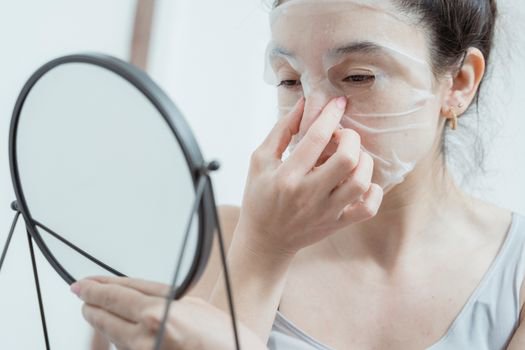
Once a week, consider a mask in place of your night cream. Go hydrating, not stripping. Our Face Masks category lists options that focus on glycerin, aloe, panthenol and beta-glucan. You can score those in sets each quarter. Our price tracker flags those sets on the Skin Care Sets page when value beats single-unit buys.
Fragrance at bedtime: soft, soothing and fabric-friendly
Bedtime fragrance can signal the brain to wind down. Keep it soft and close. You do not need a heavy eau de parfum on pulse points at night, especially if you run actives on the neck. Try a mist of eau de toilette on pyjamas or a light hair mist. That steers clear of your face cream while you still enjoy the note trail.
Choose comfort notes that suit Irish nights. Powdery musks, iris, almond and soft woods fit well under a duvet. If you prefer freshness, pick a tea or lavender blend. You can explore our Eau de Parfum Perfumes and Eau de Toilette Perfumes pages and then check prices across Brown Thomas, Arnotts and Lookfantastic. Premium houses rarely discount single bottles, but sets pop up seasonally with strong value.
Skin can react to fragrance when retinoids weaken the barrier during a ramp-up. If irritation runs high, keep scent to fabric for two weeks. Bring pulse-point dabs back when comfort returns. Keep your scented body wash light on retinoid nights as well. Our Shower Gels & Body Washes page can help you find milder options for the evening shower.
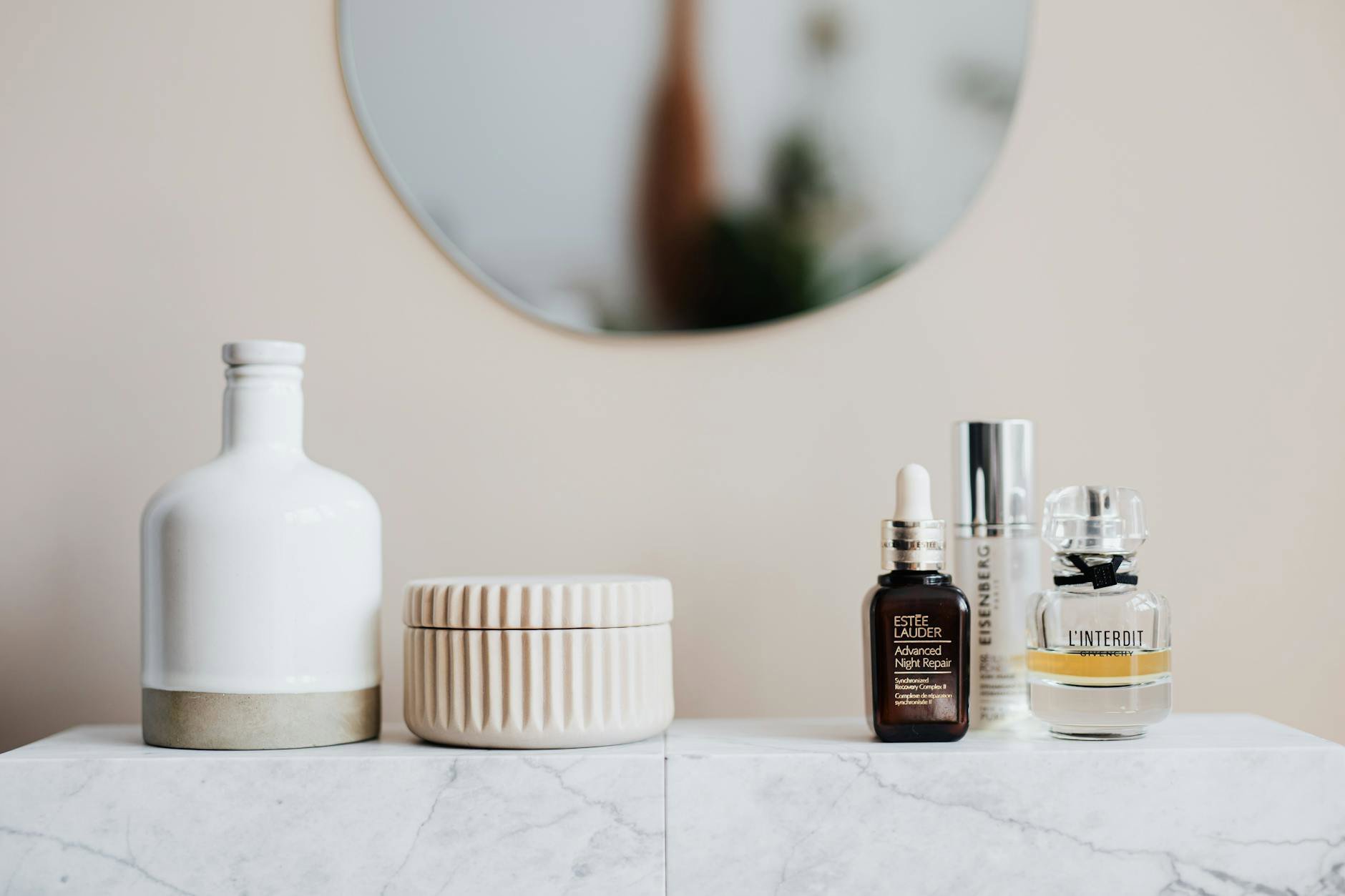
{{IMAGE:woman applying night cream and perfume on bedside}}Build a 7-night rota that you can stick to
A rota beats guesswork. You plan the week, then you follow it. That protects the barrier and removes the temptation to stack three actives on a whim. Here is a simple template you can tailor by season and sensitivity.
- Night 1: Cleanse, retinoid, ceramide night cream, lip balm.
- Night 2: Cleanse, retinoid, ceramide night cream, lip balm.
- Night 3: Cleanse, barrier serum or hydrating mask, night cream.
- Night 4: Cleanse, vitamin C serum, night cream.
- Night 5: Cleanse, retinoid, night cream.
- Night 6: Cleanse, peptide or niacinamide serum, night cream.
- Night 7: Cleanse, barrier-only night cream, optional fragrance on fabric.
Swap one retinoid night for a mask night if winter hits hard and cheeks sting. In summer, reduce cream weight on humid nights and keep the rota the same. The plan stays simple so you keep going in real life, not just on a good week.
Next morning, use SPF. Ireland’s UV rarely feels strong, but UVA comes through cloud and glass. Pair your day cream with a high, broad-spectrum sunscreen. Our SPF Protection Products page helps you compare textures and prices from pharmacies and department stores in one place. Put the bottle by the kettle if that helps you remember.
Save kits and sets for your rota refresh. We often see stronger value in night sets from Estée Lauder, Clarins and Clinique between October and January. Add them to your GlamGeek wishlist. We will alert you when a bundle undercuts single-bottle buys at Irish retailers.
Smart picks by skin type and season
Normal to combination skin: choose a mid-strength retinol serum with niacinamide. Seal with a gel-cream in summer and a cream-gel in winter. Brands like L'Oréal and Clinique cover this lane well. If the T-zone peaks in August, reduce to two retinoid nights and place vitamin C on a third night.
Dry skin: support barrier first. Pick a cushioned retinal or a low-strength retinol. Layer a ceramide cream over squalane or a few drops of an emollient serum. Keep vitamin C for a single night with a derivative, not a sharp L-ascorbic acid. Clarins and Shiseido design textures that hug dry skin. Browse our Night Face Moisturisers section for richer formulas when heating stays on.
Oil-prone or breakout-prone skin: stick with light textures and steady cadence. A serum with retinol plus soothing agents can refine pores without stripping. Skip heavy oils at night. Bring a clay or sulfur mask once a week if shine builds. Keep fragrance on fabric. If breakouts persist, speak to a pharmacist about actives that suit spots and ask about adapalene availability in Ireland.
Reactive or sensitive skin: phase actives in with care. Use a barrier cream nightly for a week, then add one retinoid night. Increase slowly. Consider a vitamin C derivative on a separate night if your skin wants glow. Fragrance may sit best on pyjamas only. Keep a bland cream on hand for quick resets when redness arrives.
How to shop smarter in Ireland right now
Our feed pulls prices daily from Boots Ireland, Brown Thomas, Arnotts, McCauley, Meaghers and Lookfantastic Ireland. The price gap on the same night cream can stretch across those stores. That matters when you plan a two-product routine with premium picks. Always check our comparison before you buy. We track stock, promo codes and bundles so you avoid paying full retail without cause.
Sets make sense when you actually want the contents. Many night kits include a full-size cream and a serum mini. If the serum aligns with your rota, go for the set. If not, skip it and buy the single cream. We flag ml-for-ml value on GlamGeek so you can scan quickly.
Consider refills. Estée Lauder, Clarins and others now sell refill pods for select creams. Refill packs often drop the per-ml cost. Pharmacy brands also push jumbo cleansers each quarter. Mix premium actives with budget cleansers and balms. That split stretches spend without hurting results.
Track timing. Irish retailers run beauty events in spring and autumn. We often see night serums included in those offers. Add your short list to the GlamGeek wishlist feature. We will alert you when a retailer blinks and your price target hits. You can then stock up before Christmas queues and out-of-stocks eat the savings.
What this means for your skin and your budget
A one-and-done night routine trades clutter for consistency. You clean once, you treat once, you seal once. That approach suits Irish weather and a busy home. You run fewer products but you choose them well. Your retinoid or vitamin C gets the spotlight it needs to pay back over months, not days.
Your budget also breathes. You invest in two anchors: the active and the cream. You pick a smart but simple cleanser. You then shop with price data, not guesswork. GlamGeek tracks those prices across Irish retailers so you can focus on skin, not on hunting vouchers at 11pm. The plan keeps your night grounded, your mornings brighter and your receipts shorter.
Ready to build your one-and-done night routine?
Which retinoid will anchor your week, and which night cream will seal the deal? Tell us the two products you rate, and add them to your GlamGeek wishlist. We will watch prices across Boots, Brown Thomas, Arnotts, McCauley, Meaghers and Lookfantastic and ping you when the deal lands. Keep it simple, keep it steady, and wake to skin that looks like it slept well.