Our price tracker does not “feel” the hype around circular beauty. It measures what women actually pay.
And right now, the most telling signal isn’t a new ingredient or a glossy campaign. It’s the spread between full price and sale price on everyday staples. This week alone, a body lotion from Grown Alchemist dropped from €43.21 to €12.65 at Cult Beauty, while a major fragrance, Marc Jacobs Daisy Eau So Intense, fell from €72.38 to €26.45 at Lookfantastic.
That gap matters if you want a more circular routine. Not because “cheap” equals “sustainable” (it often doesn’t), but because paying top price for vague eco claims rarely delivers better outcomes than buying smarter, using more completely, and recycling properly.
This is a data-led read for Irish women who want to reduce waste and reduce overpaying—without pretending Ireland has the same retail ecosystem as London or Paris.
Circular beauty sounds simple. Shopping it in Ireland isn’t.
Headlines keep pushing circularity: take-back schemes, packaging reductions, refill pilots, and louder scrutiny on sourcing. The theme shows up again and again, from industry pieces on recycling to supply-chain talk around deforestation rules and delayed timelines.
In Ireland, though, circular shopping often runs into a practical wall: availability. Boots Ireland might stock the hero items, but not always the refills. Brown Thomas and Arnotts may carry premium ranges, but they rarely run the kind of aggressive markdowns that online-only retailers do. Meanwhile, UK-based retailers that ship here can undercut local pricing, even after delivery.
So our stance is blunt: if you want a lower-waste routine, you need two strategies at once. One for product choice (packaging, formula, usage rate) and one for purchase timing (price cycles, 12‑month lows, and when to buy in bulk).
Across our merchant feed this week, the most circular-friendly pattern looks like this: buy fewer items, buy larger “workhorse” formats when they hit real lows, and avoid panic-buying anything full price just because it claims to be “clean”.

Start with the biggest waste driver: half-used products
If circular beauty had one enemy, it would be the half-used bottle you abandon because it pills, stings, clashes with makeup, or takes too long to finish.
Women tend to over-rotate products in the categories with the fastest trend churn—cleansers, serums, and hair “fix” sprays. That churn creates waste even when the packaging looks eco-friendly. It also creates overspend because you keep buying “the next one”.
Our data this week shows a practical alternative: buy a core cleanser that you will finish, then experiment around it. For example, THE INKEY LIST Milk Cleanser sits at €11.21 at Lookfantastic and holds a 5.0/5 rating in our feed. Milk cleansers help reduce the “I need three removers” habit because they can take down makeup and daily SPF with less friction.
If you want to keep it even tighter, build a two-cleanse system only when you truly need it (heavy makeup, tenacious SPF, or long-wear base). Otherwise, one reliable cleanser plus a face cloth you can wash beats a shelf of half-finished bottles.
Where this connects to circularity: fewer purchases, fewer deliveries, fewer empties, and fewer “destined for the bathroom graveyard” minis. If you want to browse options without impulse buying, use category pages like Foam & Wash Cleansers to compare formats and retailer mix first.
Body care is the quiet win (and the best place to buy on sale)
Facial skincare gets the attention. Body care produces the empties.
Body wash and body lotion run through faster than serums, so they drive a huge share of your annual packaging waste. The good news: they also see some of the steepest discounts, which lets you buy larger formats less often.
This week, the sharpest example sits in the Grown Alchemist drops at Cult Beauty. Our tracker shows:
- Grown Alchemist Resurfacing Targeted Body Lotion: was €43.21, now €12.65 (70% off)
- Grown Alchemist Resurfacing Targeted Body Cleanser: was €33.02, now €10.35 (68% off)
- Grown Alchemist Restorative Body Cream: was €25.96, now €9.20 (64% off)
For circular-minded shopping, that sort of pricing changes the decision. Instead of “treat” body care that you ration, you can buy one good formula at a true low and finish it fully.
Ingredient note, because marketing loves to blur it: “resurfacing” body products often rely on exfoliating acids to smooth texture. Used sensibly, they can replace a separate body scrub, which means one less product category in your bathroom. If you already use a strong face exfoliant, do not mirror the same intensity on your body every night. Aim for a few times per week and prioritise comfort.
Also, Ireland’s damp climate can still leave skin feeling tight thanks to indoor heating and wind exposure. A richer body cream you actually apply beats a “light” lotion you skip. If you want to compare alternatives across retailers, browse Body Lotions and Body Creams rather than chasing whatever claims to be the most “natural”.
Refills, take-back schemes, and the Ireland reality check
Take-back schemes sound straightforward: return empties, recycle the hard-to-recycle parts, reduce landfill. The catch is access.
In Ireland, participation depends on where you live and which retailers you use. Boots Ireland can be convenient for many women, but specific in-store recycling initiatives and brand participation can vary by location and timing. Pharmacies like McCauley or Meaghers might offer strong skincare ranges, yet they do not always run dedicated take-back bins.
So we treat circularity as a ladder with rungs you can actually reach:
- Rung 1: Buy less, finish more. Track your “empties” for one month.
- Rung 2: Prefer simple packaging. Pumps and mixed materials can be harder to process.
- Rung 3: Use retailer programmes when they exist locally.
- Rung 4: Choose refills only when you will reliably repurchase the same product.
Refills help most when they replace a product you use continuously, like cleanser, hand wash, or shampoo. They help least when they tempt you into “refillable collecting”, where you buy the container, the refill, and then abandon it for a new trend anyway.
When you do want to browse with intent, start with a tight category and a realistic goal. For example, if you want to reduce hair empties, compare within Moisturising & Nourishing Shampoos and decide if you want fewer washes per week, a larger bottle, or a simpler routine.
That “boring” planning step prevents the most common circularity fail: buying a virtuous product that does not fit your habits.
Buy fewer ‘fixers’: targeted products that replace whole categories
Circular shopping rewards multipurpose products that reduce category sprawl. That does not mean 7-in-1 formulas. It means targeted products that solve a repeat problem so you stop buying variations.
This week’s hair example: Coco & Eve Frizz Fix & Pro Shine Mist sits at €6.88 at Lookfantastic, down from €16.09 (57% off). If frizz drives your buying (serums, creams, oils, sprays), a single finishing product you will actually use can cut down your stash fast.
Technique matters more than the label. For Ireland’s humidity swings, apply shine or anti-frizz products in this order:
- Start on dry or almost-dry hair. Wet hair dilutes finish sprays.
- Hold the mist at least 20–30 cm away to avoid a sticky patch.
- Spray into your hands first if you only need it on the ends.
- Use a light pass, wait a minute, then decide if you need more.
That step-down approach helps you use less product and wash less often. Less washing reduces shampoo, conditioner, and styling product throughput, which reduces packaging waste over time.
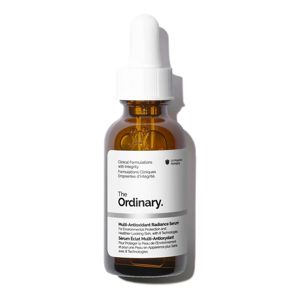
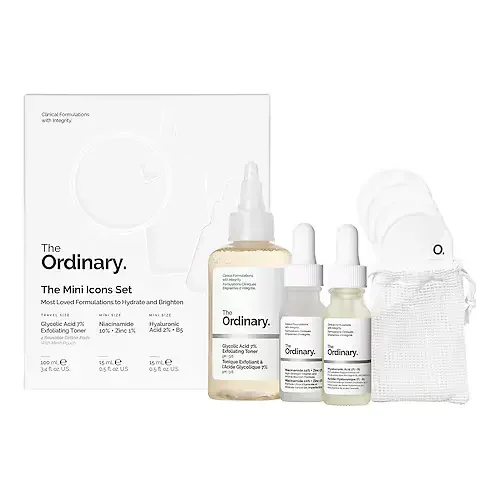
On the skincare side, our feed also flags The Ordinary UV Filters SPF 45 Sun Protection Serum at €13.80 at Lookfantastic with a 5.0/5 rating. SPF sits at the centre of “buy less” routines because it prevents the cycle where you chase brightening and soothing products to undo avoidable damage. Ireland gets limited sun for much of the year, but UVA still shows up on bright days and through cloud.
If you want to compare options across retailers without getting lost, start at SPF Protection Products and filter by texture you will wear daily. Daily wear beats theoretical protection.
Fragrance is the easiest category to overpay for (so shop it like a hawk)
Fragrance trends move fast, but the bottles move slowly. That mismatch creates waste: impulse buys, “collector” habits, and partials you never finish.
It also creates dramatic price swings, especially through online retailers. Our tracker shows Marc Jacobs Daisy Eau So Intense Eau De Parfum at €26.45 on Lookfantastic, down from €72.38 (63% off). That is the kind of discount that changes the smart-buy rule.
Here’s the rule we use: only buy a full bottle when the price drop is big enough that you would not feel pressured to “save it”. If you spray it freely, you finish it. Finished bottles create less waste than a drawer of half-used ones.
If you feel tempted by multiple flankers, set a cap: one daytime fragrance, one evening fragrance, and stop. Rotate seasonally if you want, but do not stack five similar florals because marketing told you each one is “different”.
For browsing without spiralling, use structured category pages like Eau de Parfum Perfumes. Compare concentration and bottle sizes, then wait for price movement.
When luxury hits a 12-month low, decide with maths—not fantasy
Premium skincare sits in a strange place in circular conversations. High prices can push lower consumption, which sounds “better”. Yet luxury also sells aspiration, gifting, and product wardrobes.
Our feed shows several prestige products at their lowest level in 12 months right now:
- Augustinus Bader The Rich Cream: €92.00 at Lookfantastic (12‑month low)
- Dr. Barbara Sturm Hyaluronic Serum: €97.75 at Cult Beauty (12‑month low)
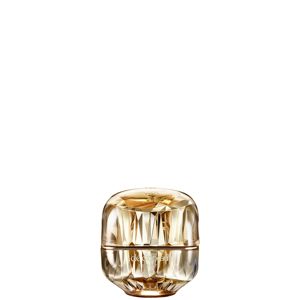
- La Prairie Platinum Rare Haute-Rejuvenation Face Cream: €1058.00 at Cult Beauty (12‑month low)
We do not treat “12‑month low” as an automatic buy signal. We treat it as permission to make a clear-headed decision.
Use two tests.
Test 1: Replacement test. Will this replace two or three steps you already buy? If you will still keep your existing serum, moisturiser, oil, and sleeping mask, the expensive jar becomes additive clutter.
Test 2: Finishability test. Can you realistically finish it within 6–12 months of opening? If you rotate five moisturisers, you will not. In that case, a solid mid-range option from Clinique, Estée Lauder, or Clarins often delivers more consistent use, which matters for both results and waste.
If you do want to browse anti-ageing categories with fewer distractions, use Anti Ageing Face Serums and Anti Ageing Face Creams, then narrow by texture and sensitivity needs rather than buzzwords.
Smaller habits that make a routine more circular (and cheaper)
Big sustainability claims can feel abstract. Small routine rules create measurable change.
These are the habits we see correlate with lower annual spend in our pricing data, because they reduce repurchasing and “emergency” top-ups:
- One open per category. One cleanser, one moisturiser, one SPF, one leave-in hair product at a time.
- Two-week pause rule. If you want a new serum, wait two weeks. If you still want it, check the price again.
- Batch buying only on real drops. Stock up when the discount hits 50%+ on products you finish.
- Tools over extras. A better brush can reduce how much makeup you waste.
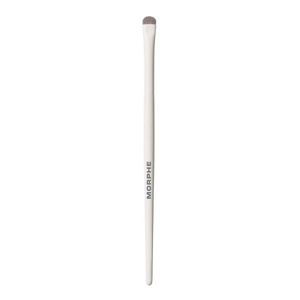
This week’s tools example: Morphe M202 Slanted Blush Brush stands at €12.88 at Lookfantastic with a 5.0/5 rating in our feed. A brush like that can help you use less product and get a cleaner blend, which reduces the “buy a new blush to fix my blush” problem.
If you want to browse, go via Makeup Brushes & Applicators and compare shapes based on what you already own. A small upgrade beats a drawer of mediocre duplicates.
Finally, keep an eye on sets, but stay sceptical. Sets can reduce packaging per item, yet they also bundle products you would not choose. If you want to check them, use Skin Care Sets with a strict rule: you must want every product inside.
What this means for Irish shoppers this month
Circular beauty becomes real when it changes what you buy, how often you buy it, and whether you finish it. The most practical route in Ireland looks less like “perfect” refills and more like controlled purchasing plus price timing.
Our data this week supports a simple playbook:
- If you need body care, the Grown Alchemist drops at Cult Beauty show the kind of discounts that justify buying now and using fully.
- If you want to stop overbuying SPF and actually wear it, The Ordinary SPF 45 serum at €13.80 gives you a low-risk entry point.
- If you have fragrance on your wishlist, the Daisy Eau So Intense drop to €26.45 is a reminder to never pay full price without checking.
Most importantly, do not let “circular” marketing push you into constant switching. The most sustainable routine usually looks a bit repetitive. That is a feature, not a flaw.
Which category would you like us to track more tightly for circular-friendly buys in Ireland: refillable body care, SPF you will actually wear daily, or fragrance deals worth waiting for?