
Our price tracker has been throwing up a funny pattern this week: the steepest discounts aren’t sitting in “trend” launches at all. They’re landing on the unglamorous basics that make curl definition last in Irish humidity.
Case in point: Clinique Dramatically Different Moisturising Lotion+ has dropped to €7.76 (from 27.60) at Lookfantastic. That is a face moisturiser, not a curl cream. Yet the lesson holds: when retailers slash staples this hard, it usually signals a wider promo cycle. Smart shoppers can build a full routine around the discounted “support acts”.
So we’re going data-led. The headlines about “Irish curls” on TikTok keep circulating, but the real win for Irish women sits in technique and buying timing—especially when damp air turns definition into frizz by lunchtime.
Context: what “Irish curls” really describes (and why Ireland makes it harder)
“Irish curls” has become shorthand for a very common pattern: hair that sits straight or slightly wavy at the roots, then forms looser curls or bends through the mid-lengths and ends. Byrdie and InStyle have both framed it as “half straight, half curly”. Allure called it a term for a common curl pattern. The name sticks because it feels specific, but the behaviour comes down to structure and styling.
In Ireland, the climate adds a second problem. We don’t get extreme heat most of the year, but we do get persistent moisture in the air. Humidity swells the hair fibre, lifts the cuticle, and makes any product film on the surface work harder. That’s why a routine that looks perfect indoors can collapse the moment you step outside.
We also see an Ireland-specific shopping snag: the products that trend in US headlines can take months to show up at Boots Ireland, Brown Thomas, Arnotts, or McCauley Pharmacy—if they arrive at all. When that happens, we usually recommend building around product types (cleanser, conditioner, hold, seal) and shopping by price movements across our merchant feed.
Start in the shower: cleanse less aggressively, but don’t skip it
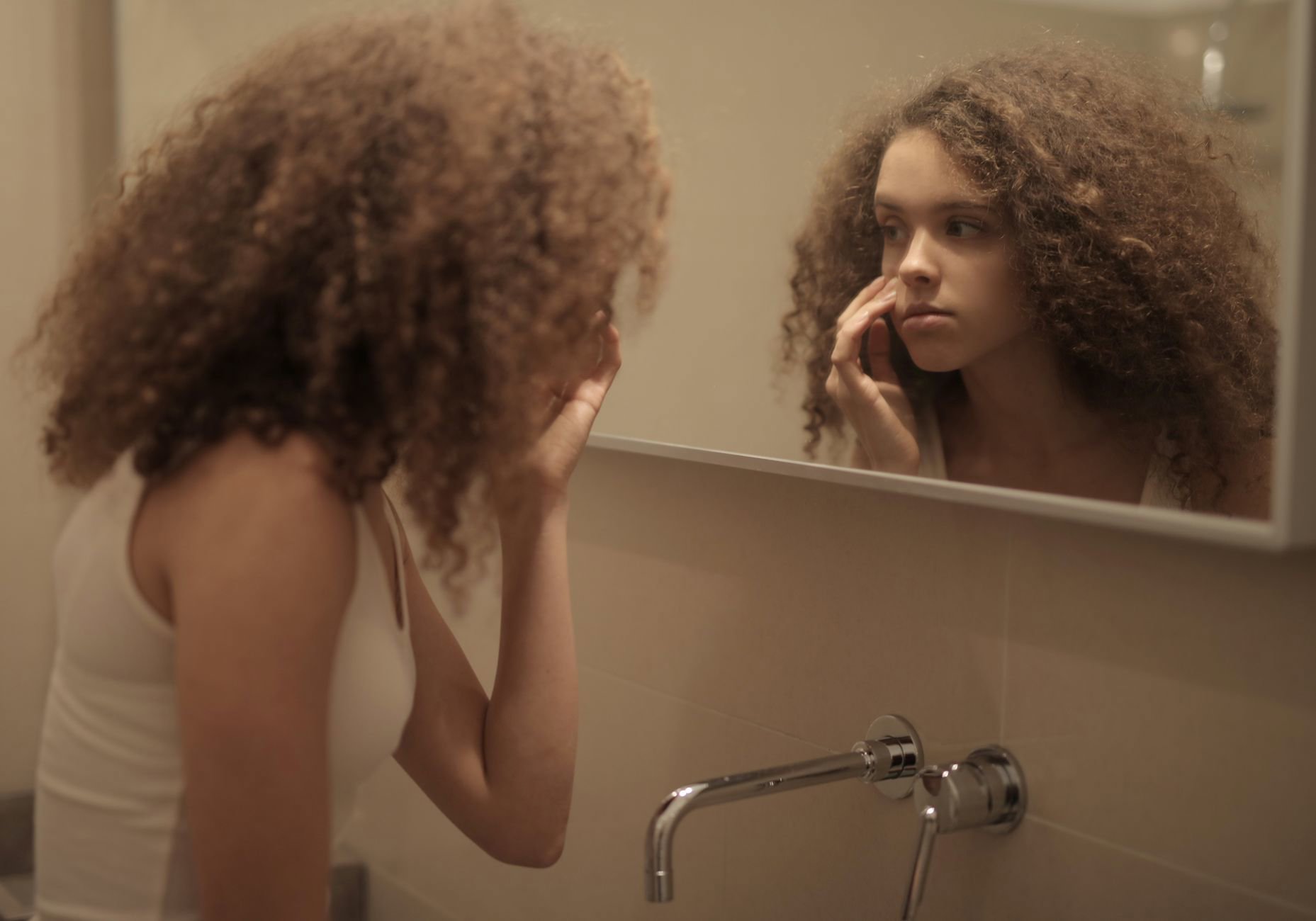
Mixed-pattern hair tends to oil up at the scalp while the ends stay drier. Many women over-correct by using strong shampoos “to get the roots clean”, then wonder why the lengths puff and snap. The BBC’s “haircare myths” piece got one thing right: shampoo doesn’t repair damage. It cleans. If your lengths feel rough, the fix sits in conditioning, gentle handling, and time.
For Irish curls, we like a simple rule: cleanse the scalp properly, then protect the mid-lengths. That can mean using a nourishing shampoo and keeping lather focused at the roots. If you need a bargain buy right now, our tracker shows Garnier Ultimate Blends Nourishing Hair Food at €9.19 on Lookfantastic (rated 5.0/5). It’s an easy, budget-friendly anchor for dry ends and frizz-prone lengths, and it fits neatly into a hair care routine without being precious.
When you do need a stronger cleanse—after heavy stylers, dry shampoo, or a week of ponytails—use it as an occasional reset, not your daily default. Scalp scrubs can help some women, but they can also irritate if you overdo them. If you try one, treat it like exfoliation: occasional, gentle, and followed by conditioner.
Conditioner matters more than most women think. Look for slip (for detangling) and film-formers (for frizz control). You don’t need a specific “Irish curls” label. You need predictable performance in damp weather.
Your curl pattern shows up during styling, not after: the wet-to-damp window
The biggest routine mistake we see with “half straight, half curly” hair: waiting until hair is nearly dry to “encourage” curls. By then, the fibre has already set in a stretched shape. You can scrunch all you like; you’ll mostly create surface frizz.
Instead, treat styling like setting fabric. You want to shape while the hair holds water, then lock that shape in as water leaves the strand. For Irish curls, that means working in a specific window: hair should feel wet, but not dripping. If it’s soaking, products slide around. If it’s too dry, products sit on top.
A practical method that works across curl patterns:
- After rinsing conditioner, squeeze water out with your hands first. Don’t twist.
- Apply leave-in or cream to mid-lengths and ends. Use “prayer hands” to smooth, then scrunch upward.
- Add hold (gel, mousse, or custard). Scrunch again. This is where definition survives humidity.
- Micro-plop with a T-shirt or microfibre towel for 20–60 seconds. No rough towel rubbing.
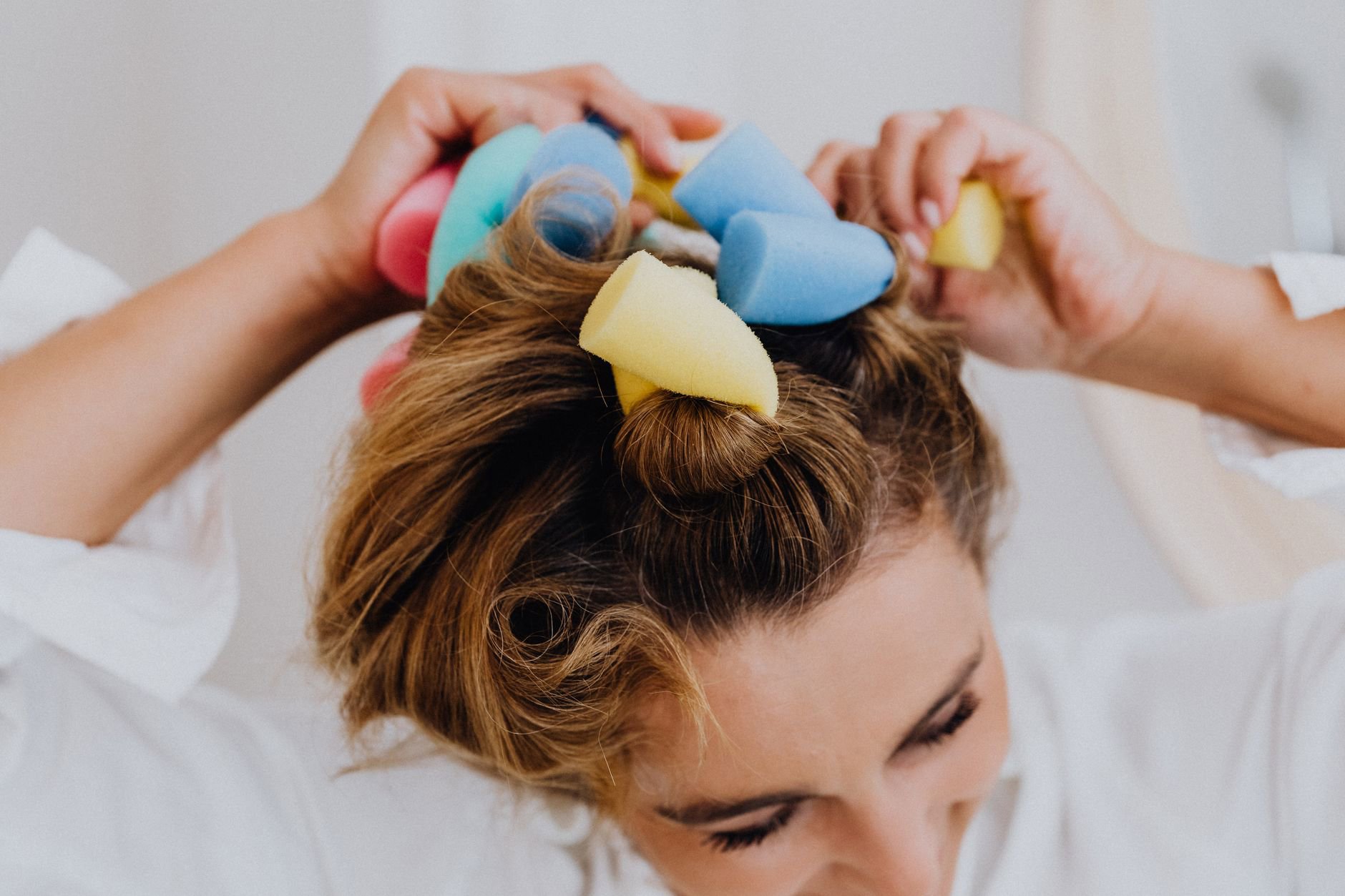
If your roots stay straight, clip them up while drying. Root clips or a loose claw clip at the crown can stop the scalp area drying flat. It looks odd. It works.
Hold is the difference between “soft waves” and “all-day curls” in Irish humidity
Irish curls often look best when they sit between wave and curl—defined, touchable, and not crunchy. But in a damp climate, “touchable” without enough hold turns into a soft halo of frizz fast.
We’d frame it like this: conditioner gives slip; creams give softness; gels give longevity. If you only pick one styling category to get right, pick hold. It’s the only step that actively resists humidity by forming a film as hair dries.
Women often avoid gel because of the cast. That’s a technique issue, not a product issue. You actually want a cast while drying. Once hair reaches 100% dry, you scrunch it out with dry hands (or a tiny drop of light oil if you need it). The cast breaks, the curl stays.
Two Ireland-specific tweaks help:
- Layer lightly. Too much product can pull the curl down, especially on finer hair.
- Don’t touch while drying. Touching invites frizz because the cuticle sits raised while water evaporates.
- Diffuse on low if you need speed. High heat plus damp air often backfires.
- Finish with cool air for 30–60 seconds. It helps set the film.
If you’re shopping tools, the “best hair dryers” headlines can help with feature checklists (diffuser size, heat control), but the Irish reality is price. Boots Ireland and Arnotts stock solid mid-range options, but the best value often appears during retailer promos. We’d watch for bundles and gift sets rather than paying full price for a dryer alone.
Gloss, shine, and “polish”: what to copy (and what to ignore) from trend headlines
Cosmopolitan’s “glass hair” gloss round-ups keep the shine conversation alive, and Who What Wear’s 2026 hair product lists do what they always do: push novelty. For Irish curls, shine matters—but not if it costs definition.
Here’s the trade-off: many shine products rely on silicones, oils, or light-reflecting polymers. Those can look gorgeous, but they can also weigh down the exact mid-length curl you’re trying to encourage. The solution isn’t “avoid shine”. It’s “place it correctly”.
We like a two-zone approach:
- Zone 1 (roots to top of ears): keep it light. Prioritise lift and hold.
- Zone 2 (mid-lengths to ends): you can use more cream, a touch of oil, or a glossing product.
If your ends look dull, check your cleansing cycle first. Product build-up can make hair look matte and feel sticky. A reset wash every so often often brings shine back without adding more product.
And if you’re tempted by celebrity red-carpet hair recaps, remember the hidden variables: controlled indoor environments, retouches, and lighting. Take the technique cues (sectioning, direction, finishing products), not the “one product did it all” story.
Budget buys worth grabbing now (and what they’re good for)
We don’t recommend buying random things just because they’re discounted. But when the discount is extreme and the product fills a real role, it can make sense—especially for Irish curls, where you often need a few layers to get consistency.
These are the stand-outs from our merchant feed this week, and how we’d use them in a routine.
- Joico Youthlock Shampoo — €9.20 (was 27.05) at Lookfantastic. This suits women who want a more “salon” feel without paying salon money. Use it mainly at the scalp, and don’t expect it to “repair” lengths on its own.
- Garnier Ultimate Blends Nourishing Hair Food — €9.19 at Lookfantastic (5.0/5). Use it as a rinse-out conditioner or a short mask on the ends when curls feel thirsty. It’s also a handy detangler on wash day.
- Elemis Pro-Collagen Energising Marine Cleanser — €18.43 (was 57.50) at Space NK. Not haircare, but it’s a good example of how deep promo cycles work across categories. If you’re already ordering, it can justify shipping while you stock up on hair essentials elsewhere.
- Clinique Dramatically Different Moisturising Lotion+ — €7.76 (was 27.60) at Lookfantastic. Again, not hair. But if your face feels tight after diffusing (warm air plus cleansing), a basic moisturiser at this price stops you “borrowing” hair conditioner as face cream. We’ve seen that mistake more than once.
We’ll say it plainly: Irish curls look better when the whole routine runs smoothly. When your skin feels comfortable and your shower products work, you style with a lighter hand. That usually leads to better curl formation.
Frizz triage: what to do on day 2 and day 3 without starting over
Day-2 hair decides whether a routine feels “worth it”. In Ireland, damp air can undo a perfect wash day overnight. The fix rarely involves more shampoo. It involves controlled moisture and a little re-setting.
Try this triage order:
- Assess first: is it frizz (raised cuticle) or is it misshapen curls (compression from sleep)?
- Add water before product: mist lightly, then scrunch. Product on dry frizz often pills or looks dull.
- Spot-apply hold: a pea-sized amount of gel emulsified in wet hands, then scrunched into the frizziest sections.
- Diffuse for 2–5 minutes: low heat, low speed, just to set. Don’t chase perfection.
If your crown goes flat, refresh only the roots: dampen, add a tiny bit of mousse or lightweight styler, then lift with clips while it dries. That keeps the ends intact.
Sleep protection helps more than most product swaps. A satin pillowcase reduces friction. A loose pineapple ponytail keeps curl clumps from being crushed. If you hate sleeping with hair up, try a soft scrunchie and keep it loose.
For women who wear a lot of fragrance, keep it off the hair if you can. Alcohol-heavy sprays can dry the fibre and make frizz worse. If you want scent in your hair, choose a dedicated hair mist or spray fragrance onto clothing instead.
Shopping it in Ireland: where to look, what to skip, and how to avoid overpaying
Boots Ireland, McCauley Pharmacy, Brown Thomas, and Arnotts cover a lot of ground, but trend-led launches still arrive unevenly. That matters if you read a US headline and then can’t find the product locally.
Our advice: shop by function, then compare by price. If you need a cleanser, check the Moisturising & Nourishing Shampoos category. If you need moisture support, look at Moisturising & Nourishing Conditioners. If you want occasional intensive help, browse Hair Masks. Categories stop you getting distracted by marketing names.
When UK retailers ship to Ireland, the price often wins—especially during big discount events. This week’s feed shows Lookfantastic and Cult Beauty doing the heavy lifting on sharp discounts. If you’re ordering from outside Ireland, check delivery thresholds and returns before you commit. A “cheap” item stops being cheap if you need to send it back.
We’d also skip panic-buying every TikTok recommendation. Mixed-pattern hair responds best to consistency. If you change three variables at once, you never learn what worked.
One last note: don’t neglect scalp comfort. If your scalp feels itchy or tight, you’ll scratch, you’ll disrupt curl clumps, and you’ll create frizz at the root. A calm scalp often equals better hair days.
What this means for Irish women trying to make “Irish curls” work
The “Irish curls” trend sticks because it names a real problem: hair that doesn’t behave like neat textbook curls. But the solution isn’t a single hero product. It’s a method that respects two facts: your curl forms while wet, and Irish humidity demands hold.
From a spending point of view, the data this week points to a smarter strategy than chasing new launches. Build a small set of reliable basics, then buy when the price drops sharply. Right now, that means grabbing value where it appears—like Joico Youthlock Shampoo at €9.20 and Garnier Hair Food at €9.19—and spending the rest of your budget on the one thing that changes outcomes most: a hold product you’ll actually use.
If you only adjust one technique this week, make it this: apply your hold product on wet-to-damp hair, then keep your hands off until fully dry. Most frizz problems improve from that alone.
Which part of the Irish curls routine trips you up most: roots that dry straight, frizz by mid-day, or curls that won’t last into day 2?