Anti-ageing toners & firmers are non-invasive skin tools designed to improve the look of facial contours, firmness, and fine lines through techniques like microcurrent, LED light therapy, massage/lymphatic drainage, or microneedling stimulation. They can deliver visible, realistic improvements for some concerns, but results depend on the technology, consistency, and the specific aging sign you target.
Search results and marketing blur a lot of categories, so let’s get specific. “Anti-ageing toners & firmers” in the skin-tools sense usually means devices and manual tools that aim to lift, sculpt, de-puff, or smooth the look of lines.
Some of these tools have decent evidence behind the mechanism (microcurrent and LED get the most attention). Others rely on more straightforward physiology: moving fluid, relaxing tension, and temporarily improving the look of swelling and slackness.
And yes—some results are real. They just tend to be subtle, cumulative, and easiest to notice in photos taken under the same lighting and angle.
Before getting into shopping, we want to set expectations. Skin “firmness” can mean collagen density, hydration bounce, muscle tone under the skin, or reduced puffiness. Different tools target different pieces of that puzzle.
What these tools claim to do (and what “works” actually means)
Most anti-ageing toners & firmers promise some mix of lifting, sculpting, smoothing, de-puffing, and improving “elasticity.” Those claims can point to very different endpoints, so “works” needs a definition.
In our tracking notes and retailer copy across Sephora, Ulta, Nordstrom, and Amazon, the most common promise words cluster into four buckets: contour definition, fine line reduction, visible firmness, and radiance. Only two of those usually hold up quickly at home: temporary contour definition (through fluid movement and muscle engagement) and radiance (through circulation and light).
Longer-term change can happen, but it tends to look like this: the face looks a bit more “snatched” around the jawline on consistent users of microcurrent, and fine creasing can look softened when puffiness drops and skin looks better hydrated. That differs from erasing deep folds or replacing in-office procedures.
We also see confusion between topical toners and tool-based “toners.” This guide stays strictly in the Skin Tools lane. For classic liquid toners, see Face Toners for the category context (not product recommendations).
So what counts as success? For most shoppers, it’s one of these measurable outcomes:
- Less morning puffiness (especially under-eye and mid-face)
- Slightly sharper-looking jaw/cheek contours in photos
- Makeup sitting smoother because the surface looks calmer
- Fine lines looking less pronounced due to improved appearance of firmness
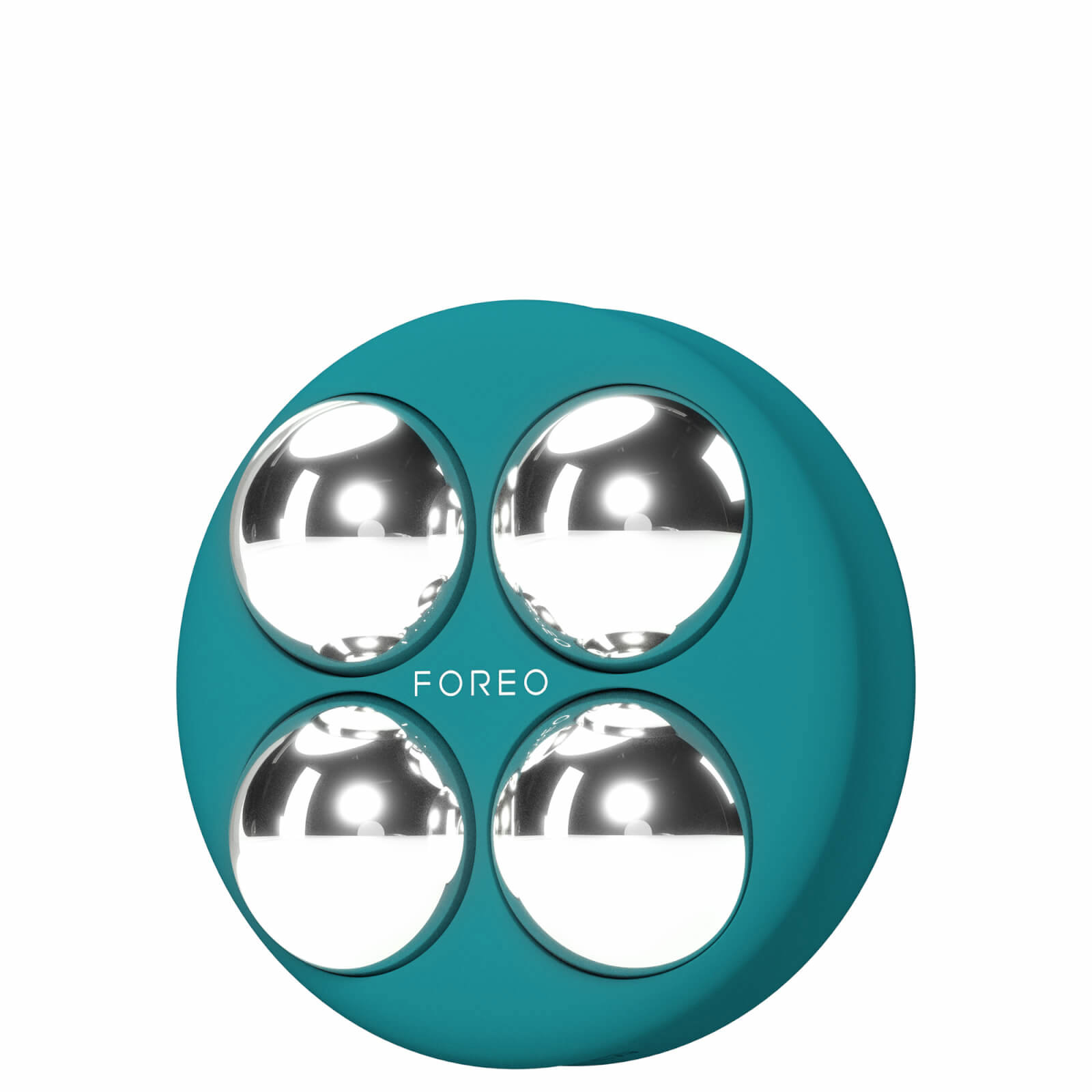
The tech with the best case: microcurrent toning devices
If we had to pick one category that most often delivers a visible “before/after” at home, microcurrent sits at the top. These devices send a low-level electrical current into the skin, with the goal of improving the look of facial contour and firmness.
The key word: look. Microcurrent doesn’t replace facial fat loss, and it won’t rebuild bone structure. But it can create a more lifted appearance, especially when users keep up a consistent routine.
From the products we track in this category, two standouts anchor the microcurrent tier:
- Foreo Bear 2 Facial Toning Device (from $130.41): Powered by strong microcurrent technology (up to 680 uA) and positioned to define facial contours for a sculpted appearance, while helping minimize the look of fine lines and improving visible firmness.
- Foreo Bear Facial Toning Device (from $186.75): Uses 10 levels of microcurrent technology and pulsations to help lift, tone, and re-contour the look of age-stressed skin.
There’s also NuFACE in the lineup, which targets the same “tone and shape” outcome but packages it differently:
- NuFace Mini+ Starter Kit (from $220.00): A travel-sized facial toning device with included priming gel, brightening cream, and an applicator brush for routine support.
- NuFace Nuface Trinity + Trinity Ele Attachment Set (from $63.83): A set built around the Trinity+ microcurrent device concept with attachments for a more complete toning routine.
- NuFace Trinity Effective Lip & Eye Attachment (from $160.00): A targeted dual-pronged attachment designed for lip and eye areas when used with the Trinity+ device system.
Realistic results: microcurrent usually gives the best “same day” look, but it also tends to fade if you stop. Think of it like exercise for appearance: consistency matters more than intensity.
Buying tip from our price tracker patterns: microcurrent devices swing in price around major retailer sales cycles (Sephora events, Ulta promos, and holiday discounting). If you’re not in a rush, watching for a dip can save meaningful money, especially on premium kits.
LED light therapy: better for fine lines (and overall tone) than for lifting
LED sits in a different evidence lane. It doesn’t “lift” the face in the way microcurrent marketing suggests. LED aims to support skin appearance through light exposure, often focusing on signs of aging like fine lines, uneven tone, and dullness.
The two LED options in this product list split into full-face and targeted eye care:
- BeautyPro Photon Led Light Therapy Facial Mask (from $91.30): A lightweight, non-invasive LED mask with 5-in-1 treatment technology and five LED light colors aimed at bright, clear, youthful-looking skin.
- MZ Skin Lightmax Minipro Eyeconic Led (from $345.00): A first-to-market device combining active cosmetics with LED for targeted under-eye and around-eye light therapy, designed to help reduce the look of dark circles, puffiness, fine lines, and wrinkles; described as clinically proven.
How LED “works” in practice: it tends to reward patience. You rarely see a dramatic change in three days. But after weeks of steady use, many users notice better overall clarity and a softer look to fine creasing, especially in areas that show early photoaging.
Where LED disappoints: sagging. If the main complaint reads like “my cheeks dropped” or “my jawline looks softer,” LED alone won’t scratch that itch.
So how do you choose between a mask and a targeted eye tool? Use the map of your concern. Whole-face dullness and early fine lines fit a mask routine. Under-eye darkness, puffiness, and creasing fit a targeted device like the MZ Skin Lightmax Minipro Eyeconic Led.
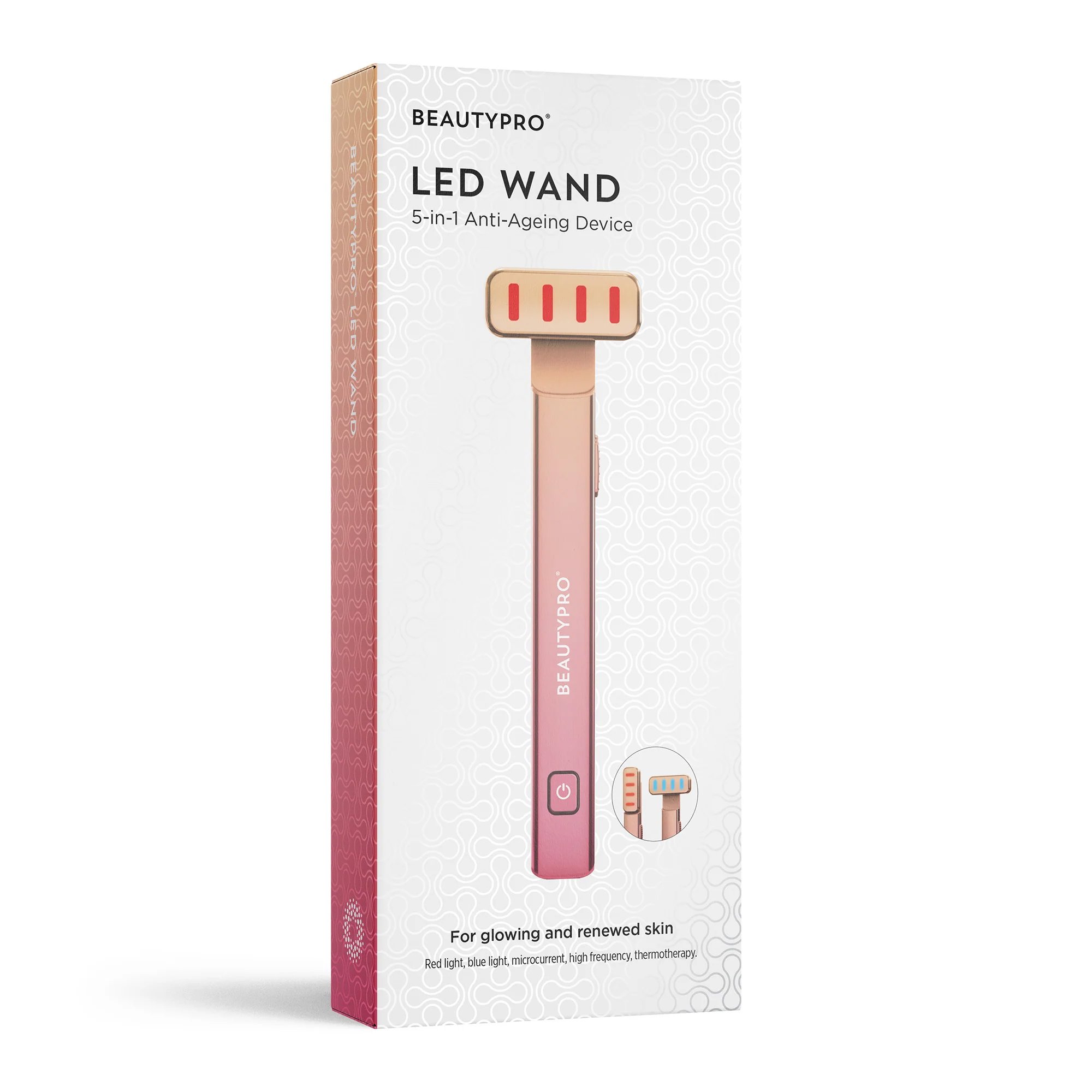
Manual firming tools: gua sha, rollers, and massage wheels (the honest benefits)
Manual tools get underestimated because they look simple. They also get oversold because they look simple. The truth sits in the middle.
These tools can absolutely improve the look of puffiness and tension, which changes how “firm” skin appears. They can also help skincare spread evenly, which can improve slip and reduce tugging during application. But they won’t rebuild collagen in a way that rivals in-office treatments.
From the list, the manual options cover three styles:
- MZ Skin Sculpting Rose Quartz Gua Sha (from $48.75): Designed to optimize absorption of skincare formulas, with a cooling surface and a shape that targets hard-to-reach areas.
- MZ Skin Tone & Lift Germanium Contouring Facial Roller (from $60.38): A roller that aims to revive, tone, and uplift the look of facial contour, with an emphasis on lymphatic drainage and improved contour.
- Beauty ORA Crystal Face, Eye And Body Roller - Rose Quartz (from $24.70): A crystal roller positioned to massage skin and drain congested lymph points, reducing the look of puffiness and lines.
- Sarah Chapman Facialift (from $32.78): A wishbone-shaped facial tool with eight wheels and 48 nodules that roll over skin to promote more defined contours, inspired by facial massage techniques.
What we’d call realistic, repeatable wins: morning de-puffing, a more relaxed brow and jaw, and cheekbones that look slightly more defined after use. That’s not nothing.
Which to pick? If you want a classic scraping-and-sculpting motion, pick a gua sha shape. If you want quick, low-effort rolling, pick a roller. If you want a “massage tool” feel that mimics tapping/knuckling, Sarah Chapman Facialift fits the brief.
Also, climate matters. In humid areas, puffiness tends to fluctuate more, and these tools can feel more rewarding day to day. In dry or cold climates, the same tools may shine more as a tension-relief step than a de-bloat fix.
Microneedling at home: collagen signaling, but pick the right intensity
Microneedling sits in a separate class because it aims to create controlled micro-injuries. That process can signal collagen and elastin production, which ties directly to firmness and texture over time.
Two products in this list target that pathway:
- Beauty ORA Deluxe Facial Microneedle Dermal Roller System (from $24.80): A 0.25mm roller with 540 needles that glide over skin, creating micro punctures that signal collagen and elastin production.
- Beauty ORA Microneedle Derma Pen System (from $110.00): Uses extremely fine needles to stimulate collagen and elastin production and help improve the look of fine lines and wrinkles; the description also mentions other appearance concerns.
Here’s the practical truth: at-home microneedling can help the look of early lines and uneven texture for some users, but it demands careful technique and realistic timelines. It also doesn’t behave like microcurrent, where the “lift” can show quickly.
For most shoppers who want a cautious entry point, the 0.25mm roller format reads as the lower-commitment option on paper. The derma pen system costs more, and it usually signals a shopper who wants a more involved routine.
We won’t repeat a safety guide here (your site already covers that), but we will add a buying rule: if you know you won’t keep up cleaning and replacement habits, skip microneedling and put the budget into microcurrent or LED instead.
Targeting the eye area: puffiness vs lines vs dark circles
The eye area ages differently. Skin runs thinner. Puffiness shows faster. And “dark circles” can mean pigment, shadow, or visible blood vessels.
This product list includes two eye-focused tools, and they solve different problems:
- Foreo Iris Eye Massager (from $97.18): Designed to mimic lymphatic drainage massage, with the goal of minimizing the look of dark circles, fine lines, and puffiness.
- MZ Skin Lightmax Minipro Eyeconic Led (from $345.00): Uses targeted LED light therapy around the eyes to help reduce dark circles, puffiness, and fine lines and wrinkles; described as clinically proven.
How to choose comes down to what you see at 7 a.m. If swelling and bags drive the complaint, a massage-style device that aims at drainage makes more sense. If fine creasing and under-eye “tired tone” drive the complaint, LED may fit better.
Don’t expect either device to fix under-eye hollows. That usually reads as structure and shadow, not just skin quality.
Budget matters here too. Our pricing feed often shows shoppers cross-shopping eye tools with prestige eye creams, but that’s a different category. If you already spend on Anti Ageing Face Serums or Anti Ageing Face Creams, it can make sense to direct new spend into a device that targets puffiness or light therapy instead of stacking more topical layers.
How to pick the right toning/firming tool by concern (with price reality)
Shoppers waste money when they buy the wrong mechanism for the wrong problem. So we built a quick matching guide based on what each tool type can realistically change.
If you want visible lift and contour definition: prioritize microcurrent. In this list, that means the Foreo Bear 2 Facial Toning Device (from $130.41), Foreo Bear Facial Toning Device (from $186.75), or NuFace Mini+ Starter Kit (from $220.00). For smaller zones, the NuFace Trinity Effective Lip & Eye Attachment (from $160.00) fits targeted work within the NuFACE system.
If you want fine lines to look softer over time: consider LED as a steady-play option, like the BeautyPro Photon Led Light Therapy Facial Mask (from $91.30). For the eye area, the MZ Skin Lightmax Minipro Eyeconic Led (from $345.00) targets that zone directly.
If puffiness is the main “aging” signal you see: choose manual drainage tools. The MZ Skin Sculpting Rose Quartz Gua Sha (from $48.75) and Beauty ORA Crystal Face, Eye And Body Roller - Rose Quartz (from $24.70) suit quick morning routines. For under-eye puff, the Foreo Iris Eye Massager (from $97.18) focuses on that complaint.
If texture and early lines bother you most: microneedling tools like the Beauty ORA Deluxe Facial Microneedle Dermal Roller System (from $24.80) or Beauty ORA Microneedle Derma Pen System (from $110.00) align with collagen signaling claims, but they demand more care and consistency.
Price reality check: manual tools start under $30 in this list, LED masks sit under $100 here, and microcurrent and targeted LED climb into the $100–$300+ band. That tiering also maps to where you’ll typically see them stocked: Target and drugstores lean manual; Sephora and Nordstrom lean device-heavy; Amazon covers everything but demands extra diligence on listings.
One more note: shoppers often ask if “more expensive equals better.” Not reliably. Paying more can buy better ergonomics, attachments, or brand support, but you still need the right mechanism for the job.

Practical tips for better results (without turning it into a second job)
Most tools fail because people use them like a one-off event. Skin responds to repetition. Keep it simple and build a routine you will actually repeat.
Try this structure:
- 2–5 minutes, most days: pick one main tool (microcurrent or manual) and stick with it.
- 2–4 times weekly: add LED time if you own a mask or an eye LED tool.
- Morning de-puff option: use a roller or gua sha when you wake up swollen, travel, or eat salty food.
- Photo tracking: take one weekly photo in the same spot, same lighting, same face angle.
Technique matters more than pressure. With manual tools, light pressure and repeated strokes usually beat aggressive scraping, which can leave redness that looks like “results” but doesn’t represent improved firmness.
Don’t ignore the rest of the routine. Devices don’t replace daily sun protection, and UV exposure drives visible aging. For category context, see SPF Protection Products. Tools also pair well with a stable baseline routine, often built around Day Face Moisturisers and Night Face Moisturisers.
Finally, set a fair timeline. Microcurrent often shows short-term changes quickly, but you still need weeks for a consistent pattern. LED and microneedling generally need longer to show cumulative improvement in the look of fine lines.
Anti-Ageing Toners & Firmers FAQ
Do facial toning devices really lift your face?
Facial toning devices that use microcurrent can create a more lifted, sculpted appearance for many users, especially around the jaw and cheek area. The effect often looks best right after use and tends to fade if you stop. Expect subtle, photo-visible improvements with consistent routines, not permanent structural change.
How long does it take to see results from LED light therapy?
LED light therapy usually rewards steady use over weeks, not days. Many people notice improvements in radiance and the look of fine lines after consistent sessions, while “lifting” changes remain limited. A full-face LED mask targets overall tone, while targeted eye LED focuses on dark circles, puffiness, and creasing.
Are face rollers and gua sha actually effective for anti-aging?
Face rollers and gua sha tools can work well for de-puffing and relaxing facial tension, which can make the face look more defined and “firmer” temporarily. They also help spread skincare evenly. They do not rebuild collagen in the way clinical procedures do, so long-term wrinkle changes stay modest.
Is at-home microneedling worth it for wrinkles?
At-home microneedling tools can help stimulate collagen and elastin signaling, which may improve the look of early fine lines and texture over time. Results depend heavily on consistent use and careful technique. If you won’t keep up with hygiene and replacement habits, a microcurrent or LED option often suits better.
Which is better for under-eye aging: massage or LED?
Massage-style eye tools often suit puffiness and fluid retention because they aim to mimic lymphatic drainage techniques. LED eye devices often suit fine lines and under-eye darkness when those concerns relate to skin quality rather than swelling. Neither option typically fixes pronounced hollows, which often create shadow-driven circles.