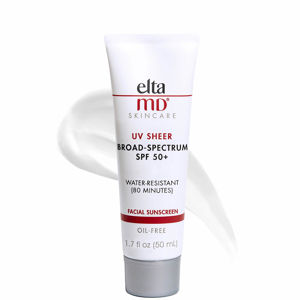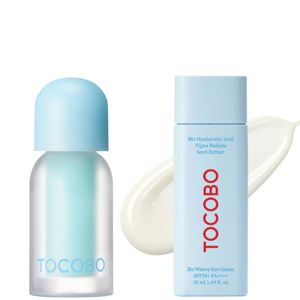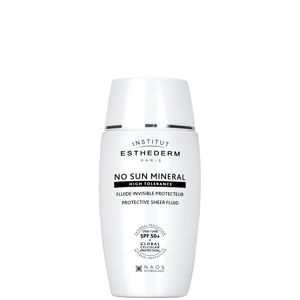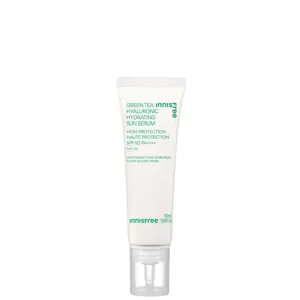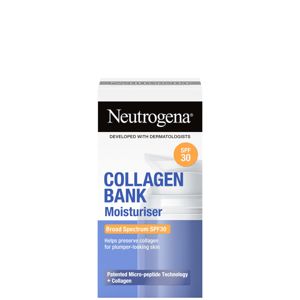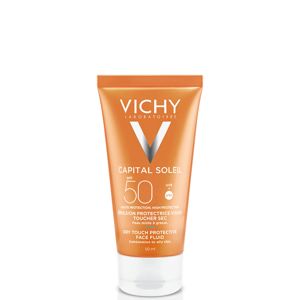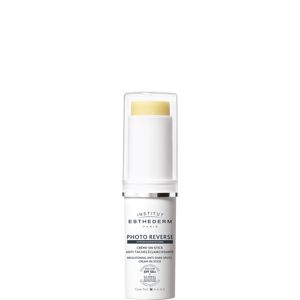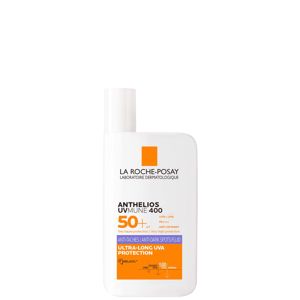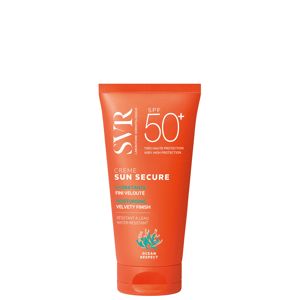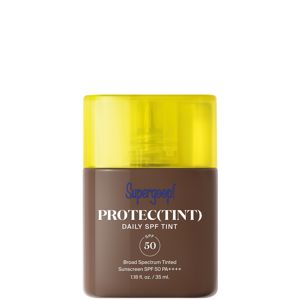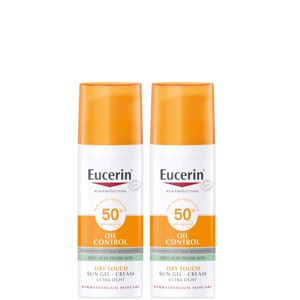
Our price tracker flags a pattern every summer: mineral formulas run out first at prestige counters, while chemical sunscreens surge in volume at mass retailers. The sell-through curves split in late May and peak on holiday weekends. That gap looks less like hype and more like a sign that women want different SPF solutions for different days.
We also see a stubborn price spread across merchants. The same SPF can swing by several dollars between Ulta, Amazon, Sephora, and Target during peak season. Tinted mineral tubes tend to sit at a higher price per ounce than clear chemical gels. That price gradient leads many women to ask a fair question: which type actually works better?
Short answer: better for what? Protection, comfort, makeup grip, and irritation risk all matter. The right choice depends on your skin, your climate, and how you wear the rest of your routine.
Context: what SPF ratings do and don’t tell you
SPF measures UVB protection. UVB drives sunburn. SPF 30 filters about 97% of UVB; SPF 50 filters about 98%. That last percent buys margin when you don’t apply enough, but no sunscreen blocks 100%. Broad spectrum labeling signals UVA protection too. UVA reaches deeper, fuels hyperpigmentation, and hits your skin through clouds and windows.
The FDA set broad spectrum rules more than a decade ago and still reviews newer filters that Europe and Asia already use. That review pace affects the texture options you see in the U.S. aisle. You often find avobenzone, octisalate, homosalate, and octocrylene in chemical formulas here, while zinc oxide and titanium dioxide anchor mineral products.
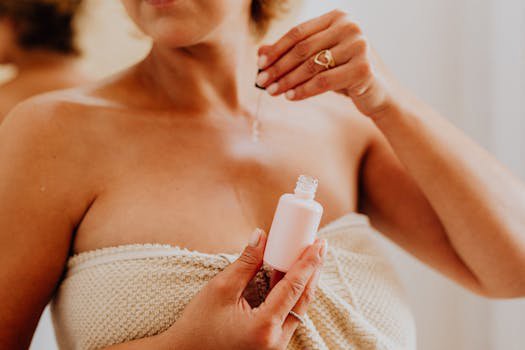
Application makes the biggest difference. Use two finger-lengths for face and neck, a shot-glass amount for your body, and reapply every two hours when you get sun. Water resistance claims (40 or 80 minutes) tell you how long a product maintains its SPF during swimming or sweating. No product stays “set and forget.”
{{IMAGE:woman applying sunscreen outdoors}}Mineral filters: how zinc oxide and titanium dioxide behave
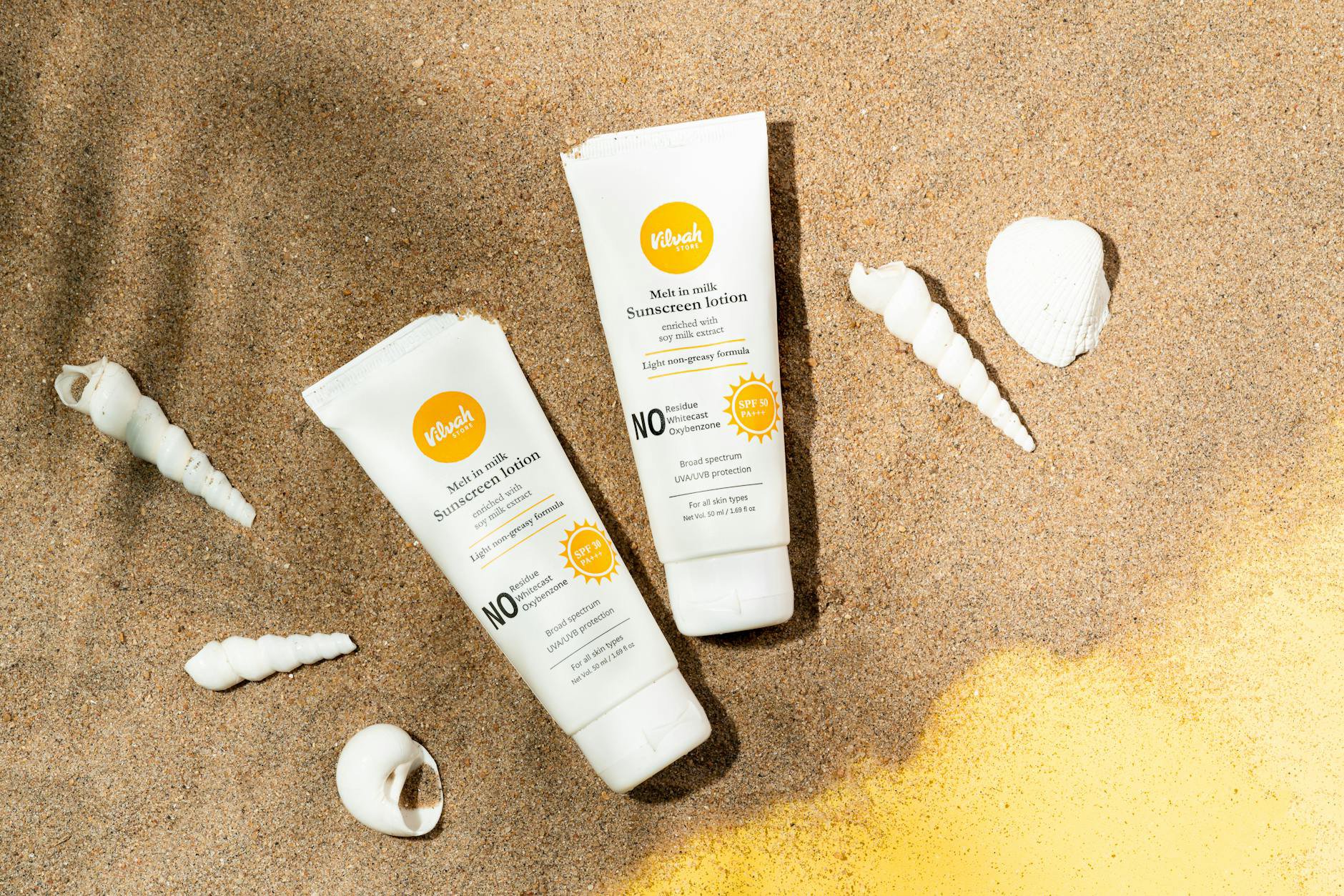
Mineral sunscreens use zinc oxide and titanium dioxide. These filters sit on top of the skin and also absorb UV energy within the film. Formulators mill them down to micro or nano sizes, then suspend them so the film lays smooth. That technology reduces chalky residue, but it doesn’t erase it on every skin tone.
We rate zinc-forward formulas for sensitive or irritated skin. Zinc oxide covers UVA1 through UVB well. Titanium dioxide brings strong UVB coverage and partial UVA. Many brands combine both for balance. If you flush with heat, struggle with stinging from fragrance, or treat breakouts with retinoids or acids, mineral often feels calmer.
Finish trends vary. You can find silky silicone-based fluids that set like primer, fluffy creams that soothe dry patches, and thicker sticks that hold on through surf. Mineral films can look matte on oily skin, which many women like under makeup on humid days. On very dry skin, mineral formulas can catch on flakes. Pair them with a hydrating base. A lightweight serum underlayer from categories like Day Face Serums can help the film glide without pilling.
White cast remains the sticking point. Deeper complexions often see a gray or lavender cast from zinc and titanium. Tinted mineral SPFs with iron oxides reduce that effect and add visible light protection, which many dermatologists recommend for melasma-prone skin. You still need enough product for full protection, so a tint that matches your undertone makes a difference. Check shade ranges and always test the dry-down in daylight if you can.
Chemical filters: why texture wins and when it matters
Chemical sunscreens rely on organic filters like avobenzone, octisalate, homosalate, and octocrylene. These filters absorb UV energy and convert it to a lower-energy form before it can damage skin cells. Brands blend filters to cover the UVA and UVB spectrum and add stabilizers so the film holds up in sun.
Women reach for chemical formulas when they want an invisible finish. Clear gels and weightless lotions vanish on deeper skin tones and leave no white cast. Makeup glides on top because the film sits thin and smooth. That sets chemical sunscreen up as a weekday workhorse under foundation.
You still need to check for triggers. Some women react to certain filters or to fragrance and alcohol that often travel with them. If you feel stinging around the eyes or hives on the neck, switch types or seek a fragrance-free option. Brands like Clinique and Shiseido tend to offer several fragrance-free, makeup-friendly choices in the U.S. market. Keep a backup in your bag so you never skip reapplication.
Modern chemical blends often feel less greasy than older generations. You can find serum textures that sit well on oily or combination skin and emulsions that comfort normal-to-dry skin. For shoppers who want that featherweight feel, chemical filters still dominate the texture race in U.S. aisles.
Makeup compatibility: keeping your base smooth
SPF and makeup can get along when you use thin layers and let each step set. We see fewer pilling complaints when women wait a full five to ten minutes between skincare, sunscreen, and base makeup. Set a timer if you rush in the morning. That pause allows the film to form and reduces drag when you add pigment.
Mineral SPF often plays well as a priming step because zinc leaves a slight grip. If you wear silicone-heavy primers, layer with care. Use either a light primer or your mineral SPF as your primer, not both. If you want a separate priming step, consider a breathable option from Face Primers that controls shine without texturizing dry patches.
Chemical SPF usually wins under full-coverage foundation because it stays invisible and doesn’t thicken the base. We see strong feedback for satin or natural-finish foundations from brands like Charlotte Tilbury and MAC over lightweight chemical sunscreen. Many women set the T-zone with powder and tap a little cream blush on top. Keep your SPF as the last skincare step, then move to makeup. Do not mix it into your foundation; dilution drops protection.
Reapplication challenges every makeup wearer. You can top up with a sheer SPF mist or a tinted mineral powder. Build thin layers and blot first if you feel slick. For shade and price options, check our SPF Protection Products page, add favorites to your wishlist, and we will ping you when the price dips at Sephora, Ulta, Nordstrom, or Amazon.
{{IMAGE:women with diverse skin tones wearing tinted mineral sunscreen}}Sensitive, acne-prone, and melasma: matching SPF to skin behavior
Sensitive skin likes fewer triggers. Mineral filters tend to sting less and calm redness. If you flush, burn easily, or use retinoids and exfoliating acids, you may prefer zinc-heavy formulas, especially in winter or after peels. Scan labels for fragrance, essential oils, and denatured alcohol if your skin reacts fast.
Acne-prone skin needs breathable films. Both mineral and chemical systems can clog when the base uses heavy emollients or occlusive waxes. Look for fluid textures labeled non-comedogenic and avoid rich butters on hot days. A light gel-cream moisturizer under SPF from categories like Day Face Moisturisers often gives enough slip without crowding pores. Keep the finish soft-matte if sweat builds up in your climate.
Hyperpigmentation demands strict UVA coverage and visible-light defense. Mineral SPF with iron oxides in a tinted base helps because iron oxides filter visible light, which can worsen melasma. Chemical formulas can also protect well; choose broad spectrum SPF 50 and consider a tinted layer on top. Pair consistent SPF with a targeted serum from Anti Ageing Face Serums if you chase tone evenness. Wear a hat and seek shade during midday sun, especially in the southern states.
Eye area care needs gentle formulas that do not migrate. Sticks and thicker creams (mineral or chemical) tend to stay put through sweat. If every SPF stings your eyes, try a zinc-only stick on the orbital bone and use sunglasses for extra coverage.
Climate matters: humid south, dry west, cold northeast
Humidity changes everything. In the Gulf Coast and Southeast, sweat challenges any film. Aim for water-resistant labels and a satin or matte finish. Powder or gel textures help makeup hold. We track higher sell-through for water-resistant facial SPFs in Texas and Florida stores in July and August. That data aligns with feedback from women who need grip in heat.
In the arid West, skin drinks water and flakes fast. Choose hydrating or creamy SPF with glycerin, squalane, or hyaluronic acid. Mineral films can cling to dry patches, so lock in moisture first. Layer a light serum, then sunscreen, then a luminous base from Liquid Foundations if you prefer glow.
In the Northeast and Midwest winters, wind and cold strip the barrier. Richer SPF textures help, and mineral formulas often soothe redness from temperature swings. On the flip side, New York and Chicago summers run sticky. Keep a lighter SPF in your bag for seasonal switch-ups. Our wishlist alert will catch early fall clearance as retailers reset shelves after Labor Day.
Beach and mountain trips raise the stakes. Choose SPF 50, water resistance, and reapply often. The snowfield bounce at altitude hits hard with UVA. The same goes for ocean glare. Pack more than you think you need, and go for visible coverage you enjoy using all day.
White cast, tint, and deeper skin tones
White cast remains the most common complaint we read in SPF reviews from women with medium-deep to deep skin. Mineral filters sit white out of the tube because zinc and titanium are opaque. Micronization helps but does not erase cast at the quantity you need for full protection.
Two workarounds show the best results. Tinted mineral sunscreen with iron oxides improves blend and protects against visible light. Or, choose clear chemical filters for your base layer and add coverage with a tinted moisturizer or foundation. Brands like L'Oréal, Garnier, and Estée Lauder offer wide shade ranges in complexion products that pair well over lightweight SPF.
Do not under-apply to avoid cast. That move reduces real protection on the cheeks and forehead, where melasma often flares. If you still see a gray edge, press a thin layer of your foundation or a tinted powder over the perimeter of the face and high points. Let the sunscreen set before you add pigment. Those small steps add up.
When you shop online, watch model photos and filters lists. Look for “invisible,” “clear gel,” or “tinted” in the title. Save the ones that match your tone to your GlamGeek wishlist so our alerts can catch price drops across Sephora, Ulta, or Amazon. We often see midweek dips and bundle values in late spring.
Sweat, water, sport: choosing SPF for movement
Labels with 40- or 80-minute water resistance signal a film that holds during swimming or heavy sweat. For workouts and beach days, grab those and set a reapplication schedule on your phone. Sticks and gels help with rub-prone spots like shoulders, straps, and bra lines.
Mineral sticks serve well around the eyes and for touch-ups on the nose. They won’t drip as fast. Chemical gels feel lighter on the body and spread faster, which helps when you cover arms and legs in a hurry. Sprays work best when you use them as a first coat and then rub in. Hold the nozzle close to the skin and spray until you see sheen, then blend. Wind strips mist before it lands, so step indoors or shield your skin while you spray.
After exercise or a swim, reapply even if you wore a hat. Towels and sand act like exfoliants and cut the film. Keep a backup tube in your car or tote. For smooth body reapplication, look at fast-absorbing lotion textures within SPF Protection Products. Add your pick to our price tracker, and we’ll show options from mass and prestige side by side.
Ingredients and irritation: how to read a sunscreen label
The active ingredient list tells you the filter type. Zinc oxide and titanium dioxide mean mineral. Avobenzone, octisalate, homosalate, octocrylene, or combinations signal chemical. Look for “broad spectrum” every time. That claim confirms UVA coverage.
Scan the base for potential irritants for your skin. Fragrance can trigger redness for some. Certain alcohols add slip and speed dry-down; they can tingle on very sensitive skin but feel fine for oily types. Silicones often help makeup glide and do not clog pores for most. If you react to one filter but like the finish, test a different blend in the same texture class.
Stability matters too. Avobenzone needs a stabilizer. Octocrylene often plays that role, so you’ll see them paired. If you avoid octocrylene, look for other stabilizer systems or pick zinc-based products. Formulators solve these puzzles for you, but the label gives you clues.
If you plan a pregnancy or breast-feeding, speak with your physician if you feel unsure. Many women choose mineral during that time for peace of mind. That choice comes down to comfort and counsel, not fear.
Sustainability, reef rules, and formats
Hawaii and some U.S. jurisdictions restrict products with oxybenzone and octinoxate in beach zones. Many brands label mineral sunscreens as “reef friendly,” but no global standard defines that claim. If you want to align with bans, choose products without those two filters for beach travel. Shirts, hats, and shade still protect better than any bottle.
Pick formats you will finish. Large family bottles cut waste but expire if they sit in a closet. Facial tubes and sticks travel well and reduce overpour. Powders help with reapplication on makeup but work best as a top-up, not your only layer. We see steady value in bundles within Skin Care Sets in May and June; those kits often include a face SPF and a body size together.
Packaging affects ease. Pumps keep fingers out. Squeeze tubes weigh less in a beach bag. Flip caps with sand-friendly hinges keep grit out. The best SPF remains the one you use every day. Choose the bottle that makes that habit feel simple.
Price, stock, and where to shop
Our feed pulls prices daily across Sephora, Ulta, Target, Nordstrom, Amazon, and more. Prestige mineral SPFs often track at a higher price per ounce than mass-market chemical formulas. Tinted mineral options also hold their price in-season and drop less on flash sales. Mass retailers run BOGO and cart coupons more often; prestige retailers focus on seasonal events and loyalty tiers.
We see strong SPF promotions during Ulta 21 Days of Beauty, Memorial Day, and Labor Day. Sephora’s Spring Savings Event puts select SPFs in cart-level discounts. Amazon’s Prime-related events produce surprise dips on well-rated body SPFs. Nordstrom and Bluemercury spotlight bundles. If you stay flexible on brand, you can score texture dupes and save.
Use our product pages to check live comparisons. Start with SPF Protection Products and filter by finish, brand, and form. Add contenders to your wishlist and we’ll ping you when the price drops. Compare the ounce size, not just the sticker, and decide whether the finish fits your priorities under makeup or for the beach.
So, which type is better?
We won’t crown a single winner because the job changes by day. Mineral filters shine for sensitivity, immediate protection, and visible-light defense when paired with iron oxides. Chemical filters win for invisible wear on deeper complexions and for lightweight comfort under makeup. Both protect when you apply enough and reapply on time.
Let your skin, your routine, and your setting decide. If you break out or flush, lean mineral. If you hate white cast or need a weightless base for a long office day, lean chemical. If you fight melasma, add tint and hats. If you surf or run, pick water resistance and keep a stick for touch-ups. Then shop smart with price alerts so you finish the bottle, not your budget.
What this means: practical takeaways you can use now
Use this simple guide and you won’t overthink it:
- For daily office wear on medium-deep to deep skin: choose a broad spectrum chemical SPF that dries clear. Layer your base from Liquid Foundations on top if you want coverage.
- For sensitive or post-treatment skin: reach for zinc-based mineral SPF. Add a hydrating layer from Day Face Serums first if you feel dry.
- For melasma or stubborn dark spots: use a tinted mineral SPF with iron oxides. Keep SPF 50 for midday sun. Reapply with a tinted powder if you wear makeup.
- For workouts or beach: buy SPF 50 with 80-minute water resistance. Pack a stick for eyes and nose. Set a reapplication alarm.
- For makeup grip: try mineral as primer, or use a thin chemical layer plus a light primer from Face Primers. Wait ten minutes before foundation.
- For budget planning: browse our SPF Protection Products and add picks to your wishlist. We track prices across Sephora, Ulta, Target, Amazon, Nordstrom so you don’t have to.
Apply plenty, reapply often, and pick the finish you enjoy. That habit beats any micro-debate about filters. One woman’s perfect matte zinc stick becomes another woman’s no-go. Your best SPF is the one you use every single morning and keep in reach for top-ups.
Tell us your SPF plan
Do you reach for a clear chemical gel for everyday wear, or a tinted zinc formula for visible-light coverage? Which finishes hold up in your climate? Save your current favorite on GlamGeek and turn on price alerts, then share your pick and skin type in the comments. Your notes help other women pick smarter, shop faster, and get more from every sunny day.