Our price tracker flags the same pattern every winter: face oil sales climb, then search traffic for “SPF pilling” spikes. The order you layer products drives both results. Get it right and your skin looks smooth and protected. Get it wrong and your sunscreen rolls off in little crumbs before breakfast.
Women want glow, cushion, and UV protection. You can have all three. You just need the right textures, the right timing, and the right order.
We wrote this guide to settle it with clear rules and practical tweaks. No guesswork. No gummy layers. Just a routine that cooperates from sink to sunscreen to foundation.
Context: What each step actually does — and why order matters
Moisturizers deliver hydration and hold water in the skin. Most rely on three families of ingredients: humectants (like glycerin) that pull water into the top layers, emollients (like fatty alcohols and triglycerides) that smooth texture, and occlusives (like petrolatum and certain oils) that slow water loss. Face oils sit mostly in the emollient or occlusive camp. Sunscreen sits in a category of its own. It must form a uniform film to absorb, scatter, or reflect UV.
That film matters. Sunscreen needs a stable, even layer to reach its rated SPF. Disrupt that film and protection drops. That is why sunscreen should sit last in your morning skincare, before makeup. Let it set. Then build color on top with care.
How much matters too. Dermatology labs test SPF at 2 mg/cm², which comes out to about two fingers of product for face and neck or roughly 1/4 teaspoon. Use at least SPF 30. You get around 97% UVB filtration at SPF 30 and more at SPF 50. Reapply every two hours if you stay in direct sun.
We have tracked prices since 2010. Discount cycles follow a rhythm. Expect stronger sunscreen promos around March and April, when retailers push summer prep. Watch for Ulta’s 21 Days of Beauty in March and September, Sephora’s Spring Savings Event in April, and Black Friday in November. Add your picks to your GlamGeek wishlist so you catch a price dip without refreshing ten retailer tabs.
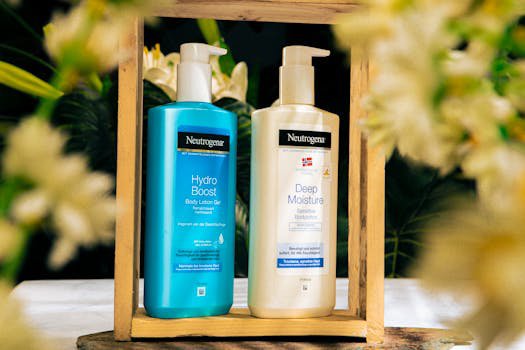
{{IMAGE:sunscreen face oil moisturizer flatlay}}The chemistry of layers: oils, water, and film formation
Think about density and polarity. Water-based products sink fast because skin drinks water and small humectants. Oils tend to sit closer to the surface and slow evaporation. That makes oil a great seal at night. It also makes oil risky right before sunscreen because oil can disturb the sunscreen film or dilute filters as you massage it around.
Formulators build moisturizers to play well under sunscreen. They blend humectants, light emollients, and film-formers that don’t break sunscreen structure. Straight oils bring less structure. Some plant oils feel wonderful and add antioxidants, but they still act like free agents on the skin surface. If you apply a slick oil, then rub in sunscreen, you can lift the oil as you blend. That blend can cause patchy coverage and pilling.
Texture stacking helps. Put the thinnest, most watery layers first. Follow with lotion or cream. Keep oil light in the morning or skip it. End with sunscreen. The film from sunscreen should not meet a heavy oil right before it sets. That rule holds whether you choose all-chemical filters, all-mineral, or hybrids. Mineral formulas create a physical layer with zinc oxide and titanium dioxide. These take a moment to set and can grab onto anything slippery beneath. Chemical formulas rely on organic filters that need even distribution. Both ask for a clean, stable base.
One more point: not all “oils” behave the same. Squalane feels like an oil but sinks fast and plays well with sunscreen in tiny amounts. Heavier oils rich in oleic acid feel lush but can sit longer on top. Choose the right tool for the job and the timing in your routine.
AM routine that cooperates with SPF (and your makeup)
Build your morning steps around sunscreen. That means you decide how much glow you want from skincare, then keep the SPF film intact.
A clean, simple order works best:
- Cleanser: Use a light gel or cream. Rinse well. Pat dry. No slick residue.
- Hydration: Apply a water-based serum with humectants or antioxidants. Keep it thin. You’ll find many options in Day Face Serums.
- Moisturizer: Choose a lotion or gel-cream if you plan to add oil. Shop textures in Day Face Moisturisers.
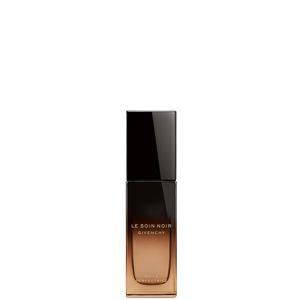
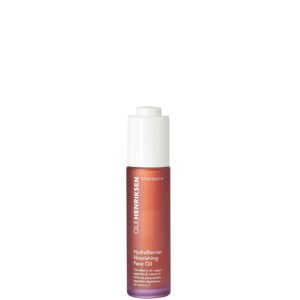
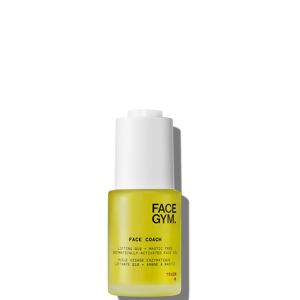
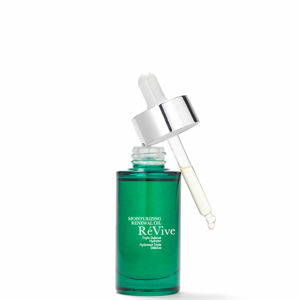
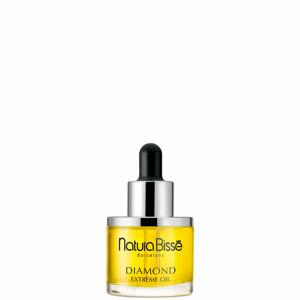
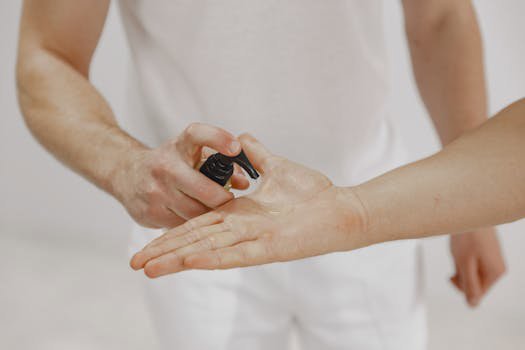
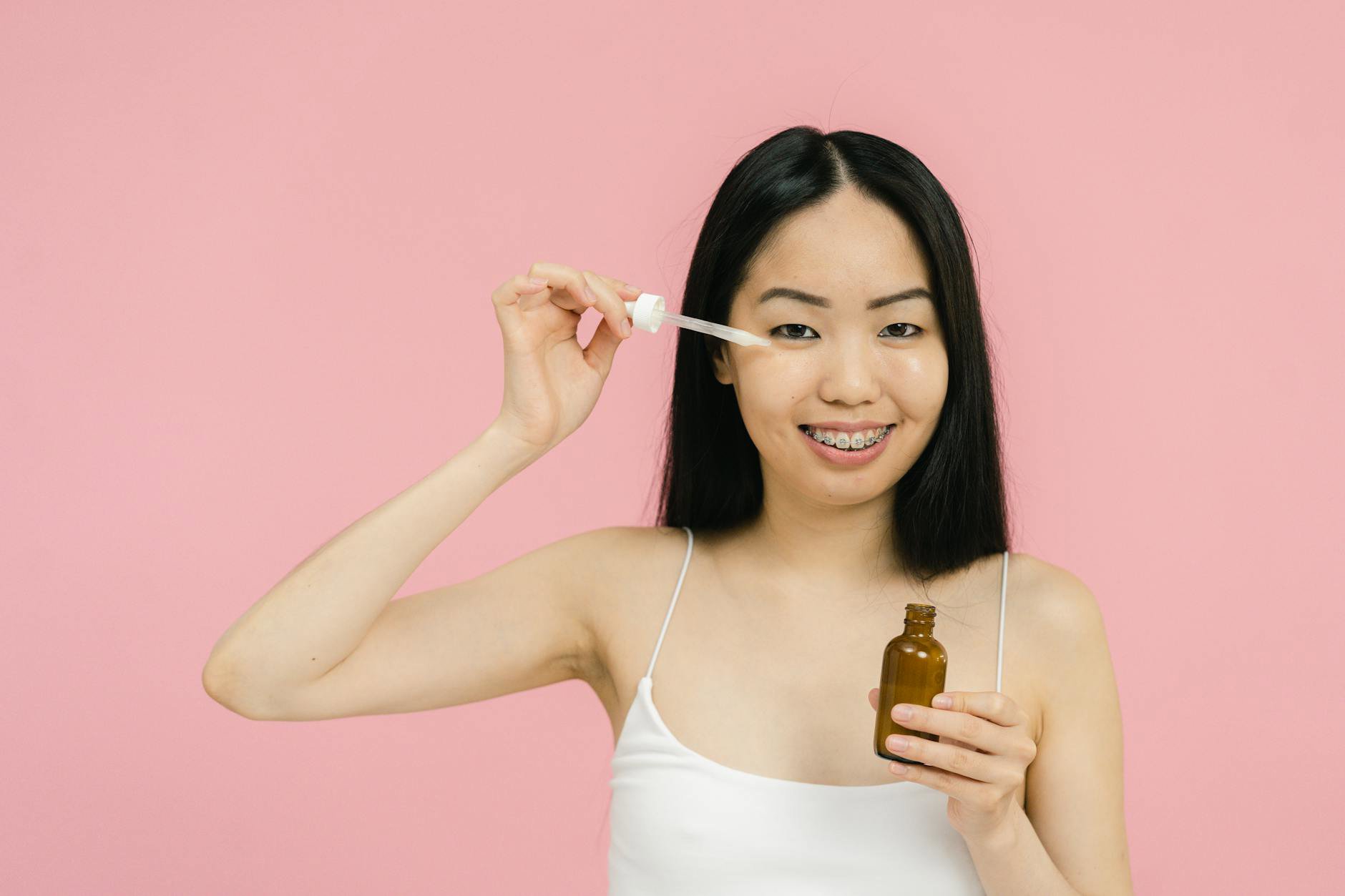
- Face oil (optional): Use a micro-dose. One to two drops only. Press, don’t rub. Or mix the drops into your moisturizer to reduce slip.
- Sunscreen: Apply generously as the last skincare step. Explore formulas in SPF Protection Products.
Make two tweaks if you fight pilling. First, mix the oil into your moisturizer instead of layering it as a separate step. This tactic distributes emollients evenly so you avoid an oily “pocket” under your sunscreen. Second, spot-place oil on dry areas only. Keep your T-zone oil-free. That reduces the friction when you smooth on SPF.
Wait times matter. Give each step 60–90 seconds to settle. Then apply sunscreen with a light touch. Use two lines down your index and middle finger, then dot across face and neck. Press and glide. Avoid hard circles. Let it set for three to five minutes before makeup.
Prefer a one-and-done texture? Pick a richer moisturizer and skip morning oil entirely. Brands like Clinique make gel-creams that hug water without heavy slip. Many Japanese and French sunscreens feel elegant over a light moisturizer. If you want water resistance for outdoor runs, look at Shiseido for high-performance textures. Check our price comparison before you buy; we often see a spread across Sephora, Ulta, Target, Amazon, and Nordstrom.
PM routine that seals hydration without clogging pores
Night offers space for oil. You don’t protect skin from UV after dark. You hydrate and repair. Let oil do what it does best: slow water loss and add slip for a massage-friendly finish.
Build an efficient order:
- Double cleanse if you wore sunscreen and makeup. Use a balm or oil cleanser, then follow with a gentle water-based wash. Rinse clean.
- Water-based serums or treatments come next. Retinoids, peptides, or acids need contact with skin before heavy occlusives.
- Moisturizer locks in water from your serums. Adjust texture by season. Gel in humid months. Cream in cold, dry air.
- Face oil seals. Two to six drops do the job. Press the oil over cheeks and any tight areas. Skip the nose if you get shiny.
Choose the right oil for your plans. Pair retinoids with squalane or oat oil to cushion potential dryness. Keep alpha hydroxy acid nights lighter. Heavier oils can slow down acid penetration, which some women prefer to reduce sting. If you break out, avoid rich, oleic-acid-heavy oils all over. Focus on cheeks and outer face. Keep the center light.
One more PM trick: blend oil with your cream in your palm when you feel lazy. That makes one custom layer. It works well in winter when radiators run and the air feels dry. You can still adjust shine control by where you apply that mix.
Pick the right oil for your skin and your climate
Face oil is not one thing. Skin type and local weather should drive your choice. The right match delivers glow without congestion, and cushion without grease.
Consider these profiles:
- Dry or mature skin: Look for squalane, meadowfoam seed, borage, or avocado oils. These bring emollients and a velvety finish. They pair well with ceramide creams at night.
- Combination skin: Try squalane, camellia, or jojoba. They feel lighter and mimic skin’s own sebum profile. Keep amounts low in the morning.
- Acne-prone or congested skin: Reach for squalane or hemp seed oil. They feel fluid and don’t suffocate pores when used sparingly. Keep oil mostly at night.
- Sensitive or redness-prone skin: Oat, rosehip, and squalane add comfort. Patch test rosehip if you sit in the sun often, since it contains natural color compounds.
Think about climate too. In the humid South, your skin already drinks water from the air. You can keep oil as a PM-only step for most of the year. In the dry West, wind and altitude pull water out of skin fast. A few drops at night make a visible difference, and a micro-drop under moisturizer in the morning can help cheeks stay calm. In cold Northeast winters, many women build a richer sandwich at night: serum, cream, then oil.
Scan ingredient lists and steer clear of heavy fragrance if your skin flushes easily. Essential oils can smell nice but may irritate. If you want a gentle route, pick fragrance-free blends or single-ingredient squalane.
Slow down any oil exploration when you plan sun-heavy days. Some natural extracts add antioxidants, which sounds great. But they still act like oils under sunscreen. Keep AM amounts tiny or skip oil those mornings. Save your bigger glow for the evening.
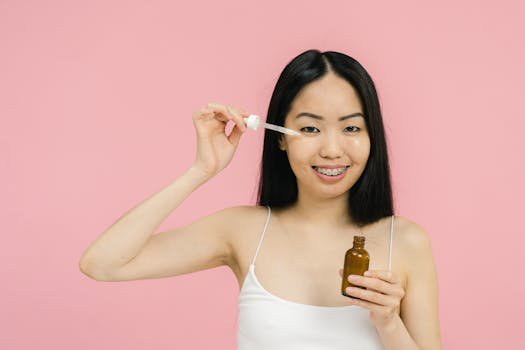
{{IMAGE:woman applying sunscreen in mirror}}Stop pilling and tame shine: technique fixes that work
Pilling comes from too much friction, too many polymers, or a mismatch of textures. Many modern serums and moisturizers use film-formers for smooth feel. Sunscreens also include film-formers to set protection. Stack too many and you build a rubbery surface that rolls as you rub.
Simple steps fix most issues:
- Use less product per layer, but don’t short sunscreen. Respect the full sunscreen dose. Trim earlier layers instead.
- Reduce friction. Pat on each step. Glide sunscreen with minimal pressure.
- Watch your polymers. If you see lots of acrylates and silicones across steps, simplify your base. Keep one or two polymer-heavy products, not four.
- Mix micro-drops of oil into moisturizer rather than layering oil alone under SPF. That reduces slip and hotspots.
- Let sunscreen set for three to five minutes before makeup. Don’t rush.
Consider a bridge product if you wear foundation. A thin, grippy primer can shield your sunscreen from rubbing. Browse options in Face Primers. Many shoppers rate soft-focus, silicone-based formulas for this job. We also see interest in hydrating primers from brands like Charlotte Tilbury. They add slip for foundation without breaking up sunscreen once it sets.
Shine control starts before powder. Pick a lighter AM moisturizer. Skip oil most mornings if you live in humidity. If you must use oil in the day, keep it to one drop on cheekbones only. Then switch to a satin or natural-finish base. You’ll find a broad range in Liquid Foundations. If you love a dewy finish, add it later with cream highlighter on strategic points. Don’t load dew under sunscreen and then ask powder to fix the slickness.
Makeup and SPF: application order, reapplication, and real-world hacks
Set sunscreen first. Then apply primer, then foundation, then the rest of your makeup. Give sunscreen a short window to form its film. That pause helps every layer afterward.
Blend base with tools that reduce friction. Try a damp sponge for foundation instead of dense brushes. Brushes can tug on sunscreen and disturb coverage. If you prefer a brush, use feathery strokes and minimal pressure. Let concealer sit for a few seconds before blending so the solvents evaporate.
Midday reapplication challenges everyone. You still need it if you stay in direct sun. Blot first. Then add a thin second coat of sunscreen with a tapping motion. Sticks and comfortable gels help when you sit at a desk between Zoom calls. Powders with sunscreen exist, but they rarely deliver enough coverage to replace a proper reapplication. Use them as a top-up over a fresh thin layer of SPF or for shine control only.
If you love a long run or beach time, pick a water-resistant sunscreen. Shiseido built a reputation for high-performance textures that set well on skin. You still need generous application and reapplication after toweling. Our price tracker often catches those on promo when outdoor gear goes on sale too. Add them to your GlamGeek wishlist and we’ll ping you when the price drops at Sephora, Ulta, Amazon, or Nordstrom.
One last compatibility tip: skip face oil on mornings when you plan layered cream bronzer, cream blush, and sunscreen. That much emollience can turn to slip city. Get dew from makeup instead. Then seal with a light powder or a targeted blot on the T-zone.
Shop smart: formulas, retailers, and price timing
Texture drives success, so shop by feel and finish first. In stores, test moisturizer and sunscreen together on your wrist. Look for fast set time and minimal roll. Online, scan ingredient lists and reviews, then compare prices across retailers.
Budget and access also shape your cart. Target and Amazon carry value sunscreens and simple oils from drugstore brands. Sephora, Ulta, and Nordstrom offer a wider spread of textures, including gel-creams and elegant filters. We track prices across all of them. We often see the same item at very different prices the same week. Check our comparison on any product page before you check out.
Brands cluster by texture. Clinique often nails gel-cream moisturizers that suit morning routines. Shiseido sits in many workout bags for water-resistant SPF. If you shop in the value aisle, you’ll find light hydrators from global groups like L'Oréal as well. When you spot a formula you like, add it to your GlamGeek wishlist. We’ll alert you when Sephora runs Spring Savings in April or when Ulta features it during 21 Days of Beauty in March and September. Black Friday in November and Memorial Day sales in May also deliver strong sunscreen deals.
Before you buy a primer or foundation to wear over sunscreen, browse our Face Primers and Liquid Foundations categories. Filter by finish and read what women say about pilling or grip. We pull reviews and prices into one place so you move faster and spend less.
What this means: your no-pilling, no-shine playbook
Keep the rule simple. In the morning, hydrate with water-based steps first. Use a light moisturizer. If you want oil, keep it to a tiny drop mixed into your cream, or skip it. End with a full, even coat of sunscreen. Give it a few minutes to set before makeup. Press, don’t rub.
At night, lean into oil if you enjoy it. Build hydration first with serums. Follow with moisturizer. Seal with oil as your last layer. Adjust the richness by season and zone. Put more on cheeks. Keep the T-zone lighter. Rotate textures as weather changes, and you won’t need to fight midday shine.
If pilling shows up, simplify. Reduce polymer-heavy layers. Decrease friction. Respect wait times. Let a thin primer bridge skincare and base if you wear makeup. Test combos on your wrist before you commit to a full-face routine on a busy morning.
Shop with a list and a plan. Use our price comparison to check the same product across Sephora, Ulta, Target, Amazon, and Nordstrom. Add contenders to your wishlist and catch the next discount wave without guesswork. Good layers, smart timing, and the right textures save both your face and your wallet.
What combo do you want us to road-test next in the data? A gel-cream plus mineral SPF, or a lotion plus hybrid filters? Tell us your trick for keeping sunscreen set under makeup, and add your current favorites to your GlamGeek wishlist so we can watch prices for you.
![Lumene Nordic Hydra [Lähde] Moisturising Prebiotic Oil-Cocktail](https://media.glamgeek.com/media/2026/01/17/6562b979-cb7e-45f3-925e-7fa3b3f16824_sm.jpg)