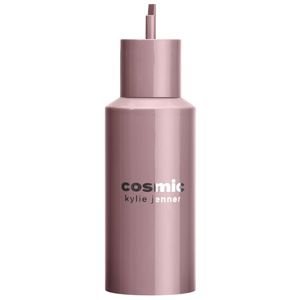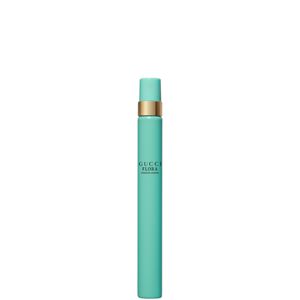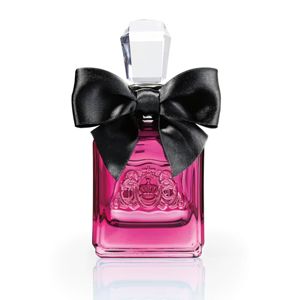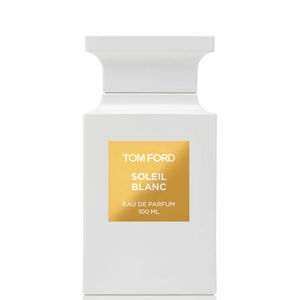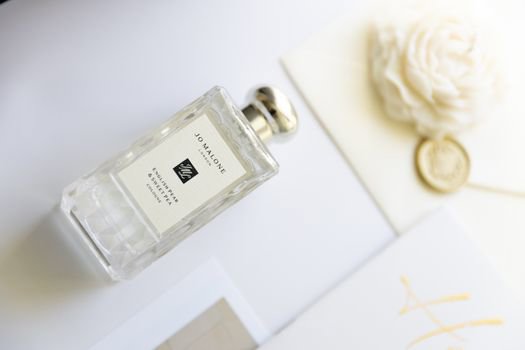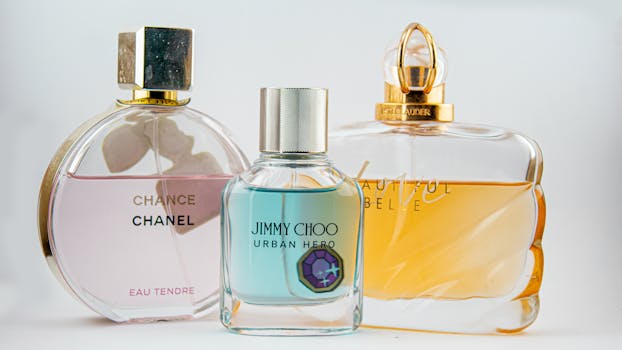
Our price tracker flags a pattern every sale season: jumbo Eau de Parfum bottles headline the banners, and women add them to carts during Sephora Spring Savings, Ulta 21 Days of Beauty, and Black Friday. Bigger looks like better value. It can be. Until that 3.4 oz sits half-full two years later and smells off.
Perfume doesn’t go moldy like milk, but it doesn’t stay static. Oxygen, light, and heat change the scent over time. If you’ve ever wondered whether Eau de Parfum expires or how to store it so it stays gorgeous, you’re not alone. We track fragrance pricing and restocks across major retailers, and questions about shelf life always spike around gift sets and seasonal haul periods.
Here’s the straight answer: yes, Eau de Parfum can turn. The good news? Smart storage and buying habits slow that clock. And you don’t need a lab or a wine fridge to do it.
Context: how the industry treats shelf life
Most mass-market fragrance houses fill Eau de Parfum (EDP) at 15–20% aromatic compounds in alcohol. Eau de Toilette (EDT) often sits lower. Concentration shapes how loud a perfume feels, but it also affects stability. High alcohol content protects perfume from microbes, yet it doesn’t halt oxidation. Oxygen wins in the long run.
You’ll find a batch code on the bottle or box. That code lets you estimate production date with a decoder on the brand’s site or a reputable database. Many alcohol-based fragrances include a Period After Opening (PAO) symbol showing 24–36 months. Not every EDP lists it, especially in the US, but it’s a clue when available. Either way, the nose knows: chemical change drives the true “expiration,” not a stamped date.
Natural materials age differently than synthetics. Citruses and some aromatics lose brightness first. Heavier base notes like vanilla, patchouli, resins, and woods often survive longer and may deepen with time. A classic amber from a house like Guerlain can feel rounder after a few years, while a sparkling citrus floral from Lancôme may fade up top sooner if you store it on a sunny vanity.
Retailers move stock on different cycles. We see fresh launches push older batches into sale bins near seasonal events. That doesn’t mean the scent has turned. It does mean you should store it well once you open it. Pricing also varies widely by retailer; our comparison tool often shows a spread. Check before you buy, and add wishlist alerts for drops.
{{IMAGE:woman organizing perfume bottles on a vanity}}How long does Eau de Parfum last?
Unopened and kept cool and dark, most EDPs hold well for 3–5 years. We’ve seen bottles from heritage brands like Estée Lauder or Clinique smell fresh even beyond that when stored in their boxes in a closet. Once you open the bottle, air enters through the atomizer tube. That starts the slow shift.
Opened bottles usually keep their character for 2–3 years if you store them away from light and heat. Some last longer. It depends on the formula, the packaging, and your habits. A clear bottle sitting near a steamy bathroom shower exposes the juice to heat and humidity every day. That shortens usable life. An opaque bottle in a drawer often stays beautiful longer.
Spray bottles keep air exposure low compared to splash bottles. Travel minis with tight atomizers age well for their size. Rollerballs can introduce skin oils into the fragrance. That speeds up change. If you buy rollerballs for convenience, finish them within a year for best results.
Remember that climate matters. A dry Denver winter poses different storage challenges than a humid Florida summer. Aim for consistent, moderate temperature. Think bedroom drawer, not a car glovebox or window ledge.
Clear signs your EDP has turned
Perfume doesn’t always shout that it expired. It whispers. Look and smell critically before you decide.
Watch for these changes:
- Color deepens or shifts noticeably, especially in a clear bottle. Mild darkening can be normal in resinous or vanilla-heavy scents. Sharp browning in a bright citrus floral suggests oxidation.
- The top notes disappear on contact. You spray and get no sparkle or lift, just a flat base right away.
- An off note intrudes. Think sour, metallic, vinegary, or powdery-stale. Some describe a crayon-like edge. That signals oxidized citrus or degraded musk.
- Longevity and sillage collapse. The scent vanishes within an hour, even on clothing, where it used to linger all day.
- Sediment or cloudiness appears in what was once clear. That often happens in natural-heavy formulas.
- The atomizer clogs or dribbles, and the spray smells different from the first press to the last. That inconsistency often hints at partial evaporation and concentration shifts.
When in doubt, test on a tissue first. Let it dry for 30 seconds, then sniff. If you still love it and your skin tolerates it, keep using it. If you detect sour or metallic edges and it irritates your skin, retire it.
The chemistry behind expiration
Fragrance oils react with oxygen. Light and heat speed that reaction. Oxidation alters small, volatile molecules first, so sparkling citrus and airy green notes fade or distort. Heavier base molecules handle oxygen better, which is why a gourmand or amber might hold up longer than a zesty cologne-style floral.
UV light also breaks chemical bonds. That’s why a bottle on a sunny vanity ages faster than one in its box. Many modern formulas include stabilizers like UV filters and antioxidants such as BHT. These slow change, but they don’t freeze it. Think of them as seat belts, not force fields.
Air enters the spray system over time. Each press pulls a little fresh oxygen into the headspace. The more empty space in the bottle, the more oxygen sits with the perfume. That’s why half-used bottles age faster than full sealed ones. Some collectors decant into smaller, opaque atomizers to reduce headspace. That works, but you trade gains for new oxygen exposure during decanting. Handle that step with care if you try it.
Water and skin oils can also interfere, especially with rollerballs and splash bottles. They can change the balance of the mix, and bacteria can produce off-odors over time. Alcohol still keeps microbes at bay in most cases, but contamination increases risk.
Storage that actually works at home
Skip the bathroom shelf. Steam and heat from showers accelerate change, no matter how pretty the display looks. Your best bet: cool, dark, stable. A bedroom closet or drawer beats a sunlit vanity every time.
Keep bottles in their boxes if you can. If you prefer them out, choose an opaque organizer away from windows. Consider a shallow cabinet or nightstand. Avoid storing near radiators, space heaters, or vents that blast hot or cold air.
What about the fridge? A standard kitchen fridge runs cold and humid, which can cause condensation around the sprayer. That moisture can creep in and change the balance. If you insist on cooling, use a wine fridge or a mini skincare fridge set to a moderate temperature and place bottles in a sealed bag with a silica packet to keep moisture low. Let the bottle warm to room temperature before spraying to avoid a muted opening.
Protect your investment on the go. Never leave perfume in a hot car. A glovebox can hit temperatures that stress both the juice and the atomizer seals. Treat fragrance like lipstick in summer: bring it with you, don’t store it there.
Organize by season and rotation. Keep what you wear now accessible and tuck backups in a drawer. Label the box flap with the month and year you opened it. That tiny note pays off when you wonder why a bottle smells different two summers later.
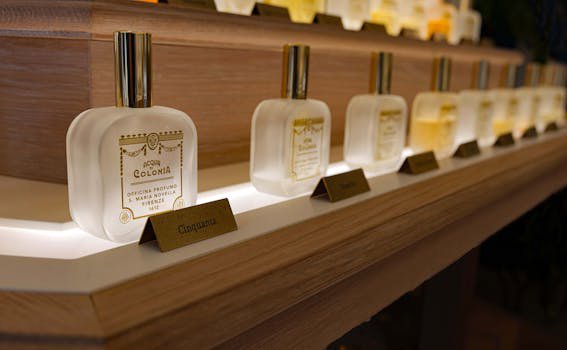
{{IMAGE:perfume bottles stored in a dark box}}Travel sprays and decants done right
Travel minis and decants stretch a full bottle and make touch-ups easy. They also introduce risks if you decant carelessly. Keep oxygen out and light away.
Pick opaque or frosted travel atomizers with tight seals. Fill only what you’ll use in a month or two. Use a clean funnel or syringe meant for fragrance if you decant from a splash bottle. Rinse tools with alcohol and let them dry fully before you start. Air trapped in tubing adds exposure, so fill in a steady stream and cap fast.
Rollerballs offer convenience but can pull skin oils into the mix. That speeds change. Choose spray minis when you can. If a favorite only comes as a rollerball, aim to finish it within a year, and store it in a pouch away from heat and light.
Flying? Cabin pressure can push liquid out if a sprayer leaks. Pop a bit of cling film over the neck before you screw the cap down. Then slip the atomizer into a zip bag. TSA’s 3-1-1 rule still applies, so keep travel sizes in that quart bag with your cosmetics. Treat your fragrance the same way you treat serums: shade and stable temperature work best.
Shopping for minis or discovery sets? Check our Eau de Parfum Perfumes page for current offers and value sets. We compare listings from Sephora, Ulta, Nordstrom, Amazon, and more, and we often see travel formats priced more competitively at one retailer than another. Add the one you want to your GlamGeek wishlist to get a ping when the price drops.
Smart buying so you don’t waste a drop
The biggest waste culprit isn’t a “bad” formula. It’s volume. A large bottle looks savvy on a per-ml basis, but only if you’ll finish most of it in two to three years. If you rotate many scents or wear lightly, consider the 1 oz or 1.7 oz size instead of the jumbo. You pay a bit more per ml but reduce the chance of tossing half a bottle.
Discovery sets and coffrets offer a smarter path if you love variety. Many houses, from Shiseido to Lancôme and Estée Lauder, bundle travel sprays so you can test drive before committing. We often spot these sets on better promo during Black Friday and post-holiday sales. Our comparison pages flag which retailer has the sharper bundle at a given moment.
Buy from authorized retailers to avoid stale stock. Counterfeits and heat-damaged goods show up on gray-market listings. That risk jumps on third-party marketplaces. If you shop Amazon, choose listings sold by the brand or its official store. If you hunt bargains elsewhere, confirm return windows. A quick spray test on receipt protects you if the top notes smell flat or metallic out of the gate.
Check batch codes when you can. If a bottle sat long in a windowed display, the juice may have warmed daily. That matters more than a date alone. A fresh batch stored poorly can smell older than a previous batch stored well. Use both clues—code and condition—before you decide.
Fans of Avon classics or department store staples from Clinique often spot generous gift-with-purchase events. Those minis help you keep full bottles closed longer. Keep the minis for the handbag and save the big bottle for home use. Less opening means less oxygen exposure.
When formula and packaging matter
Some notes weather time better. Citrus, airy aldehydes, tea, and green facets tend to fade first. If you love bright top notes, plan for quicker use. If you prefer ambers, vanillas, patchouli, woods, or incense, you may get a longer sweet spot in your bottle’s life.
Bottle design plays a role. Opaque or tinted glass shields better than clear crystal. A snug atomizer that delivers a fine mist protects the juice compared with a leaky sprayer that dribbles down the neck. Splash bottles look elegant but expose the fragrance every time you open them. If you adore a splash-only formula, consider moving a small amount into a spray decant to protect the rest.
Vintage and older formulations can behave unpredictably. A vintage chypre or aldehydic floral from a house like Guerlain might smell deeper and darker today than when it launched. That can feel delicious if you love moody, plush profiles. It can also feel wrong if you expected fizz and sparkle. Set expectations accordingly, and store with extra care.
If you buy lighter EDTs alongside EDPs, remember that concentration and structure differ. Our Eau de Toilette Perfumes page shows plenty of bright, airy picks that shine in warm weather. Those will often show age sooner than the same scent in EDP, especially when citrus carries the top.
Can you fix or repurpose a turned EDP?
You can’t reverse oxidation. Fridge time won’t rewind it. Mixing it with another scent rarely masks the off note; it usually spreads the flaw. If a perfume smells just a touch flatter, try spraying on clothing rather than skin. Fabric can extend wear and soften a dulled opening. Always test on a hidden seam to avoid stains.
If it smells sour or metallic, stop wearing it on skin. You can use a lightly off bottle as a closet freshener or room spray, but expect more dustiness than sparkle. Keep it away from silk and leather. Fragrance can stain or dry those materials.
Ready to dispose of it? Don’t pour perfume down the drain. Alcohol and oils can harm waterways. Check your city’s household hazardous waste guidelines. Many areas accept fragrances at collection sites. Rinse the empty glass and recycle it where local rules allow. Remove the metal sprayer before you toss the bottle if your program requires it.
For bottles you love but won’t finish soon, consider splitting responsibly. Decant a few ounces into a dark, well-sealed atomizer and keep the rest sealed in the original box. Decant in one efficient session to limit oxygen exposure. Label both with the date. This method can buy time if you rotate many scents.
Real-world storage setups that work
We rate these setups from low effort to extra-protective. Pick what fits your space, climate, and habits.
Lowest effort: keep the bottle in its box in a drawer. That simple step blocks light and buffers against temperature swings. It also makes dust a non-issue for the atomizer. For most modern EDPs from houses like Lancôme or Estée Lauder, that plan preserves character for years.
Moderate effort: use an opaque organizer. A closed vanity cabinet or lidded storage box on a bookshelf keeps bottles handy but shielded. Slip a small silica gel packet inside the box if your home runs humid. Replace packets every few months.
Higher effort: a cool cabinet with a small, stable fan and no direct sun. This suits collectors who live in very warm climates or those who store multiple vintage bottles. You don’t need a wine fridge if you keep temperature consistent and the space dark.
For top-up convenience, keep a travel spray of your daily scent in your handbag and store the big bottle at home in its box. You’ll open the full bottle less often, and you cut headspace exposure. That small habit shift pays off over time.
Buying and storage tips by fragrance family
Different scent families age with different quirks. Use these rules of thumb when you shop or store.
Citrus and tea: plan to use within two years of opening. Store in the box. If you live in a hot climate, consider the smallest size. Brands from Clinique to Shiseido offer fresh profiles that sing in heat but lose zest fastest.
Floral bouquets and aldehydes: guard against light. Clear bottles can shift color, and aldehydes feel dull when they oxidize. Keep them off the vanity and inside a cabinet. Finish within two to three years for a lively top.
Ambers, gourmands, woods: you often get more wiggle room. These notes can feel richer after a year. Still store them dark and cool, and avoid heat spikes. Houses like Guerlain and Estée Lauder excel here, and their bottles often arrive well-sealed and sturdy.
Chypres and patchouli-leaning blends: these can age into a deeper, mossy profile. If you love brightness, buy smaller. If you enjoy shadowy depth, you might welcome the shift. Either way, keep the sprayer clean. Wipe the neck after use to avoid residue that can oxidize and smell stale.
Price-savvy ways to preserve and save
We track prices across Sephora, Ulta, Nordstrom, Target, Amazon, and more. We often see the same Eau de Parfum sell at different price points on the same day. Use the GlamGeek comparison on each product page to check before you check out. If the best offer sits at a retailer you don’t usually use, weigh shipping, points, and return terms.
Sales calendars matter. Sephora’s Spring Savings and Holiday Savings, Ulta’s 21 Days of Beauty, and Black Friday clusters often include EDPs and discovery sets. If you aim to finish a bottle within two years, align your purchase to these windows and snag the smaller size or a set with minis. Add the scent you want to your GlamGeek wishlist; we’ll nudge you when the price drops so you can buy fresh stock instead of chasing old batches on clearance.
Skincare fridges trend, but you don’t need one for fragrance. Cut waste with simple discipline instead: store in a drawer, keep boxes, finish travel sizes first, and avoid the bathroom. These no-cost steps preserve the scent you paid for.
Ready to explore or replace a turned favorite? Start with our curated Eau de Parfum Perfumes hub. Filter by brand, note profile, and size. Compare offers from houses like Lancôme, Estée Lauder, and Guerlain without opening ten tabs.
What this means: your action plan
Perfume ages, but you control the pace. Treat EDP like a wardrobe piece that needs shade, cool air, and a clean hanger. A few tweaks add years to its best window.
- Store EDPs in their boxes in a drawer or closet. Avoid the bathroom and sunlit shelves.
- Buy the size you’ll finish in two to three years. If you rotate several scents, go smaller.
- Label bottles with the month and year you opened them.
- Use spray formats over rollerballs when possible.
- Keep a travel atomizer for daily carry and open your full bottle less often.
- Check batch codes and test upon delivery, especially when you buy during big sales.
- If a bottle smells off—sour, metallic, or flat—retire it from skin and dispose of it responsibly.
When you shop, let data do the legwork. Our price tracker often shows wide gaps between retailers on the same day. Use our comparison before you buy and add your picks to a wishlist. You’ll get a quick alert when the price dips or a travel set lands, and you can snag fresh stock instead of babysitting an oversized bottle you won’t finish.
Sign-off
How old is the oldest Eau de Parfum in your stash, and has it changed color or scent? Tell us how you store your bottles and whether you prefer smaller sizes or big-value formats. If you’re replacing a turned favorite, which new EDP are you eyeing on our Eau de Parfum Perfumes page?