Summer fragrance shopping has a predictable pattern in our data: discovery spikes, then regret follows when a “fresh” scent vanishes by lunch.
Across our merchant feed, women aren’t just buying more perfume in warm months—they’re returning and reselling more of it, too, because performance in heat behaves differently than it does in a cool bedroom test. Marketing loves “clean,” “skin scent,” and “airy.” Summer air does not.
So we’re taking a clear stance: this is a news-led moment, because the summer-scent headlines keep piling up (from “best scents for summer” lists to “micro-batch” hype), and shoppers need a practical way to choose a summer perfume that actually lasts.
Most summer fragrance edits push the same storyline: citrus, watery florals, and light musks. Those can work, but only if you understand what makes them disappear (and what makes them cling). Heat increases diffusion, which can make a perfume feel louder at first and emptier later. Humidity can amplify sweetness, while dry heat can thin out top notes fast.
Concentration helps, but it doesn’t solve everything. An Eau de Parfum can still fade if it leans too heavily on volatile citrus top notes with a whispery base. Meanwhile, an “intense” flanker can last all day but feel too dense at noon in Florida. The goal isn’t maximum strength. It’s summer-appropriate structure.
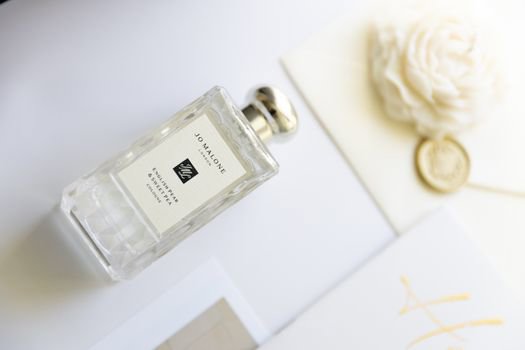
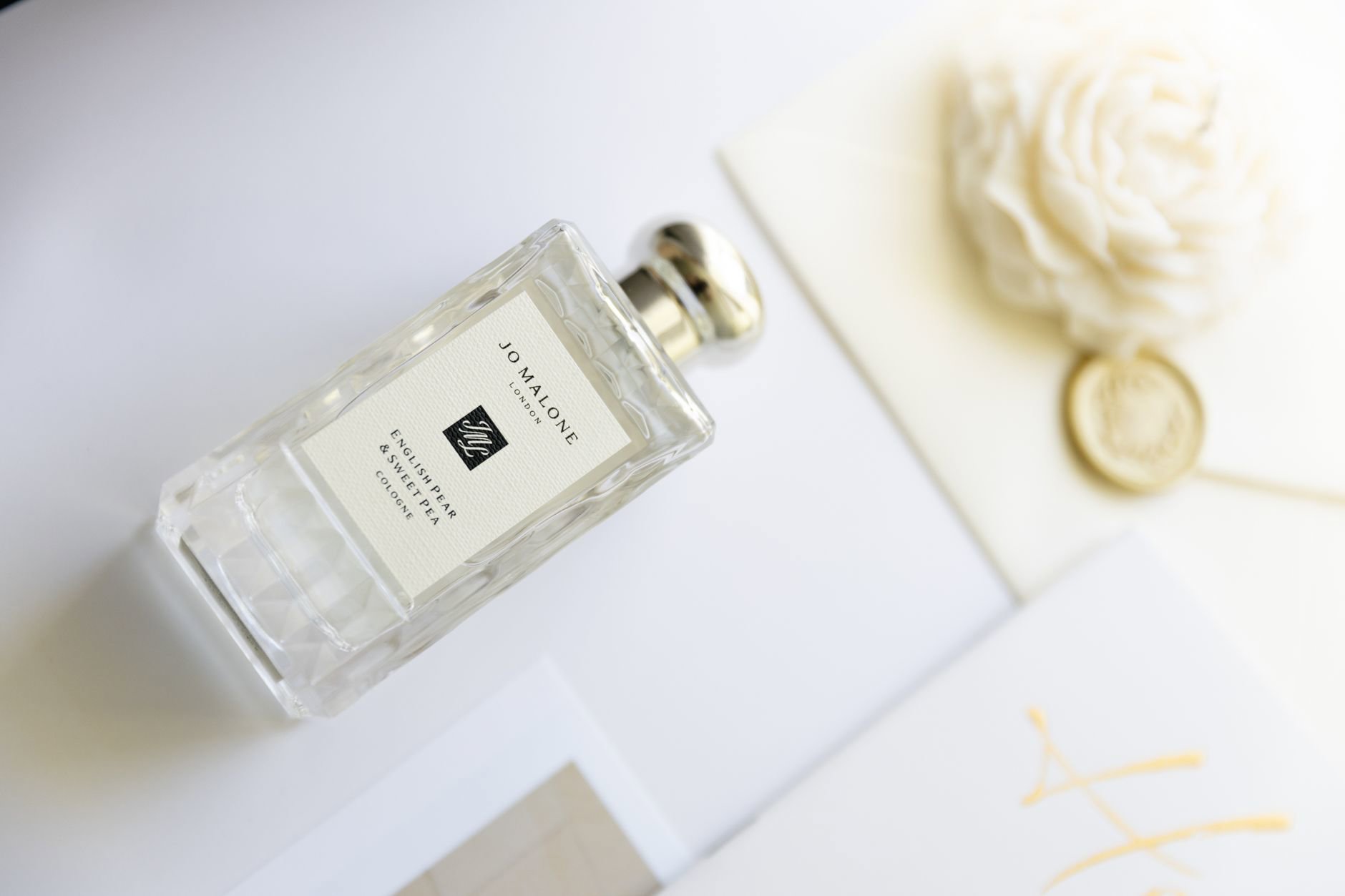
Pricing matters because experimenting gets expensive. Our price tracker shows two Jo Malone Cologne Intense options at their 12-month lows right now: Jo Malone Hinoki & Cedarwood Cologne Intense for $27.60 at lookfantastic and Jo Malone Myrrh & Tonka Cologne Intense for $34.50 at lookfantastic. When a brand hits a clear low, it changes the math on “try vs skip.”
Start with structure: top, heart, base (and why summer breaks it)
Perfume lasts because of its base. That sounds obvious, yet most “summer scent” marketing focuses on top notes: lemon, bergamot, grapefruit, airy marine accords. Those notes sparkle, then they evaporate.
In hot weather, evaporation speeds up. Your top notes can flash off in minutes, your heart notes can bloom fast, and your base can sit closer to skin. That creates the classic summer complaint: “It smelled great, then it was gone.” Often, it wasn’t truly gone. It simply shifted into a quieter base you didn’t notice during the blast of heat.
We like a simple rule: if a perfume’s note pyramid reads like a fruit salad with very little wood, resin, amber, moss, or musks, assume you will need a strategy (layering, hair mist, or reapplication). If it has a clear base—cedar, sandalwood, vetiver, patchouli, benzoin, tonka—it has a better chance of sticking around without turning cloying.
Shoppers who love “fresh” can still choose longevity. Look for citrus paired with dry woods (cedar), herbal notes (rosemary, basil), tea, or vetiver rather than heavy syrupy vanilla. Done right, you get lift plus staying power.
Pick your concentration based on your climate, not the label
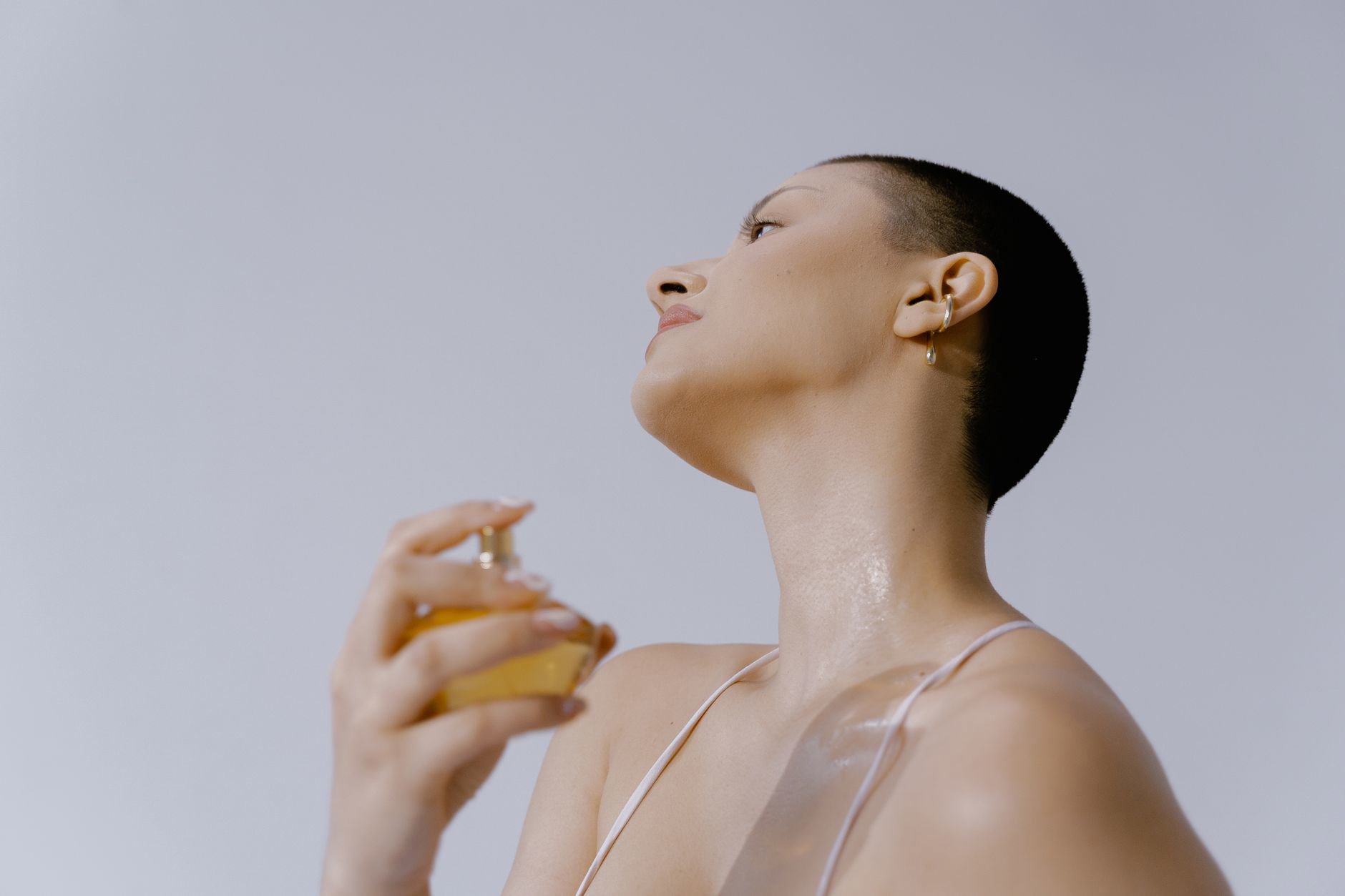
Headlines love to rank perfumes by concentration, but the label doesn’t know whether you live in Phoenix or Boston.
In humid climates, heavier sweet bases can expand and feel sticky. In dry heat, very light compositions can feel like they evaporate instantly. That’s why “Eau de Parfum vs Eau de Toilette” debates miss the point: composition matters more than concentration, and climate changes how that composition reads.
Here’s how we’d choose:
- Very humid + hot: prioritize airy woods, citrus-tea, salty musks, or green florals. Keep gourmands on a short leash.
- Dry + hot: look for vetiver, resin-leaning woods, or musks with a defined base so the scent doesn’t evaporate into nothing.
- Warm days + cool nights: pick a versatile structure and adjust application (lighter in the day, add one spray at night).
- Air-conditioned office life: you can wear more depth than you think, because your environment behaves like spring.
If you want a summer-friendly “intense,” focus on the ones that smell dry rather than sugary. Our tracker flags a timely opportunity: Jo Malone Hinoki & Cedarwood Cologne Intense sits at $27.60 at lookfantastic (12-month low). That profile leans woody and aromatic, which often wears more comfortably in heat than a syrupy vanilla.
On the flip side, Jo Malone Myrrh & Tonka Cologne Intense at $34.50 at lookfantastic (also a 12-month low) brings resin and tonka warmth. We’d treat that as a “late dinner” summer choice or a light-spray option for women who stay mostly indoors.
How to test a summer perfume so you don’t get fooled
Testing on a paper strip tells you almost nothing about summer wear. It highlights top notes and hides the skin chemistry that makes musks, ambers, and woods either glow or flatten.
We recommend a three-stage test that matches how you actually live:
- Stage 1 (store test): one spray on wrist, one on inner elbow. Skip your clothes on first pass. Clothes can lock scent in, which hides how fast it fades on skin.
- Stage 2 (heat test): walk outside for five minutes. Heat and airflow reveal whether it turns sharp, sweet, or sour.
- Stage 3 (dry-down check): smell again at 2 hours and 6 hours. If you only like the first 20 minutes, don’t buy a full bottle.
Women also underrate “nose fatigue.” If you spray too much, your brain tunes it out. Then you think it faded and you overspray again. A friend’s “I still smell it” matters more than your own perception.
When you do shop, use category pages to compare concentration and style quickly. We built our Eau de Parfum Perfumes listings so you can scan what retailers actually stock in the US without bouncing between tabs.
One more reality check: influencer “compliments tests” skew toward louder scents. If your summer goal includes commuting, errands, and close quarters, quieter longevity often wins over loud projection.
Layering for longevity: make the base stick without suffocating it
Layering works in summer, but only if you avoid building a sticky blanket.
Start with hydration, not oil. Many women reach for body oils, then wonder why a citrus scent turns sour or overly sweet. Oils can trap certain aroma chemicals and change the balance. A lightweight, unscented lotion gives you slip without rewriting the perfume.
Then choose one “anchor” step:
- Body lotion first: apply to pulse points only (wrists, inner elbows, collarbone) and let it absorb for two minutes.
- One spray on hair or a brush: hair holds scent, but avoid dousing. Summer sun plus alcohol-based fragrance can dry hair.
- Clothing mist (carefully): one spray from distance on a natural-fiber layer. Test for staining.
- Travel atomizer: reapply once, not five times.
Women who like skincare-style fragrance routines can also pair products by vibe rather than exact matching. A clean musk perfume often pairs well with a simple, non-perfumed body routine. If you want a structured way to shop body basics alongside scent, our Body Lotions category makes it easier to compare what’s available at Sephora, Ulta, Target, CVS, and Walgreens without getting lost in branded fragrance lotions.
And if your skin reacts to heavy fragrance in body products, keep the scent in one lane: fragrance on skin, everything else bland. Longevity won’t improve if irritation forces you to wash it off.
“Fresh” that lasts: note families we trust in heat
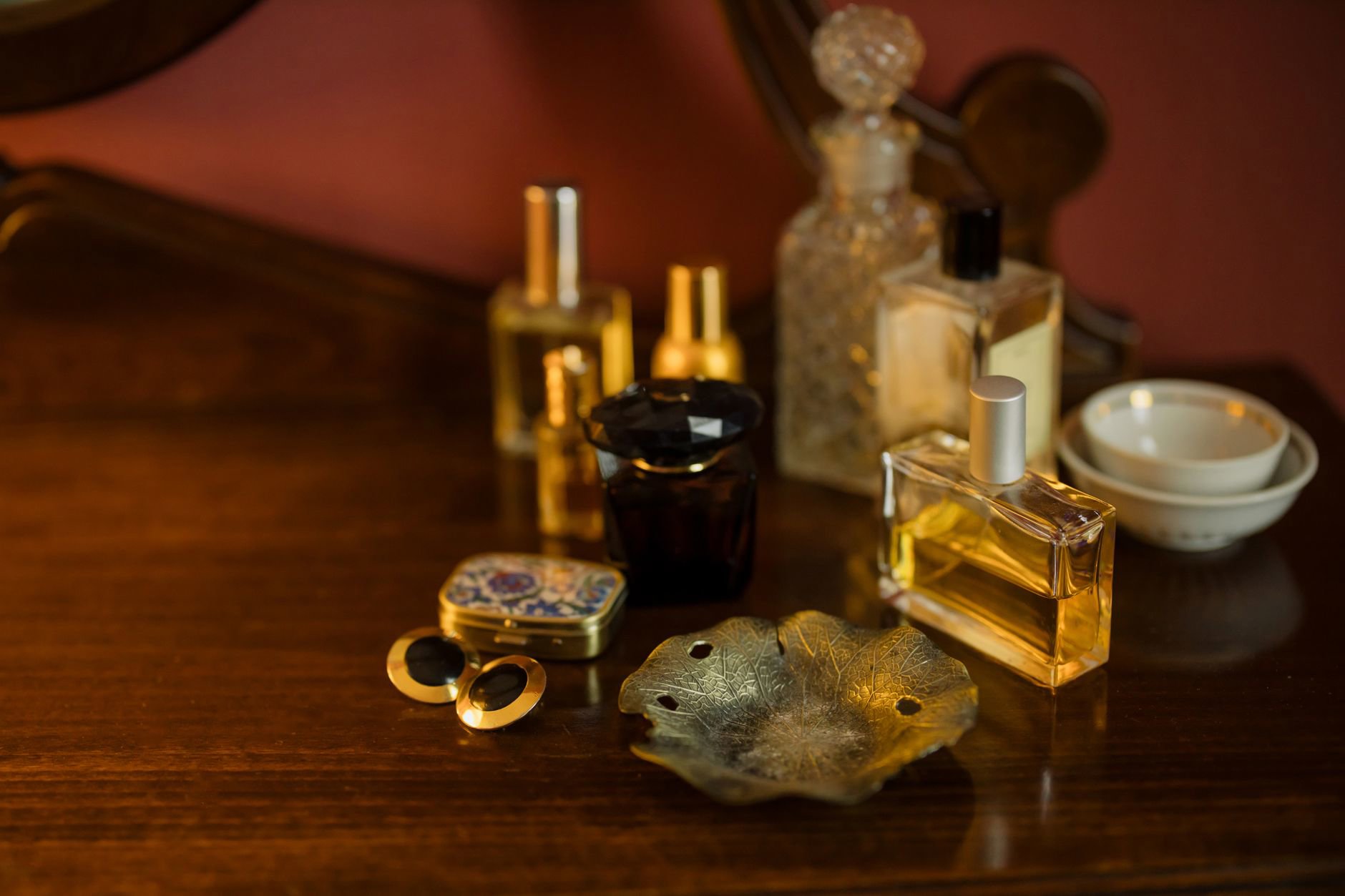
Not all freshness behaves the same. Some note families vanish fast, while others stay crisp for hours.
In warm weather, we rate these families as the best “fresh but lasting” candidates:
- Vetiver-based citrus: keeps a dry backbone under sparkle.
- Tea notes (black tea, green tea): read clean and structured rather than sugary.
- Aromatic woods (cedar, hinoki): smell airy and polished, with real base staying power.
- Salty musks: can cling to skin without turning heavy, though they may sit close.
- Green florals: give lift without syrup, especially when paired with woods.
We treat “aquatic” accords as a special case. They can smell breezy, but many rely on materials that read sharp in extreme heat. If you love aquatic scents, use the heat test: five minutes outside tells you the truth.
If you want to browse styles rather than chase launches, sorting by type helps. Our fragrance navigation splits out Eau de Toilette Perfumes versus deeper concentrations, which can stop you from accidentally buying a winter-weight perfume because it opened with a lemon note.
And yes, “micro-batch” summer perfumes can feel exciting. The practical downside stays the same: limited restocks and fewer discounts. If you’re experimenting, it can make more sense to buy discovery sets or smaller sizes first.
Smart shopping rules: when to buy, where to buy, and what to ignore
Perfume pricing looks steady until it doesn’t. Retailers rotate offers around predictable moments: Sephora savings events, Ulta promos, and big seasonal sale windows. The timing can matter as much as the brand.
We also see a split between where women browse and where they buy. Sephora and Nordstrom drive discovery for prestige fragrance. Ulta often wins on points and rotating promotions. Target, CVS, and Walgreens cover body sprays and accessible mists, but selection changes fast and so do in-store deals.
Right now, the clearest buy signal in our data comes from those 12-month lows on Jo Malone Cologne Intense at lookfantastic: $27.60 for Hinoki & Cedarwood and $34.50 for Myrrh & Tonka. That doesn’t mean everyone should buy them. It means the “wait for a better price” argument weakens, especially if you already know you like the scent profile.
What we’d ignore: any claim that a summer perfume “lasts 24 hours” without qualifiers. Your skin type, your sunscreen, and your climate will decide the outcome. Treat performance claims as advertising, then test like a skeptic.
Finally, don’t sleep on gifting formats if you want variety. Discovery and minis can cost more per ounce, but they reduce expensive blind buys. If you’re shopping for variety, our Skin Care Sets section often surfaces value bundles that free up budget for fragrance.
Make it last without overdoing it: application that actually works
Most longevity “hacks” fail because women apply too much too fast.
Use this simple method instead:
- Step 1: apply unscented lotion to two points only (collarbone and inner elbows).
- Step 2: spray once at the collarbone area from 6–8 inches away.
- Step 3: spray once behind one ear (not both) to avoid building a cloud.
- Step 4: wait 60 seconds before dressing.
- Step 5: if needed, reapply one spray mid-day to wrists only.
Women who live in very hot, humid areas can shift sprays lower on the body. A light mist behind knees can read softer and less overwhelming when heat rises.
And if you wear sunscreen (you should), remember it acts like a scented product. Some sunscreens contain fragrance, and even fragrance-free formulas can change how perfume develops. That’s another reason to do real-world testing rather than relying on a single indoor wear.
If you want a parallel for how small tools change results, look at makeup: a good brush can make a cheap foundation look expensive. We see the same logic in tools pricing. Our tracker shows the NYX Pro Multi-Purpose Buffing Brush at $16.10 at lookfantastic with a 5.0/5 rating. Different category, same lesson: technique plus the right basics often beats throwing money at a “stronger” product.
What this means for your next perfume purchase
Summer perfume success comes down to choosing the right structure for your climate, then testing in real heat. That approach saves more money than chasing every new launch list.
Our data also supports a practical shopping rule: buy when you see a true low on something you already know you like. The Jo Malone Cologne Intense prices we’re tracking right now—$27.60 for Hinoki & Cedarwood and $34.50 for Myrrh & Tonka at lookfantastic—represent exactly that kind of moment. If you’ve sampled them and they suit your style, the numbers say it’s a smart time to commit.
If you’re still experimenting, spend your budget on sampling and application basics. You can also keep your routine simple elsewhere to free up funds. Our tracker highlights a few high-value basics right now, including The Ordinary UV Filters SPF 45 Sun Protection Serum at $13.80 at lookfantastic with a 5.0/5 rating—useful if you want a sunscreen step that doesn’t compete heavily with your fragrance.
Which summer scent problem do you run into most—everything fades fast, or everything turns too sweet in the heat? Tell us your climate and the notes you like, and we’ll map you to a structure that tends to last.