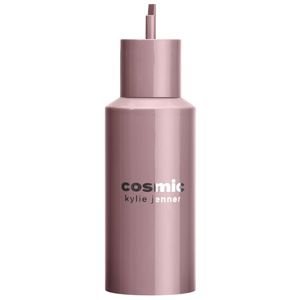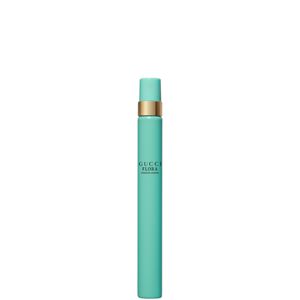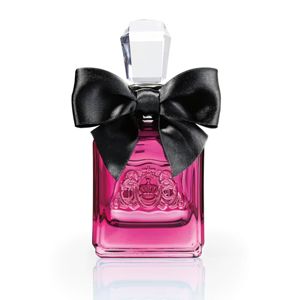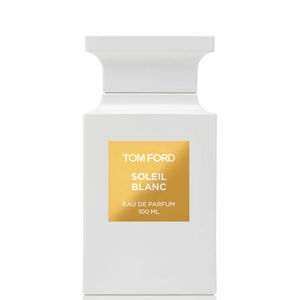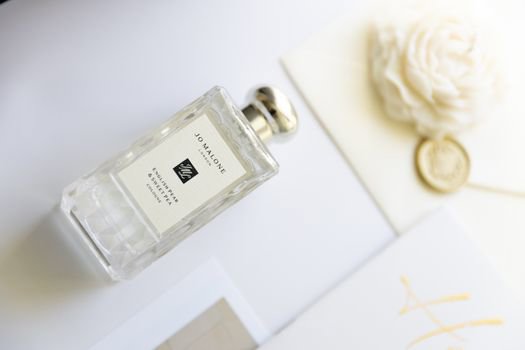
Our price tracker flags the same pattern every season: the Eau de Parfum sits a shelf higher, costs more, and sells out first in gift sets. The Eau de Toilette version lands in more carts during summer and during big sales. Both share a name and bottle silhouette, yet they behave like different fragrances on skin.
Shoppers ask one question again and again: which concentration actually suits a woman’s life? We see the answer play out in the data, not just the marketing. Concentration changes scent structure, wear time, and how a fragrance fills a room. That difference affects budgets and routines.
If you match strength to setting, you stop over-spraying, dodge headaches, and save money. You also pick the version that smells the way the perfumer intended for your day, not someone else’s night out.
Context: What the labels mean and why pricing follows
Fragrance houses use standard concentration bands. Eau de Parfum (EDP) usually holds more aromatic compounds than Eau de Toilette (EDT). Most EDPs sit in the mid teens to low twenties by percentage. EDTs often fall in the mid single digits to low teens. Brands shift blends within those bands, and that leeway matters more than many realize.
Higher oil concentration adds density and weight. That density slows evaporation, so EDPs often last longer. EDTs lean on brighter top notes and lighter musks, which burn off faster but give a fresh, sparkling start. The label tells you how a fragrance will behave, not just how long it will stick.
Since 2010, we have tracked price spreads across Sephora, Ulta, Nordstrom, Target, CVS, Walgreens, Bluemercury, Credo, and Amazon. We see EDPs priced above EDTs for the same franchise, with exceptions during promotions. The gap narrows during Black Friday and around Mother’s Day sets. It widens again outside those windows. Ulta’s spring and fall promotions move EDTs fastest. Sephora’s Spring Savings Event pushes EDP traffic higher. Nordstrom Anniversary Sale often bundles EDP formats in exclusive sets, which boosts perceived value.
Target skews to lower-priced celebrity or body-mist lines, usually closest to EDT strength. Sephora and Nordstrom stock prestige EDPs and, sometimes, extrait strengths. That distribution underscores the tiered pricing and the typical wearer for each format.
{{IMAGE:woman testing fragrance blotters in store}}Concentration, decoded: EDP vs EDT and how formula shape shifts
Concentration isn’t just a number. It changes which notes you actually smell and when. EDP gives more space to the heart and base. Think woods, ambers, vanilla, and richer florals. The result feels rounder and smoother. EDT leans on citrus, green, and airy aromatics that flash bright, then recede. The shift suits office hours, hot days, or quick errands.
Consider how houses treat their pillars. A gourmand-floral in EDP may showcase creamy jasmine and praline. Its EDT sibling may dial back the sweetness and pull forward pear and citrus. Many women expect a simple strength change, then feel surprised by the new mood. You didn’t imagine it. Perfumers often rebuild the pyramid to make the lighter version sparkle rather than flatten.
That pattern shows up across well-known lines from Lancf4me, Este9e Lauder, and Guerlain. You will spot brighter citruses and greener facets in many EDTs. In contrast, EDPs hold more musks, ambers, and woods, which hang on skin longer. Some brands also use modern “radiant” molecules like ambroxan and Iso E Super to add a halo without heaviness. You may feel more presence even in a lighter formula if those materials sit high in the mix.
One more wrinkle: an EDT can project more in the first 15 minutes because top notes burst. An EDP may feel quieter at first, then settle into a denser aura that lasts. You should test both on skin, not just paper, to catch that shift.
Longevity vs projection vs sillage: how each format behaves on real skin
Longevity measures how long the scent remains detectable on skin. Projection measures how far it curls off you in the first hour. Sillage describes the trail you leave after you move. EDPs usually win on longevity and sillage. EDTs often grab the early projection lead, then fade faster.
Skin type and climate change the outcome. Dry skin in the Mountain West drinks scent fast. Oily or well-moisturized skin in the humid South holds notes longer. Winter in the Northeast slows evaporation and extends wear. A beach day in Florida strips top notes in minutes. An EDT can smell perfect on a damp, 85-degree afternoon but vanish by lunch on a dry winter day.
Application matters. Two to four sprays of EDP on pulse points usually suffice for office wear. For an EDT, add one more spray or mist your scarf to boost persistence without blasting coworkers. If you want more aura, mist a cloud and walk through it. If you want intimacy, keep it to wrists and the back of the neck.
Our review data shows a consistent complaint: “I can’t smell it after 20 minutes.” You likely went nose-blind. Take a break, then ask a friend. Or spray a fabric test strip and check later. If others still smell it, you don’t need more sprays. You need a different format or a formula with more base weight.
Season and setting: pick the right strength for your day, not the label
Match concentration to context. For summer commutes, school runs, and open-plan offices, EDTs excel. They stay crisp, rinse off fast in the heat, and rarely overwhelm small spaces. For dinners, weddings, or all-day events, EDPs earn their keep. They last through photos, hugs, and outdoor venues that break down top notes.
Note style drives the choice too. Citrus, green tea, aldehydes, and sheer florals shine in EDT. Amber, vanilla, patchouli, leather, and dense white florals often feel best as EDP. Musky skin scents can work either way, depending on how much radiance the perfumer built in.
If you want a safe desk scent, scan EDT versions of classic florals from Clinique or modern tea-citrus blends from Shiseido. For an evening option, check EDP takes on gourmand florals or ambery woods from Lancf4me or Este9e Lauder. Use our category pages to explore by strength. Browse current bestsellers in Eau de Parfum Perfumes and compare lighter picks in Eau de Toilette Perfumes.
Climate counts. A dry Phoenix afternoon will mute an EDT fast. You may want an EDP or even a richer winter edit. A steamy Houston morning will amplify even a citrus EDT. You can go lighter, spray clothing instead of skin, and still smell polished by noon.
Price, size, and value: where the deals hide and when to buy
EDP bottles usually cost more per milliliter. Our merchant feed shows that price gap shrink during key windows: spring savings events, Mother’s Day gift sets, Black Friday, and the last two weeks of December. Off-season, the gap widens again. Stock levels also swing. Retailers move through EDTs faster in heat waves. EDPs sell out first in colder snaps and during event-heavy months.
Compare sizes before you default to the biggest bottle. A 100 ml feels like a bargain until you realize you prefer the EDT in summer and the EDP in winter. If your wear pattern shifts, two smaller bottles can beat one jumbo. Our price comparison will show which size delivers the best cost per spray at Sephora, Ulta, Nordstrom, and Amazon on any given week.
Watch gift sets. Many sets bundle an EDP with a travel spray or a matching body lotion. Bundles often create better value than a solo bottle. We also see some houses release EDT discovery sets for summer, which help you test breadth without a big spend. Add your finds to a GlamGeek wishlist and we will ping you when the price drops or when a retailer adds a new gift with purchase.
When you see the same scent at several stores, open the price comparison before you check out. We have seen real spreads between Amazon, department stores, and specialty beauty chains within the same day. The best deal shifts. We track those shifts so you do not need to.
{{IMAGE:close-up woman spraying perfume on wrist}}Same name, different scent: how EDP and EDT tweaks change the vibe
EDP and EDT flankers do not always smell like twins. Perfumers rebuild pyramids to suit the format. Lighter strength needs a brighter top and a slimmer base, or the wear time feels choppy. Richer strength needs more heart and base, or the finish feels hollow. That means you can love one and dislike the other even under the same name.
We see this across classics and modern bestsellers. Guerlain often gives its EDTs extra sparkle in citrus and herbs, especially within fresh lines. Its EDPs wrap the same notes in warmer musks and tonka for evening wear. Lancf4me gourmand-florals lean creamier in EDP, with EDT versions lightening the dessert tones for daytime. Este9e Lauder floral pillars usually place the bouquet closer to skin in EDT, then add depth and a longer trail in EDP.
Sometimes the label signals a bolder change. “Intense,” “Absolu,” or “L’Eau” tell you the perfumer made bigger moves. Do not assume the EDP equals the EDT plus hours. Read note lists and sample on skin. Our reviewers often split on EDT versus EDP because the versions hit different moods, not just different clocks.
If you plan to buy blind, stick to the format that matches the note family. Bright citruses and greens often work best in EDT. Cozy ambers, vanillas, and resinous woods feel more satisfying in EDP. When in doubt, check our user notes on the scent’s strength and longevity. You will see consistent themes from women who wear these in cubicles, classrooms, and crowded trains, not just on tester strips.
Ingredients and structure: why some notes bloom in EDT and others in EDP
Volatility decides the show. Citrus, aldehydes, light aromatics, and some fruity esters evaporate quickly. They lift an EDT and create that lively opening. They also vanish faster. Woods, resins, vanilla, patchouli, iris, and heavy florals evaporate slower. They anchor an EDP and build a longer trail. Musks span both roles. Clean musks can feel airy in EDT or diffusive in EDP depending on dose.
Modern perfumery also uses “spacer” molecules to push scent without weight. Iso E Super and ambroxan add radiance and diffusion. An EDT with those materials can feel more present than a classic EDP that relies on creamy florals alone. That is why your first sniff may trick you.
Humectants and fixatives in the base affect wear too. Some formulas use more triethyl citrate or other stabilizers to slow top-note burn. Others cut them back for a breezier effect. If an EDT falls off too fast on you, consider an EDP in the same style or find an EDT that uses modern radiants.
Skin prep changes the story. Scent binds to lipids. Dry arms shed fragrance fast. Moisturized skin holds it. If you want a lighter format but need more hours, hydrate first. A neutral lotion or a matching body cream can add two or more hours without changing the scent’s personality.
Application and layering: make EDT last, keep EDP polite
Use strategy, not more sprays. For EDP at work, target two sprays on the chest, one on the back of the neck, and one on a wrist you can wave for a hint. Skip your scarf if you ride an elevator often. For EDT on a hot day, add one spray to clothing to extend life. Clothes do not heat like skin, so notes evaporate slower.
Prep skin to boost hold. After your shower, apply an unscented moisturizer on pulse points. If the brand offers a matching body lotion or cream, use that to anchor the scent. You can browse hydrating options in Body Lotions and richer textures in Body Creams. Moisture helps EDT compete with air conditioning and desert climates without over-spraying.
Try cloud-misting for a soft halo. Spray three pumps into the air and walk through. This technique works for EDP when you want presence without a sharp start. Use direct pulse-point sprays when you want more impact and sillage.
Mind your hair and silk. Fragrance clings to hair but alcohol can dry strands. If you want scent in hair, spray a brush lightly and pass it once. Avoid spraying silk directly. Alcohol can spot it. Mist the lining of a blazer instead.
Test smarter: how to sample and choose the right version
Test on skin, not just paper. Paper strips show the top and early heart. Skin tells the full story. Spray one wrist with EDT and the other with EDP. Live with it for at least six hours. Revisit at 10 minutes, two hours, and six hours. You will catch how the arc shifts and which version suits your day.
Try stores with testers and flexible returns. Sephora, Ulta, and Nordstrom rotate discovery sets and minis. Department stores also stock exclusive sizes around Mother’s Day and in November. If you prefer to buy online, start with travel sizes for the EDP and EDT before you commit to a 100 ml.
Use our comparison tools to find sets and price drops while you test. Add contenders from Eau de Parfum Perfumes or Eau de Toilette Perfumes to your GlamGeek wishlist. We track Sephora, Ulta, Nordstrom, Target, Amazon, and more, so you catch the right moment to buy the right format.
Leverage community data. Our reviewers often tag their climate and office setting in notes. A teacher in a dry, heated building may report different performance than a nurse on a humid ward. Find your match and follow their take. You will waste fewer spritzes and fewer dollars.
What this means for your fragrance wardrobe
Do not chase strength for its own sake. Match format to function. Build a small wardrobe instead of one giant bottle. Keep an EDT for errands and open offices. Keep an EDP for dinners and special events. If you love a specific note family, own it in both strengths and rotate with the weather.
Use price cycles to your advantage. Grab EDP sets during fall and holiday events. Pick up EDTs as the weather warms and retailers push lighter edits. Use GlamGeek price alerts to skip guesswork. We monitor the swings so you can focus on how each version smells on you, not what a shelf talker promises.
Which version tends to work for you in real life: the brighter EDT or the longer-wearing EDP? Tell us your climate, your setting, and the bottle that makes sense for your day. We’ll keep tracking prices and reformulations so you can spray smarter, spend smarter, and smell like yourself.