Eco-beauty has a marketing problem: it often sounds like a luxury add-on.
Across our merchant feed this week, the opposite shows up in the numbers. Some of the steepest discounts sit on everyday categories—Lip Balms & Creams, Shower Gels & Body Washes, and body lotion—where “use it up” habits actually cut waste the fastest.
That’s why we’re taking a data-led angle. The headlines this cycle lean broad (trend trackers, sustainability score talk, packaging think-pieces). Useful context, but not a must-click. The must-click is the pricing: Ole Henriksen Pout Preserve Lip Treatment sits at $17.60 (was 171.12) at lookfantastic, and ESPA Bergamot & Jasmine Body Lotion sits at $4.83 (was $33.00) at lookfantastic. Those numbers change what “sustainable” can look like in a real routine.
Here’s the practical thesis we’d put on a sticky note: buy fewer categories, finish them, and only pay extra when the upgrade is measurable (packaging, refillability, concentrated formulas, and proven actives).
Our price tracker also shows a second pattern: high-end skin care can drop into “try it without regret” territory when a retailer goes aggressive. La Mer The Moisturising Soft Cream currently shows $27.12 (was $151.80) at lookfantastic, and Aesop Rejuvenate Aromatique Body Balm shows $93.15 (was $502.71) there. That doesn’t make them automatically worth it—but it changes the value math if you’re comparing texture, packaging, and how often you repurchase.
Meanwhile, Dermstore holds several 12-month lows in our feed, including StriVectin SD Advanced Intensive Concentrate for Wrinkles and Stretch Marks Serum at $11.20 (lowest in 12 months) and Juliette Has A Gun Lili Fantasy Eau De Parfum Spray at $34.00 (lowest in 12 months). When prices hit floor levels, it’s the right time to be picky: choose what you’ll finish, not what looks good on a shelf.
What “sustainable” actually means at checkout
Most shoppers get stuck on one question: “Is this brand sustainable?” That’s too big to answer in a product page scroll. A better question is smaller and more useful: What part of this purchase reduces waste or impact compared to my usual buy?
Start with the easiest wins. Packaging that uses less material, uses recycled content, or comes in a refill format tends to beat a bulky, multi-material component you can’t recycle locally. Industry headlines keep circling standardized eco-scores and packaging benchmarks, but you don’t need a scorecard to spot obvious red flags: mixed materials (metal + plastic + mirror), oversized boxes, and decorative inserts.
Formula concentration matters too. A rich balm that replaces two products can reduce total packaging over a year. A body wash you actually finish beats three half-used “clean” options that expire. That’s why we like to link sustainability to repurchase frequency. Our pricing data helps here: when a staple category hits a deep discount, it’s a chance to consolidate to one main product and commit to finishing it.
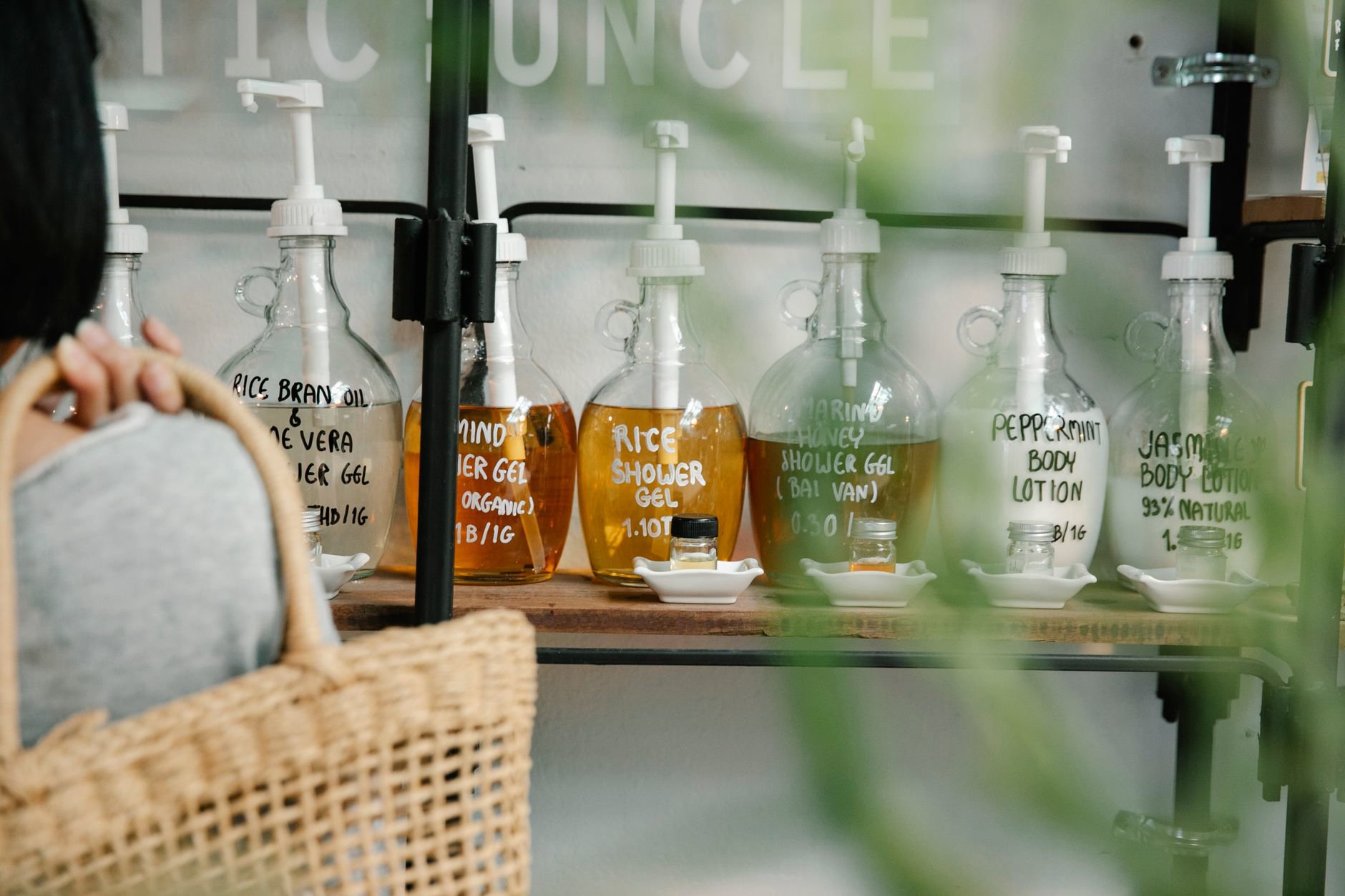
Finally, don’t ignore the “boring” behavior changes. Using the right amount, storing products so they don’t spoil, and sticking to a tight routine cuts waste more than switching labels every month. Sustainability starts in the medicine cabinet, not in a brand manifesto.
The best eco move: buy fewer lip products (and finish them)
Lip products create sneaky clutter because they feel small and “harmless.” They also pile up fast. If you want a sustainability upgrade that doesn’t require a lifestyle overhaul, start by choosing one daily lip product and committing to finishing it.
Our price tracker shows Ole Henriksen Pout Preserve Lip Treatment at $17.60 (was 171.12) at lookfantastic. We can’t speak to why that “was” price sits so high, but we can say the current price is what changes the decision. If you’ve wanted a plush, treatment-style lip product, this is the kind of discount that justifies trying one and then stopping the random cart-add behavior.
How to make one lip product cover more ground:
- Day: apply a thin layer, then blot once. This reduces transfer and reapplication.
- Under lipstick: apply, wait 2 minutes, blot, then go in with your chosen Lipsticks.
- Over lipstick: tap only at the center for shine, not the whole lip. Less product used, less smearing.
- Night: apply a thicker layer only if your lips feel tight. Otherwise, you train yourself into overuse.
If you prefer a true balm format over a squeeze-tube treatment, shop your current stash first. The most sustainable lip product is the one already in your drawer—assuming it’s still fresh and you’ll actually use it.
Body care is where sustainability gets real (and cheap)
Body care doesn’t get the same hype as face serums, but it drives a lot of yearly packaging. It’s also where our feed shows the most aggressive price drops right now.
ESPA Bergamot & Jasmine Body Lotion sits at $4.83 (was $33.00) at lookfantastic. That’s the kind of price that makes it reasonable to switch from “buy whatever” to “buy one lotion you’ll finish.” If you live in a humid climate, you might use less and still finish it. If you live in a dry region or deal with winter heating, you’ll finish it quickly—either way, it doesn’t linger for years.
For cleansing, Frank Body A Clearing Body Wash shows $11.44 (was $66.21) at lookfantastic. When we evaluate body washes, we care less about fragrance storytelling and more about whether it fits your actual needs: breakouts, dryness, or just a non-stripping clean. If you’re breakout-prone on the back or chest, look for formulas that pair cleansing with acne-friendly actives (often salicylic acid). If you’re dry, pick gentler surfactants and follow with lotion on damp skin.
Two technique tweaks that cut waste and improve results:
- Use less water friction, more contact time. Apply body wash to a wet washcloth, massage for 30–60 seconds, then rinse. You’ll use less product than repeated “lather, rinse, repeat.”
- Moisturize within 3 minutes. This reduces how much product you need because water still sits in the skin’s surface layers.
If you want the “upgrade” version of body care, Aesop Rejuvenate Aromatique Body Balm sits at $93.15 (was $502.71) at lookfantastic. That’s still a lot, but the current number shifts it from untouchable to comparable with a few mid-tier body products combined. If you buy it, buy it as your only body moisturizer until it’s gone.
Don’t let “clean hacks” wreck your barrier
Sustainability content often drifts into DIY. The internet loves a pantry ingredient moment. But “natural” doesn’t mean gentle, and “cheap” doesn’t mean safe. One widely circulated example in headlines: baking soda skin care. Dermatology experts have warned that it can disrupt skin pH and damage the barrier.
Barrier damage creates its own waste cycle. You buy more products to fix the irritation, you stop using half of them, and you end up tossing bottles you barely touched. Sustainable shopping includes avoiding routines that create rebound spending.
If your goal is smoother texture, choose proven, properly formulated exfoliants instead of kitchen chemistry. Think leave-on acids at appropriate strength, used a few nights per week, plus a consistent moisturizer. If your goal is brighter skin, use stable vitamin C derivatives or well-formulated L-ascorbic acid—again, not DIY.
From our tracked “under the low-price threshold” list, Garnier Anti Dark Spot Night Serum 10% Pure Vitamin C And Hyaluronic Acid shows $14.72 at lookfantastic with a 5.0/5 rating in our feed. That’s the right kind of budget buy: a targeted active that can replace multiple “brightening” steps, and a price that makes consistency easier.
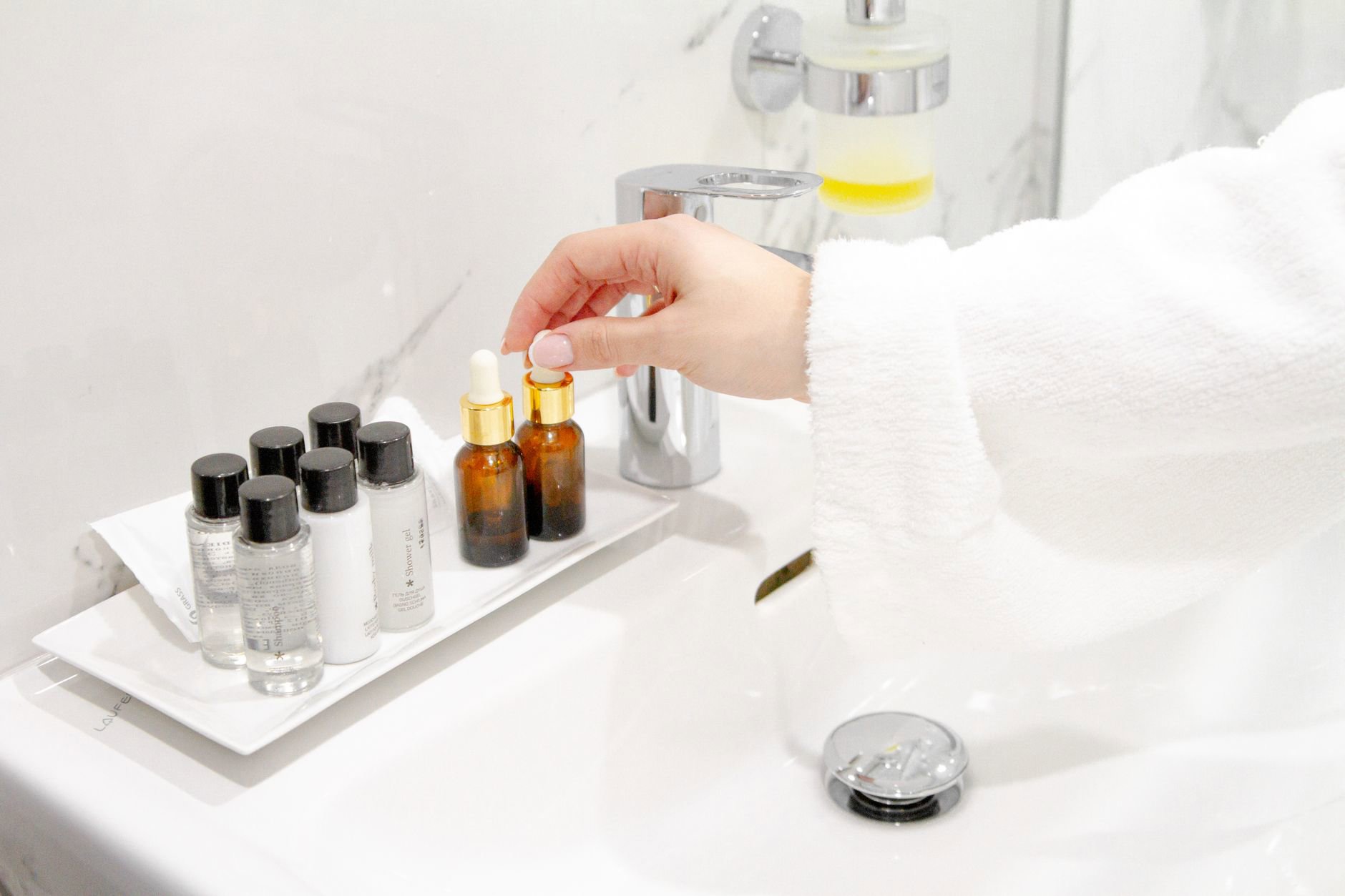
How to use vitamin C at night without wasting product:
- Apply to dry skin, not dripping wet skin. Water can dilute and increase slip, which tempts overuse.
- Use one pump (or a small dropper amount), then spread thinly across face and neck.
- Follow with moisturizer after 60 seconds. That reduces irritation and helps you stick with it.
- Store away from heat and light. A stable formula still degrades faster on a sunny windowsill.
When luxury drops hard: how to decide if it’s worth it
Luxury skin care can look like the opposite of sustainable. Higher price, heavier packaging, more shipping miles. Yet the purchase can still make sense if it replaces multiple steps, you finish it, and you stop chasing newness.
Our tracker shows La Mer The Moisturising Soft Cream at $27.12 (was $151.80) at lookfantastic. That’s an unusually low number for a prestige moisturizer, and it invites a smarter question than “Is it worth it?” Ask: Would this simplify your routine?
If you already own several moisturizers, buying another one rarely reduces waste. If you’ve struggled to find a texture that works across seasons, a discounted luxury cream might replace the rotation. Climate matters: in humid areas, you may prefer lighter gels and use less. In dry or cold regions, richer creams can reduce the need for layering.
We also see Cle9 de Peau Beaute9 La Cre8me at $645.90 at lookfantastic (lowest in 12 months). That’s still a major spend. We’d only consider a purchase like this if (1) you already know you love the format, (2) you won’t treat it as an “addition,” and (3) you have a plan to finish it before buying anything else in that category. Otherwise, the most sustainable choice is skipping it.
For readers who want anti-aging impact without luxury pricing, look for focused actives. You can browse options in our Anti Ageing Face Serums category and prioritize peptides, retinoids, and barrier-supporting moisturizers—then wait for predictable sale windows like Sephora’s Spring Savings or Ulta’s 21 Days of Beauty.
Hair care: one conditioner, one mask, no “maybe” bottles
Hair care becomes wasteful when products don’t match your hair’s actual needs. Dry ends in Arizona do not behave like summer humidity in Florida. The goal is a tight system you can repeat, not a shelf of “almost right.”
Our feed highlights Garnier Ultimate Blends Moisturising Hair Food Aloe Vera Conditioner at $7.35 (was $47.84) at lookfantastic. We also see Garnier Ultimate Blends Nourishing Hair Food at $9.19 at lookfantastic with a 5.0/5 rating. Those are classic “finishable” buys: affordable enough to use generously, and simple enough to stick with.
How to get more performance from a budget conditioner:
- Shampoo only where you need it. Focus on scalp, let suds rinse through lengths.
- Condition with intent. Apply from mid-lengths down, then detangle with fingers before rinsing.
- Rinse less than you think. Leave a slight slip if your hair runs dry. If your hair gets weighed down, rinse more thoroughly.
- Use a mask schedule. One mask day per week beats random heavy conditioning that never seems to work.
If you want to shop by category rather than brand, our Moisturising & Nourishing Conditioners page makes comparison easier. And if you lean prestige, look at lines like Ke9rastase or Aveda when major retailers run limited-time events.
Tools and accessories: the low-waste upgrades people skip
High-tech tools get a lot of coverage, but the sustainable wins often look small: brushes that last, clips that stop breakage, and tools that reduce product waste.
In our feed, the NYX Pro Multi-Purpose Buffing Brush shows $16.10 at lookfantastic with a 5.0/5 rating. A good buffing brush can reduce how much foundation you use because it spreads product evenly instead of soaking it up. If you wear base makeup most days, that’s a real consumption shift.
We also see brushworks No Crease Sectioning Hair Clips at $10.93 at lookfantastic with a 5.0/5 rating. Clips don’t sound exciting, but they help you style and dry hair with less heat and less tugging, which can reduce the “buy more repair products” cycle.
Practical technique: when you use a buffing brush for Liquid Foundations, dot foundation on the face first, then buff outward. Don’t load the brush from the back of your hand repeatedly. That habit wastes product and makes shade matching harder.
If you feel tempted by a viral tool, set a rule: only buy it if it replaces something you already own, not if it adds a new step. Sustainability favors substitutions, not additions.
Fragrance at a 12-month low: buy one, wear it often
Fragrance might not look like a sustainability category, yet it becomes one when you collect bottles you never finish. The best “eco” fragrance habit is simple: own fewer, wear them more.
Our tracker shows Juliette Has A Gun Lili Fantasy Eau De Parfum Spray at $34.00 at Dermstore (lowest in 12 months). If you’ve been curious about the brand, that’s a smart entry price. It’s also a reminder to shop fragrance like a wardrobe: one signature, one mood shift, and done.
How to make one Eau de Parfum last longer without overspraying:
- Spray on skin, then add one spray to clothing if fabric allows. Clothing holds scent longer.
- Moisturize first. Dry skin “eats” top notes faster.
- Don’t rub wrists together. Friction can flatten the opening and push you to reapply.
- Store away from heat and light so the formula stays stable.
If you’re shopping broadly, compare options in our Eau de Parfum Perfumes hub and set a “one-in, one-out” rule. That single habit cuts waste faster than any trend forecast.
What this means for your routine (and your budget)
The sustainability conversation keeps expanding, but your routine should shrink. The data this week supports a very specific strategy: use price drops to consolidate. Pick one lip product, one body lotion, one body wash, one conditioner, one active serum. Finish them. Then repurchase with intention.
Also, use steep discounts to upgrade where it matters. A well-made brush can reduce base makeup waste. A focused vitamin C serum can replace a stack of “brightening” products. A single fragrance at a 12-month low can stop the sample-and-forget cycle. None of those require a perfect eco label. They require consistency.
If you want a simple shopping checklist for the next 30 days, make it this: buy only from categories you will finish by season’s end, and skip anything that duplicates what you already own. Let the cart feel a little empty.
Which category do you want to declutter first—lip, body, hair, or fragrance—and what would you stop buying to make that happen?