Our price tracker flagged something unusual this winter: women kept buying sunscreen and bullet lipsticks while a string of viral gadgets slumped weeks after launch. That rarely happens at the same time. Sunscreen suggests long-term habits. Lipstick suggests a mood shift back to color and simple joy.
Trend fatigue feels real. Still, a few 2026 themes keep showing up in basket data across Sephora, Ulta, Target, Amazon, and Nordstrom. The winners stick because they save time, hold up in heat or cold, and don’t drain a paycheck. The rest burn bright on video, then gather dust.
We sorted the noise. Here’s what we’d actually do, and what we’d skip, with receipts from our feed and practical ways to shop smart.
Context: why 2026 trends look steadier—and cheaper to maintain
Viral cycles now spin faster than shipping windows. A product can peak on Friday and arrive to your door after its trend window closes. Our tracker saw that with a few microfads last year. Sellouts no longer guarantee staying power. Restocks tell the real story, and restocks concentrate in core categories: SPF, base makeup, neutral eye color, and classic lip.
Retail calendars still shape timing. Sephora’s Spring Savings Event, Ulta’s 21 Days of Beauty, and Black Friday run the same playbook. Smart shoppers use wishlists, wait for these sales, then stock up on staples. The basket total drops, but the unit count holds. That signals a shift to long-wear basics and shade expansions of products women already trust.
Where you shop hints at price tier. Target and Amazon concentrate budget options and easy refills. Sephora and Nordstrom hold the higher-ticket launches and shade breadth. Ulta straddles both. We compare all of them daily so you don’t have to. If you want proof of a trend, watch which products gain shelf space across all three tiers in the same quarter.
Climate plays a role too. Humid Gulf Coast summers punish flaky mascara. High plains winters punish watery skin tints. The winners cross climates with minor tweaks: a tubing lash formula, a hydrating primer, a powder that sets without chalk. That’s the filter we use for 2026.
{{IMAGE:woman applying sunscreen}}Do: SPF-first bases that double as skin tone correctors; Skip: SPF mists as your only protection
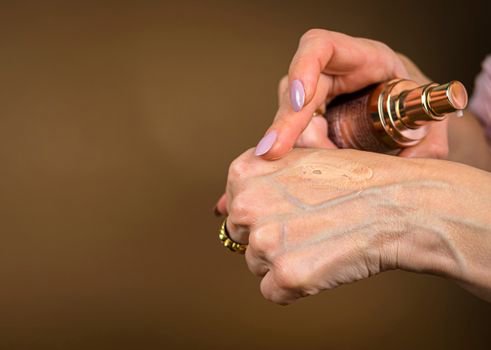
Daily SPF anchors 2026 routines. The twist: women buy sunscreen that plays nice with makeup. Sheer mineral or hybrid formulas that smooth, set, and take tint rank high in our feed. Sheer peach or light green tint tones down redness and shadows without a chalk cast. That saves a layer and a minute.
We rate an SPF-first base for office days, school runs, and heat. Check textures before you commit. Gel-cream sunscreens sit well on normal to oily skin. Emulsion or lotion textures suit dry zones and winter wind. Mineral filters can blur pores, but some go matte too fast in arid climates. If you need staying power in sweat or surf, Japanese-style film-formers and sport-tested hybrids hold up best. You’ll find plenty in our SPF Protection Products section, and we track prices across major retailers for each one.
We’d skip SPF-only mists as your main protection. Mists work for reapplication over makeup, but they don’t lay down even coverage on bare skin. Use them as a top-up during commutes or school pickups. Apply a solid base layer first. Brands like Shiseido push strong film-formers and sweat resistance, and those formulas usually show fewer mid-day breakdown complaints in reviews.
Shopping tip: add your shortlist to a GlamGeek wishlist. We’ll ping you when a retailer drops the price. Sunscreen deals fluctuate outside of the big events, and the swings can be wide.
Do: Retinal or retinol plus peptides; Skip: DIY microneedling and weekly acid pile-ons
“Slow gains, fewer side effects” shows up in our skincare clicks. Women want visible change without a bathroom full of actives. One steady retinoid plus barrier-friendly peptides fits that brief. Retinaldehyde works fast but can sting. Retinol moves slower but costs less and tolerates better. Pair either with copper peptides or signal peptides to support firmness without overstripping.
Keep the week simple. Use retinoid two to four nights. On off nights, use a bland moisturizer or a peptide serum. You can slot in one gentle lactic or PHA night if texture builds. Skip the temptation to layer glycolic, salicylic, and retinoid on the same night. That stack burns through your barrier and your budget.
We’d avoid DIY microneedling at home. It looks cheap until you factor in the risk of dull needles, sanitation lapses, and post-procedure products that irritate punctured skin. Clinics earn their fee with sterile tools and training. If you crave smoothing at home, use a microdart patch on a stubborn spot and keep actives clean and simple.
Watch for seasonal shifts. Dry mountain air and indoor heat lean toward retinol plus a heavier night cream. Humid coasts tolerate a lighter gel cream around a retinoid. If you need recs, browse Anti Ageing Face Serums and sort by texture, not just claims.
Do: Flexible, soft-matte foundations; Skip: thick baking and extreme mattifying
Foundations with built-in flexibility lead this year. They set softly, then blot or blur on demand. That suits a cross-country life: cold mornings, heated offices, sweaty train platforms, fast dinners. We see steady baskets for medium coverage that resists transfer without a shellac finish. Women still love glow, but they want glow that doesn’t slide.
Build your base in three small moves. Prime where you need it, not everywhere. A pore-blurring primer across the T-zone cuts shine. A hydrating primer on cheeks lifts radiance. Then press a soft-matte foundation with a damp sponge, not a dry brush, to avoid streaks. You can spot conceal next and skip a heavy second layer. That saves product and looks better in daylight.
Baking returned in some feeds, but heavy powder under eyes looks tired by lunch. We’d skip it. Use a micro-press of loose powder at the inner corner and smile lines instead. Women who want glow can add a liquid luminizer underneath or mix a drop into the foundation. If you love the polished look from brands like Charlotte Tilbury, scan finishes and pick soft-matte or natural-matte over wet shine.
Price tip: filter our Liquid Foundations by finish and longevity. Then check the price graph on each product page. We track the dips so you can buy on a downswing, not a peak.
Do: Blush draping and bronzer as a veil; Skip: stripy contour and gray casts
Blush took the mic from heavy contour last year and keeps going in 2026. Draping—placing color high on the outer cheek and into the temple—lifts the face without harsh lines. Warm corals and rosy browns flatter most tones. Cool berries and mauves flatter olive and deep skin when undertones stay rich, not chalky.
We rate bronzer as a veil, not a stripe. Use a soft, large brush and sweep where the sun hits: forehead, nose bridge, and tops of cheeks. The skin looks lived-in and relaxed. Cream bronzers work in dry weather. Powder bronzers set faster in heat. Layer a touch of powder blush on top of a cream base if you need all-day wear.
We’d skip cool-toned, gray contour sticks unless you sit under studio lights. They carve in photos and look harsh in daylight. If you crave shape, pick a bronzer that runs neutral and place it closer to the blush zone. Brands like Tarte and MAC offer undertones that don’t skew orange or gray when applied light-handed.
Shopping note: multitask your blush as a lid tint on busy mornings. Choose a formula without fragrance if your eyes run sensitive. You’ll save time and one product slot in your bag.
Do: Brown and tubing mascaras; tight, thin liner; Skip: daily lash clusters and crunchy lifts
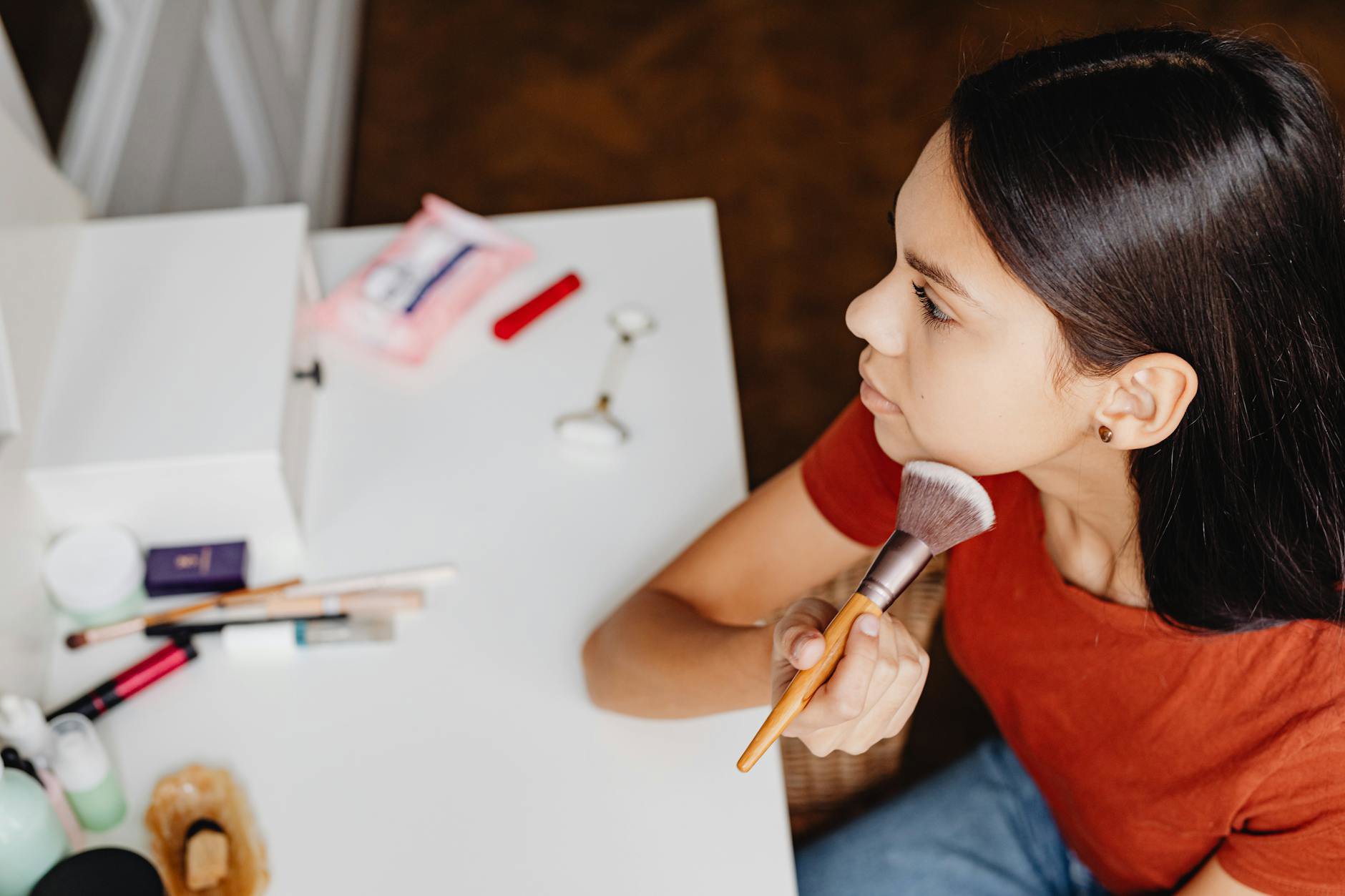
Humidity and tears still beat many mascaras. Tubing formulas win because they form sleeves around lashes and come off with warm water. That solves smudging without harsh removers. Brown and “soft black” shades rise this year for a kinder daytime look that still defines. The click-throughs on our Mascaras page reflect that shift.
Apply one steady coat slow, wiggle at the base, then pull through. Let it set. Add a second coat only at the roots for lift. Pair with a tight, thin line pressed into the upper lash line. That line frames the eye without eating lid space. Gel pencils work for this and won’t skip on dry winter lids.
We’d skip daily lash clusters and at-home lifts. They look great for events, then snag lashes and demand costly fills or repairs. If you love the look sometimes, keep a small kit for weekends. Save your daily routine for a tubing mascara and a pencil wing. Lancôme, Clinique, and several K-beauty labels all push strong tubing choices this year, so cross-check reviews before you pick a brush shape.
Budget tip: order mascara only when you need a fresh tube. Old mascara dries and clumps. We see return spikes from dried stockpiles. Track your refills in your GlamGeek wishlist so you don’t overbuy.
{{IMAGE:woman using mascara}}Do: Smaller eye palettes and cool-toned neutrals; Skip: giant palettes that duplicate shades
Cool neutrals bounced back. Taupe, mink, slate, olive, and steel shimmer look fresh again. Women want a quick lid wash that reads chic in a Zoom square and in sunlight. Small quads and curated six-pans sell through faster than mega books with 30 near-duplicates. That matches how most of us actually use eyeshadow.
Pick a mini palette with three workhorses: one matte crease shade, one satin lid shade, and one deeper liner or outer corner shade. Add a topper if you want sparkle. Cream-to-powder textures grip oily lids in the South. Softer powders blend better in dry air. You can find both formats on our Eye Shadow Palettes page and compare finishes side by side.
We’d skip oversized palettes unless you create looks for events every week. They eat vanity space and go out of style fast. Women who still love color can grab a single chrome topper or a mossy green mono and keep the rest neutral. Brands like KIKO, Morphe, and Sephora Collection keep a steady stream of practical quads that cost less than a dinner out.
Technique note: place the cool matte slightly above the crease if your eyes hood. Keep shimmer on the mobile lid only. That keeps the shape clean without heavy contour.
Do: Bullet lipsticks, stains, and thin oils; Skip: overlining by two zip codes
Lip gloss never left, but 2026 brings back the handbag bullet in a big way. Women want color they can swipe, blot, and go. Satin and soft-matte bullets top our lip clicks, with red-brown, rosewood, and pink-beige leading the shades. Tints and thin oils ride shotgun for low-effort days.
We like a three-piece lip wardrobe: one everyday satin nude that matches your lip tone, one dress-up red that suits your undertone, and one sheer stain for gym-to-grocery runs. Use lip liner in the exact lip shade or one notch deeper. Line on the border, not an inch out. The mouth looks fuller and cleaner without the uncanny valley effect.
We’d skip aggressive overlining and harsh ombré. It looks striking on camera and scuffs fast in real life. If you want a blur, pat the edges with a fingertip or a sponge. Many luxury houses—Guerlain, MAC, and others—lean into satins this year because they wear evenly through lunch. For budget options, scan Revolution, Sephora Collection, and drugstore stalwarts. Browse our Lipsticks category and filter by finish, then save shades to your wishlist to catch discounts.
Shade tip: check your wrist veins in daylight. If they look blue, lean cool or neutral undertones. If they look green, lean warm. Neutral? Lucky you; most rosewoods and brick reds will work.
Do: Skin-cushioning primers and smart powders; Skip: matte-on-matte stacks
Primers matter again, but not the silicone spackle kind. Women choose skin-cushioning layers that fix a specific issue. Hydrating primers with glycerin, panthenol, or squalane keep foundation flexible through a nine-hour day. Blurring primers use fine elastomers to soften pores without pilling. Color-correcting primers take down redness so you can use less base.
Set with restraint. Microfine loose powders lock makeup without caking. Press lightly along the T-zone and under eyes. Skip heavy pressed powder on top of full-coverage matte foundation. That stack cracks by mid-afternoon, especially in heated offices. If you get shine by noon, carry blot films. They pull oil without shifting pigment.
We see steady interest in primer-skincare hybrids. Several lines pack niacinamide or peptides into primers so you get smaller routines. That trend sticks because it serves a purpose and fits budgets. If you like a lit-from-within base from brands like Charlotte Tilbury, place glow under the foundation or only on high points. Keep the center soft to avoid glare.
Shopping play: use our filters on Face Primers to sort by skin type. Then compare the price history chart. We see mid-week dips on some primers outside of sale windows.
Do: Heatless styling and weekly masks; Skip: daily max heat and constant bond overload
Hair care trends calm down this year. Women choose heatless curls, quicker blow-dry brushes on lower heat, and weekly masks that feed dry ends. That mix protects color jobs and extensions and makes summer frizz less dramatic. Coils, curls, waves, and straight styles all benefit because the scalp stays calmer and the cuticle stays closed.
We rate a weekly mask and a light leave-in as non-negotiable if you color or heat style. Pick masks with fatty alcohols, ceramides, and amino acids. Save bond builders for true damage or big bleach jobs. Too much bond serum can make hair brittle. Apply mid-length to ends and keep the scalp clear if you get buildup.
Skip daily max heat. Hot tools at the top setting nibble at the cuticle every time. Drop one heat pass and extend your wash schedule by a day. Silk scrunchies, microfiber towels, and satin pillowcases also stretch a blowout. You can shop treatments and add your favorites to a wishlist under Hair Masks. We compare deals across Ulta, Amazon, and salon sites so you can grab refills when prices soften.
If you love smooth roots and volume, try a root-lift mousse and blow-dry the crown only. Let the rest air dry in a braid. The style reads polished without frying the lengths.
Do: “Skin scent” body care plus a signature EDP; Skip: blind-buying big bottles
Fragrance trends split in two: gentle “skin” scents for every day and one signature eau de parfum for nights. We see lighter body lotions and mists move well because they layer under perfume and soften sillage for office settings. At night or on weekends, women reach for a single EDP that lasts through dinner and a show.
We’d skip blind-buying large bottles. Test a travel spray or a set first. Skin chemistry changes the story. Dry climates eat scent faster, so you may need an EDP over an EDT. Humid nights can amplify white florals and gourmands. If you crave options, check our Eau de Parfum Perfumes page and sort by note families. You can also browse Eau de Toilette Perfumes for lighter daytime picks.
Layer without a headache. Keep lotion unscented or in the same line. Place EDP on pulse points, then mist hair lightly if the brand formulates for strands. Some lines now sell hair-safe formats, which avoid alcohol dryness.
Deal tip: fragrance discounts spike during Mother’s Day, Memorial Day, and Black Friday. Add your picks to GlamGeek and we’ll alert you when a retailer drops price or bundles a gift with purchase.
What this means: build a durable kit and time your buys
Trends that last share traits. They save steps. They survive heat, wind, and long days. They don’t force daily work. SPF-first bases, flexible foundations, tubing mascaras, practical palettes, satin bullets, and weekly masks check those boxes. They also show repeat buys across retailers, which signals real use, not hype.
You don’t need to overhaul everything. Pick one “do” from skin, eyes, lips, and hair. Add those to your GlamGeek wishlist. We’ll track prices across Sephora, Ulta, Target, Amazon, and Nordstrom while you carry on with life. When a sale hits, buy the thing you already proved you’ll use. That habit beats any viral routine.
Plan for climate. Humid summers love tubing lashes and veiling powders. Dry winters love hydrating primers and cream blush under powder. Cold snaps call for richer night creams around a retinoid. Heat waves call for SPF gels and transfer-resistant bases. You can build two seasonal micro-kits and swap them in a minute.
Look for multi-use. A blush that doubles as a lip tint. A primer that smooths and hydrates. A hair mask you can leave in for five minutes in the shower. Those choices cut spend without cutting results.
Before you click buy: quick checklist
- Shade-match in daylight whenever you can. When shopping online, check photos on multiple skin tones and undertones.
- Scan ingredient highlights, not just names. Glycerin and panthenol hydrate. Zinc and filters protect. Peptides support firmness. Avoid heavy fragrance if you get redness.
- Read the recent reviews, not only launch-day praise. Long-term users flag pilling, oxidation, or wand issues better than first impressions.
- Use our price graph before checkout. Many staples drop mid-week without notice. Add to your wishlist to get a ping.
- Buy travel sizes to test texture and wear in your real climate before you commit to full sizes.
The skips that save money without losing results
Skip baking your whole face. Press a small amount of powder only where you crease. Skip at-home microneedling kits. Save for a pro if you want that route. Skip giant eye palettes unless you create looks often. A compact quad with your daily tones works harder.
Skip daily high-heat styling. Use heatless tricks and lower settings. Skip blind-buying large perfumes. Test first and time your purchase to a sale. Skip SPF mists as your only protection. Start with a real base layer and top up with a mist only as needed.
None of this feels flashy. That’s the point. The data favors durable habits in 2026.
Our bottom line
We see SPF-first skin, flexible foundations, lifted blush, tubing lashes, refined neutrals, satin bullets, gentle primers, and weekly masks hold their ground. We also see the skips saving women from buyer’s remorse and returns. The market has plenty of choice, but your routine doesn’t need another dozen steps. It needs smarter ones.
Use GlamGeek to compare prices and read consolidated reviews. Add picks to your wishlist, and we’ll alert you when deals land across the big retailers. Then enjoy the part that matters: feeling put-together without fuss.
Now it’s your turn
Which 2026 “do” will you try first—SPF-first bases, tubing lashes, a satin bullet, or a weekly mask? Which skip saves you the most time or money? Add your shortlist to a GlamGeek wishlist, and share what you’re actually keeping in rotation this year.