Our price tracker has watched one quiet shift all year: women still want radiance, but they don’t want to look wet. Dew sells, yet a plush, healthy finish wins the checkout more often than a mirror-gloss sheen. Search interest echoes this. The glass-skin ideal from early K-beauty lore still trends, but “bloom skin” has edged in with a softer brief: bounce, clarity, and comfortable moisture that survives real life.
That shift tracks with receipts. Hydrating serums and light gel creams sell at full price. Heavy luminizers move best when they discount. Makeup primers with grip and skincare benefits sit in more carts than slick oils right now. You still can hit a glassy finish for events. But for a workday or a humid commute, bloom skin feels more wearable, and it photographs better under overhead office lights.
So we built a routine for 2026 that lets you choose. Go bloom on weekdays. Flip a few switches and push into glass when you want a near-reflective look. No 10-step sprawl. No stingy formulas that backfire. And no guessing when to buy — we’ll flag where the deals tend to land.
Glass skin came up through K-beauty between 2018 and 2021. The brief: hyper-smooth, poreless, and ultra-dewy, as if skin wore a thin layer of water. It looked great on camera and under soft studio light. Then 2022–2024 brought skinimalism and barrier care. We saw fewer actives per routine and more attention to moisture and pH balance. That’s the soil bloom skin grows in: springy, clear, and hydrated without a syrupy film.
Two sales cycles matter if you want both looks without overspending. Sephora runs Spring Savings each April. Ulta stages 21 Days of Beauty, usually in spring and again in fall. Add Memorial Day and Black Friday, and you can cover most refills and upgrades on discount if you plan. We track prices across Sephora, Ulta, Target, Amazon, Nordstrom, CVS, Walgreens, and more, so you don’t have to. If you spot a formula you want, add it to your GlamGeek wishlist and we’ll ping you when it drops.
Climate decides more than TikTok ever will. Dew holds up in the dry West with a humidifier and a rich cream. In the Gulf South, oil and sweat sit on top of glow within minutes. The Northeast winter can shred a barrier by lunch. This routine flexes for all of that. You’ll see where to add slip, where to blot, and when to swap a serum texture to avoid pilling under SPF and makeup.
{{IMAGE:woman dewy radiant skin closeup}}Bloom vs. Glass: What the Finishes Actually Mean
Let’s define the targets. Glass skin looks reflective. Think high-shine, smooth planes, and a near-mirror forehead. You notice light bounce first. You might see a touch of translucency at the cheeks. It reads polished and editorial. It also attracts lint, stray hairs, and airborne dust in seconds if you layer oil-heavy products on top.
Bloom skin looks alive and rested. You notice plumpness and even tone before you notice shine. Cheeks look cushioned. The T‑zone stays controlled. Skin still reflects light, but softly, like satin. Texture looks real, not blurred to oblivion. Bloom skin forgives a midday commute, a hallway with dry air, or a surprise meeting under strong LEDs.
We recommend bloom skin as your baseline finish for most days. It suits combination and sensitive types well since it relies on water-binding humectants and barrier-friendly emollients. Save true glass for photos, evenings, or days when humidity and temperature stay stable. If you want both, build your skincare toward bloom and use makeup and finishers to push into glass only where you want it.
The Morning Routine for Bloom-Level Glow (With Glass Options)
Morning sets the finish for the next 10 hours. Keep steps lean. Five moves handle most needs. Add one adjuster if you want more shine.
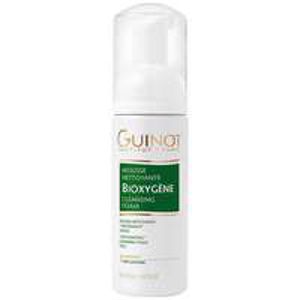
Step 1: Cleanse lightly. If you wake up oily, use a gentle gel from our Foam & Wash Cleansers. If you wake up normal to dry, splash with water or use a minimal cream cleanser. The goal is no tightness. Over-cleansing kills bloom before you start.
Step 2: Refill water. A hydrating toner or essence lays the base. Look for glycerin, hyaluronic acid, betaine, and panthenol. See our Face Toners for options across price tiers. Press it in; don’t swipe. You want the skin to drink it, not your cotton pad.
Step 3: Antioxidant serum. Vitamin C, resveratrol, or ferulic blends help tone and help SPF perform. Keep textures thin for less pilling. Our Day Face Serums include drugstore picks and prestige favorites. We often see steady pricing on core serums, but they surface in gift sets around October; add a set to your wishlist to catch value early.
Step 4: Moisturizer. Pick gel cream for oilier zones, and a light cream for drier zones. Bloom skin loves micro-dosed squalane and ceramides more than heavy oils. Browse Day Face Moisturisers to match texture to climate. Brands like Clinique and Shiseido carry reliable gel creams. Budget lines from Garnier and L'Ore9al often land on sale at Target and CVS.
Step 5: Sunscreen. Go broad-spectrum SPF 30 or higher. Mineral if you prefer less sting; chemical if you want invisibility on deep skin tones. Texture matters for finish control. Gel SPF suits glass finishes layered with makeup. Cream SPF gives bloom finishes a soft cushion. Compare textures across SPF Protection Products.
Optional for glass: Add a thin luminizing primer or glow filter under foundation, or mix a half-pump into moisturizer. Choose one, not both. Doubling up pushes shine past glass into greasy. We see frequent markdowns on glow primers during Ulta 21 Days and Black Friday. Add your pick to a wishlist for alerts.
Night: Barrier Work That Makes Both Finishes Possible
Night care does the heavy lifting. Glass skin needs smooth texture. Bloom skin needs a steady barrier. You get both by cleaning well, feeding the barrier, and dosing actives with intent.
Step 1: Cleanse once or twice. Remove sunscreen and makeup with a gentle oil or balm. Follow with a low-foam cleanser if you wear long-wear formulas. Skip the second cleanse if your skin feels clean and calm. The point is clear pores, not squeaky faces. See our Foam & Wash Cleansers for soft options that won’t strip.
Step 2: Hydrate. Mist or pat a humectant toner again. Skin takes in actives more evenly when it’s slightly damp. This keeps glow flexible by morning and reduces the chance of flakes under makeup.
Step 3: Actives. Use one lane per night. Retinoid nights build smoothness and support clarity. PHA or low-dose BHA nights polish texture. Peptide nights refill cushion. Space acids and retinoids apart to avoid sting. Many women see great results with 2–4 retinoid nights, 1 PHA night, and the rest for moisture and peptides. Our Anti Ageing Face Serums list both peptide and retinoid options from houses like Este9e Lauder, Lancf4me, and Clarins.
Step 4: Seal. Pick a night cream that suits your zone and season. Thicker in Denver in January. Lighter in Miami in June. Check our Night Face Moisturisers to match texture. You can dot a richer cream on bone-dry patches only. That keeps the T‑zone from spilling oil by morning.
Weekly: Exfoliate mindfully. One night of a mild AHA or PHA mask can reset dullness. Avoid strong peels if you chase bloom. They flatten the barrier and make makeup grab. Our Face Exfoliants include gentle picks that sell well during holiday bundles and early spring events.
Ingredients That Power Glow Without Blowback
Bloom and glass both rely on a few workhorses. Dose them right and you get glow that lasts through real weather and real time.
Humectants: Glycerin, hyaluronic acid, beta-glucan, and polyglutamic acid pull water into the skin. They give instant plump and support elasticity over time. Pair them with emollients so they don’t flash off in dry air. Look for these across brands, from Clinique to Garnier.
Emollients and barrier helpers: Squalane, triglycerides, cholesterol, and ceramides smooth micro-cracks. They help skin hold onto water and reduce that late-day tightness. If you live in a cold, windy area, dial these up in winter and back down in summer.
Niacinamide: This multi-tasker supports barrier function, calms look of redness, and helps refine the look of pores. It shows up in many serums and creams because it plays well with most actives. If your skin stings easily, keep the rest of the routine simple when you introduce it.
Acids: PHA can brighten with less sting than strong glycolic. Low-dose BHA (salicylic) helps keep pores clear. If shine spikes by noon, one BHA night per week can make your morning foundation sit better. Skip high-strength AHA the night before a glass-heavy makeup look; it can cause patchy grip.
Retinoids: They support smoothness and clarity over time. Start slow. Buffer with moisturizer. Consistent, modest use beats occasional heavy hits. This approach builds a natural-bloom baseline so you can push into glass with makeup when you want to.
Antioxidants: Vitamin C, E, ferulic acid, and green tea support the look of brightness and offset daily stressors. Thin, water-like textures slot best under SPF. If your serum pills with sunscreen, try a different texture or apply serum on slightly damp skin and wait a minute before SPF.
Climate and Skin-Type Switches That Keep Glow Stable
Finish control lives in texture choices. Your zip code and your skin type decide what to swap and when. Build a simple set of switches and stop fighting your face by noon.
Humid South: Pick gel cleansers and gel creams. Use a gel or milk sunscreen. Press powder only on the center of the face. Carry blot papers instead of adding more product. For makeup, a gripping primer under a thin foundation holds bloom without melting. Consider oil-free formulas from brands like Clinique and Sephora Collection.
Dry West: Layer humectant toner twice. Add a ceramide cream over your serum at night. Use cream SPF in the day. A drop of squalane pressed into cheekbones can replace a heavy highlighter. If lips parch, keep a balm handy; our Lip Balms & Creams section has picks that go on sale often in multi-packs at Amazon and Target.
Cold Northeast: Focus on barrier. Use a low-foam cleanser. Choose thicker night creams and a mid-weight day cream. Skip strong acids until late spring. For makeup, mix a touch of liquid highlighter into foundation for controlled shine rather than stacking emollients. Always protect under-eye and cheeks; wind whips the thinnest skin first.
Acne-prone or very oily: Keep emollients light. Use niacinamide and BHA regularly. Choose mineral SPF with a soft-matte drydown if shine bothers you. Add glow later with makeup on select areas. Bloom does not require oil; it requires water and a calm barrier.
Reactive or sensitive: Patch test new actives behind the ear. Favor PHA over strong AHAs. Keep fragrance low in leave-ons if that bothers you. Bloom suits you well because it centers moisture and barrier health, not heavy occlusion.
Makeup: How to Build Bloom, Then Push to Glass on Demand
Skincare sets the stage. Makeup controls the finish. Use base and placement to decide bloom or glass. Keep formulas thin. Thick layers cause pilling, creasing, and that greasy look no one wants at 2 p.m.
Primer: For bloom, use a hydrating, gripping primer that hugs foundation without adding sparkle. For glass, pick a sheer luminizing primer and place it on high points only. Explore Face Primers across budgets. We often see markdowns on glow primers during Ulta 21 Days; add favorites to your GlamGeek wishlist.
Base: Sheer to medium foundations with skin-care actives create bloom. Our Liquid Foundations list hydrating and natural-finish picks from brands like MAC, Charlotte Tilbury, and Morphe. For glass, add a drop of glow filter to the foundation or use a dewy skin tint. Keep the T‑zone thinner to avoid midday slip.
Conceal and correct: Choose creamy, stretchable textures. Tap to blend. If you chase a glass effect, go lighter on powder under the eyes to keep light bounce. Our Liquid & Cream Concealers include options that often drop in price during holiday kits at Sephora and Nordstrom.
Powder: For bloom, set only where needed. Use a soft, blurring powder on the center of the face, sides of the nose, and chin. For glass, skip powder on cheekbones and temples. Instead, set around the nose and upper lip where makeup breaks first. A targeted set keeps glow intact without slide.
Highlight and cheeks: Cream blush and balms give bloom. For glass, layer a liquid highlighter on top of cream blush and avoid powder on those spots. Brands like Charlotte Tilbury, Revolution, and KIKO offer glow products at very different price points. Check our Lip Glosses if you want a matching glassy lip to complete the look.
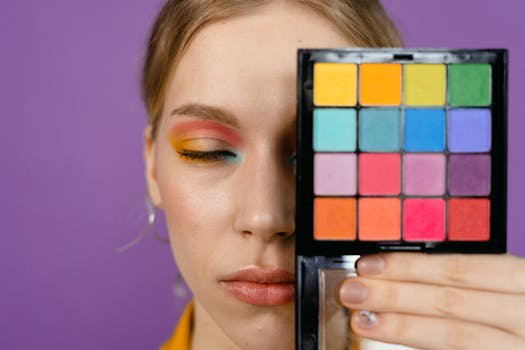
Eyes and lashes: Keep lids satiny for bloom and glossy for glass. A swipe of tubing mascara resists smudging better in heat. Our Mascaras section shows which wands get the best user scores for lift vs. volume. You can stack a mini into your cart during gift-set season; minis reduce waste and test wear without big spend.
{{IMAGE:flatlay skincare and makeup products with notebook}}A Budget-Smart Buying Plan That Honors the Finish You Want
You can hit both finishes without premium-only carts. Use the calendar and the format to win on price. Our data shows that format shifts and bundles cut spend more than chasing single-product markdowns.
Timing: Build base skincare during April’s Sephora Spring Savings and Ulta’s 21 Days. Refill sunscreen before Memorial Day. Stock backup serums and holiday sets in October and November. Add planned buys to your GlamGeek wishlist so we can alert you when prices drop at Sephora, Ulta, Amazon, or Target. Set a budget ceiling per category. Stick to it.
Formats: Value sets carry real savings when you plan. See Skin Care Sets for starter kits that cost less than buying items alone. For makeup, Makeup Sets often include a glow primer, a travel mascara, and a lip. Use minis to test textures that make or break your finish.
High/low mix: Anchor your routine with one proven serum and one SPF that you love. Then fill the rest with smart budget buys. You’ll find solid moisturizers from Garnier and L'Ore9al at Target or CVS. Step up to a prestige antioxidant serum or peptide from Este9e Lauder or Lancf4me when sets appear at Nordstrom or Bluemercury.
Tools: You don’t need a drawer of brushes. One damp sponge for cream placement and one soft brush for powder setting will do. Our Makeup Brushes & Applicators section tracks multipacks that hit discount often at Amazon and Ulta.
Where to buy: Target and CVS carry strong basics and great promos. Sephora and Nordstrom hold prestige sets and shade ranges. Ulta bridges both. Amazon adds speed and bundle oddities. We compare them all on GlamGeek product pages, so check the price before you buy. We’ve seen the same moisturizer list at different prices on the same day across two retailers. It pays to look.
Troubleshooting: Grease, Pilling, Stinging, and Clogged Pores
Glow falls apart for the same few reasons. Solve the cause, not the symptom. These fixes keep both finishes intact.
Greasy by noon: Use less product in the T‑zone. Switch to gel SPF. Set center face with micro-fine powder and a fluffy brush. Blot once midday. Add BHA one night per week. For makeup, switch to a natural finish base and build glow only on cheekbones and temples.
Pilling: Drop one layer. Often the culprit is a thick vitamin C under a silicone primer. Try a watery antioxidant serum. Let each step set for 60 seconds. Apply less moisturizer under silicone-based primers. If the SPF pills, swap texture rather than adding more hydration.
Stinging: Back off strong acids and retinoids. Use barrier serums with panthenol and ceramides for a week. Patch test any new active behind the ear for two nights. Sensitive skin often thrives on bloom; avoid heavy glass-chasing oil stacks for now.
Clogged pores: Audit your night cream and SPF. Swap rich creams for lighter gels if you live in heat or sweat often. Use a gentle second cleanse on makeup days. Add one PHA or BHA night weekly. Keep hairline clear of heavy balms. If you use body lotion up the neck, consider lighter textures there; our Body Lotions catalog shows fast-absorbing picks.
Makeup fading: Use a gripping primer and thin layers. Spray a fine mist setting spray, then press with a sponge. Avoid stacking cream over powder. Choose long-wear mascara to prevent transfer; our Mascaras page includes tubing and waterproof options with strong wear reports.
What This Means for Your 2026 Routine
Glow that works at work and on weekends comes from restraint and smart placement. Build a bloom-first routine with humectants, a calm barrier, and SPF. Use makeup to steer toward glass only where you want reflectivity. This saves product, avoids grease, and reads fresh in every climate.
Make your cart do the work. Lock in a reliable serum, a moisturizer that matches your weather, and a sunscreen you don’t resent. Shop the rest by season and sale. Use GlamGeek to compare prices across Sephora, Ulta, Target, Amazon, and Nordstrom. Add your short list to a wishlist. You’ll get pinged when they drop. That’s how glow stays on budget.
We’re curious: which finish fits your life right now — bloom or glass? Tell us what climate you live in and which textures hold up. Then add your picks to a GlamGeek wishlist so we can flag price dips before your next refill.