Refillable fragrance now shows up everywhere on our price tracker. Refill pouches sit next to classic 50 ml bottles at Sephora and Nordstrom. Retailers mark them with green leaves and recycled icons. The pitch promises less waste and better value.
Some of it delivers. Some of it doesn’t. Weighty glass and magnetic caps still drive shipping emissions. Pumps still block recycling. And “cruelty‑free” labels still confuse shoppers who just want a better choice.
We pulled together what the data and the packaging details actually mean in 2026. The goal is simple: buy scent you love, waste less, and stop paying for empty gestures.
Refills, recycled alcohol, and cruelty‑free claims didn’t appear overnight. Perfume sits at the crossroads of beauty, luxury packaging, and chemical engineering. That mix creates real trade‑offs for women who care about sustainability and value.
Bottle sizes anchor a lot of the decision-making. Most designer scents still land in 30 ml, 50 ml, and 100 ml. Refill systems often introduce larger volumes, like 150 ml or 200 ml. You get a lower cost per ml when you already plan to wear a scent for years. You do not get a deal if you buy a huge refill and let it oxidize in a sunny bathroom cabinet.
Label claims evolved, too. Leaping Bunny started in 1996 and remains the gold standard for cruelty‑free verification. In 2021, China removed mandatory pre‑market animal testing for most imported “general” cosmetics. Exceptions remain. That change shifted how global perfume houses handle “cruelty‑free” promises in the United States.
Retail timing still matters. Our feed shows refill and gift sets surge around Mother’s Day, mid‑November, and December. Ulta’s 21 Days of Beauty and the Sephora Spring Savings Event also move prices on select scents, refills, and sets. You can add your target perfume to a GlamGeek wishlist. We’ll ping you when a price dips across Sephora, Ulta, Nordstrom, Target, Amazon, and other major retailers.
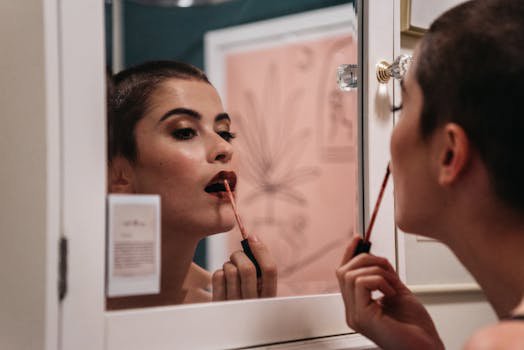
{{IMAGE:woman testing refillable perfume bottle at a department store}}Refills: When They Make Sense, and When They Don’t
Refillable sounds simple. You buy a standard bottle once. You top it off with a larger refill next time. The reality depends on hardware, access, and how fast you use perfume.
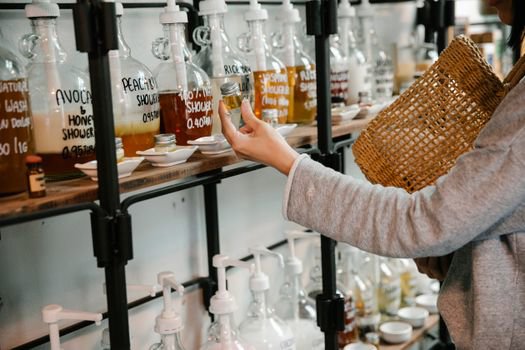
The easiest systems use screw‑off pumps or open splash refills with funnels. You twist off the sprayer on the original bottle and pour. Lancôme Idôle offers this style at many counters, and staff often refill in‑store. Guerlain’s Aqua Allegoria line built an elegant refill path with larger bottles you can decant at home. These systems cut box waste and cut glass waste once you commit to a signature scent.
Refill fountains add a ritual. Mugler pioneered this idea at select counters. You take your bottle to a station and they top it off on the spot. That eliminates extra packaging. It also limits you to stores that carry the fountain, which helps women in major cities more than anyone who shops online.
Refills fail you if your bottle lacks a removable pump. A crimped sprayer makes at‑home refilling messy or impossible. Many brands now label removable hardware, but not all. Check product photos and Q&A on retailer pages before you buy. Our listings flag refill compatibility when brands publish it. If you love a scent that does not offer refills, focus on right‑sizing instead. A 50 ml that you finish beats a 100 ml that gathers dust.
Recycled Alcohol: What “Carbon‑Captured” Really Changes
Perfume needs ethanol. It carries the aroma and flashes off your skin, which releases the scent pyramid over time. Most fragrance houses use agricultural ethanol from sugarcane, wheat, or corn. A newer path uses carbon‑captured ethanol from industrial emissions. The idea diverts carbon that would enter the air and turns it into a usable solvent.
Several majors publicized pilots and rollouts of carbon‑captured ethanol since 2021. You’ll see phrases like “recycled alcohol” or “carbon‑smart ethanol” on launch pages. These blends aim to match the purity and scent neutrality of traditional ethanol. The end goal stays the same: the alcohol should not change the fragrance profile. Your nose should not pick up a boozy or sour undertone from the solvent.
So what changes for you? The juice should smell the same. The sustainability claim sits in the solvent source and the verified reduction in virgin agricultural feedstocks. That matters in dry regions where water and land sit under pressure. It also matters for women who avoid crop‑based ethanol for ethical reasons. The caveat: recycled ethanol still ships, still sits in glass, and still uses a pump. It solves one slice of the footprint, not the whole bottle.
Watch for third‑party validation, not vague green blurbs. Look for supply partnerships that name the ethanol technology, and brand reports that outline volumes transitioned. If a brand leans on recycled alcohol, but ships the scent in a thick, non‑refillable bottle with a magnetic cap, you do not get a net‑green purchase.
Cruelty‑Free and Vegan: What Those Labels Cover in Fragrance
“Cruelty‑free” and “vegan” overlap in marketing, but they answer different questions. Cruelty‑free addresses animal testing. Vegan addresses animal‑derived ingredients. Perfume crosses both because fragrance oils may contain animal‑origin materials, and multinational testing policies vary by market.
Leaping Bunny remains the strictest cruelty‑free mark. It audits finished products and ingredients. PETA’s program maintains a separate list. Both labels forbid animal testing by the brand and its suppliers, with dated cutoffs and ongoing commitments. In 2021, China relaxed pre‑market animal testing requirements for most imported general cosmetics. Many prestige scents now qualify under those exemptions, but special‑use categories and spot checks still complicate claims.
If a fragrance calls itself vegan, it should avoid animal‑derived ingredients like natural musk, civet, castoreum, or ambergris. Modern perfumery already replaced most of these with synthetics. Vegan claims still matter for honey, beeswax, and milk derivatives in ancillary products like scented body creams or candles. Check sets if you buy a boxed duo.
Parent companies add another layer. Some brands under large groups sell into markets with different testing rules. The brand may claim cruelty‑free in the US, while the parent handles other categories or regions. Read the exact scope on the certification page. Then treat vague web badges with caution. On GlamGeek, you can compare how labels differ across listings for Clinique, Estée Lauder, Lancôme, or Shiseido. We link to brand statements when they publish them, so you can verify rather than guess.
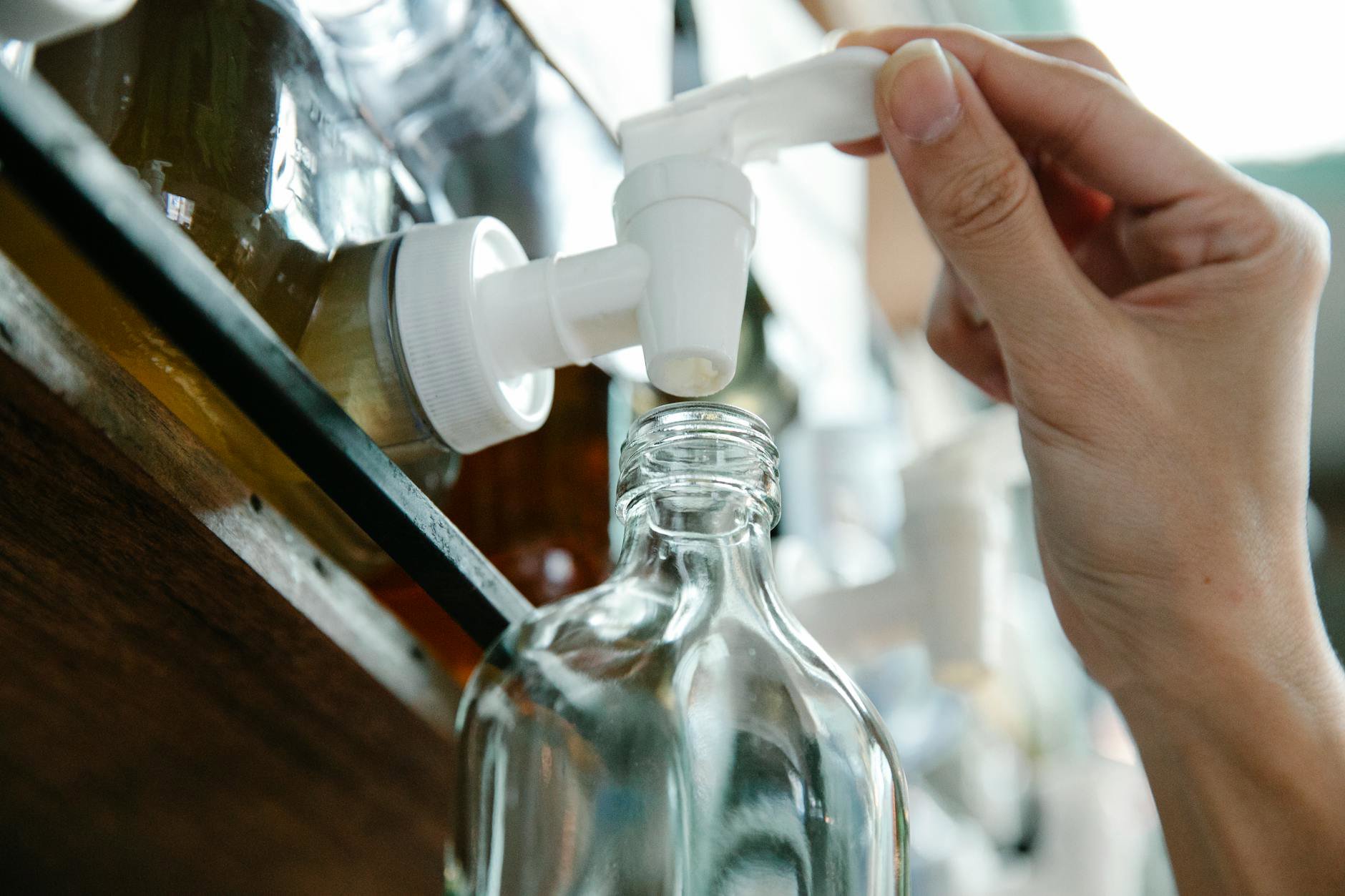
{{IMAGE:close-up of a woman holding a refill pouch next to a glass perfume bottle}}Bottles, Pumps, Caps: What Actually Recycles
Glass sells the story. Heavy flacon, thick base, clink of the cap. It also drives most of the shipping weight. Glass itself can recycle. The pump usually cannot. Mixed materials block curbside sorting, and most local programs reject small components outright.
Here’s the simple rule. Finish your bottle. Pull the cap and decorative collar. Leave the pump attached unless your municipality accepts small mixed items. Rinse the bottle only if residue bothers you. Residual ethanol evaporates fast, and small amounts of fragrance oil will not stop glass recycling in many systems. Check your local rules, because the US does not run a single standard.
Magnetic caps feel luxe and snap shut with a clack. They also embed metal, plastic, and sometimes multiple magnets. That makes them harder to recycle. If you want the greenest hardware, choose a regular plastic cap without a magnet. Simple hinges and single‑material caps recycle more often than mixed designs.
Cardboard matters, too. Many boxes look oversized for the bottle. That extra space cushions the glass for shipping and display. It also adds fiber weight. Look for FSC‑certified cartons and soy or water‑based inks. Uncoated boxes skip laminated films, which helps recycling. If a brand ships a silk‑lined coffin, understand that you just paid for a display case that ends up in a drawer.
Naturals, Synthetics, and Upcycled Notes: What’s Kinder to the Planet
Natural does not always equal sustainable. A field of roses needs land, water, labor, and transport. Weather shifts change yields and push farmers to use more inputs. Natural absolutes sometimes require solvents, not just steam. The result smells exquisite and costs more resources than a lab‑built analog.
Modern aromachemicals fill gaps with less land use and better consistency. Many come from petrochemical feedstocks. Some now come from renewable sources. The biggest win often comes from precision. A single molecule can create a clear woody or musky effect with high strength and low dosage. That reduces the amount of material you need per bottle.
Upcycling adds another lever. Fragrance houses recover aromatic fractions from side streams. Think citrus peels from juice production or wood byproducts from furniture making. You will see “upcycled notes” called out on launch pages. The nose experiences a familiar material, but the feedstock footprint shrinks because it piggybacks on another industry.
Biodegradability claims sound nice, but they need context. Skin exposure happens in tiny doses. Most perfume materials disperse and break down with air and light. The bigger environmental driver in perfume usually comes from packaging, shipping, and retail display. Pick a lighter bottle and a refill when you can. That change moves the needle faster than chasing a “100% natural” label that still ships across the country in a heavy box.
Concentration and Wear Time: Spray Less, Smell More
Concentration affects how much you spray. Eau de Toilette uses less aromatic oil than Eau de Parfum. Extrait sits higher. That oil level, plus the material choice, shifts longevity and projection. A focused EDP may need two sprays for the workday. A sheer EDT may need a midday top‑up.
If you want less waste, match concentration to your routine. Sheer, citrus‑fresh profiles work for hot, humid states. You can use an EDT without choking a small office. In cold, dry climates, powdery florals or resinous gourmands in EDP last longer under sweaters. That means fewer sprays. Body lotions in the same scent also help. They anchor top notes and extend wear, which reduces how fast you drain the bottle.
Oil‑based rollerballs create a close‑to‑skin effect. They ship in smaller vials and often skip bulky caps. They also work for scent‑sensitive workplaces. The trade‑off is sillage. If you want a trail, stick with a spray EDP. If you ride the subway and prefer a hush of scent, oil rules. You can compare across Eau de Parfum Perfumes and Eau de Toilette Perfumes on GlamGeek. The product pages flag concentration, bottle size, and whether a line offers refills or companion body products.
Size Strategy: 30 ml, 50 ml, 100 ml, or Refill?
Right‑sizing saves money and reduces waste. Buy 30 ml if you rotate five or more scents. You’ll finish it before it turns. Buy 50 ml if you wear the fragrance three to four times a week. Step up to a refill only if you drain a 50 ml within a few months and you plan to keep wearing it through the next season.
Travel sprays tempt you with a lower entry price. They also create more packaging per ml. A better small‑format move is a refillable atomizer. Decant from your full bottle into a 5‑10 ml travel sprayer. You get light packaging, zero extra boxes, and a purse‑friendly tool. Many atomizers fill from the bottom without opening the pump, which keeps oxygen out of the main bottle.
Gift sets offer value at holidays and Mother’s Day. The lotion and shower gel feel like a bonus. They also push plastic. Choose sets where you will use both items. Skip sets with trinkets that break in a month. On GlamGeek, we group giftable options under brand pages like Guerlain and Lancôme. Add them to your wishlist ahead of peak promo windows. Our alerts catch price swings across stores, so you can time the purchase rather than chase a one‑day email code.
Packaging Red Flags and Green Wins You Can Spot Fast
You can scan a product page and spot waste quickly. Look for these cues before you click “add to cart.”
- Removable pump with threaded neck: good for refills and easier end‑of‑life.
- Magnetic cap: luxurious but heavier and harder to recycle.
- Oversized keepsake box: looks grand, adds fiber and foam you will not reuse.
- Refill availability in your region: a refill that never ships to your ZIP code helps no one.
- FSC‑certified carton and no plastic window: better for curbside recycling.
Many prestige houses still love thick glass. Some now reduce weight without losing style. A slim base and a tighter shoulder shave grams without looking cheap. You will not always find the weight listed, but you can compare side views and glass thickness in photos. Lighter bottles cost less to move. That helps if you buy online or live far from a flagship counter.
When in doubt, choose the simpler package. A basic cap beats a magnet. A narrow shoulder beats a thick base. A refill pouch beats another full glass bottle. The scent on your skin, not the glass on your shelf, should win the budget.
Brand Examples: Who’s Pushing Smarter Systems Now
Several houses now build refills into their women’s lines. Lancôme’s Idôle line offers counter refills and larger at‑home options. Guerlain’s Aqua Allegoria range uses refillable formats and highlights responsible sourcing stories. Niche labels often skip magnets and trim boxes, which drops weight without killing the vibe. Some niche houses also sell 10 ml refills to replenish travel sprays.
Designer stables under large groups roll changes at scale. You may see carbon‑captured ethanol in select launches and rollouts across portfolios. The switch happens bottle by bottle, not overnight for every SKU. That staggered approach sits normal in fragrance. Most houses tweak packaging only at a scheduled refresh. So do not assume the flankers match the latest sustainability spec. Read each product page.
Mass‑market options also improve. Retailers like Target and CVS push smaller sizes and simple caps. That helps entry buyers who want a light footprint. Prestige counters at Nordstrom and Bluemercury lean into refills and giftable boxes. That helps when you want a signature scent for years. Both lanes work. The “greener” lane is the one you finish.
We group brand families on GlamGeek so you can compare systems side by side. Browse Lancôme for refill notes, then jump to Guerlain for bottle details. You can also scan classic beauty houses like Estée Lauder and Shiseido to see how legacy icons adopt new packaging without losing their look.
Care and Use: Make Every Bottle Last Longer
Storage sets the lifespan. Keep your perfume cool, dry, and out of direct sun. A dark drawer or a closet shelf beats a steamy bathroom. Heat and light break down top notes fast. That turns citrus dull and florals flat.
Spray strategy matters. Two to four sprays on clean, moisturized skin usually do the job. Hit pulse points like the wrists and the base of the throat. If your clothes allow it, a light mist on fabric can extend wear. Test a hidden seam first. Some oils stain silk and acetate. If you want office‑friendly projection, spray the back of the neck and the décolletage. Skip hair mists if your scalp runs dry. Alcohol can irritate sensitive skin.
Use a refillable atomizer for your purse. Decant a small amount for the week. That reduces how often you open the main bottle, which cuts oxygen exposure. It also stops you from tossing half‑used travel sprays. A single good atomizer lasts for years.
Finish what you start. If you buy a 30 ml seasonal floral, wear it through the season. Rotate another scent next season. That churn beats a shelf of half‑used bottles that sour by next summer. If you fall out of love with a scent, sell it to a trusted resale buyer or gift it while fresh.
What This Means for Your Next Perfume Buy
Green claims now crowd fragrance product pages. Some deliver clear wins. Others distract you from heavy glass and fancy caps. Center your choice on what you can control. Finish your bottles. Match size to your wear rate. Pick a refillable system only when you know you will use the refill within a year or two. Choose lighter packaging when you have options that smell equally good.
Use price timing to your advantage. Add your shortlist to a GlamGeek wishlist a few weeks before Sephora’s Spring Savings Event or Ulta’s 21 Days of Beauty. Our tracker compares listings across Sephora, Ulta, Nordstrom, Target, Amazon, and more. We show where refills and core bottles move in price. You can also compare concentrations across Eau de Parfum Perfumes and Eau de Toilette Perfumes. That view helps you pick the format that uses fewer sprays.
Check cruelty‑free and vegan claims with named programs. Look for Leaping Bunny or a clear statement from the brand. Treat parent‑company policies and regional rules as separate issues. If a carbon‑captured ethanol claim catches your eye, read the brand’s sustainability report. See if the change applies to your bottle size, your refill, and your region. Real improvements cover the full SKU family and the packaging, not just a line in a press release.
In the end, your signature wins. Pick the scent that makes you feel pulled‑together. Then buy the format that cuts waste without asking you to spray more or settle for less. Finished bottles beat perfect claims every time.
Which fragrance are you considering for 2026? Do you want a light 30 ml, a refill system, or a small EDP that you can finish by fall? Add your picks to a GlamGeek wishlist, and we’ll flag better prices when they hit. We track the retailers. You keep the ritual.