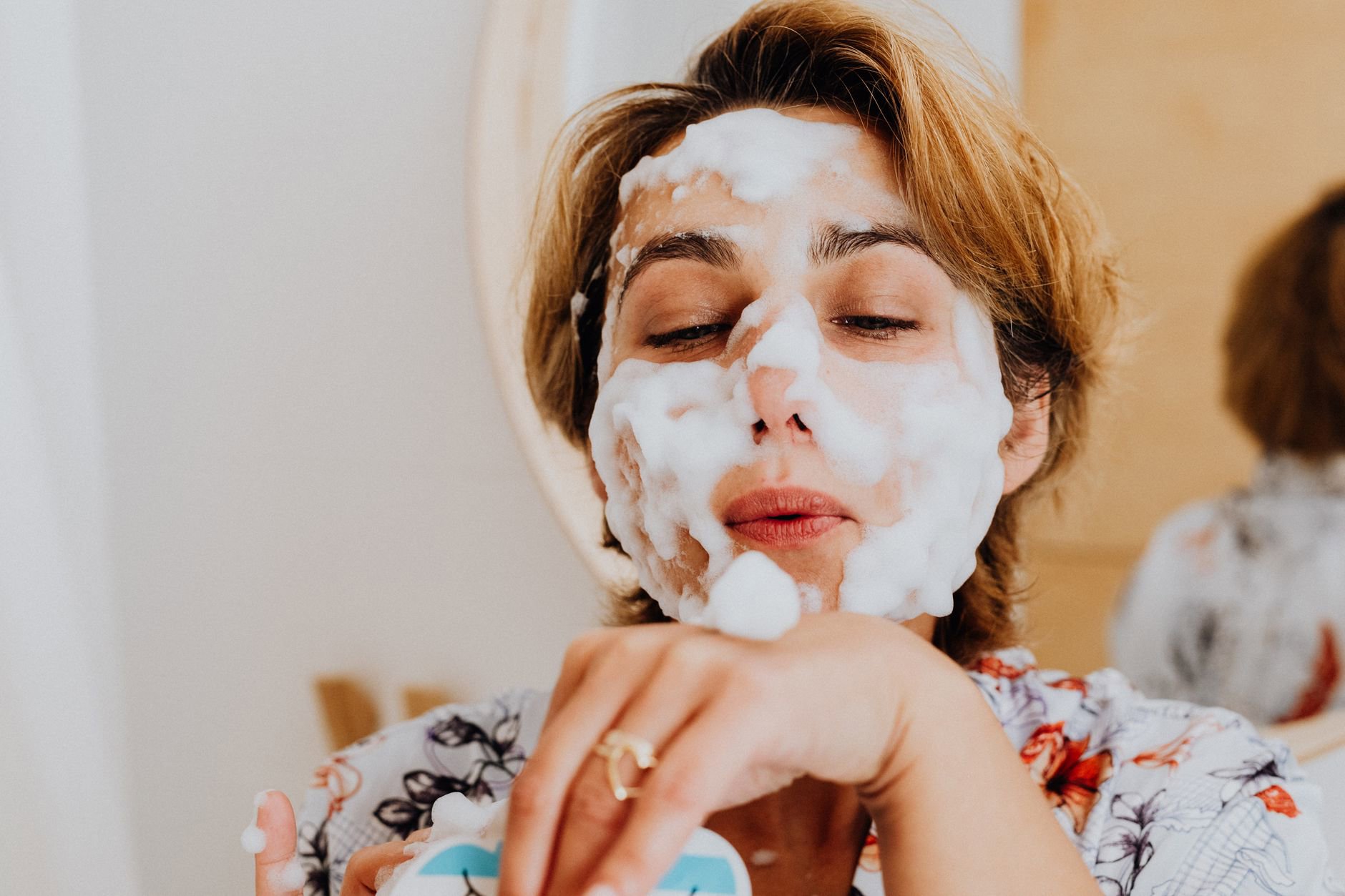
Gel cleanser vs foam cleanser comes down to one question: how much cleansing power your skin can tolerate without feeling tight.
Foaming cleansers usually rely on stronger surfactants and more aeration, so they can feel “squeaky clean” fast. Gel cleansers can still foam, but they more often cleanse with a smoother slip and a lower-risk feel for the skin barrier.
If you want a simple, evergreen rule: choose gel when you want thorough cleansing with less drama. Choose foam when you need extra degreasing and your skin handles it well.
Gel vs foam cleansers: what actually changes on skin
Both gel and foam cleansers aim to remove oil, sunscreen, makeup, and grime using surfactants. Surfactants bind to oil and let it rinse away with water. The skin doesn’t care about marketing words. It cares about surfactant strength, contact time, and what else sits in the formula.
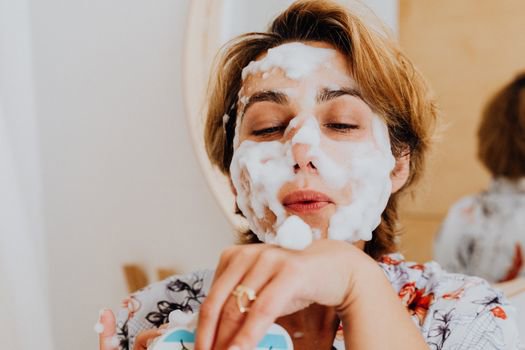
Foaming cleansers often deliver a higher “detergency” feel because the lathering system and foam volume encourage longer rubbing. That can help with very oily skin. It can also backfire on dry or reactive skin, where repeated high-detergency cleansing can increase tightness and flaking.
Gel cleansers span a wide range. Some stay low-foam and cushiony. Others whip up into an airy foam. The advantage is control: you can pick a gel cleanser that matches your tolerance, then adjust technique rather than escalating to harsher cleansing.
One more practical difference: gel textures often spread with less friction. Less friction matters if you deal with redness, acne inflammation, or compromised barrier.
For category browsing context, GlamGeek keeps gel cleansers separate from other cleanser types like Foam & Wash Cleansers. That split exists because texture often signals how a product behaves on different skin types.
How to choose based on skin type (and climate)
Skin type matters, but so does your environment. Humid summers can increase oil and sweat. Cold winters can increase tightness and barrier stress. A cleanser that feels fine in Florida in August can feel harsh in Colorado in January.
Oily or very shiny skin: a gel cleanser that foams and targets excess oil can make sense. Look for gels that mention blemish-prone or oil control, then watch for tightness after rinsing. If you feel “clean” for 10 minutes and then greasy again, you may be over-cleansing and triggering rebound oil.
Dry or tight-feeling skin: prioritize a gel cleanser that removes daily buildup without stripping. Your best signal is the after-feel: comfortable, not squeaky. A good gel cleanser should let you apply your next steps without stinging.
Sensitive or reactive skin: pick gentle gels and shorten contact time. Avoid turning cleansing into exfoliation with lots of rubbing. Here, gel usually beats foam because it can deliver cleansing with less friction.
Acne-prone skin: you have two lanes. Lane one uses exfoliating acids like salicylic or glycolic. Lane two stays gentle and lets leave-on treatments do the heavy lifting. If you already use strong actives elsewhere (think Anti Ageing Face Serums or targeted acne actives), a gentler gel cleanser often works better long-term.
For shoppers building a full routine, cleanser choice also affects what comes next, like Day Face Moisturisers and SPF Protection Products. Over-cleansing makes every next step harder to tolerate.
Ingredients that matter (and which “foam myths” to ignore)
We won’t pretend every ingredient list is easy to decode. Still, a few categories predict how a cleanser will feel.
Exfoliating acids in cleansers: These can help with texture, dullness, and breakouts, but they also raise the risk of dryness if you stack them with other exfoliants. Several gel cleansers in our tracked set lean into this.
- Salicylic acid (BHA): oil-soluble, often chosen for clogged pores and blemishes. You’ll see it highlighted in Peter Thomas Roth Anti Ageing Cleansing Gel (from $8.00) and Rodial Salicylic Acid Cleanser (from $14.00).
- Glycolic acid (AHA): water-soluble, often chosen for surface dullness and uneven texture. Glytone Mild Gel Cleanser (from $15.00) includes glycolic acid plus glycerin and aims to gently exfoliate while refreshing skin.
- AHA blends: multi-acid formulas can amplify results and irritation risk. Dr Dennis Gross Skincare Alpha Beta Aha/Bha Daily Cleansing Gel (from $17.48) uses glycolic, mandelic, and lactic acids to sweep the surface while clearing dead skin cells.
Humectants and “cushion” ingredients: These help a cleanser feel less stripping. In the provided product descriptions, glycerin shows up explicitly in Glytone’s gel cleanser, which matters for slip and post-rinse comfort.
Marketing myth: foam itself doesn’t “mean harsh.” Plenty of gel cleansers foam. The practical risk is that people use foaming textures longer and rub harder. Technique can turn a good formula into a bad experience.
GlamGeek picks: best gel cleansers by goal (with tracked starting prices)
Below are gel cleanser picks from our current tracked list, matched to common needs. We only cite prices where our product feed includes a starting price.
For a gentle, all-skin-types default: Dermalogica Special Cleansing Gel (from $14.69). Its description positions it as avoiding that tight post-wash feel and as suitable for sensitive, oily, dry, and combination skin. That “wide fit” profile makes it a safe first bet when you don’t want to gamble.
For a budget-friendly, makeup-and-impurities focus: THE INKEY LIST Fulvic Acid Cleanser (from $5.35). The brand calls out removing makeup, impurities, and dead skin cells while staying gentle. At this entry price, it’s an easy option for households where multiple people share a sink.
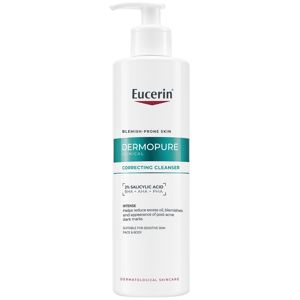
For blemishes and post-acne marks: Eucerin Dermopure Clinical Correcting Cleanser (from $12.45). Its description states it is dermatologist-recommended and clinically proven to reduce blemishes and post-acne marks, with a foaming gel format. This sits in the “active-leaning cleanse” camp, so we’d keep contact time short at first.
For normal-to-combination skin that hates dryness: Eucerin Dermatoclean Refreshing Cleansing Gel (from $10.65). The description focuses on removing daily impurities and makeup without stripping natural moisture, and it highlights gluco-glycerol in its cleansing complex.
For oil control and a matte finish: Caudalie Vinopure Purifying Gel Cleanser (from $13.80). The description frames it as ideal for blemish-prone skin and notes a mattified, shine-free finish.
For texture + radiance with a multi-acid gel: Elemis Procollagen Energising Marine Cleanser (from $15.53). Elemis positions it as a refreshing gel with a trio of acids that dissolves dead skin cells and lifts makeup while reducing excess oil.
For luxury, non-foaming gel-to-oil makeup lift: OSKIA Renaissance Cleansing Gel (from $47.15). The description calls it non-foaming and gel-to-oil, designed to lift makeup and impurities while restoring radiance. This is the priciest option in our list, so we’d reserve it for people who care about that sensorial, makeup-removing format.
Where to buy varies. In the US, shoppers often compare Sephora vs Ulta vs Nordstrom for prestige cleansers, and Target or CVS for value. Our price tracking tends to show that the same gel cleanser can swing depending on retailer promos and set bundles (see Skin Care Sets for where cleansers sometimes hide).
Acne and “active” gel cleansers: when acids help (and when they backfire)
Acne-prone shoppers often reach for the strongest cleanser they can find. It feels logical. It also leads to the classic cycle: strip → sting → compensate with heavier products → break out again.
Acid-based gel cleansers can work well when you use them like a short-contact treatment. You apply, cleanse for 20–40 seconds, and rinse. That gives some exfoliation benefits while limiting irritation. It also reduces the temptation to scrub.
Options in this list break down like this:
- Rodial Salicylic Acid Cleanser (from $14.00): a gel that turns into an airy foam and focuses on gentle exfoliation and visible radiance renewal.
- Peter Thomas Roth Anti Ageing Cleansing Gel (from $8.00): highlights salicylic acid and a deep skin-renewing action tied to increased cell turnover.
- Glytone Mild Gel Cleanser (from $15.00): glycolic acid plus glycerin, positioned as gentle exfoliation with refresh.
- Dr Dennis Gross Skincare Alpha Beta Aha/Bha Daily Cleansing Gel (from $17.48): multi-AHA blend plus BHA framing, meant to sweep and clarify.
When do these backfire? Usually when you also use strong leave-on exfoliants, or when your climate turns dry. In those moments, a gentler daily gel (like Eucerin Dermatoclean Refreshing Cleansing Gel) plus a targeted active elsewhere often causes less irritation.
Also: don’t confuse “more foam” with “more acne control.” Acne responds to consistency and lower inflammation. A cleanser can support that. It can’t brute-force it.
The barrier-friendly method: how to cleanse without feeling tight
Technique matters as much as the bottle. Many “foaming cleanser problems” show up because people use too much product, too hot water, and too long a massage.
Use this method with any gel cleanser in this guide.
Step-by-step (morning or night)
- Wet hands first, then face. Start with lukewarm water. Hot water increases tightness fast.
- Use less than you think. Most gels only need a small amount. More product encourages longer rubbing.
- Emulsify in hands for 3–5 seconds. This spreads surfactants evenly and reduces friction on skin.
- Massage for 20–40 seconds. Keep it gentle. Focus around nose, jaw, and hairline.
- Rinse thoroughly. Residual cleanser can sting when you apply other steps.
- Pat dry. No towel scrubbing.
If you wear heavy makeup or tenacious sunscreen, a single cleanse may not cut it. A simple workaround: do a double cleanse with the same gel cleanser. Two short cleanses often irritate less than one long cleanse.
After cleansing, match your follow-up to your season. In winter, many people need richer moisturizers. In summer, lighter layers can work. Either way, cleanser shouldn’t set off a stinging cascade when you apply your next steps.
For readers building a full routine, keep categories clear. Cleanser is cleanser. A cleanser can support glow, but it doesn’t replace Face Masks or leave-on treatments. Overloading your wash step creates problems later.
Quick comparison: choosing a gel cleanser when you were considering foam
Many shoppers land here because a foaming cleanser felt too harsh, or because a non-foaming cleanser felt too light. Gel sits in the middle, so the “best” choice often means choosing the right gel subtype.
Here’s how we’d match common complaints to gel cleanser picks from our list.
- “Foam makes me feel tight.” Try Dermalogica Special Cleansing Gel (from $14.69) or Eucerin Dermatoclean Refreshing Cleansing Gel (from $10.65).
- “I want matte, less shine.” Try Caudalie Vinopure Purifying Gel Cleanser (from $13.80) or Eucerin Dermopure Clinical Correcting Cleanser (from $12.45).
- “I want glow, but I break out.” Try a short-contact active gel like Elemis Procollagen Energising Marine Cleanser (from $15.53) or Dr Dennis Gross Skincare Alpha Beta Aha/Bha Daily Cleansing Gel (from $17.48), then reduce frequency if you feel dryness.
- “I need makeup removal in my cleanse.” Try THE INKEY LIST Fulvic Acid Cleanser (from $5.35) or a gel-to-oil format like OSKIA Renaissance Cleansing Gel (from $47.15).
Two quick notes. First, if you also use strong actives, you may not want an acid cleanser daily. Second, your water quality matters. Hard water can make any cleanser feel harsher. In that case, shorter cleansing plus better rinsing often helps.
Practical tips you can use tonight (no new products required)
Start by auditing your after-feel. If your skin feels tight within five minutes of cleansing, treat that as a clear signal. Tightness means you removed more than grime. You removed comfort.
Then adjust in this order:
- Reduce time. Cleanse for 20–30 seconds for a week.
- Reduce heat. Lukewarm water only.
- Reduce frequency. Many people do fine with a single cleanse at night and a quick rinse in the morning.
- Switch to a gentler gel. If you need a new pick, start with wide-fit options like Dermalogica Special Cleansing Gel or Eucerin Dermatoclean Refreshing Cleansing Gel.
If you feel congested rather than tight, add strategy rather than scrubbing. Use an active gel cleanser 2–4 nights per week, not twice daily. Options like Glytone Mild Gel Cleanser (from $15.00) or Rodial Salicylic Acid Cleanser (from $14.00) fit that “scheduled” approach.
Price-wise, our tracker regularly shows big spreads between entry gels and prestige gels. If you want value first, THE INKEY LIST Fulvic Acid Cleanser (from $5.35) sets a low-cost baseline. If you want a sensorial gel-to-oil, OSKIA sits at the other end.
Different priorities. Same goal.
So, which is better: gel or foam?
If you consistently feel tight, flaky, or reactive after washing, gel usually wins. It gives you enough cleansing while leaving more room to protect the barrier.
If you run very oily and you tolerate stronger cleansing well, foam can work. Still, many people get the same results by choosing a foaming gel and dialing in technique.
Want a shortlist based on your skin type and budget range? Tell us your skin concerns (oil, dryness, sensitivity, breakouts) and what retailers you shop most (Sephora, Ulta, Target, CVS), and we’ll point you to the best-fitting gel cleanser options from this list.