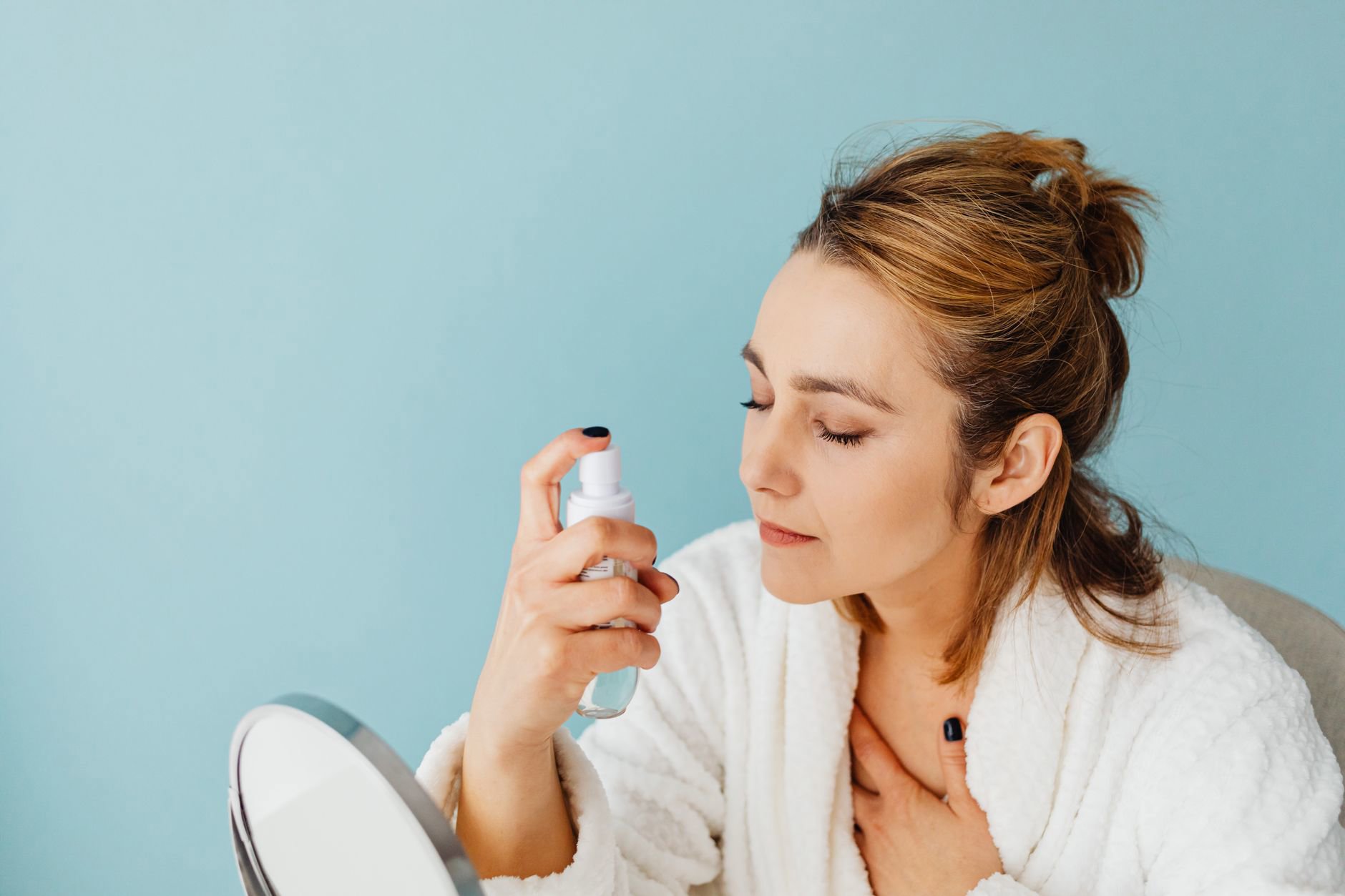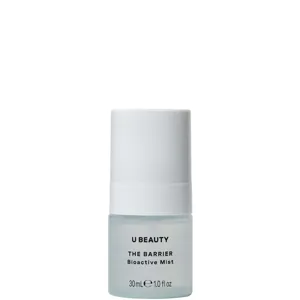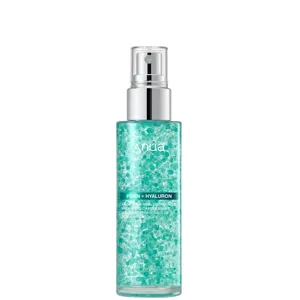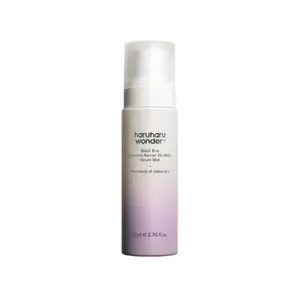
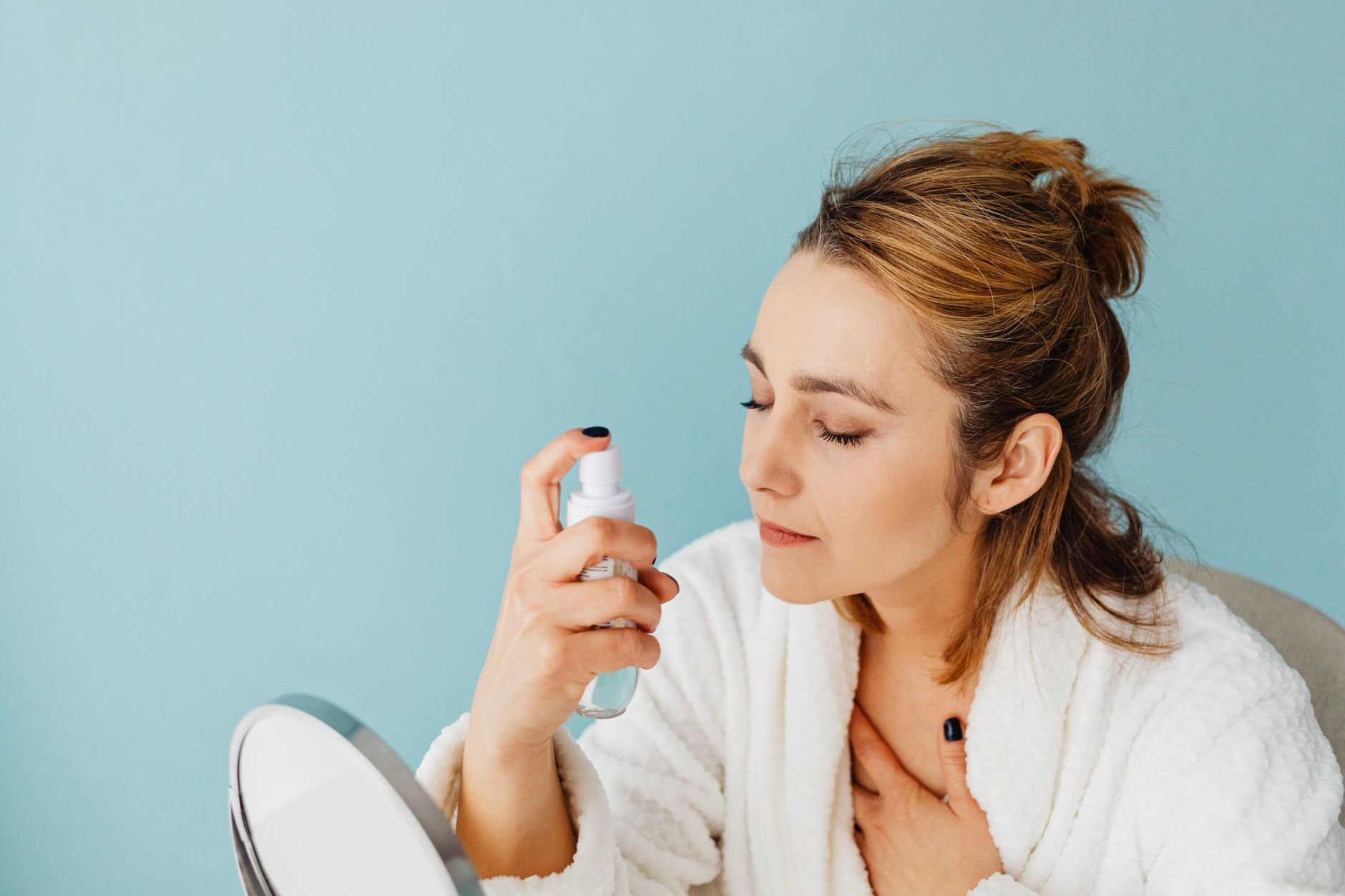
Face mist works best when you treat it like a tool, not a treat. Spray at the right moment—on clean skin before serums, between layers to reduce tightness, after makeup to take down powder, or midday when your face feels dry—and it can meaningfully improve comfort and finish.
Spray at the wrong time (or with the wrong formula for your skin type) and it becomes expensive scented water. Or worse, it triggers sensitivity.
Below, we break down when to use face mist, where it fits in a routine, and how to pick one that matches dry, oily, or sensitive skin—using only the face mists our tracker sees across major retailers.
Face mist basics: what it actually does (and what it can’t)
A face mist is a liquid skincare product delivered as a fine spray. Most fall into three practical buckets: hydrating waters (comfort + light hydration), serum-mists (hydration plus added skin-supporting ingredients), and finish mists (aimed at makeup wear and look).
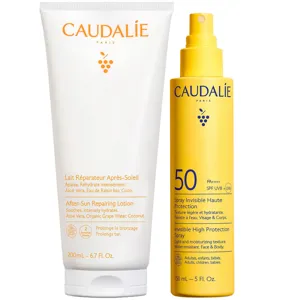
What face mist can do well: add water back to the surface of skin, reduce that tight “paper” feeling, and help skincare layers spread more evenly. Some formulas also target redness or sensitivity. For example, Caudalie Organic Grape Water Mist (from $9.20) positions itself around immediate hydration and reduced sensitivity, with moisturizing polysaccharides and mineral salts listed in its description.
What face mist can’t do alone: replace moisturizer, replace sunscreen, or permanently “lock in” hydration without a sealing layer on top. Water evaporates. If you mist and stop there, skin can feel drier later—especially in dry climates or heated indoor air.
One more myth worth clearing up. Face mist does not need to sting to “work.” If you want a calm, no-drama spray for irritated days, thermal waters often suit that use case: Avène Thermal Spring Water Spray (from $6.50) and La Roche-Posay Thermal Spa Water (from $9.66) both describe soothing, comforting benefits for sensitive or weakened-feeling skin.

Where face mist fits in your routine (AM and PM order)
The cleanest way to think about face mist: it’s a hydration step that can sit in multiple places, depending on your goal.
AM routine placement usually works like this: cleanse → mist → serum(s) → moisturizer → SPF. The key moment sits right after cleansing. Slightly damp skin can help water-based layers spread, and it can reduce that “tight after washing” feeling.
If you already use Face Toners, a mist can still fit in—but you don’t need both every morning. Many shoppers end up using toner on cotton (more structured step) and mist for on-the-go rehydration (more flexible step). Different job.
PM routine placement looks similar: cleanse → mist → treatment/serum → moisturizer. If you use richer night layers (see Night Face Moisturisers), misting before can reduce drag and help you use less product overall.
For a straightforward “anytime” mist that also plays nicely with makeup, the classic option remains Mario Badescu Facial Spray With Aloe Herbs And Rosewater (from $3.60). Its description calls it refreshing and hydrating, and it even suggests misting over moisturizer or using it to set makeup.
Prefer a cooling feel in the morning? Mario Badescu Facial Spray With Aloe Cucumber And Green Tea (from $4.20) describes a cool, refreshing spritz and calls out aloe vera plus an antioxidant boost.
Best times to spray: pre-serum, between layers, after makeup, and midday
Most people buy a face mist for “whenever.” That’s fine. But timing changes results.
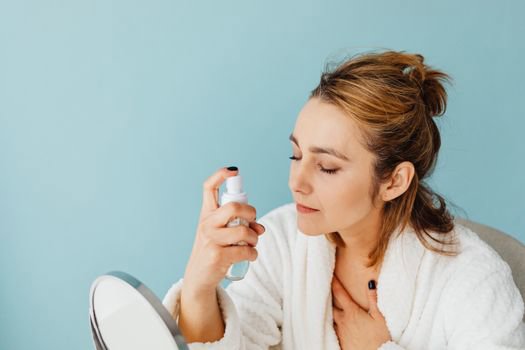
1) Before serums (on clean skin). This is the most consistently useful slot. Mist lightly, then apply your serum while skin still feels slightly damp. You’re not trying to soak your face. You’re trying to create slip and comfort.
2) Between skincare layers. If your skin gets tight while you layer (common in cold winters or dry western climates), mist once between serum and moisturizer. It can make your moisturizer feel less heavy because you’re not chasing hydration purely with oils and creams.
3) After makeup. The goal here isn’t “setting” in a hairspray sense. The goal is to melt powders into the base so the finish looks like skin. A mist that explicitly mentions makeup use helps: Laura Geller Spackle Mist Boost With Electrolytes (from $8.00) describes electrolytes like magnesium, zinc, and copper, plus grape seed extract and Centella Asiatica, and it states it helps lock in makeup.
4) During the day. This is the “office AC,” “airplane cabin,” or “post-gym commute” use case. Keep expectations realistic: you get comfort and a fresher look. You still need a moisturizer earlier in the day to prevent that mist-from-evaporating rebound dryness.
For midday sensitivity or post-procedure vibes (even if you just overdid exfoliation), thermal waters often make the most sense. The description for La Roche-Posay Thermal Spa Water highlights soothing and comforting for irritated or sensitive skin, delivered via micro-droplets.
How to layer face mist correctly (so it doesn’t dry you out)
The biggest mistake we see in routines: mist as the last step on bare skin, then nothing else. It feels good for five minutes, then the water evaporates.
Use this simple rule: mist + seal. Mist provides water. Your next layer helps keep it there. That “sealer” can be a serum, a moisturizer, or both. If you want context on what counts as a sealing layer, see Day Face Moisturisers and Night Face Moisturisers—but keep the actual product choices in this guide to mists.
Here’s a step-by-step approach that works for most skin types:
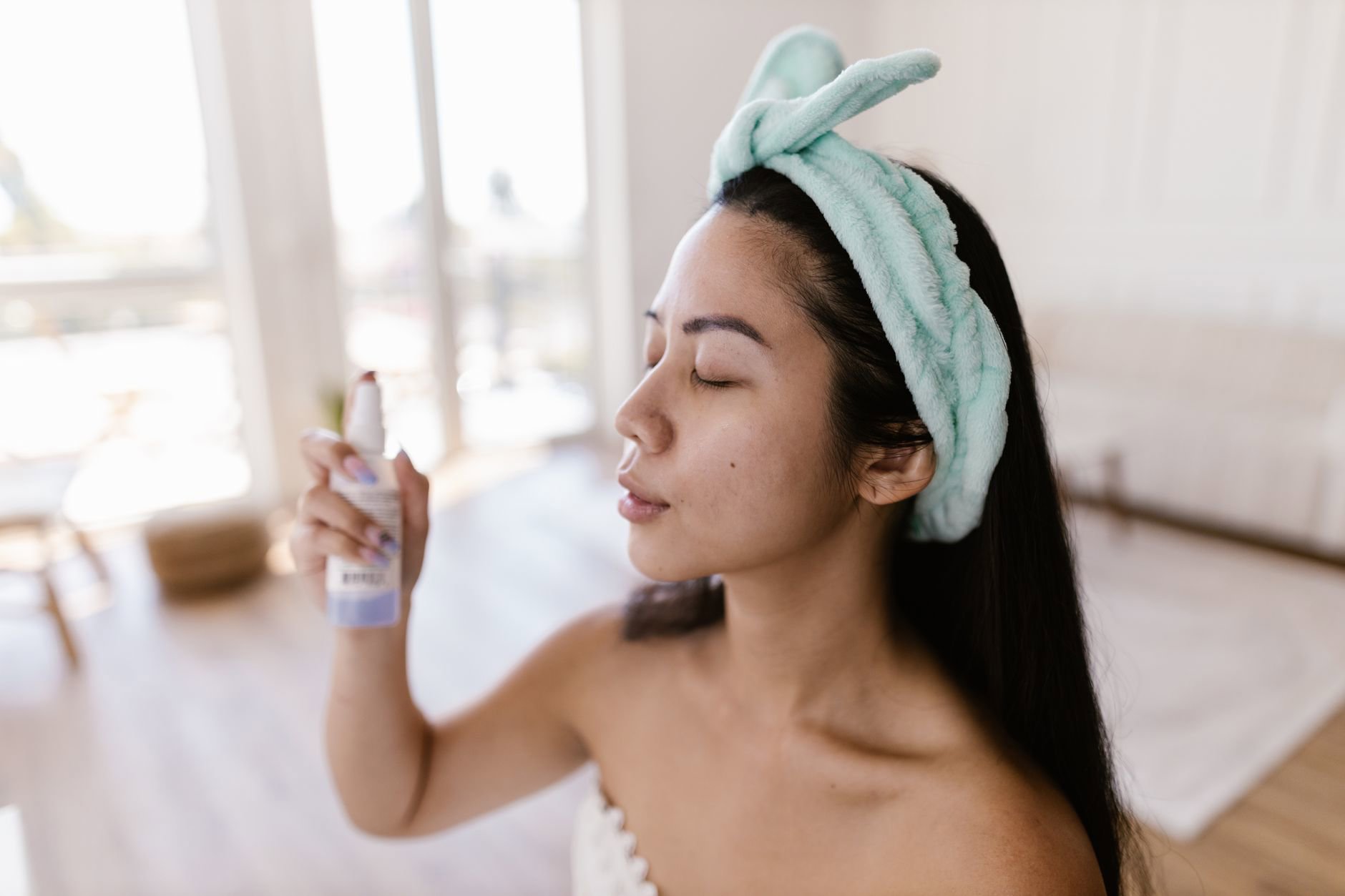
- Step 1: Hold the bottle 8–12 inches away. Spray 2–4 times.
- Step 2: Wait 10–20 seconds. Let the droplets settle.
- Step 3: Apply your next layer while skin still feels slightly damp.
- Step 4: If you over-misted, press (don’t rub) with clean hands to distribute.
Want a mist that reads like skincare-first, not fragrance-first? Serum-mists sit in that lane. Glow Hub Nourish & Hydrate Serum Mist (from $9.20) describes a hydrating serum-mist designed to nourish, soothe, and refresh for everyday use.
On the value side, our price tracking often shows face mists spanning “impulse buy” to “luxury add-on.” The low entry point matters because consistent use beats occasional splurges. Mario Badescu Facial Spray With Aloe Herbs And Rosewater starts at $3.60, while prestige options like ESPA Optimal Skin Nutrients Mist begin around $30.00.
Choosing a face mist by skin type: dry, oily, sensitive
Skin type doesn’t dictate one “perfect” mist. It dictates what you should avoid, and what benefits you should prioritize.
Dry skin: prioritize comfort, barrier support, and formulas designed for dryness. Curél Deep Moisture Spray For Dry, Sensitive Skin (from $13.00) explicitly targets dry, sensitive skin and describes ultra-fine mist technology for essential moisture. If dry skin also acts reactive, a barrier-focused option like Pai Century Flower Barrier Defence Mist (from $44.85) stands out in our list because its description calls it clinically proven to strengthen barrier function and notes it’s alcohol-free.
Oily or combination skin: focus on lightweight hydration and finish control. A mist won’t “fix” oil, but it can help you use less heavy moisturizer and reduce the urge to over-powder. Look for sprays that refresh without leaving a slick feel. Mario Badescu Facial Spray With Aloe Cucumber And Green Tea leans into cooling and refreshing in its description, which often appeals to oilier skin routines.
Sensitive skin: keep it boring on purpose. Thermal waters and sensitivity-positioned formulas tend to create fewer problems. Caudalie Organic Grape Water Mist claims it immediately hydrates and diminishes skin sensitivity, and it notes mineral salts and potassium. La Roche-Posay Thermal Spa Water describes soothing for irritated or weakened skin.
Calm can also mean “softly fragranced, used sparingly.” Mario Badescu Facial Spray With Aloe; Chamomile And Lavender (from $5.00) describes a calming, comforting, delicately fragranced mist and notes Vitamin C infusion. If fragrance triggers you, skip it. If fragrance doesn’t bother you, it can feel spa-like.
Product picks by scenario (with tracked starting prices)
Our merchant feed shows that shoppers rarely stick to one use case. They want a desk mist, a makeup mist, a “my skin is mad” mist, and a travel mist. Fair.
Here are scenario-based picks from the face mist list, with the starting prices we track. We only state what the provided descriptions support.
For sensitive days and simple hydration
- Avène Thermal Spring Water Spray — from $6.50. Described as energizing and invigorating, leaving skin refreshed.
- La Roche-Posay Thermal Spa Water — from $9.66. Described as soothing and comforting for irritated or sensitive skin.
- Caudalie Organic Grape Water Mist — from $9.20. 100% organic formula; described to hydrate and diminish sensitivity.
- Curél Deep Moisture Spray For Dry, Sensitive Skin — from $13.00. Designed for dry, sensitive skin; ultra-fine mist technology.
For makeup finishing and “powder looks dry” fixes
- Laura Geller Spackle Mist Boost With Electrolytes — from $8.00. Described to lock in makeup; includes electrolytes and Centella Asiatica.
- Mario Badescu Facial Spray With Aloe Herbs And Rosewater — from $3.60. Description suggests use to set makeup.
For a dewy, nourished look (skincare-meets-mist)
- ESPA Optimal Skin Nutrients Mist — from $30.00. Described as a vitamin-rich veil with botanical oils for a dewy-looking finish.
- Glow Hub Nourish & Hydrate Serum Mist — from $9.20. Described to hydrate, nourish, and soothe.
Two products in our list come with descriptions that don’t clearly match the product name or category. We still list them as face mists, but we avoid feature claims beyond what’s provided: Glow Hub Super Shroom Serum Mist (from $28.64) and Charlotte Tilbury Magic Hydrator Mist (from $44.00).

Technique matters: how to spray for skincare vs makeup (and avoid pilling)
Same bottle, different technique.
For skincare: mist closer to the face than you would for makeup, because you want product to land and stay slightly damp. Then apply your next layer promptly. If you wait too long, skin dries and the benefit drops.
For makeup: increase distance and reduce sprays. Think “cloud,” not “splash.” If droplets sit on the surface, they can spot concealer and create tiny trails through powder products. Two light sprays can beat five heavy ones.
If you struggle with pilling in general, mists can help or hurt. They help when they reduce friction between layers. They hurt when you oversaturate and then rub. Pressing with hands (clean, dry) often fixes the issue faster than adding more product.
For a mist that explicitly supports makeup longevity, Laura Geller Spackle Mist Boost With Electrolytes stays the most direct match in the provided descriptions. If you use a full face of Liquid Foundations and powders, that “lock in makeup” language matters.
For a dewy finishing vibe, ESPA Optimal Skin Nutrients Mist describes botanical oils and a radiant, dewy-looking finish. Oils can look beautiful on drier skin. Oilier skin may prefer a lighter hand.
Practical tips you can use today (no new products required)
Use mist to control how much cream you need. If moisturizer feels heavy, mist first, then apply a smaller amount. Many routines overload moisturizers because skin lacks water, not oil. A mist can solve the “water” part.
Keep one mist for your bag and one for your vanity. Travel sizes reduce contamination risk and make midday use realistic. Curél Deep Moisture Spray For Dry, Sensitive Skin comes as a duo with a mini included, per its description, which suits this exact habit.
Match mist timing to your environment. In humid climates, you may only need mist pre-serum. In dry climates or winter heating, you may like mist between layers and again midday. Skin responds to weather more than marketing.
Don’t use mist as a substitute for SPF reapplication. If you need sun protection guidance, start with SPF Protection Products. Mists can refresh makeup, but they don’t replace sunscreen.
When in doubt, go simpler. If your skin flares easily, pick a mist positioned for sensitivity, like La Roche-Posay Thermal Spa Water or Caudalie Organic Grape Water Mist, and keep your routine otherwise steady.
Curious which step you’ll actually stick with: pre-serum, post-makeup, or midday? If you tell us your skin type and when you feel dryness (morning, afternoon, or after cleansing), we’ll point you to the most sensible face mist from the list.