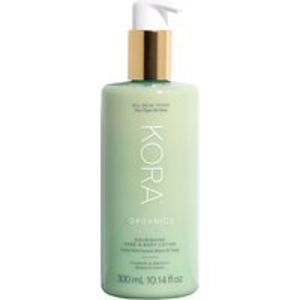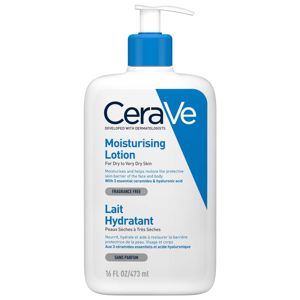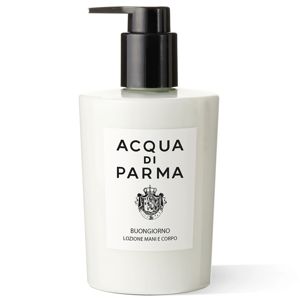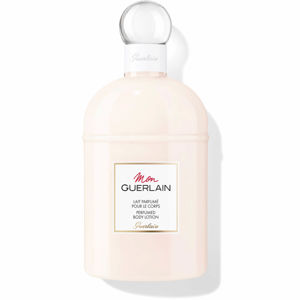
Our price tracker shows a steady pattern every year: searches for body butter spike from late October through February, while body lotion holds the lead from spring into late summer. Retailers move with it. Ulta and Sephora feature heavier moisturizers during Black Friday and holiday sets. Target pushes jumbo pump lotions as the weather warms. The shift isn’t a trend story. It reflects how women buy by texture and climate.
We also see price gaps widen more on butters than on lotions. Tubs swing with seasonal promos and gifting. Pump lotions usually lock to everyday pricing and only budge during sitewide events. If you only need one moisturizer year-round, that may decide it more than any romantic copy about cocoa pod origins.
Here’s the blunt truth: lotion suits daily, fast-absorbing hydration. Body butter suits rich, occlusive moisture that stays put. Everything else lives in the details—your climate, your fabric choices, your tolerance for residue, and your ingredient needs.
Context: What separates lotion from butter, beyond the jar
Formulators build lotions with a high water phase and light emollients. You get slip, spread, and quick absorption. Butters use a low water phase or none at all. Brands pack them with shea, cocoa, mango butter, or hydrogenated oils to deliver cushion and long wear. The feel tells you the ratio without decoding the INCI list.
Packaging hints at function. Pumps suit lotions because thinner formulas move through a tube. Butters sit in tubs because you scoop. The format influences how you use each one. You can slick on lotion over damp skin in 30 seconds. You massage butter where you need a barrier: heels, shins, belly, elbows.
Where you shop also signals texture and price tier. Target, CVS, and Walgreens stock family-size lotions at wallet-friendly prices. Sephora and Bluemercury carry premium butters alongside fragranced body creams. Amazon mixes everything and often surfaces bundle deals. Our merchant feed tracks all of it, so you can compare before you commit.
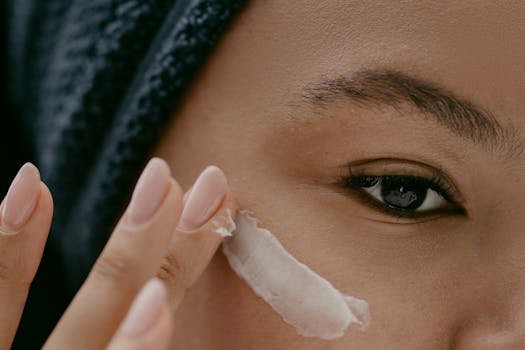
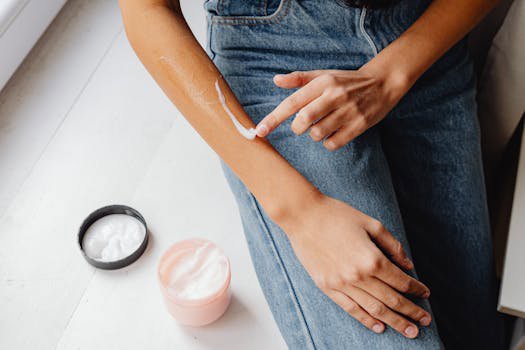
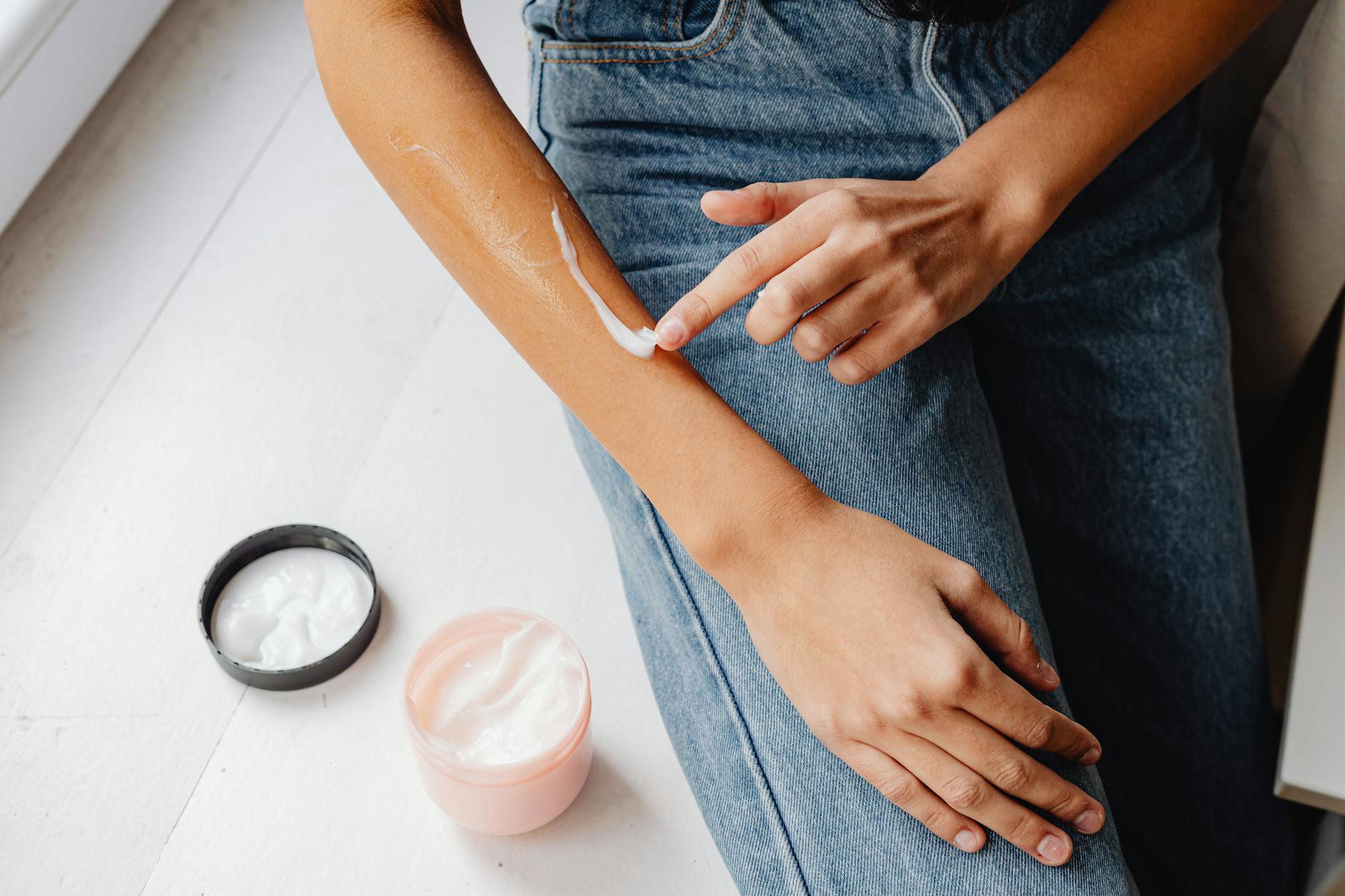
{{IMAGE:woman applying body lotion on arms}}Texture 101: How each feels, finishes, and wears on skin
Lotion feels light, spreads fast, and sinks in quickly. It suits mornings, hot rooms, and tight schedules. If you dress in fitted denim or silk, lotion won’t fight your wardrobe. It leaves a soft finish that won’t grab fabrics or leave streaks on dark clothes.
Body butter feels dense and cushy. It melts down with body heat and coats the skin. You feel it for hours. That can help if dry air chews through everything else you try. It can frustrate if you type all day or wear tights. Finish matters here. Some butters leave a dewy sheen. Others look satin and play nicer under clothing.
Layering changes the story. Apply a light lotion first, then seal sides of the body with butter where you lose water fastest—shins, ankles, hands. That targeted approach gives you the best of both without greasiness from neck to toe.
Ingredient profiles: Humectants, emollients, and occlusives
Moisturization comes from three pillars. Humectants pull water into skin. Think glycerin and hyaluronic acid. Emollients smooth rough texture and add slip. Think fatty alcohols, esters, and plant oils. Occlusives slow water loss by forming a barrier. Think petrolatum, shea, cocoa butter, and waxes.
Most lotions lean on humectants plus lighter emollients. They hydrate fast and feel weightless. They can fall short if your environment strips moisture all day. Butters boost occlusives. They hold hydration longer and help flaky patches look calmer because they physically prevent water from escaping.
Scan the INCI list to match needs to format. If glycerin or propanediol sits high on a lotion’s list, expect quick hydration. If shea butter, cocoa butter, or petrolatum sits in the top five on a butter, expect staying power. Fragrance near the end means you’ll smell something but likely at a lower load. Fragrance mid-list means a stronger scent and a higher chance of irritation if your skin protests perfume.
If you prefer recognizable names, butters often sound friendlier. But don’t assume plant oils beat petrolatum for barrier support. Petrolatum remains one of the most effective occlusives we track in actual usage claims and dermatologist guidance. If residue bothers you, blend a pea-size amount with lotion in your palm. You get benefits with less drag.
Climate and season: Pick for weather, not just skin type
Skin type matters. Weather rules. Women in the humid South often reach for lotion during summer because sweat and occlusive balms feel like too much. Body butter makes more sense when central air wicks moisture from indoor air or winter winds whip bare ankles.
Dry Western states punish skin with desert air and big temperature swings. In that context, butter or a butter-lotion cocktail works almost year-round. The Northeast flips between steam-heat apartments and cold sidewalks for months. Many women use lotion by day and butter by night from November through March. Warmer months invite a switch back to lotion or a gel-cream formula with more water and humectants.
Watch your clothing too. If you wear leggings, jeans, or tights most days, lotion stays the easier choice. If you work in shorts or skirts and want a sheen on legs, butter gives a nicer cosmetic finish. It reads like a body oil but transfers less if you let it set for a few minutes.
Use your calendar. During Ulta 21 Days of Beauty and Sephora Spring Savings, we see value sets with both formats. That’s the ideal moment to stock a lighter pump and a richer tub without overpaying. Add both to your GlamGeek wishlist so we can ping you when one drops in price.
Skin concerns: Sensitive skin, KP, pregnancy, and scent
Sensitive or reactive skin does best with short INCI lists and low fragrance. Many premium butters load on perfume because the tactile ritual pairs with scent. That can delight or irritate. If your skin flares, filter for fragrance-free or lightly scented picks. Our Body Lotions and Body Creams categories gather fragrance details from retailers and reviews so you can screen fast.
Keratosis pilaris (bumps on arms or thighs) improves with gentle exfoliation plus moisture. Lotion with urea or lactic acid softens texture while keeping the feel light. You can still spot-treat with a thin layer of butter after. Don’t sand your skin raw with scrubs. Keep exfoliation modest, then seal in water with your chosen format.
During pregnancy, many women prefer simple formulas and lower scent loads. Most body moisturizers avoid retinoids, but read labels anyway. Butters with cocoa or shea feel soothing on stretching skin because they reduce tightness. Lotion still works fine if you apply more often and keep skin damp before application.
Allergies and nut sensitivities matter. Shea and almond oils appear in many butters. If that raises concerns, pick options built on mango butter, cupuaçu, or non-nut plant esters. Brands like Clinique and Garnier usually flag allergens clearly. Check our brand pages to compare formulas quickly across retailers.
Day vs night: When to lotion, when to butter, and how to layer
Use lotion when mornings run tight. Shower, pat until skin stays damp but not dripping, then apply a palmful of lotion per limb. Clothes go on without stick. If you work in air conditioning, stash a travel size at your desk for hands and forearms.
Use body butter at night. Massage into feet, shins, elbows, and any stretch-prone areas. Put on thin cotton socks or pajama pants if you worry about transfer. You wake with softer skin and fewer flakes on sheets. If your hands crack, rub a small amount into cuticles and knuckles before bed.
Layer with purpose. Start with hydration from the shower. Use a non-stripping body wash, then trap the water. A few minutes matters. Apply lotion within three minutes of toweling. Follow with butter only where you need extra occlusion. If you love body oils, treat them like butter. Layer them last or blend a pump with lotion to thin the feel while keeping glow.
Fragrance fans can coordinate formats. Lotion at noon for a subtle cloud. Butter at night when you want the scent to linger at home. If you want neutral skin scent for perfume layering, look to brands like Sephora Collection and Clinique for cleaner or unscented body lines.
{{IMAGE:woman applying body butter to legs at night}}Decoding labels: What claims matter and what you can ignore
“24-hour moisture” sounds great. It tells you the formula emphasizes occlusives or film formers. It does not mean you must go a full day without reapplying. If your office feels dry or you wash hands often, reapply as needed. Formulations differ, and real life beats lab conditions.
“Dermatologist-tested” signals that a brand ran some testing. It doesn’t reveal test scale or outcomes. Let the INCI list guide you instead. Look for glycerin, urea, shea butter, petrolatum, ceramides, or squalane near the top if you need barrier support. Avoid known triggers if your skin dislikes them, including strong fragrance or high essential oil loads.
“Clean” and “vegan” describe brand values, not performance. Choose them if they matter to you. Many vegan butters perform well because butters and waxes often come from plants anyway. Check for stability. Product separation in a tub can happen with high oil loads and heat swings. Stir and store cool, or pick a lotion for travel if you worry about mess.
“With shea butter” on a lotion can mean a tiny amount. If a butter takes center stage, you should see it high on the list. Order matters. Ingredients list by descending concentration until a threshold. Read past the first line and you’ll decode the real story fast.
Price and value: Size, format, and sales windows
Lotions win on cost-per-use in most of our comparisons. Pumps come in large sizes and cover more skin per ounce. Butters cost more per ounce, and you use them on smaller areas. That can still deliver value if you only target rough zones and make one tub stretch across seasons.
Look at size, not just sticker price. Tubs range from petite jars to giant formats that could last months. Pumps vary widely too. We see notable per-ounce swings across Sephora, Ulta, Target, and Amazon, especially during promo events. Check our price comparison on each product page. Add your pick to a wishlist, and we’ll alert you when it dips.
Set deals help if you want both formats. During holiday and Mother’s Day sets, retailers bundle a full-size lotion with a mini butter or vice versa. Brands like The Body Shop build gift kits around body butters each winter. Our tracker logs markdowns on those sets quickly, and gaps between stores can reach several dollars without warning.
Consider waste. Pumps minimize contamination and speed application, but you may leave product at the bottom. Tubs let you finish every last scoop, but they invite over-application. If you sanitize hands or use a clean spatula, tub hygiene stays simple.
Brand callouts: Classic butters, reliable lotions, and where to shop
For classic body butters, start with The Body Shop. The textures define the category for many women. Seasonal scents come and go around the holidays, and we usually track strong promos between November and January. If you want plant-forward formulas with a richer feel, that’s an easy shortlist.
Drugstore lotions cover the basics at a friendlier price tier. Garnier offers fast-absorbing body lotions with recognizable ingredients like glycerin and fruit oils. You’ll find them at Target, CVS, Walgreens, and Amazon, with regular BOGO or multi-buy deals. Check store circulars and then confirm on GlamGeek to dodge marked-up third-party listings.
For fragrance-matched body creams and lotions, premium houses such as Estée Lauder and Clarins keep well-loved textures. They often sit at Sephora, Nordstrom, and Bluemercury. Expect more perfume and a satin finish. Performance hinges on occlusives and esters as much as the scent profile, so read labels if your skin runs picky.
If you love butters with a twist, look at Tarte for fruit oil blends and whipped textures. If you want unscented or gentler options, scan Clinique for low-fragrance, dermatologist-guided body lines. Use GlamGeek brand pages to jump between retailer listings, compare sizes, and watch for value sets.
Body parts play favorites: Match format to zone
Hands and feet want occlusion. Butters and petrolatum-rich balms shine here because frequent washing and friction strip moisture. Apply a thicker layer at bedtime and cover with cotton socks or gloves if your skin cracks easily.
Shins, elbows, and knees lose water fast. Blend lotion and butter in your palm and massage into those areas. You cut residue but keep protection where you need it. If leggings or tights rub, give the product five minutes before dressing.
Torso and arms tolerate lighter textures during the day. Lotion keeps shirts clean and brings enough hydration for office hours. If sleeves scratch, switch to a slightly richer cream format without jumping to a full butter. Our Body Creams section includes mid-weight options that land between lotion and butter.
Summer legs love lotion with a dash of glycerin for gloss without slip. Evening events call for a small amount of butter down the shins for a subtle highlight. Buff in well and let it set before sliding into a dress.
Routine add-ons that make either format work harder
Hydrate from the shower out. A gentle body wash that avoids harsh sulfates sets lotion up to win. Our Shower Gels & Body Washes category covers options across price tiers and retailers. Apply your moisturizer within three minutes of toweling to trap water.
Exfoliation supports texture, but keep it light. Flat, stubborn flakes need time under occlusion more than grit. Once or twice a week, use a mild chemical exfoliant pad on rough zones, then follow with butter. Daily scrubs can backfire and create more dryness.
Don’t rely on lotion or butter for sun protection. If your product lacks SPF, layer a separate sunscreen on exposed skin. Check our SPF Protection Products to compare formulas you can wear on arms and legs without stickiness. Most body sunscreens now sit fine under or over lotion.
Travel smart. Lotions pack better in pumps or squeeze tubes and clear TSA faster. Butters can soften in heat. Scoop a small amount into a travel pot and keep it in a zip bag. When you return, stir a softened butter and chill the jar to reset texture.
What this means for your routine
If you want a single rule, use lotion for everyday hydration and add butter as your spot treatment or seasonal upgrade. Let climate, clothing, and your schedule decide the format. If your phone slips out of your hand after application, you picked too heavy a product for that moment.
Use GlamGeek to work smarter. We track prices across Sephora, Ulta, Target, Amazon, Nordstrom, and more. Product pages show size variations and recent price moves. Add your shortlist to a wishlist and we’ll nudge you when any of them drop. Most women don’t need luxury textures to get relief. They need the right texture at the right time.
A quick decision guide
- You want a quick morning routine, zero residue, and clothes that glide on: choose lotion.
- You want long-lasting softness on rough zones, comfort in dry heat, or a leg sheen at night: choose body butter.
- You live in a humid state and hate stickiness: lotion by day, a touch of butter at night where needed.
- You live in a dry state or spend hours in heated or air-conditioned rooms: layer lotion then butter on shins, hands, and feet.
- You prefer low fragrance or have reactive skin: start with fragrance-free lotions; add a minimal-fragrance butter only on problem spots.
We rate a mixed wardrobe for most women: a hard-working pump lotion plus a focused butter. Buy them smart, not rushed. Our price tracker often spots holiday sets at better value than single items. If spring deals crop up, grab a pump now and hold the butter for fall. Your skin will tell you when to switch formats long before the calendar does.
What are you reaching for in your climate right now—lotion, butter, or a blend? Add your picks to a GlamGeek wishlist, watch the price swings, and tell us how the texture fits your day.