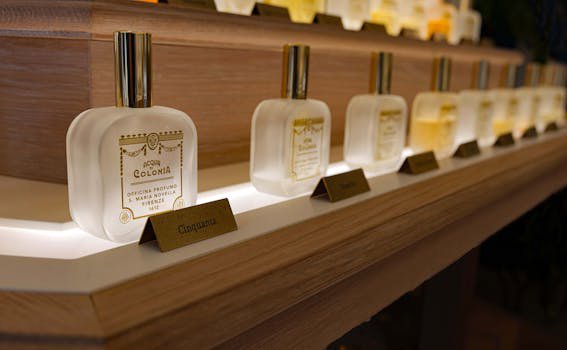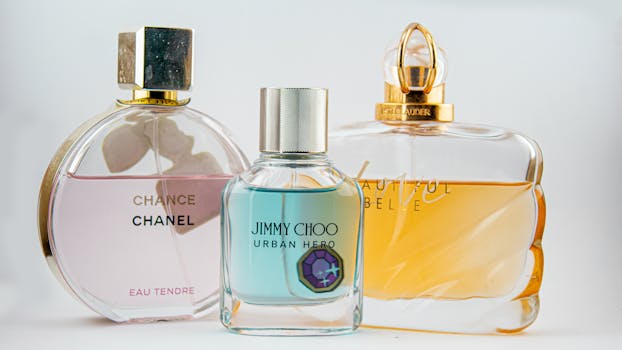

Micro-batch summer perfumes are having a moment, with Trend Hunter calling out the “micro-batch” angle as a summer scent trend (2 July 2026). That’s not just marketing fluff—it reflects how fragrance buying has changed in the US: more limited runs, more online drops, and more shoppers hunting for something that doesn’t smell like everyone else’s.
But micro-batch also creates a pricing trap. Limited inventory encourages fast purchasing, and fast purchasing usually means paying full price.
We’d rather you smell distinctive and keep your budget intact. Our price tracker has a useful counterpoint this week: while some shoppers chase “limited,” at least one widely stocked prestige scent has hit a 12‑month low—Jo Malone Myrrh & Tonka Cologne Intense sits at $34.50 at lookfantastic right now.
That contrast—scarcity culture vs. verified price lows—sets up the real question: when does micro-batch perfume actually deliver value, and when should you buy the best-smelling mainstream option on sale?
What “micro-batch” actually means in fragrance (and why it shows up in summer)
In beauty, “micro-batch” can mean a few different things. Sometimes it’s literal: small production runs with constrained materials. Sometimes it’s a branding choice: a smaller launch quantity, serialized packaging, or “drop” timing that mimics streetwear. Either way, the consumer experience stays the same—limited availability and quick sell-through pressure.
Summer fragrances make this strategy easier. Warm-weather scent buying spikes, and “summer” as a concept gives brands a built-in story: citrus, salt, sunscreen vibes, chilled musks, airy florals. That story sells quickly, especially when it gets positioned as “only available this season.”
Across our merchant feed, we see a consistent pattern each year: summer-themed scent edits and “best of” lists pop up, then retailers push discovery sets and travel sizes. That overlaps with women wanting variety rather than a single heavy signature.
For readers who love to rotate, micro-batch can feel like a perfect fit. Our skepticism comes from the economics. Limited runs reduce discounting, and small brands often lack the retailer competition that forces price drops. If your goal is maximum scent-per-dollar, you need a plan.

The micro-batch pricing trap: scarcity makes you pay full price
Micro-batch brands don’t always “overcharge,” but they rarely need to discount. One retailer might carry the scent. Sometimes the brand sells direct only. That removes the usual price pressure you get when Sephora, Ulta, Nordstrom, and Amazon all fight for the same cart.
We track pricing across major merchants, and the biggest discounts almost always happen when multiple large retailers stock the same SKU and run predictable promos. Micro-batch launches often skip that ecosystem, so you get fewer markdowns and fewer stacking offers.
Compare that with what we can verify this week: Jo Malone Myrrh & Tonka Cologne Intense is $34.50 at lookfantastic, and our tracker flags it as the lowest price in 12 months. That’s not a niche micro-run. It’s a widely recognized prestige fragrance that usually sits in the “treat” category. The lesson: you don’t need scarcity to get a special scent—sometimes you need timing.
When micro-batch makes financial sense, it usually comes down to one of these scenarios:
- You only want a travel size and the brand prices it fairly relative to the full bottle.
- You value originality over cost and you know you’ll wear it often.
- You can sample first, so you avoid expensive blind buys.
- The scent fills a real wardrobe gap (for example, a true hot-weather vanilla that doesn’t turn sticky).
How to judge a micro-batch perfume like an editor (notes, performance, and wearability)
Summer perfumes fail in predictable ways. Citrus can disappear in 20 minutes. Aquatics can turn metallic. “Clean” musks can read like laundry detergent in humidity. If a micro-batch brand wants your money, it needs to solve at least one of those problems.
Here’s how we recommend evaluating a new small-run scent, even if you can’t smell it in-store.
1) Read the note pyramid like a weather forecast
Top notes sell the fantasy, but base notes determine whether you’ll still like it by hour three. For hot weather, we look for bases that stay smooth: soft woods, gentle musks, resin used sparingly, or a quiet amber that doesn’t go syrupy.
2) Demand clarity on concentration
Brands often market “extrait vibes” without saying what it is. If it’s an Eau de Parfum, say that. If it’s an oil, say that. Shopping within the Eau de Parfum Perfumes category helps you compare like-for-like across retailers.
3) Check if it’s built for heat, not just themed for heat
“Summer” can mean a label and a pastel box. What matters: does it stay pleasant when you sweat, when you reapply sunscreen, and when you step from AC into humidity?
We also encourage a wardrobe approach: one “fresh,” one “skin scent,” one “evening summer” option. Micro-batch is fun for the third category, where you want intrigue without committing to daily wear.
Smart ways to buy micro-batch in the US without buyer’s remorse
Micro-batch perfume shopping rewards patience and planning. It punishes impulse. If you do only one thing, make it sampling—because blind-buy regret costs more than any discount.
Our practical shopping rules for US readers:
- Buy the sample set first if it exists. If a brand refuses to offer sampling, we treat that as a red flag.
- Set a “heat test” protocol: one full wear in dry air, one in humidity, one after applying body SPF. Summer scent chemistry changes fast on skin.
- Watch shipping and returns. “Small batch” sometimes means strict return policies. That risk should lower the price, not raise it.
- Don’t confuse rarity with compatibility. A limited run that gives you a headache still loses.
If you love discovery but hate clutter, build a rotation around travel sizes and decants. That keeps your spend flexible while you explore. It also matches how many women actually wear fragrance in summer: frequent reapplication, lighter projection, and mood-based switching.
And when you want a “safe” buy alongside your experimental one, this is where price intelligence shines. Our tracker showing Jo Malone Myrrh & Tonka at $34.50 offers a grounded alternative: prestige, recognizable structure, and a verified low rather than scarcity pressure.
Hair perfume is creeping in—what the industry shift means for your scent routine
One of the more interesting industry signals in your headline list came from Personal Care Insights: Givaudan released what it calls a “first” fragrance precursor designed for hair care (23 June 2026). That matters because hair fragrance sits at the intersection of scent and performance claims.
Hair holds fragrance well, but hair products also face constraints: irritation risk, scalp sensitivity, and interaction with color-treated hair. A “precursor” concept suggests the industry wants longer-lasting fragrance in hair formats, potentially with better stability during washing and heat styling.
For shoppers, the takeaway stays simple. If you love the idea of hair mist, treat it as its own category, not as a cheaper substitute for perfume. Hair mists usually project less and can fade faster. They also often lean lighter to avoid heaviness.
We’d also keep expectations realistic. “Longer-lasting” can mean “lingers when you sniff your hair,” not “fills a room.” If you want projection, you still want an Eau de Parfum applied to skin and clothes (carefully). For more browsing, our fragrance taxonomy pages help you compare formats like Eau de Toilette Perfumes versus EDP.
Build a summer scent wardrobe that works in different US climates
Summer in Miami and summer in Arizona don’t behave the same on skin. Humidity amplifies sweetness and musks. Dry heat can make citrus and green notes feel sharper, then vanish.
We like a three-part wardrobe because it prevents “one-bottle disappointment”:
- Heat-proof fresh: citrus, neroli, green tea, watery florals, crisp musks.
- Skin scent: soft musks, light ambers, gentle woods for close-range wear.
- Night summer: a deeper scent for dinners and events that still avoids heavy syrup notes.
- Wildcard: where micro-batch belongs—salt, herbal, unusual fruit, or photorealistic nature notes.
To keep that wardrobe from getting expensive, treat mainstream and micro-batch as teammates. A limited-run scent can be your wildcard. Your fresh daily can come from a more widely stocked line, where price competition and promos do more work for you.
We also recommend budgeting for the unsexy supports: body lotion and hair care. A well-moisturized base can make fragrance wear more evenly. If you already shop Body Lotions and light summer Moisturising & Nourishing Conditioners, your scent sits better and you may reapply less.
When to skip micro-batch and buy the “boring” option on sale
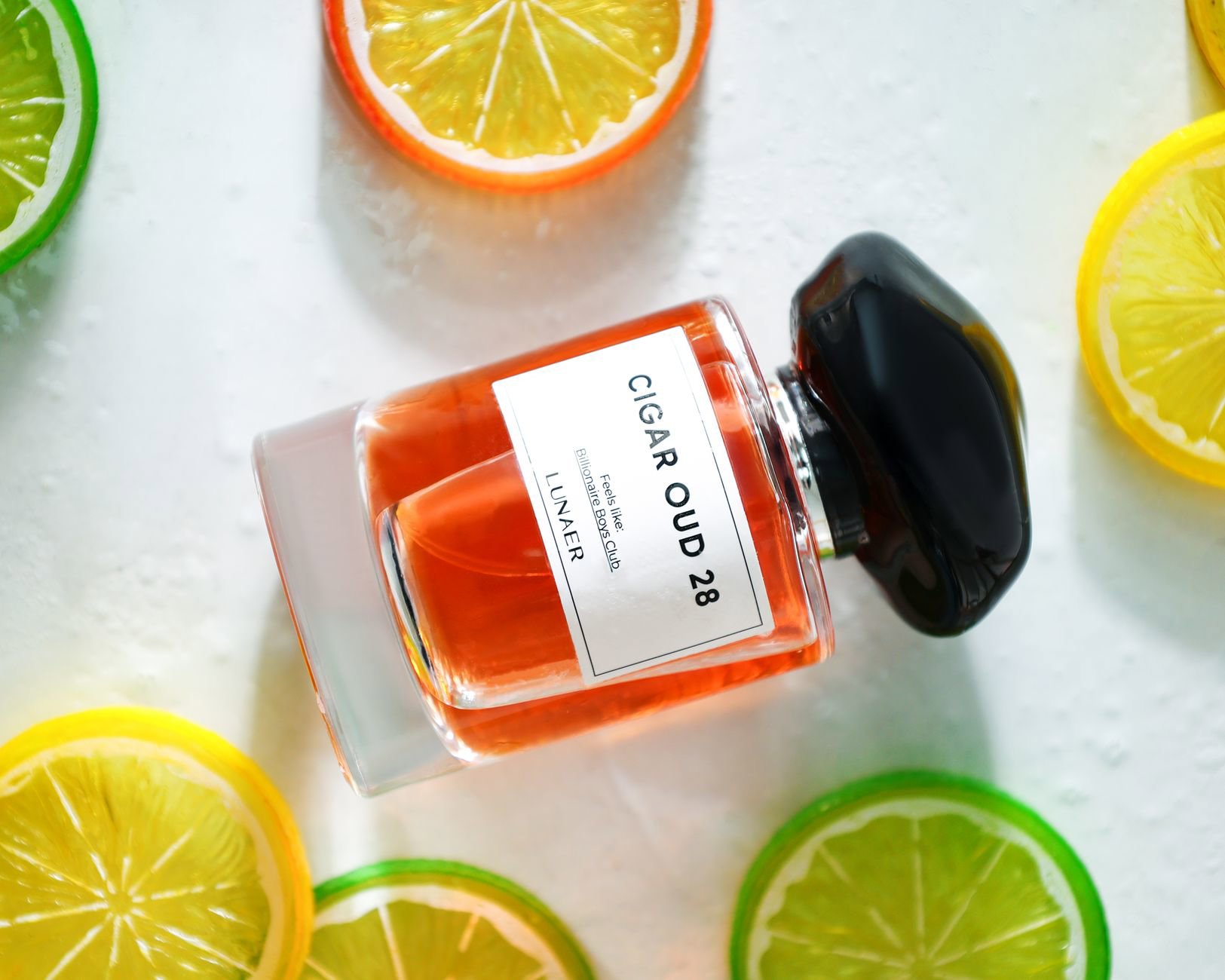
Micro-batch marketing often frames mainstream fragrance as basic. The data doesn’t agree. Mainstream wins when you care about consistent batches, reliable distribution, and—most importantly—discount cycles.
We see the strongest fragrance value during predictable promo windows: Sephora Spring Savings, Ulta’s major event calendars, and seasonal Nordstrom promotions. Micro-batch brands sometimes run their own sales, but you can’t count on them, and stock can vanish before discounting happens.
Use a simple decision rule:
- If you want a daily summer scent, buy the widely stocked option when our tracker flags a low.
- If you want a statement scent, micro-batch can justify its price—if you sampled and love it.
- If you want a trend note (tomato leaf, salty skin musk, airy coconut), try it in travel size first.
- If you want a gift, avoid micro-batch unless the recipient already follows the brand. Gifting risks rise with unusual compositions.
This week’s concrete example stays compelling: Jo Malone Myrrh & Tonka at $34.50 gives you a prestige buy at a verified 12‑month low. That’s the kind of pricing fact that beats urgency marketing.
And if you’re shopping beyond fragrance, apply the same logic to other categories. For example, our feed shows The Ordinary UV Filters SPF 45 Sun Protection Serum at $13.80 at lookfantastic with a 5.0/5 rating. That’s the opposite of micro-batch scarcity: a broadly known product with clear pricing and strong value in the SPF Protection Products category.
Value pairing: spend on scent, save on the rest (with tracked low-cost wins)
Fragrance splurges feel better when the rest of your routine stays sensible. That’s also how most women actually shop: one hero purchase, then smart basics.
Our tracker highlights a few low-cost supports worth using as “budget offsets” when you decide to buy a limited-run scent:
- The Ordinary UV Filters SPF 45 Sun Protection Serum — $13.80 at lookfantastic (5.0/5). Summer fragrance and sun go together because neck and décolletage sit in the sun. Protect the skin you spray.
- brushworks No Crease Sectioning Hair Clips — $10.93 at lookfantastic (5.0/5). If you try hair mist, clips keep product away from your lengths during styling and help avoid fragrance buildup on hair.
- NYX Pro Multi-Purpose Buffing Brush — $16.10 at lookfantastic (5.0/5). Not fragrance, but it’s a practical buy when you want to redirect spend. Our readers often add a tool to cart when they skip a full-price impulse buy.
- Garnier Ultimate Blends Nourishing Hair Food — $18.38 at lookfantastic (5.0/5). Hydrated hair tends to hold scent better than brittle, dried-out lengths, especially if you spritz hair mist.
We link those because they show a broader point: you can scratch the “newness itch” without paying scarcity premiums. If you want to browse adjacent categories, our brand hubs for Garnier and Revolution help you compare current deals without guessing.
Micro-batch fragrances can still be the star of your cart. We just prefer a cart where one premium decision sits next to two or three verified-value staples.
What this means for your next fragrance buy
Micro-batch summer perfumes appeal for a reason: they promise individuality, seasonal fun, and that “nobody else has this” feeling. Sometimes they deliver. When they do, it usually comes from smart composition choices that behave well in heat and from a sampling path that reduces risk.
But scarcity pushes women to buy fast and at full price, and that’s where we see the most regret. Our recommendation stays practical: treat micro-batch as the place you explore, not the place you build your entire fragrance wardrobe. Anchor your daily wear in scents with wider distribution, then strike when our price tracker flags real lows—like Jo Malone Myrrh & Tonka at $34.50 this week.
If you want a simple plan: pick one micro-batch travel size after sampling, one discounted mainstream bottle when the price hits a low, and keep the rest of your routine on steady-value products like The Ordinary SPF at $13.80.
Tell us how you’re shopping summer fragrance this year
Are you buying micro-batch because you want something no one else wears, or are you waiting for a verified price low and treating summer as “stock up” season?
If you share what notes you love (citrus, salt, musk, coconut, green, floral), we’ll use that to shape our next price-watch roundup for summer scent drops.