Our price tracker rarely sees multiple niche fragrances hit fresh lows at the same time.
This week, it did. Tom Ford Santal Blush Eau De Parfum sits at $80.50 at lookfantastic (a 12-month low in our feed). Jo Malone Hinoki & Cedarwood Cologne Intense drops to $29.90 at lookfantastic (also a 12-month low). Those numbers matter because they land right as US beauty media fills up with “best new fragrances of 2026” lists.
We’re taking the data-led angle: if you’re shopping for a summer scent that actually lasts, you need both formula strategy and buy-timing. Here’s how we’d do it—without falling for the “one spritz lasts 12 hours” fantasy.
Across July headlines (Byrdie, W, Refinery29, Vogue), the pattern stays consistent: lighter gourmands, airy musks, and modern woods dominate “summer” roundups. That’s fun. But longevity in July and August depends less on trend and more on volatility, diffusion, and how your skin behaves in humidity vs dry heat.
In the US, that climate split is real. A Florida afternoon and a Colorado afternoon can eat the same perfume in totally different ways. Humidity can make sweet notes bloom and feel louder; dry air can make top notes flash off fast and leave you with a faint base. Your goal: build a scent profile that survives your weather and your day.
Retail reality matters too. Sephora and Nordstrom carry deep prestige breadth; Ulta mixes mass and prestige; Target leans value and convenience. Meanwhile, our merchant feed often shows that online specialist retailers can undercut the “full-price all summer” pattern you see in-store.
So we’ll cover: what makes a summer perfume last, which note families stay put, how to apply fragrance so it doesn’t disappear by lunch, and when a deal is worth grabbing.
Start with concentration (but don’t assume EDP always wins)
Most shoppers start with a simple rule: Eau de Parfum lasts longer than Eau de Toilette. Often true, sometimes misleading.
Concentration tells you the general ratio of aromatic compounds to alcohol and water, but it doesn’t guarantee wear time. A bright citrus EDP can still evaporate quickly because citrus materials sit in the volatile “top note” bucket. A musky EDT can hang around because modern musks cling to skin and fabric.
When you shop, use concentration as a filter, not a verdict. If you want classic “I can still smell it at 5 p.m.” performance, focus on Eau de Parfum Perfumes first, then evaluate the note pyramid.
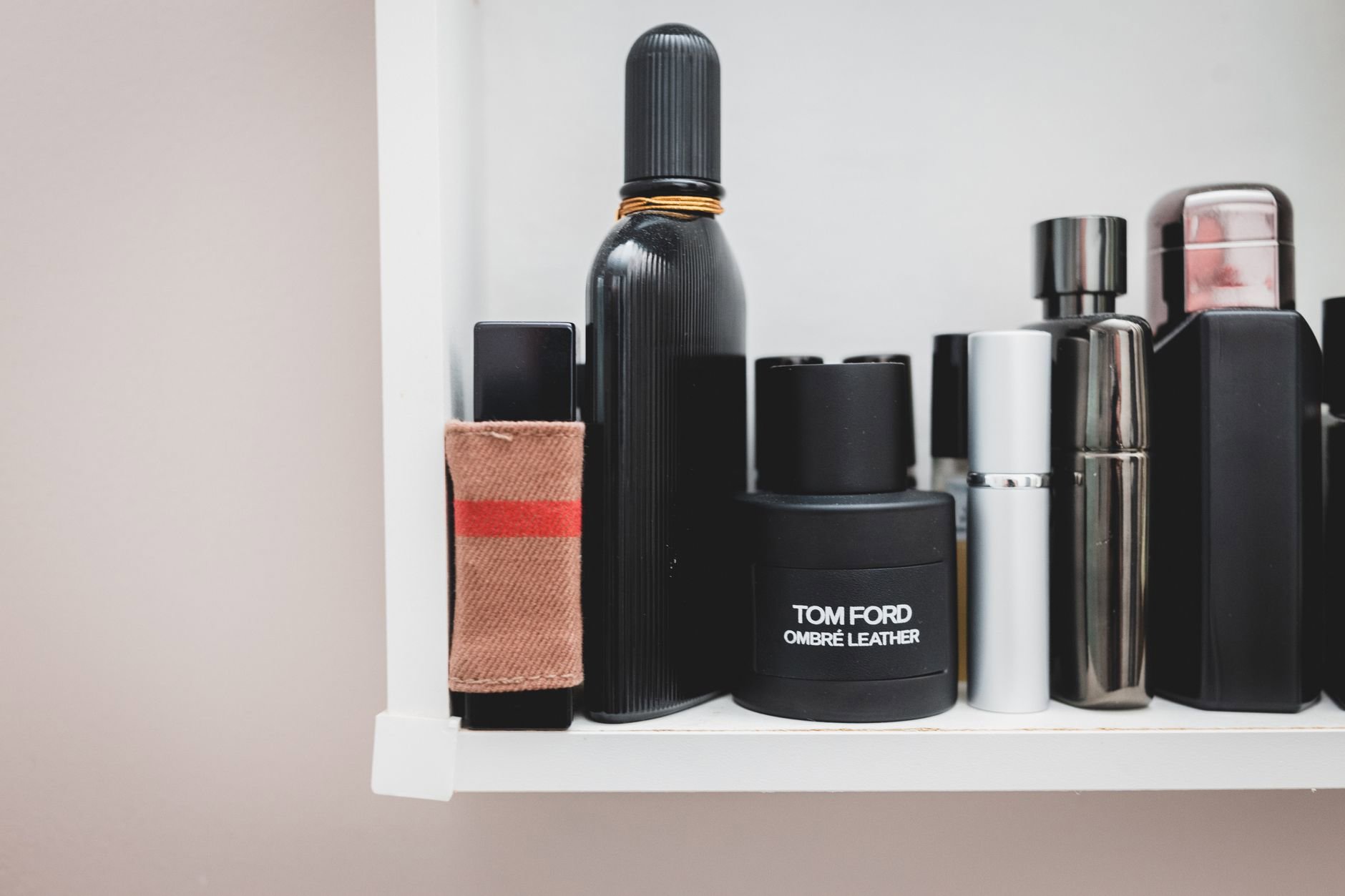
Our current data gives a clear example. Tom Ford Santal Blush Eau De Parfum is $80.50 at lookfantastic, the lowest price we’ve seen for it in 12 months. If you already know you like warm sandalwood-leaning profiles, an EDP at a tracked low can make more sense than paying full price for a flimsier “summer mist.”
One more nuance: “intense” and “parfum” labels vary by brand. A Cologne Intense can wear like an EDP. A “parfum” can still open with quick-fading aromatics. Read the notes, not just the bottle.
Pick note families that resist heat (and the ones that vanish)
Summer heat speeds evaporation. That means top notes (citrus, some watery accords, fizzy fruits) can disappear fast. If your perfume feels “gone” in two hours, it often isn’t poor quality. It’s chemistry plus weather.
For longer wear, build around base notes that cling: woods (sandalwood, cedar), resins (benzoin), certain vanillas, ambers, patchouli (even in clean doses), and modern musks. You can still keep the overall vibe light by choosing an airy structure—think “sheer woods” rather than heavy amber syrup.
Jo Malone’s wood direction fits that logic. Jo Malone Hinoki & Cedarwood Cologne Intense is $29.90 at lookfantastic, a 12-month low in our tracker. On paper, hinoki and cedar sit in the “sticks around” category, which helps if your summer problem is fragrance that evaporates during errands.
Meanwhile, a lot of “smells like a snack” summer coverage leans gourmand. Gourmands can last, but in humidity they can also turn louder than you planned. If you live in a muggy climate, consider a gourmand with a wood or musk backbone so it stays wearable when you warm up.
Notes that often fade fast: sparkling citrus openings, green-herbal top notes, and some aquatic accords. We’re not saying avoid them. We’re saying treat them as the opening scene, not the whole movie. Make sure something in the base can carry the scent through your afternoon.
Use the “fabric strategy” (it’s the simplest longevity hack)
If you want a summer perfume to last, you need to stop thinking of skin as the only canvas.
Fragrance often clings longer to fabric than to warm, moving skin—especially in summer when sweat and frequent reapplication of sunscreen can break the scent film. A light mist on a shirt hem, dress lining, or hair (from a distance) can extend wear dramatically.
Two caveats keep this practical. First: some perfumes stain light fabrics, especially oils, darker juices, and resin-heavy bases. Test on an inside seam. Second: be careful with hair. Alcohol can dry it out, so keep sprays light and consider hair mists when a brand makes one.
In US shopping terms, fabric strategy also helps you spend less. If you can get eight hours of presence with two controlled sprays (one on skin, one on fabric), you avoid the “reapply all day” cycle that burns through bottles.
We also see women buying travel sizes for summer bags, then paying a higher per-ml cost. If you can extend performance with technique, you can buy fewer mini formats and put the budget into one bottle you truly like.
Layering that actually works: lotion, SPF, then perfume (in that order)
Layering sounds like marketing until you do it in a way that respects how products sit on skin.
Perfume lasts longer on moisturized skin. In summer, many women skip body lotion because they hate the sticky feel. That’s understandable. But a thin, fast-absorbing layer gives fragrance something to “grab.” Apply lotion after showering, let it set, then apply sunscreen to exposed areas, and finally spray fragrance on areas that won’t get rubbed by SPF reapplication.
Yes, SPF can interfere with scent. Most facial sunscreens contain film formers and silicones that change how fragrance diffuses. So keep perfume off areas you coat and re-coat all day (tops of hands, forearms, neck if you reapply there).
If you need a sunscreen step that feels more like skincare, our feed shows The Ordinary UV Filters SPF 45 Sun Protection Serum at $13.80 at lookfantastic with a 5.0/5 rating. We like the idea of reserving a cosmetically elegant SPF for daily use, then placing fragrance where it won’t fight with it.
For readers who shop by category, browse SPF Protection Products for formats that won’t leave a heavy residue where you want fragrance to bloom.
How many sprays? Use a heat-adjusted map
Summer makes over-spraying easy. Heat amplifies projection, and you stop noticing your own scent quickly.
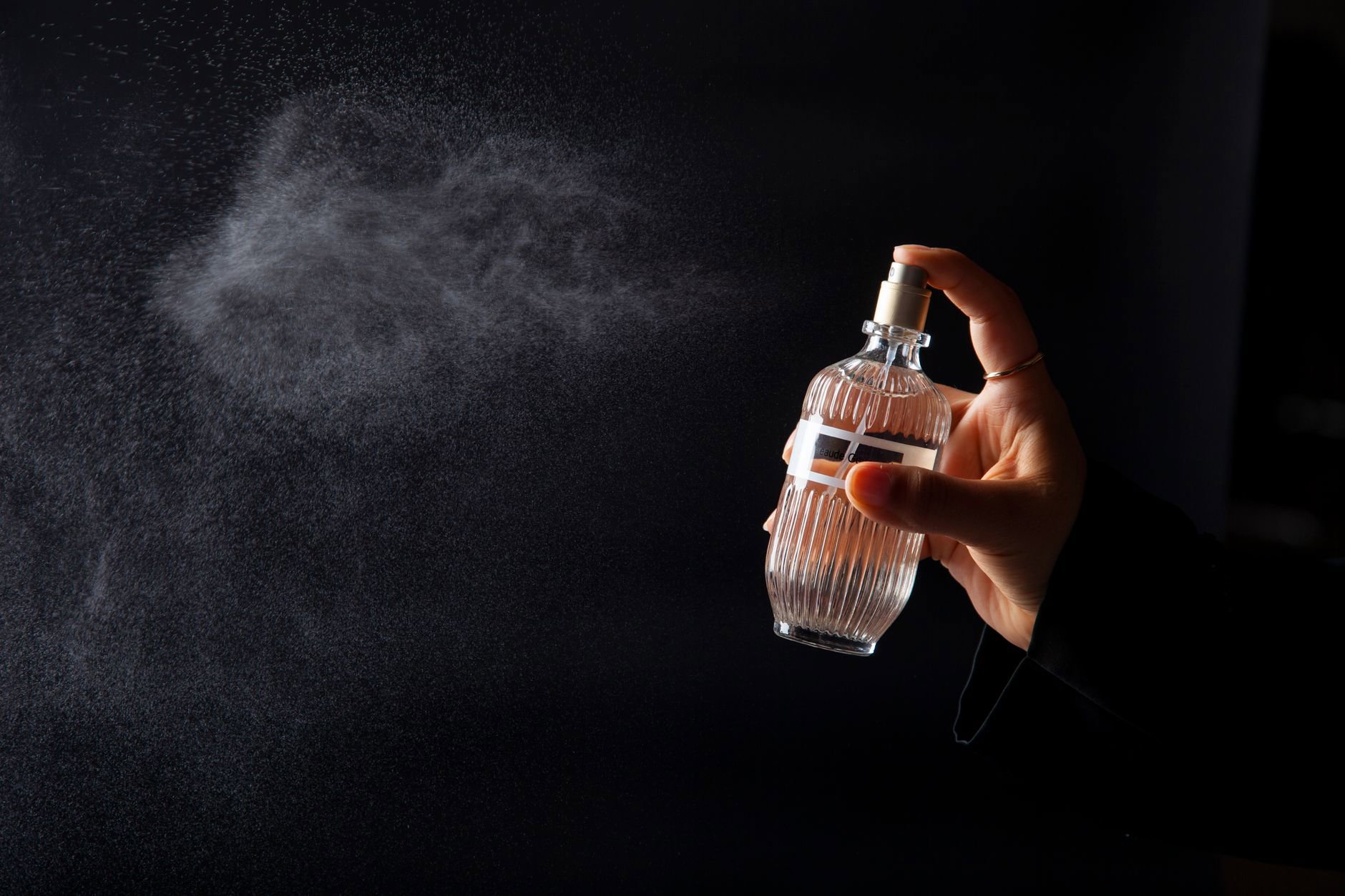
We prefer a “map” approach. Start with two sprays total for daytime: one to the lower torso (under clothing if possible) and one to fabric. Wait 15 minutes before deciding you need more. If you work in close quarters, keep it there.
For evening, you can add one spray to the back of the neck or hair from a distance, plus one to a wrist. That still keeps you under the “cloud” effect that can happen when sweet notes expand in humid air.
Don’t rub wrists together. Rubbing adds heat and friction, and it can distort the opening. Tap lightly if you must, but the best move is to let it dry down.
If you want a scent that reads clearly with fewer sprays, that’s where an EDP at a good price can beat a cheaper body spray. This week’s Tom Ford Santal Blush EDP at $80.50 stands out in our data because it undercuts the usual “prestige stays expensive” pattern.
Hot-weather profiles that last: three reliable directions
US fragrance roundups in 2026 lean heavily “new releases.” That’s fun for discovery, but it doesn’t help when you want a category that performs.
We see three directions that tend to last in summer without feeling heavy:
- Sheer woods + musk: Clean, smooth, and office-friendly. Look for cedar, sandalwood, ambroxan-style notes, and soft musks.
- Gourmand + dry woods: A “snack” opening with a grown-up base. Vanilla with cedar or sandalwood stays more stable than sugar-on-skin alone.
- Aromatic woods: Herbs, tea, or green facets anchored by wood. These feel fresh but don’t vanish as fast as pure citrus.
- Soft resin + skin musk: Benzoin or amber done lightly can cling to fabric for hours while staying smooth.
If you want to browse by format, our Eau de Parfum Perfumes category keeps you anchored in concentrations that tend to wear longer. If you prefer a lighter touch, you can still shop Eau de Toilette Perfumes and use fabric placement to extend it.
Also: don’t ignore body care. A matching body wash or lotion often extends the vibe even when the perfume itself fades. For readers who already stock summer shower staples, see Shower Gels & Body Washes for options that can support your scent profile without adding extra sprays.
When a fragrance “doesn’t last,” check these three sabotage factors
Longevity problems usually come from routine friction, not the perfume failing you.
1) Dry skin. Even in summer, air conditioning can dehydrate skin. If your scent disappears fast indoors, add a light body lotion on areas where you apply fragrance.
2) Constant rubbing. Crossbody straps, purse handles, and tight sleeves rub fragrance off. Place sprays under clothing or on areas with less friction, like the lower torso or back of the neck.
3) Competing product scent. Strongly scented hair products, laundry detergents, and sunscreen can drown your perfume out—or clash so you “lose” it. If you use a fragranced hair mask or conditioner, keep perfume simpler. Browse Moisturising & Nourishing Conditioners if you want a smoother base that doesn’t compete with your fragrance.
We also see women resetting their scent midday with a second fragrance, then wondering why both smell odd. If you want to refresh, reapply the same scent lightly to fabric, or use an unscented moisturizing mist on skin first.
Smart buy timing in the US: what we’d grab now vs wait on
Fragrance pricing doesn’t follow the same rules as mascara or shampoo. Brands protect prestige pricing, and big retailers often stick close to MSRP outside major event windows.
That’s why our data matters. A 12-month low is rare enough that it can justify buying outside the typical Sephora sale calendar. Right now, we flag:
- Tom Ford Santal Blush Eau De Parfum — $80.50 at lookfantastic (12-month low)
- Jo Malone Hinoki & Cedarwood Cologne Intense — $29.90 at lookfantastic (12-month low)
If either sits on your wish list, we’d treat “lowest in 12 months” as a real signal, not hype. Our tracker labels those lows based on observed pricing across the year, not a single-day promo claim.
What we’d wait on: brand-new launches that just hit “best of 2026” lists. Early-cycle pricing tends to hold until bigger moments like Black Friday, holiday sets, or spring promotions.
And if you’re building a full routine around scent (lotion + SPF + perfume), it helps to save on the support steps. Our feed shows The Ordinary UV Filters SPF 45 Sun Protection Serum at $13.80, which can free up budget for the fragrance itself.
What this means for your summer scent wardrobe
Chasing “the best new fragrance” only works if the perfume survives your day. In most US climates, longevity comes from structure (woods, musks, resins), placement (fabric matters), and routine order (lotion, SPF, then perfume where SPF won’t interfere).
It also comes from shopping with receipts. Our price tracker shows multiple fragrance lows right now, including $80.50 for Tom Ford Santal Blush EDP and $29.90 for Jo Malone Hinoki & Cedarwood Cologne Intense, both at lookfantastic. If you’ve been waiting to commit to a longer-wearing summer profile, that’s the kind of pricing signal worth acting on.
Tell us what you’re trying to solve: do you want a summer perfume that lasts through humidity, through dry heat, or through an office day with air conditioning?