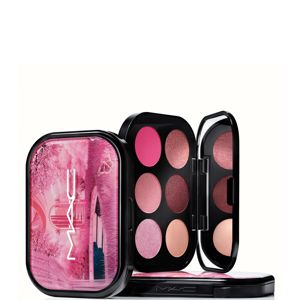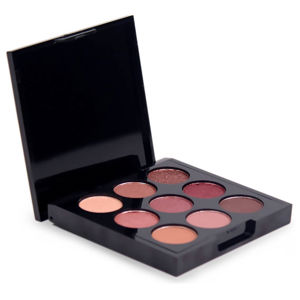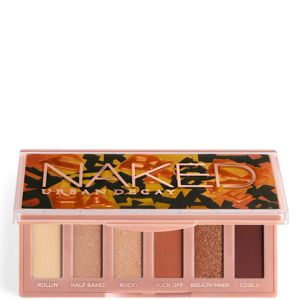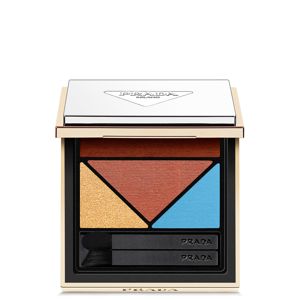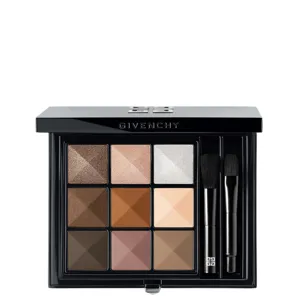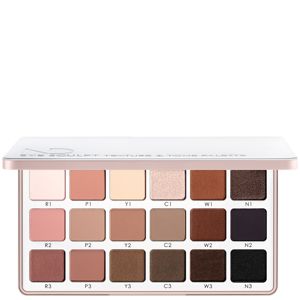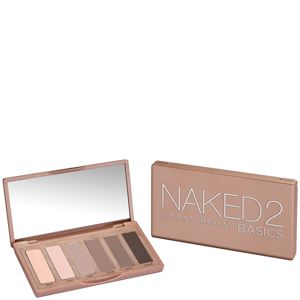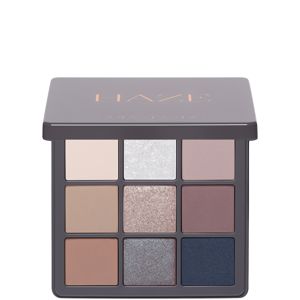
Our price tracker shows a clear pattern: women buy with finish as much as with color. When palettes sell out fast at Sephora or Ulta, they tend to pack smart matte shade ranges and one or two strong metallics. The best-sellers rarely go all-in on a single finish. Balance wins.
That insight helps. Finish changes how a color reads on the eye, how long it lasts, and how polished a look feels in real life and on camera. A soft taupe can look cool and office-ready in matte, then turn plush and evening-appropriate in satin. The pan might match the name. The finish tells the story.
We see big swings in interest around sales moments. During the Sephora Spring Savings Event and Ulta 21 Days of Beauty, women search for palette breakdowns far more than for shade names. Finish is the filter. So here’s a data-led guide to choosing the right mix for your lids, your climate, and your budget.
Context: what the market and the calendar tell us
GlamGeek has tracked beauty pricing since 2010 across Sephora, Ulta, Nordstrom, Target, CVS, Walgreens, Bluemercury, Credo, and Amazon. That reach gives a wide-angle view of palette trends. Mini quads surge before summer travel. Big-format palettes spike near Black Friday. But finish ratios drive repeat purchases year-round.
Store assortments reflect price tier and finish choices. Target often lists more shimmer-forward and glitter-adjacent palettes in the budget bracket. Sephora and Nordstrom skew toward satin and refined metallic textures in the premium tier. Both strategies work for their shoppers, but they create very different options when you want one palette to do work and weekend.
Timing also shapes value. You’ll see bundles with metallic toppers and pressed glitters during holiday. Summer edits lean matte and satin for heat and humidity. If you want a specific finish mix, add contenders to a GlamGeek wishlist. We’ll ping you when the price moves. We track prices across major retailers so you don’t have to hunt.
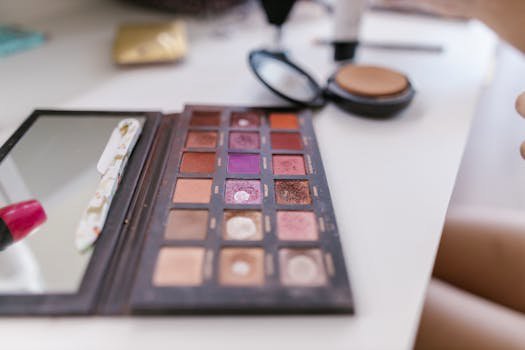
{{IMAGE:woman applying eyeshadow palette close-up}}Know your finishes: matte, satin, shimmer, metallic, glitter
Matte: flat, pigment-first, no reflect. A good matte lays down smooth color and blends without patchiness. You use mattes for crease structure, outer-corner depth, and brows. Oily lids in humid states need mattes that set well. Dry lids in the west benefit from creamy mattes that don’t create texture.
Satin: low-sheen, velvety reflect. Satins bridge matte and shimmer. They soften edges and make neutrals look expensive without sparkle. Many premium brands lean on satin because it flatters all ages and photographs clean. Think of satin as the desk-to-dinner finish.
Shimmer: fine light-catching particles that add glow. Shimmers suit lids and inner corners. They can read subtle or gleaming based on density. Most shimmers build fast with a fingertip. Brushes can apply them lighter. Shimmer adds dimension without the bold foil of a metallic.
Metallic: bold, mirrorlike reflect with a molten vibe. Metallics punch a look in one swipe. They can accent the center of the lid or act as a statement shade. Some formulas foil when damp. Others need no help. Reserve them for points of light, not for crease work.
Glitter: visible flecks, often suspended in a clear or tinted base. Pressed glitters vary widely. Some brands label them as not intended for the immediate eye area. Always read the packaging and check for cosmetic-grade glitters. Use a dedicated adhesive if the formula needs grip. Glitter brings drama but demands care and proper removal.
The right finish for your eye shape and texture
Hooded eyes love strategic light. Keep mattes in the pseudo-crease to build a higher socket shape. Place a satin or soft shimmer on the mobile lid. Avoid high-shine metallics high on the lid if they sit under a fold. Place light reflect right at the lash line and center to pull the lid forward.
Deep-set eyes need lift and balance. Anchor the crease with mid-tone mattes. Pop a shimmer or satin on the lid to bring it forward. Keep darker mattes on the outer third, not across the entire lid. A cool satin highlights structure without over-brightening the brow bone.
Textured or mature lids benefit from satin and refined shimmer. High-glitter textures can spotlight lines. Matte still matters for structure, but choose creamy formulas that don’t grab. A thin, clear base helps. Use a tiny amount to avoid heaviness. Buff edges with a clean brush to keep the blend soft.
Oily lids in humid climates need grip. Use a long-wear eye base and set it with a skin-tone matte before building depth. Shimmers can crease without prep, so press and set them. In dry climates, skip heavy powders on bare lids. Opt for satin or creamy mattes to avoid a chalky finish.
If you wear contacts or have sensitive eyes, treat pressed glitter with caution. Some palettes include a note that the sparkly pans target face or body. Read that note. If the label suggests that, keep those shades off the lid. Choose micro-shimmers or satins for twinkle instead.
Ratios that work: building a balanced palette wardrobe
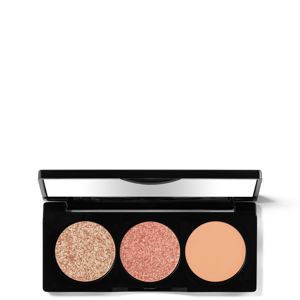
You don’t need a giant palette to cover every look. You need a smart ratio. We rate a 60/30/10 split for a single workhorse palette: 60% mattes for structure, 30% satin or shimmer for glow, 10% metallic or glitter for drama. That mix covers weekday and weekend without guesswork.
Use a matte gradient that spans light, mid, and deep. That range lets you contour the eye properly. Then add one satin that matches your undertone and one shimmer topper that leans neutral. Finally, keep one metallic showpiece for nights out. This small matrix multiplies looks fast.
Love neutrals but want range? Pick cool and warm mattes in the same palette. Then choose shimmers that sit neutral to warm. That mix avoids clash and gives skin a healthy read. If you buy color stories, add a satin in the bold family. A satin teal or plum often looks more wearable than a chunky glitter in the same shade.
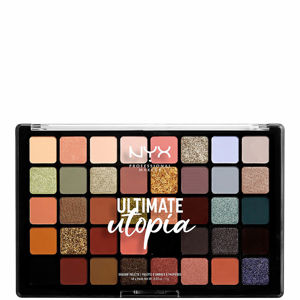
Large palettes can tempt, especially from brands like Morphe or budget leaders like Revolution. Check the finish map before you add to cart. If the palette leans shimmer-heavy without enough mid-tone mattes, you’ll struggle to build a clean crease. Add it to your GlamGeek wishlist and compare it with a more matte-forward neutral before you buy. Our comparison pages flag finish spreads inside the product descriptions when brands provide them.
Color and undertone: how finish changes the read
Finish shifts undertone perception. A cool taupe shimmer can pick up warmth from gold micro-pearls. A warm brown in matte may turn cooler once blended over a pink-toned base. When you swatch, tilt under different lights to see if a shimmer runs cooler or warmer than the pan suggests.
On fair to light skin, high-shine metallics can stand out sharply. A satin in the same shade looks softer and more seamless. That approach suits office settings and quick mornings. On medium to deep skin, metallic and rich shimmers often sing. They reflect light beautifully without chalking out. A well-formulated satin will always flatter across the range.
Duochrome shimmers bring interest with minimal effort. They shift between two tones and can replace complex blending. Keep the rest of the eye matte so the shift reads clean. If you want extra pop, tap a complementary metallic right at the center, no wider than the iris.
Work with your undertone. Warm undertones love bronzes, coppers, and antique golds in satin and shimmer. Cool undertones shine with pewter, taupe, and soft rose metallics. Neutral undertones can swing both ways. If your base makeup runs dewy, pick satin lids for balance. If your base reads matte, a shimmer or metallic can add dimension without oiliness.
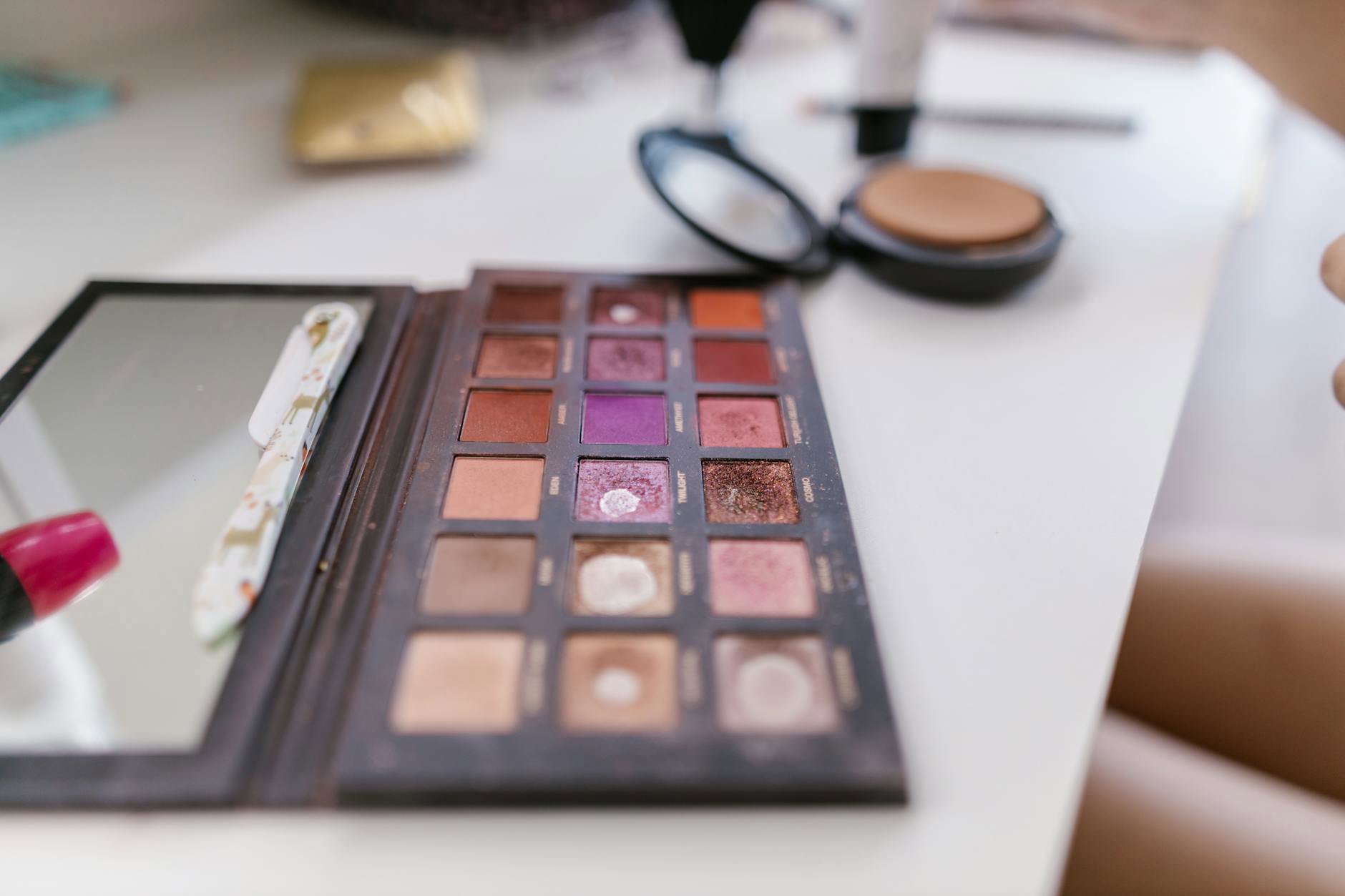
{{IMAGE:eyeshadow finishes texture swatches macro}}Formula clues on the label: why some finishes perform better
Mattes depend on binders and slip agents. Dimethicone and related silicones add glide and help blending. Talc and mica manage payoff and softness. A matte that lists seed oils or esters near the top may feel creamier, which helps dry lids. If your lids run oily, a drier matte often sets better.
Shimmers and metallics rely on mica or synthetic fluorphlogopite for reflect. High-shine metallics often include metal oxides and reflective pearls in greater amounts. Some metallics include a cream base, which reduces fallout and increases impact. That style applies best with a fingertip or a flat, firm brush.
Glitters vary the most. Cosmetic-grade glitters follow specific size and shape standards and sit in gels, waxes, or pressed bases. Some brands add adhesives in the pan. Others require a separate glitter glue. If the palette uses chunky particles and the box carries a not-for-eye-area note, take that seriously. Place that sparkle on cheekbones or collarbones instead.
Labels also hint at longevity. Polymers like acrylates improve wear time and reduce creasing, helpful in southern humidity. Emollients keep shimmer smooth in drier climates out west. None of this demands a chemistry degree. But a quick scan saves you from chalky mattes or crumbly metallics.
Tools, base, and technique: making each finish sing
Base first. Primer grips and evens the lid. A thin layer works best. Too much creates slip and creasing. If your primer stays tacky, press a skin-tone matte over it to set before blending. You’ll get smoother movement with less skipping. Our editors prefer dedicated eye bases over concealer for oily lids.
Brush choice matters. Use a soft, fluffy brush for diffuse matte work. Use a small, tapered brush for precision in the outer corner. Shimmers and metallics shine with a fingertip or a flat, dense brush. Dampen the brush with setting mist if the formula allows wet application. That move boosts payoff and reduces fallout.
Placement guides the look. Keep mattes in structure zones: crease, outer V, lower lash line. Keep satin on transition and lid for subtle glow. Place shimmer on lid center and inner corner. Reserve metallic for the brightest point. If you want glitter, use adhesive and press, don’t swipe.
Blend smart. Build in thin layers. Tap off excess. Use a clean brush to erase edges rather than piling on more color. If you over-blend and lose depth, add a pinch of mid-tone matte back into the crease. That fixes flatness fast.
Stock your kit with the right tools. You can compare value sets and pro staples in our Makeup Brushes & Applicators section. If you need a smoothing eye base, check our roundups under Face Primers. Add them to your GlamGeek wishlist and we’ll alert you when prices shift across Sephora, Ulta, or Amazon.
Budget vs luxury: where to spend, where to save
The mass market has improved shimmer and metallic formulas. You can find strong payoff and low fallout from brands like Revolution and L’Oréal at Target or Amazon. If you want bright lid shades or a festival moment, start there. Save budget for mattes and satins that blend without effort.
Premium brands often nail satin and crease mattes. You pay for smoother milling, shade nuance, and refined reflect. Brands like Charlotte Tilbury, MAC, Lancôme, and Estée Lauder deliver that polished finish many women want for office looks and events. If you buy one splurge palette, choose an everyday neutral with a smart mix of mattes and satins.
Glitter often works best as a separate product. A dedicated pot or gel gives better control and compliance notes right on the jar. That approach also protects your palette from pan contamination. If you crave sparkle once a month, treat glitter as a topper, not a must-have inside the palette.
Check GlamGeek’s Eye Shadow Palettes to compare shade counts and finish notes. We aggregate listings from Sephora, Ulta, Nordstrom, and more. Add your shortlist to a wishlist. We’ll notify you when retailers roll out promos during Memorial Day or when Black Friday bundles hit.
Use cases: office, events, travel, and climate
Office: stick to matte and satin. Build a two-shadow look fast. Place a mid-tone matte in the crease, satin on the lid, and a touch of shimmer in the inner corner if you want brightness. Skip chunky glitter for meetings and rely on clean structure.
Events and weddings: refine texture under flash. High-shine metallics can look harsh under strong lighting if you over-apply. Use a light tap and blend edges with a matte transition. Satins read upscale in photos and on video. Waterproof your base if you expect tears or heat.
Travel: choose a slim palette with that 60/30/10 mix. A small mirror helps. Pack a dual-ended brush or a finger-friendly formula. If you fly to humid states, secure longevity with primer and a set-down matte. If you go to the high desert, favor satin and creamy mattes to avoid dryness.
Festivals: embrace shimmer and metallic with a plan. Use a clear adhesive for any glitter. Keep micellar water and cotton buds ready for cleanup. Long days need grip and reapplication points. Pop a small tin of shimmer topper in your bag and refresh when the light changes.
Seasonal shifts matter. Summer heat can crease shimmers fast. Press, set, and carry a small brush for touch-ups. Winter dryness can make mattes skip. Use a tiny amount of eye cream, let it set, then lay down satin or a creamy matte.
How to shop smarter: swatches, sets, and stockists
Don’t trust pan sparkle alone. Swatch under cool and warm light if you can. If you shop online, study brand swatches and look for user photos on product pages. Our listings often include finish notes from brands and verified buyers. That feedback saves you from buying a glitter you’ll never use.
Compare palettes across retailers. Sephora may carry an exclusive shade mix that leans satin. Ulta might stock a sister palette with extra shimmers. Nordstrom can bundle a brush or a mini mascara. Target often carries budget neutrals that skip glitter entirely. We track the listings so you can compare quickly.
Consider value sets. Holiday edits often bundle a neutral palette with a topper quad. That pairing stretches looks. A smart set also adds a brush or primer. If you see one on GlamGeek, add it to your wishlist. We’ll alert you if the price shifts before payday.
Brand style matters. Charlotte Tilbury often favors satin glow. MAC builds robust matte ranges that pros love. Revolution pushes shimmer variety at a friendly price. Sephora Collection hits solid basics and starter palettes. Browse by brand on GlamGeek to match your taste and budget.
Removal and care: keep eyes and palettes in top shape
Removal matters as much as application. For shimmer and metallic, a gentle oil-based remover breaks down pearls fast. Soak, press, and slide. Don’t scrub. For glitter, use a dedicated adhesive and remover combo. Tape tricks can tug delicate skin. Skip them. A cotton bud and patience work better.
After removal, cleanse the area with a mild wash to clear residue. If your skin feels dry, pat on a light eye-safe moisturizer around, not into, the lash line. That prep sets you up for smoother matte and satin the next day. You can explore gentle cleansers in our Foam & Wash Cleansers category.
Take care of your palette. Wipe fallout gently with a dry tissue. Don’t blow on pans. Moisture and breath can affect powders. Keep pans closed and store away from direct sun. Clean brushes weekly. Residue dulls shimmer and can muddy mattes.
Rotate palettes by need. Keep your balanced neutral on the counter. Store bolder metallic sets for weekends. That habit speeds mornings and reduces decision fatigue. You’ll also finish products before they age out.
What this means: build a finish-first plan
Decide on your daily structure. Pick mattes you love first. Then add two glow textures you’ll use. If you adore a subtle lid, choose satin and fine shimmer. If you love drama, choose shimmer and metallic. Glitter can live as a separate topper. With that plan, you won’t chase new launches that duplicate what you own.
Shop by ratio and role, not just by color story. Scan the shade list for three matte tones you’ll use, one satin that matches your undertone, and one high-impact shimmer or metallic. Check our Eye Shadow Palettes category and compare across Sephora, Ulta, Nordstrom, Target, and Amazon. Add options to your GlamGeek wishlist and wait for the alert. Smart timing plus the right finish mix beats impulse every time.
Finally, test your technique with what you own. A fingertip can turn a shy shimmer into a star. A damp brush can take a satin from soft to polished. Blend less, place more, and use light. The right finish will do the heavy lifting.
What finish mix do you trust for busy mornings and big nights? Tell us your matte-to-shimmer ratio, and which palettes you want price alerts on. We’ll keep tracking the deals and the textures that actually work.