Eye gels and eye serums layer best with retinol and vitamin C when you separate “active” steps by time of day, keep the eye-area routine thin-to-thick, and treat irritation risk as the limiting factor. Most people do well with vitamin C in the morning and retinol at night, then add an eye gel/serum that targets puffiness, dehydration, or discoloration without piling on too many strong actives.
The eye area has fewer oil glands and a thinner barrier than the rest of the face. That makes it quick to show results, and quick to show irritation.
Retinol and vitamin C can help with the look of fine lines, uneven tone, and dullness. But when people complain that “everything burns,” the culprit often sits in the order, the amount, or the frequency.
Our price tracker also shows that eye gels and serums swing widely in cost—from budget formulas under $10 to prestige treatments over $70. More expensive can mean more complex delivery systems, but it does not automatically mean “more tolerable” around eyes.
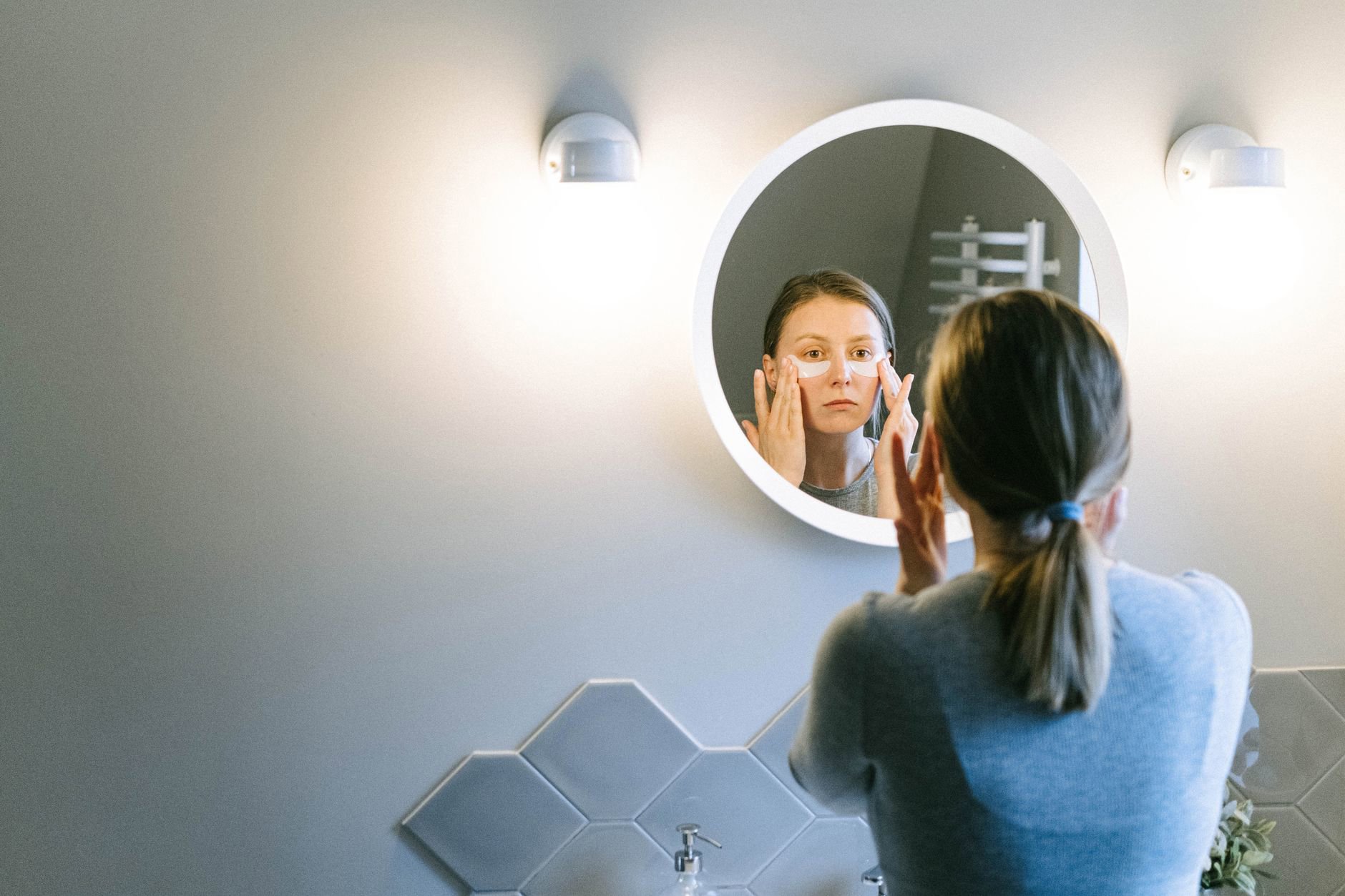
This guide focuses on a practical approach: how to place an eye gel/serum into a routine that already includes retinol and vitamin C, how to time it, and which eye products from our tracked list make sense for specific concerns.
Start with the layering rules that matter for eyes
For eye gels and serums, the simplest rule stays the most reliable: apply from thinnest to thickest textures, and keep total product load low.
“Low” matters because migration happens. Anything you apply near the orbital bone can move with body heat, blinking, and natural skin oils. That includes retinol and vitamin C from the face, even when you do not place them directly under the eye.
When you use retinol and vitamin C in the same overall routine, most irritation issues come from one of these three patterns:
- Using both actives too frequently before the eye area adapts
- Layering too many leave-on products under the eyes (especially tacky formulas)
- Applying actives too close to the lash line, then getting product into the eyes
We also see shoppers “stack” products during sales cycles at Sephora and Ulta, then try to use everything daily. The skin around the eyes rarely rewards that strategy.
If you only remember one technique, make it this: place your eye gel/serum in a dedicated under-eye zone, then keep retinol and vitamin C to the orbital bone area unless the formula specifically targets eye use.
AM routine: vitamin C first, then the right eye gel/serum
Morning routines work best when they prioritize antioxidant support and hydration. That usually points to vitamin C in the AM, then an eye gel/serum that handles puffiness, dullness, or makeup prep.
Order (general): vitamin C step → eye gel/serum → the rest of your routine. We are not listing non-eye products here, but the concept stays consistent across skin care routines.
What to choose for the eye step depends on your main complaint:
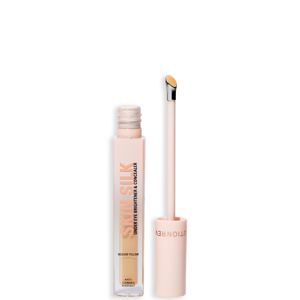
- Puffiness + tired look: Revolution Skin Silk Radiant Serum Under Eye Brightener (from $3.10) uses hyaluronic acid, caffeine, and squalane to hydrate and smooth while boosting radiance.
- Dark circles + congestion: The Ordinary Caffeine Solution 5% + Egcg (from $8.75) uses concentrated caffeine plus EGCG derived from green tea leaves to target the look of under-eye puffiness and dark circles.
- Hydration + fine lines from dryness: Peter Thomas Roth Water Drench® Hyaluronic Cloud Hydrating Eye Gel (from $17.20) centers on a 50% hyaluronic acid complex to help reduce the look of fine lines, wrinkles, puffiness, and dark circles by moisturizing the delicate eye area.
- Quick brightening before concealer: Catrice Cosmetics Under Eye Brightener (from $6.00) can be the low-cost option when you want a targeted brightened look without committing to a high price point.
Two practical timing notes help with vitamin C plus eye product. First: wait until your vitamin C step feels set before you go in with an eye gel/serum. Second: keep the under-eye layer thin. With gels especially, more product often equals more pilling.
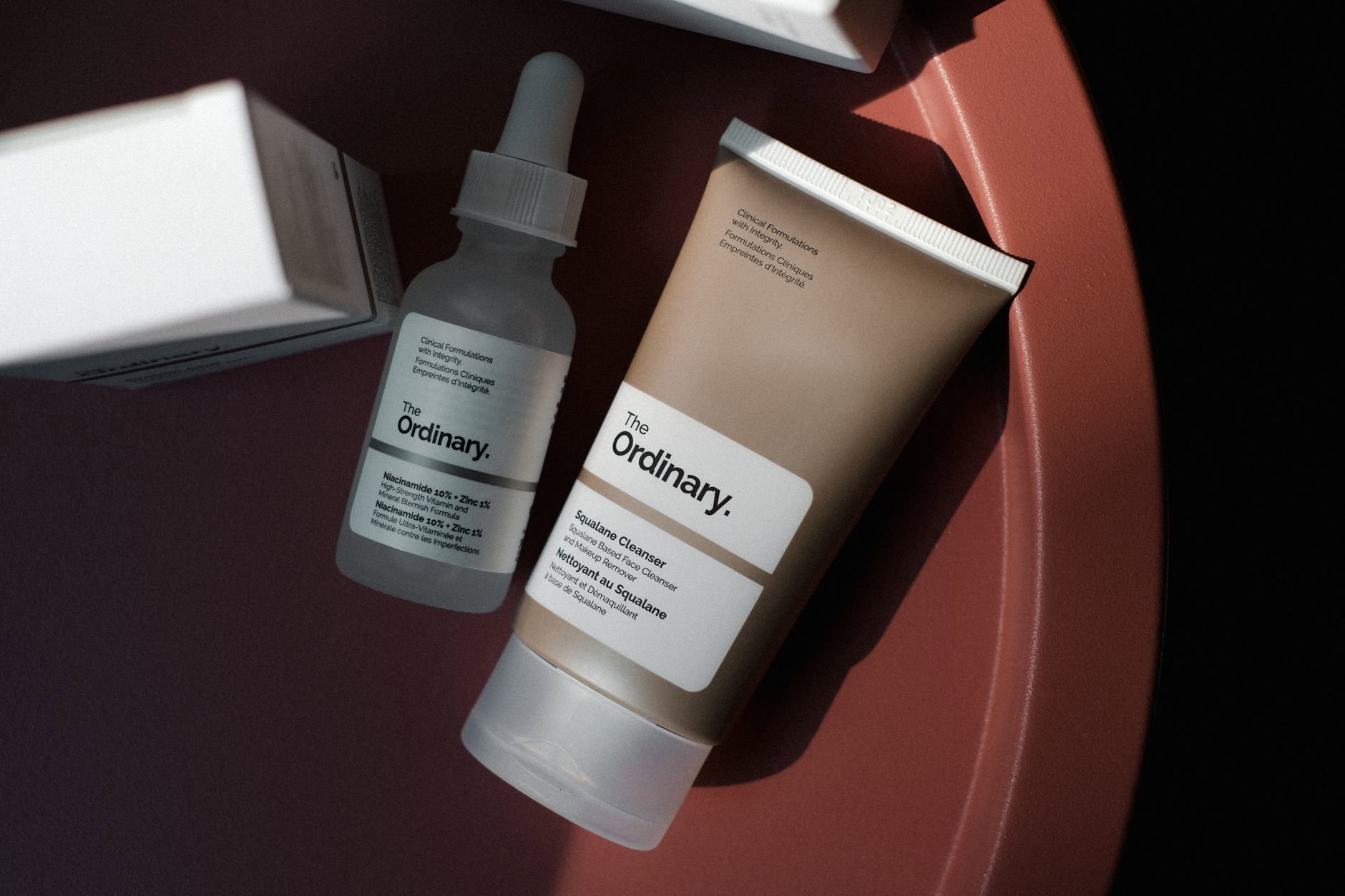
If your mornings include makeup, eye gels can do double duty as “slip.” But if the finish stays tacky, reduce the amount or switch to a lighter serum texture. The goal stays comfort and smoothness, not a thick cushion.
PM routine: retinol night, keep the eye step supportive
Night routines tend to carry more risk because retinol sits here. For most people, retinol at night delivers results while limiting daytime sensitivity.
With an eye gel/serum in the mix, think in roles. Retinol does the heavy lifting for texture and fine lines. Your eye product should either buffer dryness, calm the area, or address discoloration without pushing irritation over the edge.
Eye gel/serum picks that match a retinol night:
- Hydration buffer: Peter Thomas Roth Water Drench® Hyaluronic Cloud Hydrating Eye Gel (from $17.20) fits well when retinol leaves the eye area feeling tight.
- Cooling + sensitivity-prone eyes: Pai System D Schisandra And Ceramide Cooling Eye Serum (from $56.35) positions itself as a cooling comfort option designed for the delicate eye area.
- Firming look on demand: Peter Thomas Roth Firmx Instant Temporary Eye Tightener (from $26.60) targets an instant tightened, smoothed look and uses magnesium complexes and fennel seed extract. Keep this separate from retinol nights if your skin reacts easily.
One sentence worth repeating.
Do not chase “stronger” under the eyes on retinol nights.
If you apply retinol to the face, leave a small buffer zone around the orbital bone at first. Then place your eye gel/serum in its own lane. If you want to bring retinol closer over time, do it slowly and track symptoms like stinging, watering eyes, or flaky patches.
What irritation looks like—and how to prevent it when layering
Eye-area irritation rarely shows up as one dramatic moment. It shows up as a pattern: mild sting that becomes daily sting, then redness, then dry creasing that makes fine lines look worse.
When you layer eye serums with vitamin C and retinol, the prevention strategy comes down to dosage and spacing.
Use these guardrails:
- Reduce frequency before you reduce products. If your eye area gets cranky, keep your eye gel/serum and cut retinol nights back.
- Apply to the orbital bone, not the lash line. Migration does the rest. This matters even more with retinol.
- Pick one “targeted active” for eyes at a time. For example, choose caffeine for puffiness or vitamin C for brightness. Stacking both plus retinol often backfires.
- Watch for pilling. Pilling often means you used too much or layered too fast. It can also mean incompatible textures.
If you want a brightening eye serum that already centers on vitamin C, Perricone MD Vitamin C Ester Brightening Eye Serum (from $52.50) uses Vitamin C Ester, described as a more potent and less irritating form of vitamin C, and it targets uneven skin tone and discoloration. That can let you keep your morning eye step and vitamin C concept in one place, rather than layering multiple brighteners at once.

For “stressy” eyes that react to everything, Pai System D Schisandra And Ceramide Cooling Eye Serum (from $56.35) sits in the calming lane. The description calls out lasting relief and comfort. That sort of positioning often pairs better with retinol routines than another aggressive brightening layer.
We also see shoppers use temporary tighteners daily and then wonder why makeup looks dry. Instant tightening formulas can look great for events. Treat them like a tool, not a nightly baseline.
Match the eye gel/serum to your goal: dark circles, fine lines, puffiness
“Dark circles” can mean several different things: pigmentation, shadowing from hollowness, vascular darkness, or a combo. Eye gels and serums can help with the look of darkness when they target puffiness, hydration, or tone, but they cannot change bone structure.
Here’s how we’d pair goals with products from our tracked list.
- Puffiness + morning swelling: The Ordinary Caffeine Solution 5% + Egcg (from $8.75) targets puffiness and dark circles with caffeine and EGCG derived from green tea leaves. For a more “eye gel” feel, skyn ICELAND Hydro Cool Firming Eye Gels (from $22.00) links to a firming gel format that many people prefer for de-puffing routines.
- Dehydration lines (the crepey look): Peter Thomas Roth Water Drench® Hyaluronic Cloud Hydrating Eye Gel (from $17.20) focuses on moisturizing with its hyaluronic acid complex to help the look of fine lines, wrinkles, and puffiness.
- Discoloration and uneven tone: Perricone MD Vitamin C Ester Brightening Eye Serum (from $52.50) targets discoloration and uneven tone, using Vitamin C Ester described as potent and less irritating.
- Texture + more advanced “treatment” positioning: NeoStrata Skin Active Intensive Eye Therapy (from $79.35) markets more intense results and notes a peptide technology that targets collagen, with a timeline of as little as two weeks in its description.
For a makeup-adjacent brightening approach, Revolution Skin Silk Radiant Serum Under Eye Brightener (from $3.10) includes hyaluronic acid, caffeine, and squalane, and it comes in shades designed to boost radiance under eyes. That can reduce how much you rely on layering multiple correction steps.
Laura Geller Eye Do All Things Brightening Eye Gel (from $21.60) sits in the “wide-awake appearance” lane. The description frames it as de-puffing, brightening, and dark circle concealing in a two-step kit concept. For shoppers who want a simplified morning setup, that positioning makes sense.
How to alternate actives without losing results
Many routines fail because they treat every day like the same day. Skin does not work that way, and the eye area shows it first.
If you want to use both vitamin C and retinol in the same overall routine, alternating can protect your barrier while still supporting visible results.
Three workable schedules (choose one):
- Classic split: Vitamin C in the AM, retinol in the PM. Add an eye gel/serum morning and night if it stays gentle and hydration-focused.
- Retinol ramp-up: Vitamin C most mornings, retinol 2–3 nights per week. Use a soothing or hydrating eye serum on retinol nights, such as Pai System D Schisandra And Ceramide Cooling Eye Serum (from $56.35) or Peter Thomas Roth Water Drench® Hyaluronic Cloud Hydrating Eye Gel (from $17.20).
- Sensitivity-first: Vitamin C every other morning, retinol 1–2 nights per week. Keep the eye step consistent with one product, like The Ordinary Caffeine Solution 5% + Egcg (from $8.75) if puffiness drives your concern.
- Event-driven tightening: Use Peter Thomas Roth Firmx Instant Temporary Eye Tightener (from $26.60) on occasional mornings, and keep retinol off the prior night if your skin tends to react.
Where does price fit? Our tracked pricing shows a wide entry point. You can start with The Ordinary (from $8.75) or Revolution (from $3.10), then decide if you need a pricier, specialized formula like NeoStrata (from $79.35) based on tolerance and goals.
Retail availability matters, too. Prestige options like Perricone MD and NeoStrata often show up at department stores like Nordstrom or specialty retailers like Bluemercury, while budget eye brighteners more commonly sit closer to Target or drugstore shopping habits. That stocking pattern often tracks price tier more than performance.
Product picks from our list (with prices) for common routines
Below are straightforward eye-gel/serum “slots” that work with vitamin C mornings and retinol nights. Every pick comes from our tracked list, with its starting price.
Routine A: Puffiness + dark circles, low budget
- The Ordinary Caffeine Solution 5% + Egcg (from $8.75) in the AM for puffiness and dark circles.
- Peter Thomas Roth Water Drench® Hyaluronic Cloud Hydrating Eye Gel (from $17.20) at night when you need moisture support.
Routine B: Brightening focus, fewer layers
- Perricone MD Vitamin C Ester Brightening Eye Serum (from $52.50) in the AM as your brightening eye step.
- Keep the PM eye step simple with hydration if needed: Peter Thomas Roth Water Drench® Hyaluronic Cloud Hydrating Eye Gel (from $17.20).
Routine C: Sensitivity-prone eyes
- Pai System D Schisandra And Ceramide Cooling Eye Serum (from $56.35) when the goal is comfort and calm.
- Use skyn ICELAND Hydro Cool Firming Eye Gels (from $22.00) on mornings when you want a chilled, de-puffing feel.
- Skip “tightener” style products until your barrier feels stable.
Routine D: Advanced treatment positioning
- NeoStrata Skin Active Intensive Eye Therapy (from $79.35) if you want a more intensive eye-treatment concept, with its peptide technology that targets collagen.
- Add a simple AM brightener only if needed: Catrice Cosmetics Under Eye Brightener (from $6.00).
We also track lash-adjacent serums, but keep the lanes separate. RapidLash Eyelash Enhancing Serum (from $21.30) targets lashes, not under-eye skin, so it does not replace an eye gel or under-eye serum step.
For readers browsing broadly across makeup and skin care, we’d treat under-eye brighteners as a strategic shortcut. Fewer layers often beat more actives, especially when retinol enters the routine.
Practical tips you can use tonight (and tomorrow morning)
Measure with a grain-of-rice mindset. For most eye gels and serums, a tiny amount per eye usually covers the under-eye zone when you tap, not rub.
Try this step-by-step technique:
- Dot product on the orbital bone (outer corner, under-eye, inner corner area), not directly on the lash line.
- Tap with your ring finger until it spreads evenly.
- Wait a short beat before the next step so layers set and do not pill.
- If your eyes water, you applied too close or too much.
For climate swings, adjust texture rather than actives. In dry or cold weather, Peter Thomas Roth Water Drench® Hyaluronic Cloud Hydrating Eye Gel (from $17.20) can make more sense at night. In humid weather, lighter layers like The Ordinary Caffeine Solution 5% + Egcg (from $8.75) often feel better.
If irritation shows up, pause retinol first. Keep your eye gel/serum consistent and calming, then rebuild retinol frequency slowly. That approach tends to preserve progress without triggering the start-stop cycle that wastes months.
How to Layer Eye Serum With Retinol & Vitamin C FAQ
Do you put eye serum on before or after vitamin C?
Most routines work best when vitamin C goes on first, then eye serum or eye gel follows. Apply vitamin C to the face, let it settle, then tap a small amount of eye product along the orbital bone. Keeping layers thin reduces pilling and lowers the chance that product migrates into the eyes.
Can you use retinol around the eyes if you also use an eye serum?
You can, but the eye area often irritates faster than the rest of the face. Use retinol at night and keep it slightly away from the lash line at first. Then use an eye gel or serum that supports hydration or comfort. Increase retinol frequency slowly if your skin stays calm.
Should vitamin C and retinol be used on the same day?
Many people use vitamin C in the morning and retinol at night on the same day without issues. The key is timing and tolerance, not stacking them in the same application window. If irritation starts, reduce retinol nights first and keep the morning vitamin C and eye routine simple.
What causes eye serum to pill when layered with actives?
Pilling usually happens when you apply too much product, layer too quickly, or combine textures that do not mesh well. Under the eyes, even a small excess can roll up because the area moves constantly. Use a smaller amount, tap instead of rub, and wait briefly between layers.
How long should you wait between vitamin C, eye serum, and retinol?
You do not need long gaps, but you should let each layer settle so it stops feeling wet or slippery. In the morning, allow vitamin C to set before applying your eye serum. At night, apply retinol as your active step and keep the eye product thin and placed along the orbital bone to limit migration.




![Lumene Nordic Hydra [Lähde] Purity Dew Drops Hydrating Eye Gel](https://media.glamgeek.com/media/2026/01/17/041474bc-29cb-47e0-a57b-c929fdb56465_sm.jpg)