Our price tracker shows one pattern year after year: serums sell fast when they deliver visible change. Shoppers bail on clutter but keep the workhorses. When budgets tighten, the winners look the same across Sephora, Ulta, Target, and Amazon.
Four actives earn that loyalty. Niacinamide, retinoids, vitamin C, and sunscreen stay in carts through spring sales and winter clearances. We see them jump on wishlists before Sephora’s Spring Savings and climb again for Black Friday. The rest of the routine flexes. These four rarely do.
If you want a results routine, start here. Build a simple, disciplined stack. Then shop it smart.
Context: Why these four actives cut through the noise
We’ve tracked beauty pricing since 2010. The serum aisle swings with trends, but these four actives have data behind them and a long clinical history. You can measure their impact without a microscope. Dark spots fade. Fine lines soften. Redness settles. SPF prevents the damage in the first place.
Concentration matters. Most women tolerate niacinamide at 2–5% and still get results; 10% suits some but not all. Vitamin C often shows best results at 10–20% as L-ascorbic acid, though derivatives suit sensitive skin. Over-the-counter retinol usually falls between 0.1–1.0%. Dermatologists push daily broad-spectrum sunscreen at SPF 30–50. Those numbers hold across climates and age groups. They form a reliable blueprint.
Timing matters too. Vitamin C and SPF build a strong morning team. Retinoids prefer night. Niacinamide floats between both. From Miami humidity to Denver dryness and Boston winters, you can tweak textures while you keep the core intact.
Shoppers also have the calendar on their side. Tiered discounts hit in April for Sephora. Ulta runs 21 Days of Beauty twice a year. Memorial Day and Black Friday bring sets and jumbo sizes. Add your favorites to a GlamGeek wishlist and we’ll ping you when the price drops, so you can stock up without guesswork.
{{IMAGE:skincare serums flatlay on bathroom counter}}Niacinamide: Flexible support that makes every routine sturdier
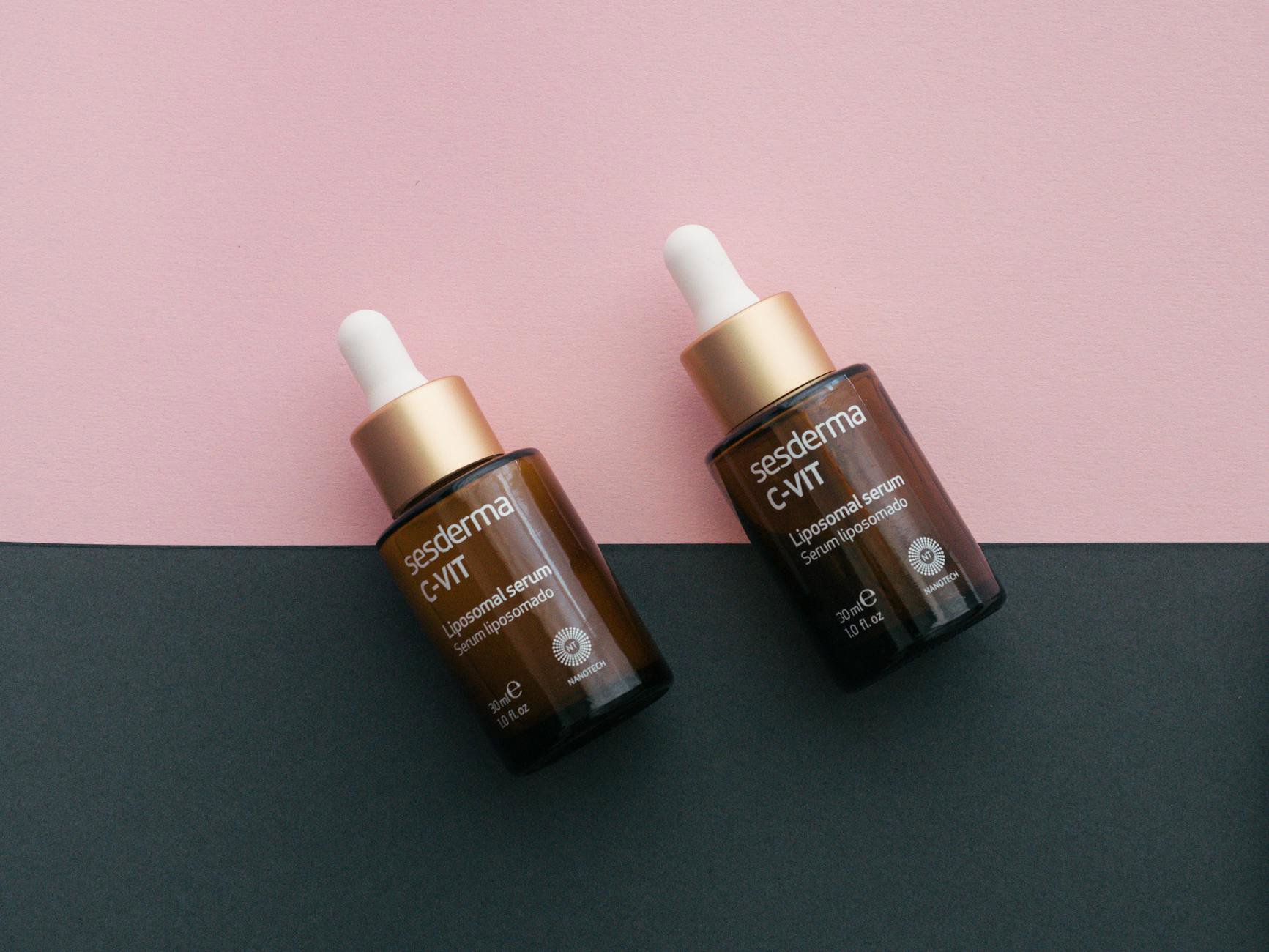
Niacinamide earns its place because it tackles several common complaints at once. It supports the skin barrier, which can reduce redness and sensitivity. It softens the look of pores by regulating oil. It evens tone with steady use. It layers well with almost everything.
Start between 2–5%. That range suits oily, dry, and combination skin. Higher strengths can work, but they bring more risk of a temporary flush or itch. Watch for pairing with other actives. Niacinamide tolerates acids and retinoids for many women, but run a slower pace if you add everything at once. One new variable per week helps you track results and spot trouble.
Pick a texture that matches your climate and makeup plans. Lightweight gels suit humid summers and oil-prone T-zones. Cream serums or emulsions suit dry air and winter. If you wear a fuller face base, look for a formula that plays well under primer. We’ve had better feedback with water-light serums under silicone-heavy primers. If you need ideas, browse Day Face Serums and filter by “niacinamide” and finish type.
Shopping angles: Target and CVS carry budget niacinamide that performs. Sephora and Ulta stock mid-tier and pro brands if you want fancier textures. You’ll also find niacinamide inside many moisturizers. That’s useful when you want one less bottle. Keep an eye on brands like Garnier and L'Oréal for wallet-friendly options, and scan reviews on GlamGeek to sort hype from results.
Vitamin C: Morning brightener and antioxidant bodyguard
Vitamin C does two big jobs. It helps fade uneven tone, and it works as an antioxidant against daily stress. Pair it with sunscreen in the morning for a one-two defense against pollution and UV. That combo appears across dermatology guidance for a reason. You get better protection when they work together.
Form matters as much as strength. L-ascorbic acid has the strongest data for brightening and collagen support. It wants water-based formulas at a low pH. Sensitive skin often prefers derivatives like 3-O-ethyl ascorbic acid or ascorbyl glucoside. Those feel gentler and come in a wider range of textures, including milky serums and creams. If your skin stings with classic vitamin C, try a derivative before you give up on the category.
Stability separates the keepers from the dust collectors. Oxygen and light break vitamin C down. Look for air-tight pumps, tinted bottles, or anhydrous formulas. Store it cool and sealed. If it turns dark orange or brown, you’ve likely lost potency. That isn’t harmful, but it wastes money. Keep a smaller bottle in rotation and refill from minis when sales hit. Brands like Clinique and Shiseido often package brightening serums with better protection, but you can find smart packaging across price tiers.
Application is simple. Cleanse. Apply vitamin C on dry skin. Wait a minute if it feels tacky. Follow with moisturizer if you need it. Finish with sunscreen. You can slot niacinamide either before or after vitamin C, depending on texture. Thinnest first tends to work best. If pilling shows up under makeup, try a lighter moisturizer or a primer that smooths texture. You can browse Face Primers to find one that grips without rolling.
Retinoids: Nighttime workhorse for texture, tone, and fine lines
Retinoids push cell turnover and target fine lines and uneven tone. They show up as retinol, retinal (retinaldehyde), adapalene, and prescription tretinoin. Most women can start with retinol at 0.2–0.3% two to three nights per week. Bump to 0.5% or 1% over time if your skin tolerates it and you want more impact.
Irritation happens when you race. You can buffer with moisturizer, use the “sandwich” method (moisturizer, retinoid, moisturizer), or cut back to every third night. Dry climates and winter heaters raise the stakes. Add a richer night cream or a few drops of squalane if your moisture barrier feels tight. In humid summers, a gel-cream may be enough. Our users tend to save on cleansers and spend a little more on retinoids with better delivery systems. If you want to compare textures and claims across budgets, scan Anti Ageing Face Serums.
Expect a slow burn. Many retinoid formulas need 8–12 weeks to show clear change. You may see smoother pores in a month. Pigment often takes longer. Take a photo in the same light every four weeks so you can track results without guesswork. Stick with one retinoid at a time. Mixing two won’t speed progress. It will likely spike irritation and force a break.
Where to buy? Ulta and drugstores carry adapalene and a wide range of retinols. Sephora and Nordstrom sell elegant textures in mid to high price tiers. Brands like Estée Lauder and Lancôme position retinol inside multi-active creams if you want a one-step night product. Those can work well for dry skin or for women who prefer fewer layers.
Sunscreen: The non-negotiable that makes the rest pay off
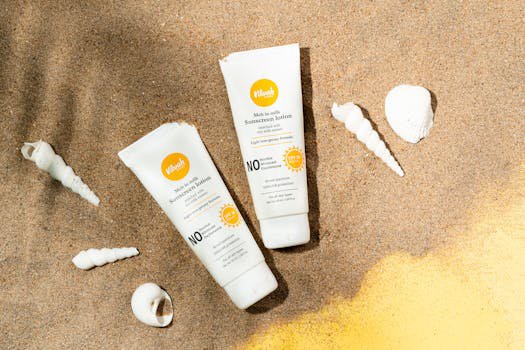
Sunscreen protects your investment in every other step. You need broad-spectrum coverage to guard against UVA and UVB. Dermatologists set the daily bar at SPF 30 or higher. Many women prefer SPF 50 for strong sun or long outdoor days. Consistency matters more than perfection. Apply enough and reapply if you spend time outside.
Choose a filter type you will use. Mineral (zinc oxide, titanium dioxide) suits sensitive skin and can help with redness. Chemical filters feel lighter and suit darker tones when white cast shows up. Tinted mineral sunscreens blend better on many skin tones. If makeup is part of your routine, test sunscreen with your base to check for pilling. A thin layer, set time, then makeup. Two finger-lengths of product for the face is an easy rule of thumb.
Reapplication trips many women up. A spray, stick, or cushion compact helps over makeup. Keep one in your bag for commutes and outdoor lunches. If your office faces a window, you still need it. UVA comes through glass. Explore options across budgets in our SPF Protection Products hub. We track prices across Sephora, Ulta, Target, Amazon, and Nordstrom so you don’t have to.
Shopping angles: Drugstores and Target carry strong everyday SPF at fair prices. Sephora and Bluemercury stock elegant textures that set better under makeup. Credo focuses on mineral filters and shorter ingredient lists. If you’re unsure what to try, add a few to your wishlist. We’ll alert you when one drops in price so you can test without overspending.
Layering order: A simple AM/PM plan that holds up
Keep the order clean and logical. Thinnest to thickest is a useful guide. Let each layer sink in before the next. Here’s a no-drama plan:
- AM: Cleanser (optional if you rinse), vitamin C serum, niacinamide (if thin and compatible), moisturizer as needed, sunscreen. Makeup or primer if you wear it.
- PM: Cleanse well. Niacinamide if you want extra support. Retinoid. Moisturizer. Add a soothing cream if you feel dry.
When you add actives for the first time, stagger them. Start retinoids at night only, twice a week. Use vitamin C most mornings. Keep niacinamide daily if your skin tolerates it. Add sunscreen every morning to lock in your work.
Acids and exfoliants fit on off nights. Limit strong acids when you ramp up retinoids or vitamin C. Over-exfoliation creates the very flakes and blotches you want to fix. If you need a reset, pause exfoliants and let barrier care lead for a week. Then rebuild. If you use toners, choose gentle ones. You can explore hydrating options under Face Toners and pick a texture that supports your stack.
Texture tuning: Match formulas to your climate, skin type, and makeup
Formula choice can make or break a routine. You can have perfect actives and still get pilling or midday oil. Solve it with texture, not more bottles.
Dry climates and winter heating crave cushion. Try cream serums and balmy moisturizers at night. Look for ceramides, cholesterol, and fatty alcohols in the INCI list to shore up the barrier while retinoids work. Humid summers can handle lighter layers. Pick gel serums and fluid moisturizers. Silicone-based primers can smooth vitamin C grip under foundation. A water-based primer can help sunscreen feel less shiny. If you need makeup that lasts, test combos with your own base and see which primer plays nice. Check our Face Primers for grip vs. glow finishes.
Oil-prone skin benefits from niacinamide in a light serum, L-ascorbic acid in a watery base, and a gel moisturizer with SPF. Dry skin often prefers vitamin C derivatives in a lotion, a buffered retinoid, and a richer night cream. Combination skin can split tasks: oil control in the T-zone, cushion on cheeks. The strategy matters more than the brand label.
Makeup wearers should map compatibility. Sunscreen can cause rolling if you rush or overload layers. Give each step a minute to set. Press, don’t rub, when you apply makeup on top. If your daytime stack still pills, try a tinted sunscreen and skip separate foundation on casual days. Many women report better wear that way, with fewer steps and less friction.
Myth-busting and smart pairings: What to combine and what to space out
Two myths come up again and again. First, niacinamide and vitamin C do play well together for most skin. Old lab data from the 1960s warned about a byproduct under extreme heat and long storage. That doesn’t reflect modern formulas on your face. Many brands combine them without trouble. If you still see redness, separate them into AM and PM.
Second, vitamin C and retinoids can live in the same routine, but many women get better tolerance by splitting them. Vitamin C in the morning boosts protection with sunscreen. Retinoids at night work on turnover without daylight. If you want to mix advanced actives like acids or benzoyl peroxide, choose off nights from your retinoid. Keep a simple calendar on your phone to avoid overlap during your first 8 weeks.
Patch test new products on the jawline for a few nights before you go full face. That small pause can save a month of recovery. Ease up if you see stinging that lasts more than a minute, flakes that don’t stop after a week, or spreading redness. Use a bland moisturizer and SPF for a few days, then try again at a slower tempo. For extra support, hydrating masks on non-retinoid nights can help. You can browse soothing picks in our Face Masks section and filter for “hydrating.”
Real-world shopping: Build the stack at any price tier
Your serum stack doesn’t require a luxury budget. It requires smart choices and clean formulas that suit your skin. You can build the full quartet at Target or mix tiers with a luxe vitamin C and a drugstore SPF. Stock varies by retailer. Target and CVS shine for budget-friendly niacinamide and sunscreen. Sephora leans into vitamin C serums with fancy packaging and retinoids in plush textures. Ulta straddles both, with strong BOGO deals during seasonal promos.
Across our merchant feed, value sets rise in November and again in late spring. Brands pack minis or full sizes at a lower bundle price. This helps when you want to test vitamin C types or retinol strengths without buying three full bottles. Browse Skin Care Sets, add a few to your wishlist, and let alerts do the work. Refill top performers during sitewide events. We’ve seen one retailer hold a set at full price while another drops it the same week. The comparison view on GlamGeek lays that out at a glance.
If you prefer specific brands, you can shop by house style. Charlotte Tilbury often pairs brightening and glow. Clinique focuses on sensitive-skin textures that sit well under makeup. Estée Lauder and Lancôme lean into night creams and encapsulated retinols. Shiseido brings high-UV heritage and elegant SPF. If you like to keep steps short, mid-tier moisturizers with niacinamide can lighten the serum load. That still honors the four-actives framework without crowding your shelf.
{{IMAGE:woman applying sunscreen outdoors}}Seasonal tweaks and regional realities: Make the stack work where you live
Climate shifts change how your skin behaves. Keep the actives the same. Change the vehicle.
Humid South: Sweat and oil rise. Go for lightweight niacinamide, a water-light vitamin C, a gentle retinoid, and a gel sunscreen. Blotting papers and a gripping primer keep midday shine in check. Consider a powder SPF for top-ups during outdoor time. Add antioxidants to your bag when UV index spikes. Florida sun doesn’t forgive missed reapplication.
Dry West: Air parches skin. Choose a creamy vitamin C derivative, a buffered retinoid, and a moisturizer that seals in water. Layer a hydrating serum before retinoid nights if your skin pulls tight. Mineral sunscreens can feel drying; test a chemical or hybrid filter if flakes show up. Reapply with a hydrating spray SPF for comfort.
Cold Northeast: Heaters and wind strip skin. Use niacinamide morning and night. Stick with retinoids but lower frequency when windburn hits. Choose a richer SPF that doubles as a day cream. Tinted mineral formulas often help with redness in winter. Night masks two or three times a week can stabilize the barrier while retinoids keep working.
When to switch strengths and when to hold
Let results, not boredom, drive the next step. If your skin stays calm for a month on a lower retinol and you want more resurfacing, step up one notch. If vitamin C brightening stalls after three months, switch from a derivative to L-ascorbic acid or change packaging to a fresher format. If niacinamide at 10% triggers flushing, move back to 5% and keep it steady. SPF stays fixed. Don’t drop it.
We also rate patience. Photos every four weeks help you decide with data, not with vibes. Track texture, tone, and breakout patterns. Note climate changes and cycle timing if those affect your skin. That record beats any marketing claim.
Set a budget per quarter. Choose one area to splurge if you want joy in the routine. Many women enjoy a luxurious vitamin C because it hits morning mood and pairs with makeup. Others prefer to spend on a night cream that softens retinoid edges. Save on cleansers and basic moisturizers if you need to rebalance the spend.
Troubleshooting: Redness, pilling, purging, and how to stop wasting time
Redness and stinging: Slow down. Cut retinoids to every third night. Use a bland moisturizer before and after if needed. Consider a vitamin C derivative for a few weeks. Keep SPF steady. Don’t stack acids on top of irritation.
Pilling: Shorten layers. Switch to lighter textures in the morning. Let each step set before makeup. Test a different primer or a tinted sunscreen as your base. Overloading silicone or powders often causes rolling.
Purging vs. breakout: Purging tends to show up where you usually clog and clears faster. New breakouts in new areas suggest a mismatch. Stop the new product and reassess. Swap one variable at a time. Use a gentle exfoliant on non-retinoid nights if texture builds up. Keep it mild. You can scan options under Face Exfoliants and choose skin-type filters.
Dark spots that won’t budge: Sunscreen discipline often fixes this. Reapply. Add a vitamin C with proven packaging. Consider a retinoid step-up or a night cream with brightening allies like niacinamide. Track for 12 weeks before you decide it failed.
What this means for your shelf and your wallet
Most routines only need a tight core. These four actives cover prevention, repair, brightening, and oil control. Keep the steps short. Buy textures you will use every day. Swap vehicles with the season. Save extras for off nights. Your shelf stays organized and your skin stays calmer.
Shop with timing in mind. Build a wishlist on GlamGeek for your vitamin C, retinoid, niacinamide, and SPF picks. We’ll alert you when prices drop across Sephora, Ulta, Target, Amazon, and Nordstrom. Check set values and minis before big events. Compare brand pages like Clinique, Shiseido, and Estée Lauder for formulas that match your finish and tolerance. Then hold the line. Consistency beats constant swapping.
Where we’d start today: A sample quartet at three price mindsets
Budget build (Target, CVS, Amazon):
- Niacinamide: 2–5% gel serum.
- Vitamin C: derivative in a lotion pump.
- Retinoid: 0.2–0.3% retinol or adapalene gel a few nights per week.
- SPF: Broad-spectrum SPF 30–50, fluid or gel cream.
Mid-tier mix (Ulta, Sephora):
- Niacinamide: 5–10% serum with soothing extras.
- Vitamin C: L-ascorbic acid in an air-tight bottle.
- Retinoid: Encapsulated 0.3–0.5% in a cream base.
- SPF: Tinted mineral or elegant chemical filter that sits well under makeup.
Luxe lean (Nordstrom, Bluemercury):
- Niacinamide: serum layered inside a barrier cream.
- Vitamin C: stabilized complex with supporting antioxidants.
- Retinoid: micro-dosed retinol with ceramides for comfort.
- SPF: primer-like finish, sheer tint, and zero cast.
You can stick to one tier or mix to suit your budget. If you want to browse widely, our Day Face Serums and SPF Protection Products pages pull options across retailers in one stop. Add candidates to your wishlist and track them through sale cycles.
The bottom line
Skip the dozen-bottle shuffle. Build a steady routine with niacinamide, vitamin C, a retinoid, and sunscreen. Give it 12 weeks. Take photos. Adjust textures with the season. Shop sets and sales with alerts to keep costs in check.
We see women stick with routines that feel simple and effective. This stack does both. It earns shelf space.
Tell us what you want to improve next
Are you fighting dullness, uneven tone, or fine lines? Which step stalls for you: vitamin C, retinoid, niacinamide, or SPF discipline? Add your current picks to a GlamGeek wishlist, compare prices across retailers, and tell us in the comments where you want better results. We’ll share product roundups and sale alerts tailored to that goal.