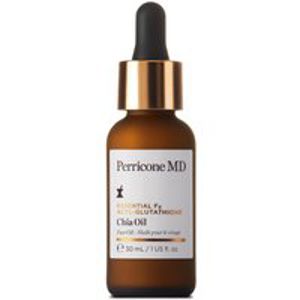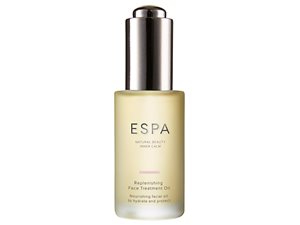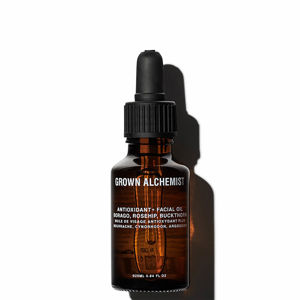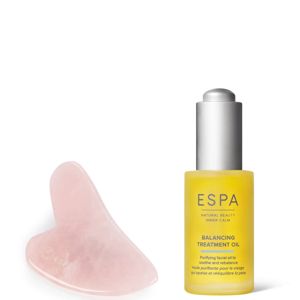

Our price tracker shows something many women don’t expect: face oils sell fastest when humidity drops, yet oily-skin shoppers still put them in the cart. The pattern repeats every winter and peaks again during spring sale events. That tells us face oils aren’t a niche add-on. They’re a core step when you match the right oil to the right skin.
Here’s the catch. One person’s glow is another person’s clogged T-zone. The fix isn’t a fancy name or a luxe bottle. It’s chemistry, texture, and timing. Once you know the profile that plays well with your skin type, you can buy smarter and avoid the heavy, greasy misfires.
We’ve tracked hundreds of face oils across Sephora, Ulta, Nordstrom, Target, and Amazon since 2010. Discounts cluster around Sephora’s Spring Savings in April and Black Friday in November. Ulta’s 21 Days of Beauty runs in spring and fall, with select oils featured. We also see value in discovery kits where brands bundle minis; we flag those on product pages when they undercut the cost-per-ml of full sizes.
The category exploded as brands reformulated classic plant oils with lighter esters and squalane. That shift made oils wearable in humid climates and under makeup. Comedogenic charts still circulate, but they oversimplify. Real skin varies. Fatty acid profile, refinement, and how you layer the oil matter as much as the single ingredient.
Price spans drugstore to couture, and retailers place them accordingly. Target and Amazon carry more budget-friendly options. Sephora and Nordstrom stock prestige blends with treatment actives. If you want a quick scan of where the value sits today, check our comparison widgets; they pull live prices across major retailers so you don’t have to.
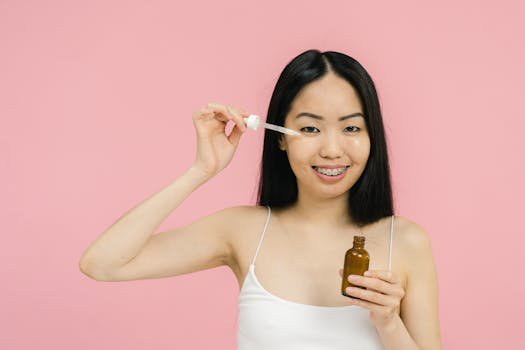
{{IMAGE:woman applying face oil}}Face oils decoded: why some feel light and others feel heavy
Face oils fall into a few useful buckets. Think of them by structure and fatty acid profile. Squalane sits in its own lane: it’s a saturated hydrocarbon that mimics skin’s natural lipids, feels weightless, and rarely clogs. Hemisqualane runs even lighter. Esters like isopropyl palmitate get slipperier and can feel richer, while some, like C13-15 alkane, feel dry-touch and fast.
Then look at the fatty acids. Linoleic acid (omega-6) tends to feel light and suits congestion-prone skin. Grapeseed, safflower, evening primrose, and rosehip skew linoleic. Oleic acid leans richer. Olive, avocado, marula, and macadamia deliver cushion and shine that dry skin loves. Jojoba behaves like a wax ester, which helps many complexions, including sensitive ones, find balance.
Refinement matters. Cold-pressed oils keep more antioxidants but can smell stronger and oxidize faster. Refined oils lose some plant compounds but gain stability and a subtler scent. Packaging matters too. Air and light degrade polyunsaturated oils. Dark glass and pumps help. Vitamin E (tocopherol) slows oxidation and stretches shelf life.
Finally, remember function. Oils don’t hydrate on their own. They limit water loss and smooth the skin barrier. Pair them with a water-based serum or moisturizer to lock in hydration. If you apply oil to bone-dry skin in a heated room, it can feel greasy yet do little. A few drops over damp skin works better.
Dry or dehydrated skin: cushion without the slick
Dry skin lacks oil. Dehydrated skin lacks water. Many women have both, especially in the cold Northeast and the arid West. Your playbook: bring water in, then seal it without suffocating the surface. Choose oils with a mid-weight slip and a balance of oleic and linoleic acids.
Avocado, marula, meadowfoam seed, and jojoba work well here. Squalane bridges seasons because it layers thin but prevents tightness. After a humectant serum, press two to three drops into cheeks and forehead, then follow with a cream. We like classic blends from heritage houses for this category. Clarins bottles iconic treatment oils. Blue Orchid targets dehydration, while Lotus caters to oil balance. You can scan what Clarins lists in our feed and spot when the sets drop below the per-ml cost of singles.
Prefer a luxe texture that still sits under makeup? Guerlain’s lightweight oil-serum hybrids get a lot of love for a reason. The Abeille Royale family delivers a sheen without the slide. If that’s your style, browse Guerlain on GlamGeek, add your pick to your wishlist, and we’ll ping you when it dips during holiday promos.
If you want a night-focused cushion, look at recovery oils from legacy skincare lines. Estée Lauder’s oil versions in the Advanced Night range target barrier comfort and fine lines. We track restocks and value sets for Estée Lauder each season, and the sets often bring the best cost-per-use. Topping everything with a richer cream makes sense in drafty apartments. Our Day Face Moisturisers section helps you compare textures if you want a lighter morning follow-up.
Oily or acne-prone skin: lighter, smarter, calmer
Oily skin still benefits from the right oil. The goal isn’t more gloss. The goal is balance. Lightweight, linoleic-leaning oils often help congested pores look smaller and feel calmer. Grapeseed, black cumin seed (nigella), rosehip, and squalane do that job. Jojoba can help regulate the feel of oiliness for some, since it mimics sebum’s waxy structure.
We see a steady demand for clarifying blends that skip heavy fragrance. Clarins makes a Lotus Face Treatment Oil that many oily-skin shoppers rate for balance. You can check the live price on our page for Clarins and track the discount pattern across Sephora and department stores. For a more glam-leaning option, Charlotte Tilbury’s facial oil dresses the skin for glow without a sticky finish; it pairs well with matte foundation. You’ll find current offers in our feed for Charlotte Tilbury.
If you break out easily, minimize essential oils and keep the INCI list short. Squalane or hemisqualane can slip under sunscreen without adding weight. Watch for “dry-touch” language and pumps that dispense controlled drops. Always patch test along the jawline for a week. Comedogenic scores are a rough guide, not a verdict; your routine and climate can swing outcomes.
Application trick: mix a single drop into an oil-free gel moisturizer for a smoother glide. That approach spreads the oil thinly, which many acne-prone readers prefer. If you wear base, blend one drop with foundation on the back of your hand rather than on the face. Our Liquid Foundations category lets you filter for matte or natural finishes that play nicely with a micro-dose of oil.
Sensitive or reactive skin: simpler formulas, softer touch
Sensitivity sits at the crossroads of barrier stress, fragrance exposure, and over-exfoliation. The right oil can comfort that. Look for fragrance-free or very lightly scented formulas. Short INCI lists reduce the variables if you react. Squalane, jojoba, oat kernel, and meadowfoam seed oil tend to behave well.
Packaging and stability matter even more here. Choose dark or opaque bottles with pumps or droppers that close tight. Store them away from sunlight. Oxidized oils smell sharp and can sting; discard them. Many readers also report better results when they use oils over a bland moisturizer, not directly on bare skin. That step creates a buffer and cuts the chance of a tingle.
Shop by brand DNA if that helps you filter. Clinique built its reputation on low-fragrance basics, which many sensitive-skin shoppers trust. If you prefer plant-first with a conscience, The Body Shop’s Oils of Life line balances botanicals with user-friendly textures. You can browse Clinique and The Body Shop on GlamGeek and set stock alerts; our system flags when a sold-out shade or size returns.
Patch testing remains your best insurance. Use a pea-size amount on the jawline for five to seven nights. Pause any AHAs or retinoids while you test. If redness flares or stinging persists beyond a minute, rinse with a gentle cleanser and step back to basics. Our Foam & Wash Cleansers section includes mild, fragrance-leaning-low options that pair well with oil routines.
Mature skin: cushion, antioxidants, and consistency
With age, sebum slows, barrier lipids thin, and fine lines show faster in dry air. Oils shine here when they add cushion and support antioxidants in your routine. Argan, marula, camellia, and rosehip bring comfort and a soft glow. Rosehip also contains pro-vitamin A compounds, which complement retinoids without replacing them.
Look for blends that add coenzyme Q10, vitamin E, or plant polyphenols. These support the skin against daily stress. Evening application makes sense. Press a few drops over a hydrating serum, then seal with a cream. If you love a pampering ritual, French and Japanese houses deliver refined textures that sit beautifully under lipstick and fragrance for evenings out.
Prestige picks worth watching include Lancôme’s Absolue family, which often features an oil step in luxe discovery sets, and Guerlain’s bee-powered range for bounce and sheen. Track Lancôme and Guerlain on GlamGeek before holiday gifting season; we see strong value in coffrets that include minis plus a full-size oil. For night repair, browse Estée Lauder sets; our feed frequently spots them across multiple retailers.
Don’t skip sunscreen. Oils don’t replace UV protection. Layer an SPF every morning. Many modern formulas sit fine over a thin oil film if the oil absorbs well. Our SPF Protection Products section helps you compare textures by finish, so you can keep morning shine in check.
Combination skin and seasonal shifts: target the zone, change with weather
Combination skin needs aim-and-fire tactics. Treat your face in zones. Use a light, fast oil like squalane on the T-zone if it gets flaky after retinoids. Switch to a plusher blend on the cheeks. There is no rule that says one oil must suit every inch of your face.
Weather should steer your pick. In humid Southern summers, even dry skin often prefers hemisqualane or a linoleic-leaning blend. In windy winters, most complexions handle a richer cushion at night without congestion. If your office runs heating all day, consider a mist or toner first, then seal with oil, then moisturizer. That stack traps water better and fights the 3 p.m. tightness.
Foundation finish also matters. Matte foundations already cut shine; they mix well with one drop of oil for flexible wear. Dewy bases pair better with one drop on the cheekbones only. Use a fingertip, not palms, to press oil into precise spots. A too-slick T-zone can undo careful work with primer. If you use a primer, let the oil sit for a minute before you apply it to keep pilling away.
Not sure where to start? Look for brands that split lines by need. Clarins labels its oils by skin behavior, which simplifies the choice. Charlotte Tilbury leans glow-forward for special occasions. The Body Shop sits at sensible price points for experimentation. You can shortlist options on GlamGeek, then add them to your wishlist to catch the next retailer markdown.
Application and layering: two drops, damp skin, last step
Technique makes or breaks results. Oils excel at sealing, so apply them near the end of your routine. A simple order works: cleanser, serum, moisturizer, then oil. Two to three drops should do it. Press, don’t rub. If your skin feels slick after five minutes, use less or switch to a lighter oil.
Apply to slightly damp skin. That detail helps the oil trap water. You can mist, use an essence, or leave a little moisture after toner. If your moisturizer contains humectants like glycerin and hyaluronic acid, the oil will help hold them in. Our Face Toners and Day Face Moisturisers sections can help you find good pairings by texture.
Morning routine? Keep it light and strategic. Put the oil where you want sheen. Then layer sunscreen. Some SPF formulas prefer an oil underneath rather than on top. Let the oil set for a minute before SPF to reduce slip. If you prime, choose a grip primer and wait. Oil can disrupt silicone-heavy primers if you rush. Our Liquid Foundations category lets you compare which bases include built-in oils so you can skip mixing if you prefer.
Night routine? That’s the best time to use richer oils, especially in dry climates. If you use retinoids, apply them first, then buffer with moisturizer, then a few oil drops. This order reduces the risk of flaking without blunting retinoid benefits. If sensitivity spikes, pause actives and rebuild the barrier with a week of simple oil-and-cream care.
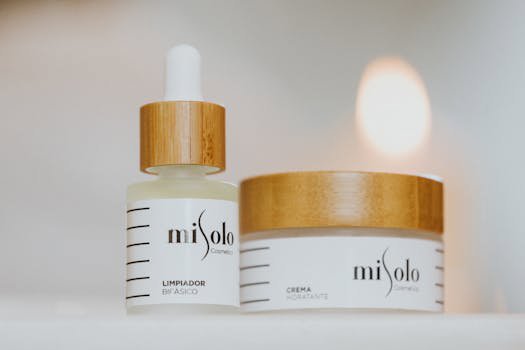
{{IMAGE:flatlay face oil bottles}}Shopping smarter: price, packaging, shelf life, and safety
Price moves a lot in this category. Our feeds catch frequent mini-and-set promotions that beat standard bottles on value. If you want to try before you commit, start with a discovery kit. Many brands offer blended oils in travel sizes; we collect them in Skin Care Sets. Add the ones you like to your wishlist and we’ll alert you when they dip during Sephora’s Spring Savings or Ulta’s 21 Days.
Packaging affects performance. Prefer dark glass or opaque bottles with pumps. Clear droppers look pretty, but they speed oxidation on light-sensitive oils like rosehip and evening primrose. If your oil shifts color, smells sharper than usual, or feels sticky, it’s likely oxidized. Retire it. Most face oils hold six to twelve months after opening. Store them cool and closed.
Scan the label for fragrance and essential oils if you run sensitive. “Fragrance” can hide many compounds. Citrus, peppermint, and lavender essential oils can irritate. That doesn’t make them bad for everyone, but they’re risky in leave-on formulas if your barrier wobbles. Blends that rely on minimal fragrance or no fragrance reduce the chance of a reaction.
Retail source matters. Department stores and brand sites give clean chain-of-custody. Amazon can offer strong prices but stick to the brand’s official storefront or an authorized seller. We mark retailer links by name so you can decide where you prefer to buy. Use our price comparison to see if a department store gift-with-purchase beats a bare-bones discount elsewhere.
Real-world matches: quick picks by skin behavior
Dry and tight all day? Start with squalane plus a touch of avocado or marula at night. Want a refined feel? Look at a classic French blend or a recovery oil in a prestige set. Scan Estée Lauder and Guerlain for texture-first formulas and bundle value.
Shiny T-zone, flaky cheeks? Use jojoba or squalane on the T-zone, then a mid-weight blend on cheeks. Careful placement beats one-size-fits-all. Clarins labels help here, so peek at Clarins for a clean split by skin need. Add wishlists for both so you catch deals on either variant.
Breakout-prone? Keep it light and short. Try grapeseed or squalane, two drops over a gel moisturizer, and stop there. If you want glam yes-but-matte for events, skim Charlotte Tilbury for glow-focused oils you can reserve for cheekbones only. Pair with a matte base from our Liquid Foundations category.
Reactive or rosacea-prone? Seek oat kernel oil, squalane, or meadowfoam, low or no fragrance. Start three nights a week, then build. When in doubt, buy smaller first. Our Skin Care Sets page helps you try textures without a big spend.
What this means: your oil is a tool, not a type
The right face oil depends on skin behavior, climate, and where it sits in your routine. If you go by marketing alone, you roll the dice. If you go by structure and use, you stack the odds in your favor. Light, linoleic-leaning oils help calm congestion. Cushy, oleic-leaning blends comfort parched faces. Squalane plays well almost everywhere. Placement and drop count matter as much as the bottle.
Use our brand and category pages to check textures, ingredients, and real shopper notes. Track prices across Sephora, Ulta, Nordstrom, Target, and Amazon on a single screen. Add contenders to your wishlist, and we’ll flag the next markdown. Timing your buy can save real money, especially when discovery sets beat single-bottle pricing.
Final check before you buy
Confirm your aim: balance shine, seal hydration, or add cushion. Pick your texture: featherweight (squalane, hemisqualane), mid (jojoba, meadowfoam), plush (marula, avocado). Decide when you’ll use it: morning or night. Then look at packaging and fragrance load. That simple checklist does more for results than any trend claim.
We want to hear what your skin actually does. Which climate are you in, and what finish do you prefer under makeup? Tell us, and we’ll point you to a short list of options you can compare in one click—plus the right time to pounce when the price dips.