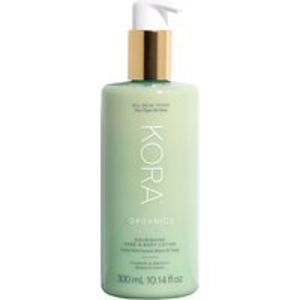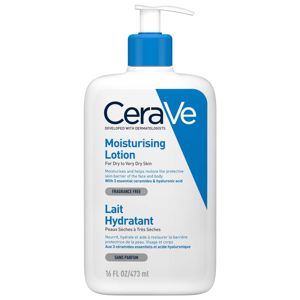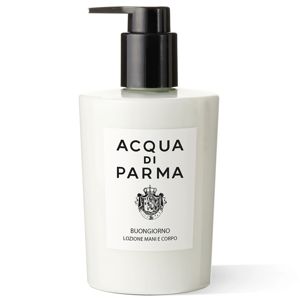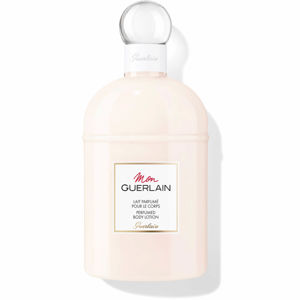
Fragrance-free body lotions outsell their scented siblings every winter across our feed. Our price tracker shows a surge in clicks on ceramide-rich creams as soon as heaters switch on. Women don’t want a fancy scent. They want relief that lasts past lunch.
We also see price gaps open and close week to week. A gentle lotion might sit full price at a prestige door, then drop at a drugstore during a weekend promo. The formula didn’t change. The shelf did. That’s why we compare.
If your arms sting after a shower or your legs flush for no reason, you’re not alone. Sensitive skin pushes back at the wrong base, the wrong preservative, or the wrong scent. The good news: the best formulas look boring on paper and feel great on skin.
Why sensitive skin needs a calmer playbook
“Sensitive” isn’t one condition. It’s a cluster of triggers. Some women flush from fragrance. Others react to essential oils or harsh exfoliants. Many feel fine in June and struggle in January. The solution starts with stripping out common irritants before you add anything extra.
The US retail calendar doesn’t help patience. Big launches spike hype. Then winter rolls in and eczema flares follow. Our data shows click-throughs to bland, dermatologist-tested body creams jump right after the first cold snap in the Northeast and Midwest. Interest stays high until spring.
Sale timing helps. Sephora Spring Savings usually lands in April. Ulta’s 21 Days of Beauty often runs in March and again in early fall. Black Friday and Cyber Monday wrap November. Memorial Day brings summer promos. If a favorite lotion sits at a higher tier, you can plan a restock around these dates. We track prices across Sephora, Ulta, Target, Amazon, Nordstrom, CVS, and Walgreens so you don’t have to since one store’s “everyday” can undercut another store’s sale. Add products to your GlamGeek wishlist and we’ll ping you when the price drops.
Climate matters too. The humid South often tolerates lighter lotions. The dry West and cold Northeast tend to crave balms. That doesn’t mean you need three products. It means you pick texture by season and apply smarter.
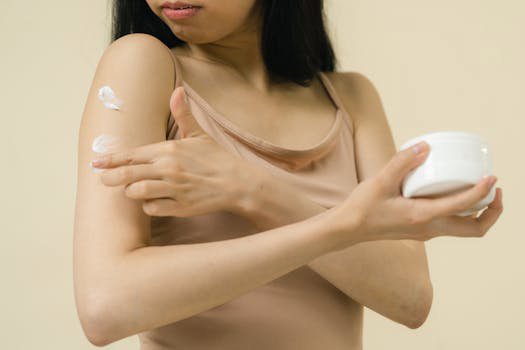
{{IMAGE:woman applying fragrance-free body lotion at home}}Read your label like a pro: red flags and green lights
You can’t control your skin’s triggers, but you can control your formula. Start with the ingredients list. Put these on your “skip” list if your skin reacts often:
- Added fragrance and parfum, including “aroma.” Even “unscented” products can hide masking fragrance.
- Essential oils and fragrant extracts: citrus, peppermint, eucalyptus, tea tree, rosemary, lavender, menthol, cinnamal.
- Harsh preservatives linked to contact allergies: methylisothiazolinone (MI), methylchloroisothiazolinone (MCI), and some formaldehyde releasers.
- Strong acids at body strengths: high AHA blends or high salicylic acid if your barrier feels compromised.
- Bright dyes and colorants in daily-use body care.
Now look for barrier builders and simple hydrators. These play well on sensitive skin:
- Humectants: glycerin, hyaluronic acid, propanediol.
- Occlusives: petrolatum, dimethicone, mineral oil, squalane.
- Barrier lipids: ceramides (NP, AP, EOP), cholesterol, fatty acids.
- Soothers: colloidal oatmeal, allantoin, panthenol, bisabolol, madecassoside.
- Urea up to 10% for smoothing without strong sting. Patch test first.
If you want to browse options that already strip back fragrance and extras, start in our Body Lotions and Body Creams categories. Filter for “fragrance-free” and check retailer stock with a click. Our product pages show which stores carry it, so you can compare before you check out.
Lotion vs cream vs balm: choose by climate and routine
Texture decides comfort. It also decides compliance. If your skin feels sticky, you won’t reapply. If it feels tight by noon, the formula runs too light for the weather.
Lotion suits humid months or oilier zones. It packs more water and fewer occlusives. It sinks quickly and layers well under clothing. Cream adds oil and soft occlusives for a richer feel, which helps through office air conditioning and furnace heat. Balm turns up the occlusion with petrolatum or heavy butters. It traps water and shields chafed zones.
Match texture to season. In summer, keep a light lotion for arms and add cream to legs. In winter, use a cream as your base and spot-treat flaky patches with a balm. Apply within three minutes of toweling off. Skin holds onto hydration when you seal it early. Reapply to hands and shins at night.
Packaging matters for sensitive skin. Pumps keep bacteria out and speed the routine. Tubs work for thick creams and balms. If you choose a tub, use a clean spatula to scoop. Close the lid tight. That small habit cuts risk of contamination by a lot.
Fragrance-free best bets by tier and retailer
Mass-market has strong options that keep skin calm without padding the label. Vanicream Moisturizing Lotion skips fragrance, dyes, lanolin, and formaldehyde releasers. It has a short list and a loyal following for a reason. CeraVe Moisturizing Cream adds ceramides and hyaluronic acid in a thick base. It layers under clothing without pilling. Eucerin Advanced Repair Fragrance Free uses urea and ceramides to smooth rough patches. Aveeno Skin Relief Fragrance-Free leans on colloidal oatmeal to comfort itch and tightness.
Derm-store favorites also deliver. La Roche-Posay Lipikar Balm AP+ packs shea butter and niacinamide in a soothing base. First Aid Beauty Ultra Repair Cream relies on colloidal oatmeal and shea butter and often sits on promo at Ulta and Sephora. Paula’s Choice Daily Replenishing Body Cream (Fragrance Free) keeps to a simple barrier-first edit. Bioderma Atoderm Intensive Baume and Avène XeraCalm A.D Lipid-Replenishing Balm target very dry, reactive skin and show up often at Amazon and select drugstores.
Prestige can feel plush without flashy scent. Clinique has long stayed away from added fragrance in skincare. Its body butters track with that DNA and suit women who want thicker texture with fewer possible triggers. If your routine leans more natural, tread carefully with botanicals. Many “clean” body butters rely on essential oils for scent. That choice reads well on a label but can rile sensitive skin. That includes some lines from The Body Shop, which often smell great but may not suit reactive arms and legs.
We see the same formulas bounce between shelves every week. One week Target carries your pick with a gift-card promo. The next week CVS runs a buy-more-save-more event. Before you decide, open our Body Lotions page, compare retailers, then add your choice to a wishlist. We send a price-drop alert when a better offer lands.
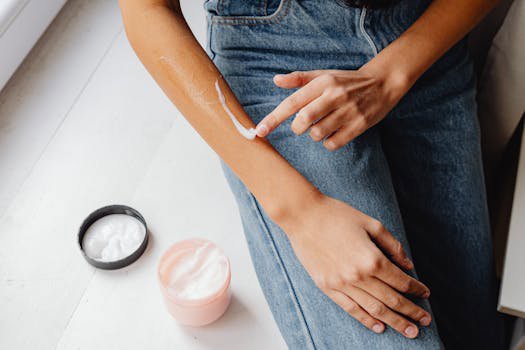
{{IMAGE:close-up of woman with sensitive skin moisturizing legs}}If you’re dealing with eczema or a compromised barrier
Sensitive skin and eczema share triggers but need different guardrails. If your dermatologist mentioned atopic dermatitis, think balms and ointments first. They reduce water loss and shield micro-cracks while the barrier resets. Look for ceramides, cholesterol, and petrolatum high on the list. Keep exfoliants and strong actives off the menu until the skin calms.
Colloidal oatmeal, panthenol, and shea butter help with itch signals. La Roche-Posay Lipikar Balm AP+, CeraVe Healing Ointment, and Vaniply Ointment slot in as night care for shins, elbows, and hands. Avoid long hot showers. Lukewarm water and a short cleanse protect the barrier more than any fancy ingredient can.
Watch the seal. The National Eczema Association has a label for products that meet a stricter bar on known irritants. It does not guarantee a perfect match for you, but it narrows the field. Patch test every new product on the inner arm or behind the knee for three nights in a row before going full body.
When in a flare, simplify to two steps: a gentle, unscented body wash and a thick cream or balm. Rebuild first. Tweak later.
When gentle exfoliation helps rather than hurts
Many women with “sensitive” skin also see bumps on arms and thighs. Keratosis pilaris looks like tiny plugs around follicles. You don’t buff it off with a scrub. You soften the plugs and support the barrier so new ones loosen more easily.
Two ingredient families help: lactic acid and urea. Lactic acid at low strengths smooths without the bite of glycolic acid. Urea at 5–10% hydrates and exfoliates at the same time. Both can sting if your barrier sits inflamed. Patch test first. If it tingles more than a minute, rinse off and wait a few days.
Use a two-night cycle when you start. Night 1: apply a lactic or urea lotion to damp skin on bumpy zones only. Night 2: switch to a bland, fragrance-free cream. Keep that rhythm for two weeks. Then decide if you want to add a third bland night. The goal is softer texture without redness.
Avoid scrubs with nut shells or high fragrance. They scratch and irritate without real payoff. If you want to learn more about exfoliation strategies and product types, our Face Exfoliants category explains acid types and strengths. The same principles apply below the neck. Choose low and slow.
Body lotion with SPF: mineral vs chemical for sensitive skin
Year-round SPF on exposed areas matters if redness is your norm. UV exposure fuels irritation and hyperpigmentation. You can pick a body lotion with built-in SPF for mornings, then use a dedicated sunscreen on long outdoor days.
Mineral filters (zinc oxide, titanium dioxide) tend to suit sensitive skin. They sit on skin and reflect UV. They can leave a cast on deeper skin tones, so test on the forearm first. Chemical filters absorb UV and can feel lighter. Some women react to specific filters. If your face hates one, your body might too. Keep a small test patch for two days before you commit.
Look for “broad-spectrum” and SPF 30 or higher. Apply a shot-glass amount for full body when you plan sustained sun. Reapply every two hours outdoors. Choose fragrance-free formats if your skin flushes easily. Options to look for: mineral body lotions from Aveeno Sensitive Skin, Eucerin Sensitive Mineral, and La Roche-Posay Anthelios Mineral. You’ll find a wider range on our SPF Protection Products page, with retailer comparisons and alerts.
Pro tip for busy mornings: layer a regular body lotion first if you need extra moisture, then add SPF on top to reach the full amount. The feel improves and you still get coverage.
Special cases: pregnancy, post-shave, and post-procedure
Hormones shift skin behavior in pregnancy and postpartum. Many women report more irritation, redness, or itch. Stick to fragrance-free moisturizers with straightforward bases. Avoid retinoids on the body and keep salicylic acid low unless your clinician okays it. Soothers like oatmeal, panthenol, and glycerin work well during this time.
Post-shave skin has micro-nicks and a raised pH. Skip acids for 24 hours. Choose a bland lotion or cream, then seal with a thin layer of dimethicone or petrolatum if you get razor burn. Colloidal oatmeal can tame itch on the bikini line. If ingrowns visit often, address technique with a sharp razor and light pressure rather than chasing them with stronger actives on reactive skin.
After in-office body treatments, follow your provider’s plan. In general, avoid exfoliants and fragrance for a week while the barrier resets. Keep showers short and lukewarm. Moisturize twice daily with your gentlest cream.
If you prefer brand families you already trust for facial care, you can browse options from lines known for soothing formulas, like Clinique, alongside drugstore staples. Our price tracker shows face-first brands often run body promos during facial skincare events. It pays to check.
Build a calm body routine and buy smart
A routine you follow beats a perfect plan you quit. Keep it short and repeatable. Use a gentle, unscented body wash. Rinse well. Pat, don’t rub. Within three minutes, apply your lotion or cream. Spot-treat flaky patches with a balm at night. That’s it.
Want extra slip without scent? Add a few drops of squalane oil over your lotion on legs. Or mix a little into your palm right before you apply. Oils go last. They seal, not hydrate. If you want to test unscented cleansers and body washes, check our Shower Gels & Body Washes page. Pairing a low-irritant cleanser with a low-irritant lotion gives your barrier a real break.
Storage and packaging help more than you think. Keep bottles closed and out of direct sun. Don’t top up half-finished bottles with a new batch. Use them up before you open the next one. Pumps reduce air exposure and win for busy mornings.
Stretch your budget with timing. Our data shows body-care promos cluster around colder months at drugstores and around storewide events at prestige doors. Before you buy, open the product on GlamGeek. We show stock across retailers and price history where available. Add it to your wishlist for a heads-up when it drops. That way you can keep the routine steady without paying extra for the same formula.
Product short list: what we rate and why
Here are formulas women with reactive skin often keep and rebuy. They skip scent, lean on barrier science, and show up at multiple US retailers:
- Vanicream Moisturizing Lotion: Short list, free from common irritants, pump format. Great for arms, hands, and kids’ bath-side use.
- CeraVe Moisturizing Cream: Ceramides and HA in a thick base. Works on shins and heels in winter. Tub size stretches the dollar.
- Eucerin Advanced Repair Fragrance Free: Urea plus ceramides for rough texture. Smooths without heavy fragrance or dyes.
- Aveeno Skin Relief Fragrance-Free: Colloidal oatmeal comforts itch. Good for post-shave and post-shower tightness.
- La Roche-Posay Lipikar Balm AP+: Shea and niacinamide in a rich, non-greasy base. Strong for eczema-prone shins and hands.
- First Aid Beauty Ultra Repair Cream: Oatmeal and shea, easy to find at Sephora and Ulta. A reliable winter workhorse.
- Bioderma Atoderm Intensive Baume: Rich texture with a minimalist list. Suits very dry, reactive legs.
- Avène XeraCalm A.D Lipid-Replenishing Balm: Soothing, thick, and designed for reactive skin.
- Paula’s Choice Daily Replenishing Body Cream (Fragrance Free): Simple barrier-first formula that layers under clothing.
- Clinique body butter options: Fragrance-free approach and thicker textures for winter legs.
We don’t list every option here because stock and pricing change weekly. Head to our Body Lotions category to see what’s in stock now at Sephora, Ulta, Target, Amazon, Nordstrom, CVS, and Walgreens. Use the wishlist button on any product to lock in a price-drop alert before your next refill.
Common myths we can retire
“Unscented” means safe. Not always. Brands can add masking fragrance to hide a base smell and still label it unscented. Look for “fragrance-free” instead and check the list.
Natural equals gentle. Essential oils are natural. They also top allergy lists. Sensitive skin cares less about the origin and more about the molecule. Choose formulas that skip the usual plant aromatics if your skin acts up.
Expensive equals better. Our feed shows dozens of fragrance-free picks under prestige prices that outperform on comfort. You pay for texture and packaging at higher tiers. That can be nice. It doesn’t always buy you less irritation.
Body skin can handle more than face. Sometimes yes. Often no. Thighs and arms can react like cheeks when the barrier breaks. If your face hates a filter or scent, don’t assume your body will love it.
What this means for your routine and your wallet
Build a body routine that respects triggers and the season. Pick fragrance-free bases. Choose lotion for humidity, cream for office air and winter, and balms for hot spots. Add gentle urea or lactic acid only if bumps bother you and your barrier feels calm. Patch test everything new for three nights. You can avoid a week of redness with ten minutes of patience.
Use our comparison tools to cut the cost without cutting comfort. We track prices across Sephora, Ulta, Target, Amazon, Nordstrom, CVS, and Walgreens. Many of the best formulas sit on multiple shelves. That overlap gives you leverage. Open the product page on GlamGeek, scan the offers, and hit wishlist to get an alert when it dips. Plan bigger refills around spring and holiday events. Keep a travel tube at work or in your bag so you actually reapply.
Tell us what your skin needs next
What sets your skin off: fragrance, essential oils, or over-exfoliation? Do you live in the humid South, the dry West, or a cold Northeast winter? Which texture keeps you consistent? Share in the comments. Then build a shortlist in our Body Lotions hub, add your picks to a wishlist, and we’ll send the price-drop heads-up before your next bottle runs out.