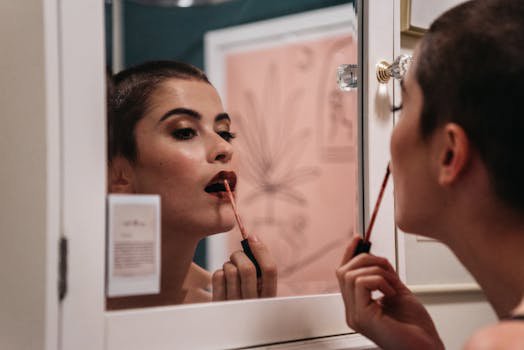
I’ve never seen beauty trends split into two camps so fast: “more steps, more stuff” versus “I want results, not clutter.”
And if you’ve been scrolling 2026 trend roundups, you’ve probably noticed the same tension. One headline pushes glossy, maximal color. Another pushes scalp care like it’s skin care. Meanwhile, brands keep launching “grip” primers for everything from makeup to hair.
My verdict: a lot of 2026’s trend talk sounds new, but the best parts come down to basics done better. Barrier-first skin, repair-first hair, and makeup that looks intentional in real life lighting.
Where these 2026 trends are really coming from
Beauty trend coverage has gotten more data-driven since 2024, and by 2026 that shows. Publications track search spikes, “wishlists,” and sell-through. Trade shows like Cosmoprof Bologna still matter because they preview what brands will push six to twelve months later.
That’s why you keep seeing the same themes repeat across outlets: scalp health, “upgrade” textures, and color cosmetics swinging back to playful. It isn’t conspiracy. It’s the pipeline.
Also, we’re in a value era. Inflation fatigue made women ruthless shoppers. We want products that do more than one job, or at least do one job perfectly. GlamGeek’s price tracking shows the same pattern I see in my DMs: people wait for drops, buy minis, and stick with staples when something works.
So I’m not going to recap the headlines. I’m going to tell you which trends actually change your day-to-day routine, and which ones belong in the “cute online” folder.
Trend: “Barrier first” skin care (worth it, but simplify it)
If 2026 had one skin care thesis, it’s this: irritated skin doesn’t glow. It flakes, stings, and breaks out in ways that look like “random texture.”
Barrier care sounds vague, so here’s what I mean in plain English. Your skin barrier relies on lipids (ceramides, cholesterol, fatty acids) plus water-binding ingredients (glycerin, hyaluronic acid, urea). When you over-exfoliate or stack too many actives, you lose water faster and you get reactive.
My practical routine when your face feels tight by noon:
- Cleanse with a gentle wash at night only if you’re dry or sensitive. Look at Foam & Wash Cleansers and pick something non-stripping. I rotate CeraVe Hydrating Facial Cleanser or La Roche-Posay Toleriane Hydrating Gentle Cleanser.
- Hydrate with a simple serum. I like The Ordinary Hyaluronic Acid 2% + B5 when I want cheap and straightforward.
- Seal with ceramides. CeraVe Moisturizing Cream works on face and body. If you prefer a lighter texture, Clinique Moisture Surge fits the brief from Clinique.
- Protect daily. Shop your SPF Protection Products like your life depends on it, because your pigment does.
Skip the trend version that looks like: barrier serum, barrier mist, barrier toner, barrier cream, barrier sleeping mask. If your skin barrier feels compromised, fewer products usually fix it faster.
Trend: “K-beauty, but make it practical” (worth it if you pick by ingredient)
K-beauty headlines love a 12-step fantasy. Real life doesn’t. But Korean skin care keeps winning because it nails textures and gentle actives.
Here’s how I shop it without getting played: I pick one goal and one hero ingredient. Then I find the best formula for my budget.
If you want glow without irritation: look for rice, glycerin, and gentle brighteners. Beauty of Joseon Glow Serum (propolis + niacinamide) has a loyal following for a reason. Niacinamide can help with oil control and uneven tone, but it also irritates some women above 5%. If you flush easily, go slow.
If you want calmer skin: centella asiatica (cica) and panthenol help take the edge off redness. I also love a simple toner step when you run dry from tretinoin or winter heat. Browse Face Toners and look for alcohol-free formulas.
If you want “glass skin” makeup behavior: you don’t need ten layers. You need one layer of hydration under a sunscreen that plays well with makeup, plus a base product that doesn’t over-powder your face. Use a thin layer of moisturizer, wait two minutes, apply SPF, wait five minutes, then go in with base.
Skip the trend where you buy a whole shelf because an article told you to. If you want to try sets, choose curated Skin Care Sets so you can test textures without committing to full sizes.
Trend: Scalp health as skin care (worth it, especially if you get oily by day two)
This is the hair trend I keep after the hype fades. A flaky, itchy, oily scalp can ruin your hair goals no matter how expensive your mask is.
Think of your scalp like face skin with more oil glands and more product buildup. When it gets congested, you see itch, odor, and “my roots collapse in 12 hours.”
My routine depends on what’s happening:
- Oily by day two: use a clarifying shampoo once a week, then a gentle daily/regular shampoo the rest of the time. I like Neutrogena Anti-Residue Shampoo as an occasional reset, followed by a good conditioner on mids and ends.
- Flakes + itch: rotate in an anti-dandruff shampoo with an active like pyrithione zinc, selenium sulfide, or ketoconazole. Let it sit for 3–5 minutes. That contact time matters.
- Hard water hair: if your hair feels coated and dull, chelating helps. Look for EDTA or a dedicated chelating wash occasionally. Hard water can also make your scalp feel tight.
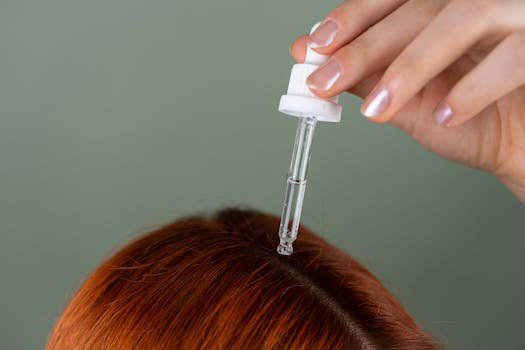
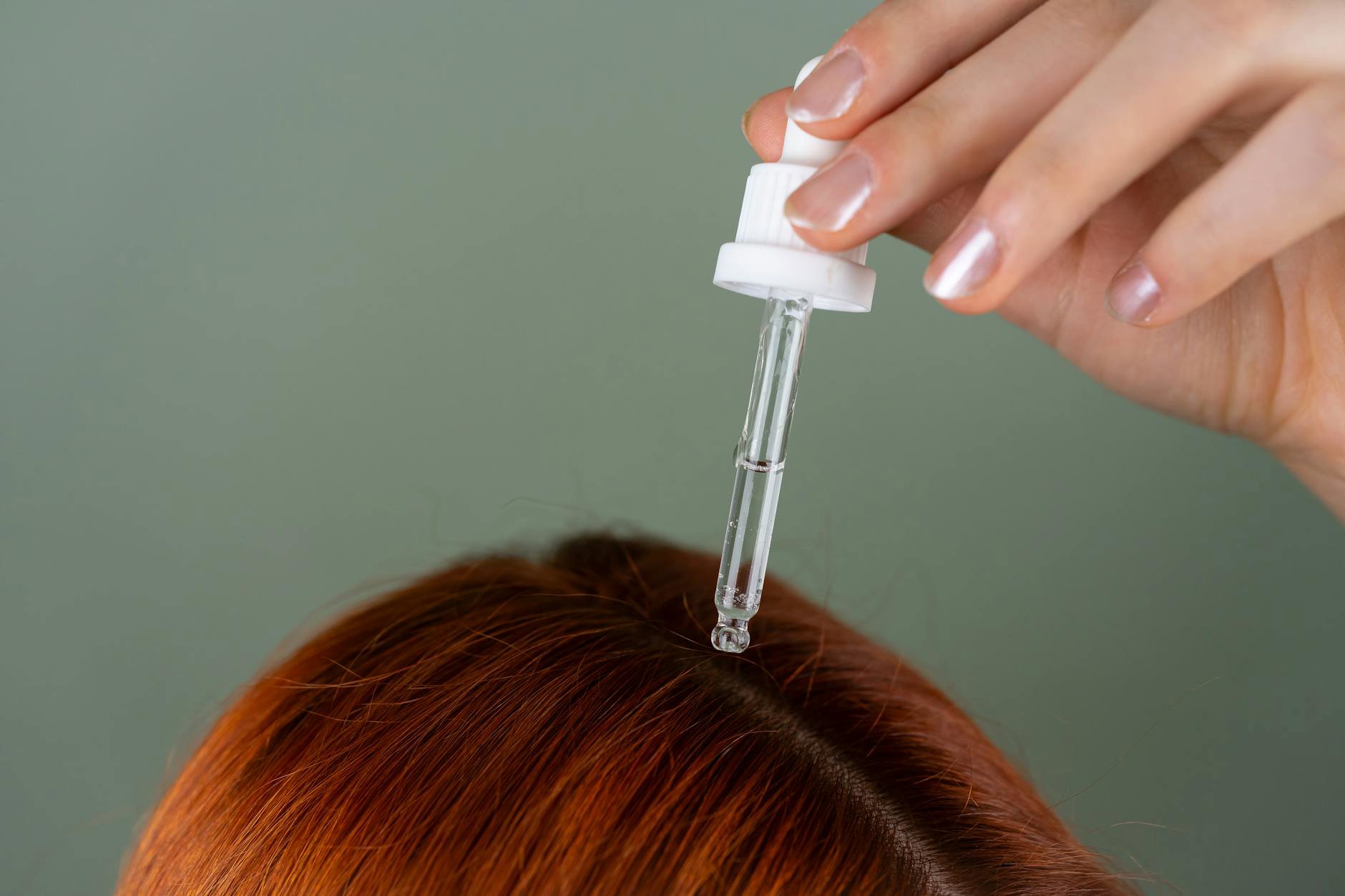
- Protective styles or textured hair: scalp care still counts, but you can do it with targeted applications and gentle cleansing. I like nozzle applicators for getting product to the scalp without roughing up the hair.
For everyday softness, shop Moisturising & Nourishing Shampoos and pair with Moisturising & Nourishing Conditioners. If you want a splurge that genuinely conditions without greasing, Kérastase does that category well.
Skip the “scalp scrub every wash” trend. Physical scrubs can irritate, especially if you already have inflammation. Use chemical exfoliation sparingly, or just clarify less often and massage better.
Trend: Hair repair-first routines (worth it, but pick the right bond tech)
Repair has become the default marketing word, but not all repair products do the same job. Some coat. Some strengthen. Some reduce breakage by changing how the hair fiber behaves.
If your hair snaps when you detangle, you need a routine that reduces friction first. That means conditioner with slip, a wide-tooth comb, and detangling from ends upward. No hero mask fixes aggressive brushing.
Bond-building matters most if you bleach, highlight, relax, or heat-style a lot. Olaplex No.3 Hair Perfector still makes sense for many women, and K18 Leave-In Molecular Repair Hair Mask has a devoted fan base for a reason. They don’t feel the same on every hair type, though. Fine hair often prefers lighter leave-ins and fewer layers.
My “repair-first” wash day looks like this:
- Shampoo the scalp twice if you use heavy stylers.
- Condition mids-to-ends every wash.
- Use a treatment 1–2 times weekly, not daily. Browse Hair Masks and match the formula to your texture.
- Finish with a heat protectant if you blow dry or flat iron.
Skip the trend of layering three “repair” products plus a heavy oil if your hair goes limp. If your waves fall flat, you’re not under-repairing. You’re over-coating.
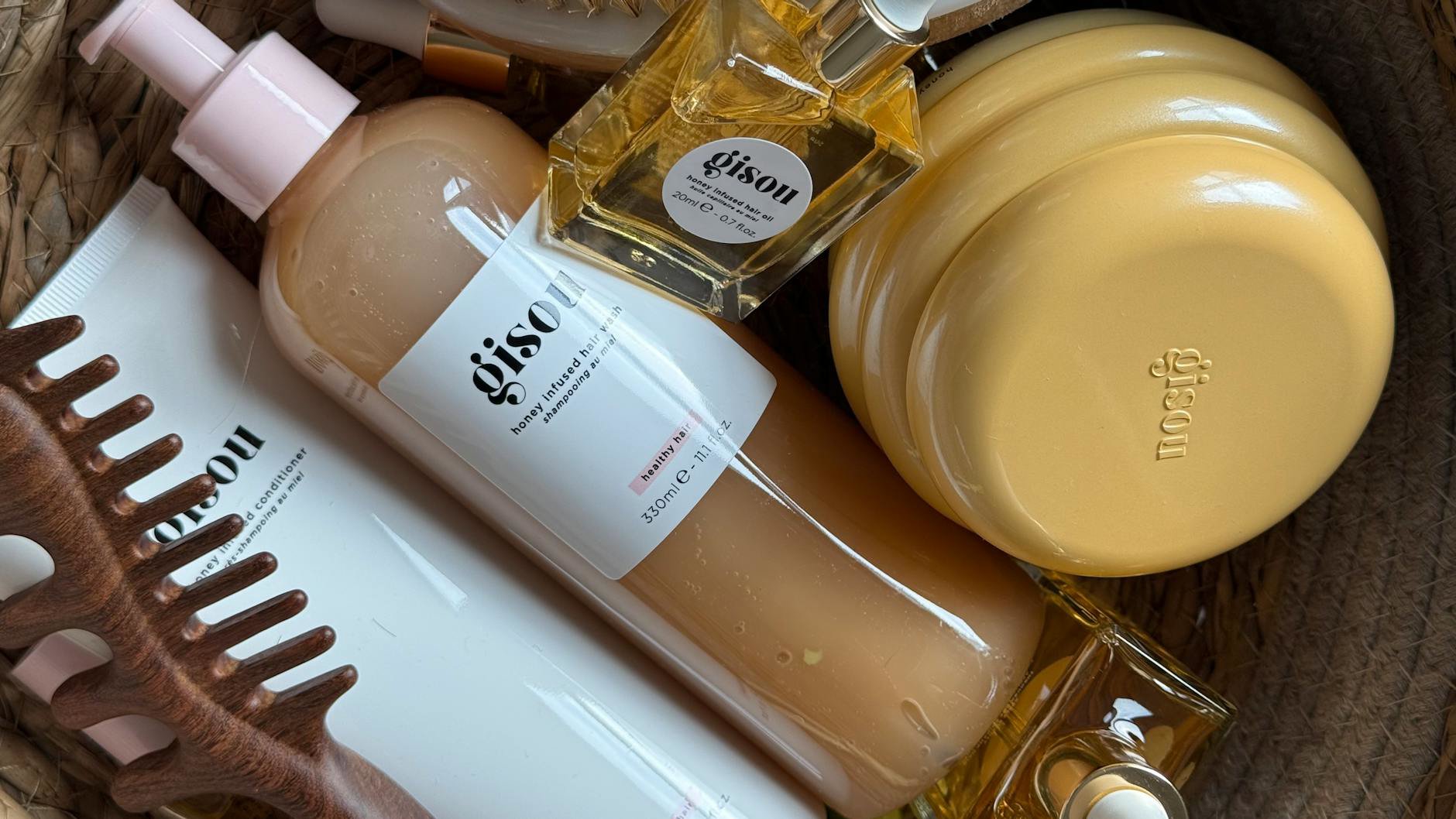
Trend: Grip everything (makeup primer, hair styling) (mixed—good for longevity, bad for texture)
The “grip” obsession makes sense. Women want makeup that survives commutes, office heat, and real faces that move.
But grip products can also feel tacky, pill under sunscreen, or emphasize dry patches. If you’ve ever had foundation ball up around your jaw, you’ve met incompatible layers.
Here’s how I make grip primers work:
- Give skin care time. Two minutes after moisturizer, five after SPF. If you rush, you get pilling.
- Match base to primer. Water-based foundation often behaves better over hydrating layers. Silicone-heavy bases can slip over sticky primers.
- Use less. A pea-size primer can cover the center of the face.
- Press, don’t rub. Especially around the nose.
I like e.l.f. Power Grip Primer for wear time, and I also like that it stays accessible at drugstore retailers like Target and Ulta. If you want a more smoothing, pore-blur feel, I look at Face Primers across finishes and pick based on skin type.
Skip grip if you’re very dry or you wear dewy base products and hate any tack. You’ll fight your own face all day.
Trend: The 2016 makeup comeback (worth it if you modernize the texture)
Yes, some 2016 energy has returned. Sharper liner, more obvious blush, and lips that look deliberate again. I don’t hate it.
I do hate when it comes back with 2016 formulas. Old-school matte liquid lipstick can feel like shrink-wrap by lunch. If you love a matte look, pick a modern comfortable matte and prep your lips properly.
My lip routine for a clean, not-crusty matte:
- Apply a thin layer of balm, then blot. Look at Lip Balms & Creams for basics you’ll actually use.
- Line with a pencil that matches your natural lip edge.
- Tap on lipstick in two thin layers, not one thick coat. Shop Lipsticks by finish.
- Press tissue once, then reapply only where needed.
If you want a comfortable drugstore matte, NYX makes reliable lip options. If you want a splurge bullet lipstick that still feels plush, Charlotte Tilbury has iconic shades that photograph well without looking chalky.
For eyes, I like a “one and done” shadow with a satin finish. It reads modern, even with a 2016-inspired wing. Browse Eye Shadow Palettes if you want options, but you don’t need a 30-pan situation.
Skip baking and heavy under-eye powder unless you love the look. Most women see more creasing, not less, by hour four.
Trend: Colorful vibe shift (worth it, and it’s cheaper than you think)
When skin care feels serious, makeup swings playful. That’s 2026 in a sentence.
I love a color trend because you can try it without redoing your whole face. One bold element changes your mood fast: a bright lip, a pop liner, a single vivid shadow.
Here are low-commitment ways I see women wearing color right now:
- Statement lip + bare eyes. Keep skin sheer and brows brushed up. Let the lip do the work.
- Colored liner on the top lash line. Navy reads softer than black but still defines.
- Monochrome blush-to-lid. Tap your blush onto lids for a cohesive look.
- Gloss that isn’t sticky. A comfortable gloss makes even “no makeup” look intentional. Shop Lip Glosses when you want the easiest trend adoption.
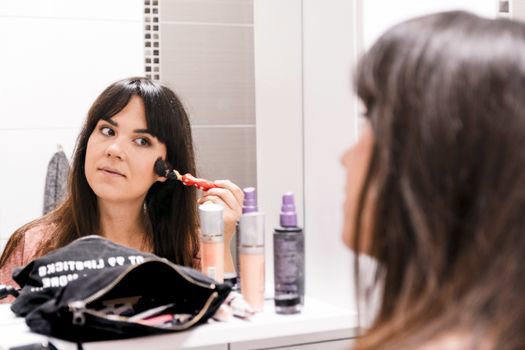
If you want affordable color, I always check Revolution and KIKO for playful shades and tools that don’t feel precious. For brushes, don’t guess. A dense synthetic brush and a fluffy blender handle most looks. Browse Makeup Brushes & Applicators and start with two workhorses.
Skip buying a rainbow palette if you only wear neutrals. Buy one shade you’ll use weekly. That’s how a trend becomes a habit.
Trend: “More bang for your buck” routines (worth it, and it’s how you stop impulse buying)
This is the trend underneath every other trend: women want efficiency. Not minimalism as an aesthetic. Efficiency as a survival skill.
I build value routines by choosing one “investment step” and keeping everything else boring. Investment can mean money, time, or sensory pleasure. You pick.
Examples that work in real life:
- Skin: spend on a sunscreen you’ll wear daily, then keep your cleanser and moisturizer basic. Pair a simple Day Face Moisturisers option with a dependable Night Face Moisturisers if you run dry.
- Anti-aging: pick one active and stick to it. Retinoids at night or vitamin C in the morning. If you shop Anti Ageing Face Serums, don’t buy three “brightening” serums at once. You won’t know what works.
- Makeup: choose one base product you love and one mascara you trust. Browse Mascaras and replace it on schedule. Old mascara causes irritation and weird clumps.
- Hair: one great conditioner plus one weekly mask beats a shelf of half-finished bottles.
If you like prestige, I get it. I love the experience of Guerlain and Shiseido packaging as much as the next woman. But I still want the formula to earn its spot.
Skip “trend collecting.” If you can’t explain what a product does in one sentence, it’s clutter.
What this means for your routine right now
If you feel overwhelmed by 2026 trend coverage, you’re not behind. You’re just seeing the firehose version of beauty.
My practical takeaways: prioritize barrier support, treat your scalp like it matters, and modernize makeup textures instead of copying old looks exactly. Add one fun color item if you want a mood boost. Keep the rest stable.
And when you want to shop smarter, use price history like a filter. GlamGeek’s price tracking shows when staples dip, which helps you restock without panic-buying during every “viral” moment.
Tell me what you’re tempted by
Which 2026 trend keeps following you around: scalp care, grip primers, K-beauty, or the colorful makeup swing?
And what do you want me to test next—an affordable routine, a prestige splurge, or a side-by-side comparison?