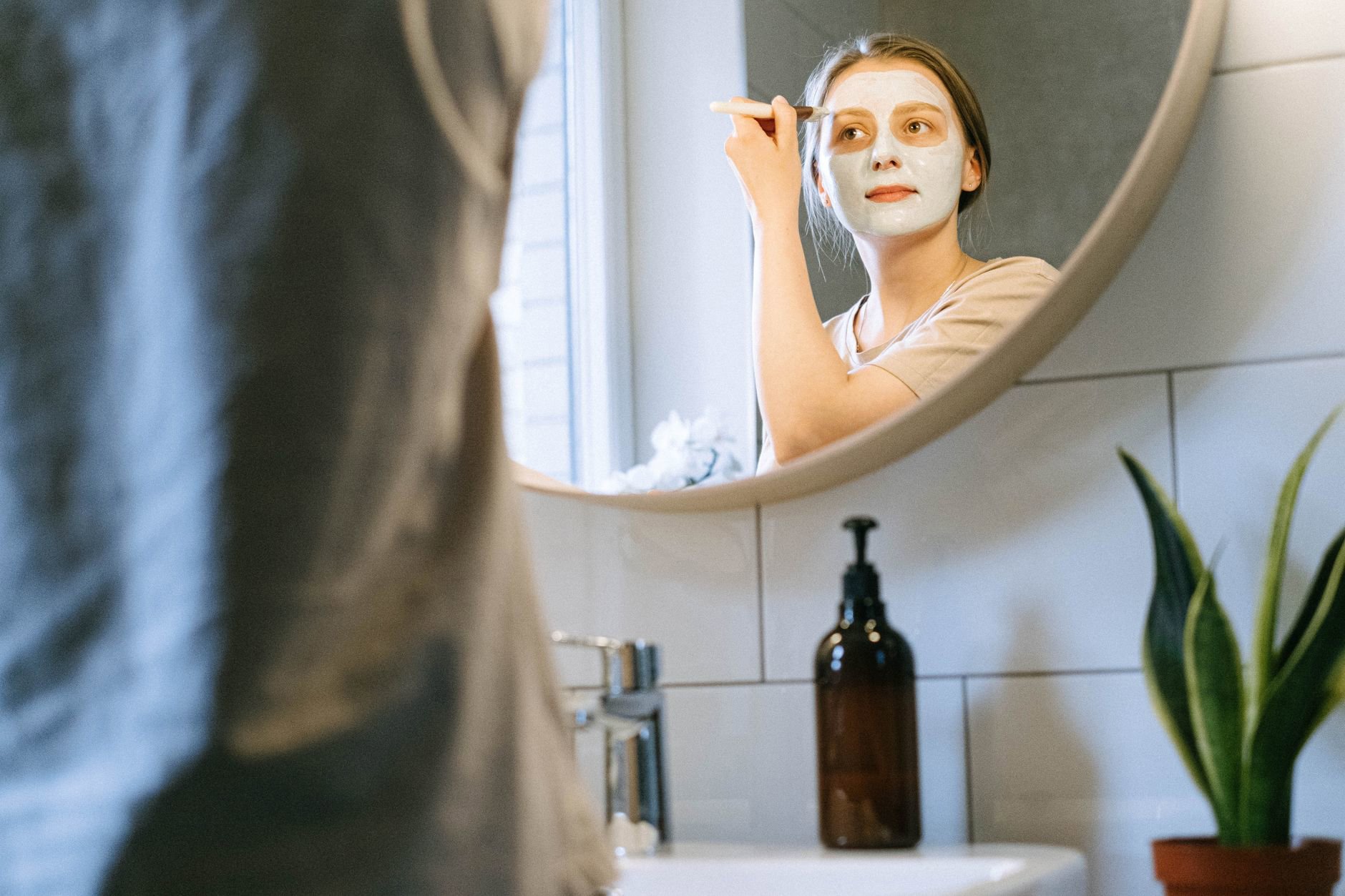
K-beauty content keeps getting louder, but the routines keep getting shorter.
That tension shows up across US headlines this summer: editors love the novelty, but the trends that stick look a lot like “use fewer steps, choose better formulas.” Brit + Co’s “Skip the 12-Step Spiral” framing captures it, and it lines up with what we see in shopping behavior across our merchant feed: women don’t mind trying a new texture, but they hate waste, clutter, and products that don’t layer well.
So we’re taking the K-beauty conversation out of fantasy-routine territory and into real-life US routines: which 2026 trends actually earn a spot, which ones we’d skip, and how to buy smart when prices bounce around between Sephora, Ulta, Amazon, and K-beauty specialists.
Angle we’re taking: news-led. The “use fewer steps” K-beauty trend has real momentum in US coverage right now, and it leads to concrete buying decisions.
The trend that matters: K-beauty gets practical
US coverage keeps circling the same idea: K-beauty is done selling a 12-step identity, and it now sells precision. That means fewer products, more multifunction formulas, and routines that don’t collapse the minute you add sunscreen or makeup.
This shift also matches broader “skinimalism” messaging we’ve seen in US trade coverage. Marketing still loves the “glass skin” promise, but buyers now ask tougher questions: Will it pill under SPF? Will it sting when the weather turns dry? Does it play well with a retinoid night? Those questions matter more than the trend name.
Our price tracker shows another reason this trend sticks: when shoppers cut steps, they reallocate spend. They’ll buy one better sunscreen serum, or one higher-end cream, instead of five “nice-to-haves.” You can see the exact pattern in the way premium treatment products hit 12‑month lows while budget basics keep steady demand.
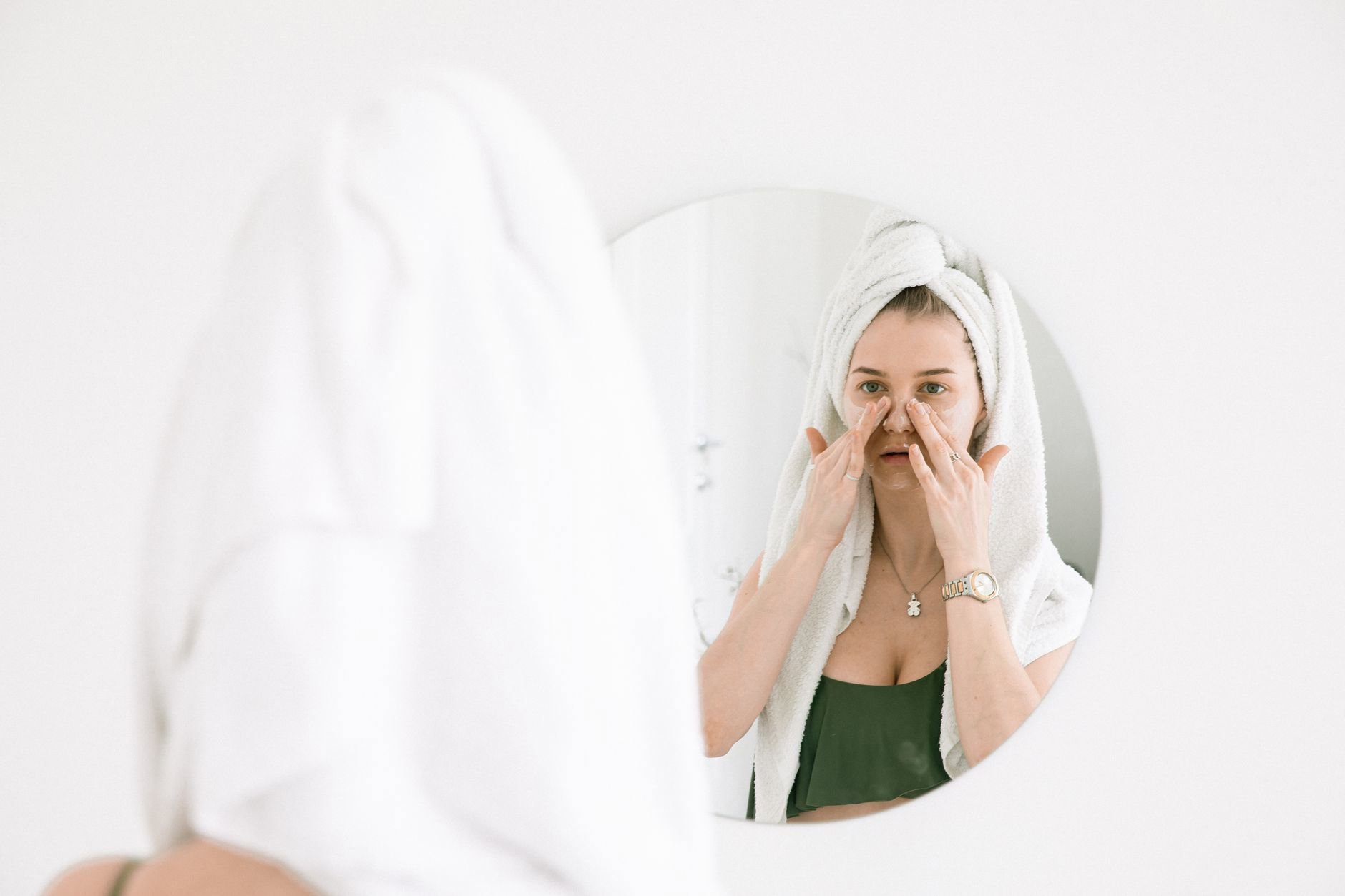
None of this requires chasing every import-only drop. A smart 2026 K-beauty routine can use any brand available in the US, as long as it follows the same logic: calm, hydrate, protect, and only then add actives.
Build the 2026 K-beauty routine in 4 steps (not 12)
Here’s the framework we’d use for most women who want K-beauty results without K-beauty clutter. It borrows the K-beauty emphasis on gentle layers, but it respects US realities like strong sunscreens, dry indoor heat, and makeup wear.
Step 1: Cleanse without stripping. If you wear long-wear base or a lot of SPF, use an oil or balm first, then a gentle water-based cleanser. If you don’t, skip straight to a non-stripping wash. The goal isn’t squeaky-clean; it’s comfortable skin. If you want category browsing, our Foam & Wash Cleansers page makes it easy to compare options across retailers.
Step 2: Hydrate with one flexible layer. Think toner-essence-serum hybrids. In humid climates, one layer can replace two products. In dry climates, you can repeat the same layer twice instead of buying another bottle. This is the “short routine” hack that actually works.
Step 3: Treat with one active at a time. K-beauty routines often look gentle, but US shoppers stack acids, retinoids, and vitamin C until skin rebels. Pick one “job” per night: texture, tone, or breakouts. If you want to shop by function, our Anti Ageing Face Serums hub helps you filter fast.
Step 4: Seal and protect. Morning means sunscreen. Night means a moisturizer that matches your climate. If your face gets tight by 3 p.m., your “hydration steps” aren’t the problem; your seal step is.
That’s the core routine. Everything else sits in the “optional” bucket, which is where trends should live until they prove themselves.
Trend worth it: sunscreen-serum hybrids (but only if they layer)
Among K-beauty-adjacent trends, the one we see women keeping is the sunscreen that feels like skin care. It makes sense: daily SPF remains the highest-impact “anti-aging” step, and the easier it feels, the more often it gets used.
From our price intelligence feed this week, The Ordinary UV Filters SPF 45 Sun Protection Serum sits at $13.80 at lookfantastic, with a 5.0/5 rating in the feed. That price matters because it lowers the barrier to wearing enough product. Plenty of women underapply expensive SPF to “make it last,” which defeats the purpose.
What to look for in a sunscreen-serum hybrid:
- No pilling under makeup. Give it 60–90 seconds before foundation.
- Compatible texture with your moisturizer. If both are silicone-heavy, you increase pilling risk.
- Real dosing. Two fingers’ length for face and neck remains the simplest guideline.
- Eye comfort. If it stings, it won’t become your daily habit.
Two US-shopping notes. First, Sephora and Ulta stock plenty of elegant SPFs, but price swings happen most around seasonal promo events. Second, Amazon can be convenient, but we’d rather see shoppers compare listings carefully and stick to reputable storefronts. If you want a broader browse, our SPF Protection Products category keeps options organized.
Trend worth it: barrier-first moisturizers and “lazy slugging”
The “back to basics” skincare narrative keeps winning because women keep dealing with irritated skin. Over-exfoliation never really went away; it just rebranded itself every year.
K-beauty’s best contribution here isn’t a single hero ingredient. It’s the idea that barrier support sits at the center of good skin. Barrier-first products often lean on glycerin, ceramides, cholesterol, fatty acids, and soothing agents like panthenol. They also avoid the “tingle means it works” trap.
One data point jumps off our feed: Eucerin Atocontrol Balm shows at $280.00 at Dermstore and ranks as a 12‑month low. That’s a striking price for a body-care-adjacent brand, and it signals a simple truth about the market: retailers discount even familiar names when inventory strategy shifts. If you love a barrier balm texture, watch pricing rather than assuming “drugstore brand” always means low price.
How to do “lazy slugging” without waking up greasy:
- Use your normal moisturizer first, then press a thin layer of balm or ointment on dry patches only.
- Skip the nose and chin if you clog easily.
- Do it 2–3 nights a week in dry weather, less in humid climates.
- Keep actives simple those nights.
If you’re building a daytime routine, focus on comfortable textures from Day Face Moisturisers. For night, prioritize sealing and repair with Night Face Moisturisers that don’t fight your sunscreen the next morning.
Trend we’d skip: kitchen-sink DIY “hacks” and harsh powders
Not every viral trick deserves a spot in a 2026 routine. DIY hacks keep resurfacing because they feel “simple” and “natural,” but skin doesn’t care about the vibe. Skin cares about pH, abrasion, and contact time.
One example that keeps popping up in social cycles: baking soda for cleansing or exfoliating. US medical coverage has flagged the risk here for a reason. Baking soda sits at a high pH, which can disrupt the acid mantle and trigger dryness, irritation, and rebound oiliness. That’s not a “purge.” That’s a barrier problem.
If you want the effect these hacks promise—smoother texture, fewer visible flakes—use controlled, cosmetic-grade options:
- Gentle chemical exfoliation 1–3 times weekly, adjusted for sensitivity.
- Hydrating masks instead of gritty scrubs. Browse options in Face Masks.
- Barrier moisturizers before you chase glow.
- Consistent sunscreen so your “results” don’t reset.
The K-beauty-adjacent takeaway: you can still keep the fun parts (textures, layering) without turning your face into a science fair. The practical version of K-beauty has guardrails.
Trend worth it: overnight retinol—if you control the schedule
Retinoids never stop trending, but 2026 coverage pushes a more realistic message: use them like a long-term plan, not a 10-day sprint.
In our current price feed, Revolution Retinol Overnight Cream lists at $17.00 at Revolution Beauty with a 5.0/5 rating. We like this type of price point for retinol because it encourages a key behavior: starting slow and sticking with it. The most expensive retinoid does nothing if it sits unused because it irritates on night one.
A schedule that works for many women:
- Weeks 1–2: 2 nights per week, moisturizer first if you’re sensitive.
- Weeks 3–4: 3 nights per week if skin feels calm.
- After month 1: increase only if you truly need it.
- Always: sunscreen every morning.
Two pairing rules keep you out of trouble. Don’t stack retinol with strong exfoliating acids in the same routine, and don’t add three new products at once. K-beauty’s best routines look “minimal” because they stay consistent.
Trend worth it: hair “skinification” (start with mask textures)
K-beauty influence doesn’t stop at skin care. US coverage also points toward haircare that borrows skin logic: gentle cleansing, targeted treatments, and moisture that doesn’t feel heavy.
Our feed includes a straightforward, budget-friendly entry point: Garnier Ultimate Blends Nourishing Hair Food at $9.19 at lookfantastic with a 5.0/5 rating. This type of product fits the 2026 “actually use it” standard because it works like a multi-tasker: conditioner, mask, or leave-in depending on your hair’s dryness level.
How to use mask textures without greasiness:
- Start with a dime-to-quarter-size amount for shoulder-length hair.
- Apply from mid-lengths to ends first, then use what’s left on the crown.
- Rinse more thoroughly if you have fine hair.
- Use as a leave-in only on the last 2–3 inches if you frizz easily.
If you want to compare options across retailers, start with our hubs for Moisturising & Nourishing Shampoos and Moisturising & Nourishing Conditioners. K-beauty’s influence here looks less like a specific brand and more like a feel: soft, hydrated, and not crunchy.
Trend adjacent but real: the “value” reset (watch 12-month lows)
While K-beauty headlines focus on routines, the industry story underneath looks like value pressure. Trade coverage has hammered “sustainable value,” but the practical effect for US shoppers shows up as discounts, channel shifts, and a bigger spread between list price and what women actually pay.
Our price tracker flags several prestige items at 12‑month lows right now. These aren’t K-beauty products, but they matter because they compete for the same budget as a multi-step routine:
- Clé de Peau Beauté La Crème — $645.90 at lookfantastic (12‑month low)
- 111SKIN Celestial Black Diamond Emulsion — $287.50 at lookfantastic (12‑month low)
- Valmont Regenerating Mask Treatment — $170.00 at Dermstore (12‑month low)
We’re not suggesting most women should buy any of these. We’re saying this: if you feel tempted to “try everything” in a trend cycle, check whether the money would serve you better in one high-impact category (usually sunscreen, a retinoid, or a moisturizer that truly works in your climate).
If you do shop prestige, shop it like a spreadsheet. Compare retailers, wait for true lows, and avoid paying full price out of habit. For women who like a mask step, our category page for Face Masks helps you cross-shop quickly.
This value reset also explains why “short routines” resonate. When women spend intentionally, they demand products that finish, not products that clutter.
What this means for your routine (and your cart)
K-beauty in 2026 succeeds when it acts like a filter, not a shopping list. The useful trends push you toward fewer steps, calmer skin, and better layering with SPF and makeup. The noisy trends push you toward random “hacks” and duplicate products that fight each other.
Our practical takeaways:
- If you change one thing, make it daily SPF. In our feed, The Ordinary UV Filters SPF 45 Sun Protection Serum sits at $13.80 at lookfantastic with a 5.0/5 rating.
- If your skin feels reactive, treat your barrier first and slow down actives.
- If you want retinol results, control frequency before you chase strength. Revolution Retinol Overnight Cream lists at $17.00 at Revolution Beauty with a 5.0/5 rating.
- If your hair looks dull, try one mask-texture product before you rebuild your whole routine. Garnier Ultimate Blends Nourishing Hair Food shows at $9.19 at lookfantastic with a 5.0/5 rating.
- If you feel tempted by prestige, check whether it’s at a true low before you commit. Several high-end treatments hit 12‑month lows in our tracker this week.
The best version of K-beauty for US shoppers stays boring in the right way: consistent cleansing, targeted treatment, and sunscreen you’ll wear without negotiating with it.
Which part of K-beauty are you most tempted by right now: sunscreen textures, toner layers, overnight retinol, or the barrier-first moisturizer trend?

![[coat]s Gentle Dual Exfoliant Cream](https://media.glamgeek.com/media/2026/01/16/1243f29c-ddb4-4df7-9f20-bef098561763_sm.jpg)
![[coat]s Gentle Hydrating Cleanser](https://media.glamgeek.com/media/2026/01/16/d333616c-2773-42b4-a940-9af69f1ae768_sm.jpg)
![[coat]s Gentle Hydrating Toning Milk](https://media.glamgeek.com/media/2026/01/16/73227fad-8a2b-493a-8785-764727f61beb_sm.jpg)
![[coat]s Skinsentials Kit](https://media.glamgeek.com/media/2026/01/16/8cb5ad81-e685-4460-8f0e-1af4a1f028f9_sm.jpg)