Our price tracker keeps surfacing the same pattern every month: more brands pitch one bottle as the fix for dullness, fine lines, breakouts, and dark spots. One serum to do the work of four. Fewer steps, more claims.
Shoppers bite when mornings run short and budgets run tight. But does a “do‑it‑all” serum actually do enough? Or does it pile actives in ways that stress a skin barrier and drain a wallet?
Here’s the short answer. A smart multitasker can carry your routine 80% of the way. No single serum handles every job well, every day, for every climate. The trick is to know which jobs matter for your skin right now, and which formulas bundle those wins without collateral damage.
Context: Why “one and done” took over, and what the data shows
We’ve tracked beauty pricing and claims across major U.S. retailers since 2010. The “all‑in‑one” pitch spikes around big sale moments. Sephora’s Spring Savings in April, Ulta’s 21 Days of Beauty in March and September, and Black Friday all push multitaskers to the front page. That timing isn’t random. Fewer steps look cheaper when carts already overflow.
Across our merchant feed, product names now stack two to four benefit claims on the label. Antioxidant plus brightening. Hydration plus firming. Pore care plus anti‑aging. The claim count climbs fastest in serums because this step sits between cleanse and moisturize, where actives hit skin most directly.
Our pricing charts also flag wider gaps between retailers for the same multitasking serums than for single‑focus options. We see meaningful differences during promo windows, travel set launches, and brand‑exclusive bundles. If you plan to buy a multipurpose formula, check our comparison first. Add it to your wishlist and we’ll ping you when the price dips.
Skin context matters too. Humid Gulf Coast summers favor lightweight water gels. High‑altitude Rockies winters punish thin barriers that need lipids and soothing actives. A serum that promises everything can miss in one of those conditions and overdo it in the other.
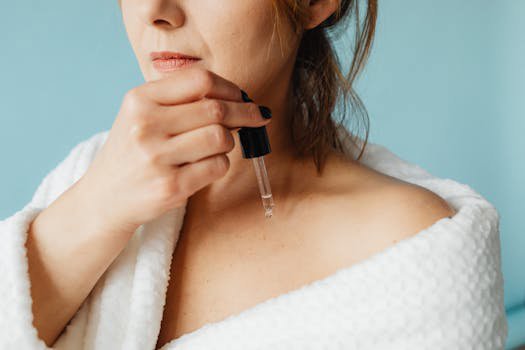
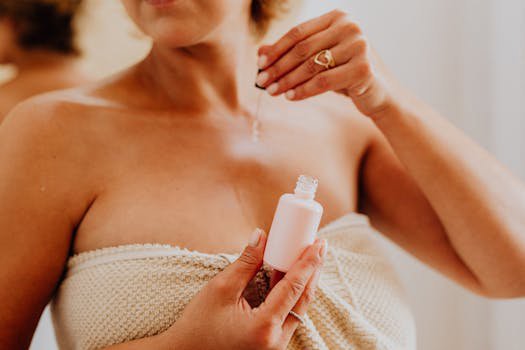
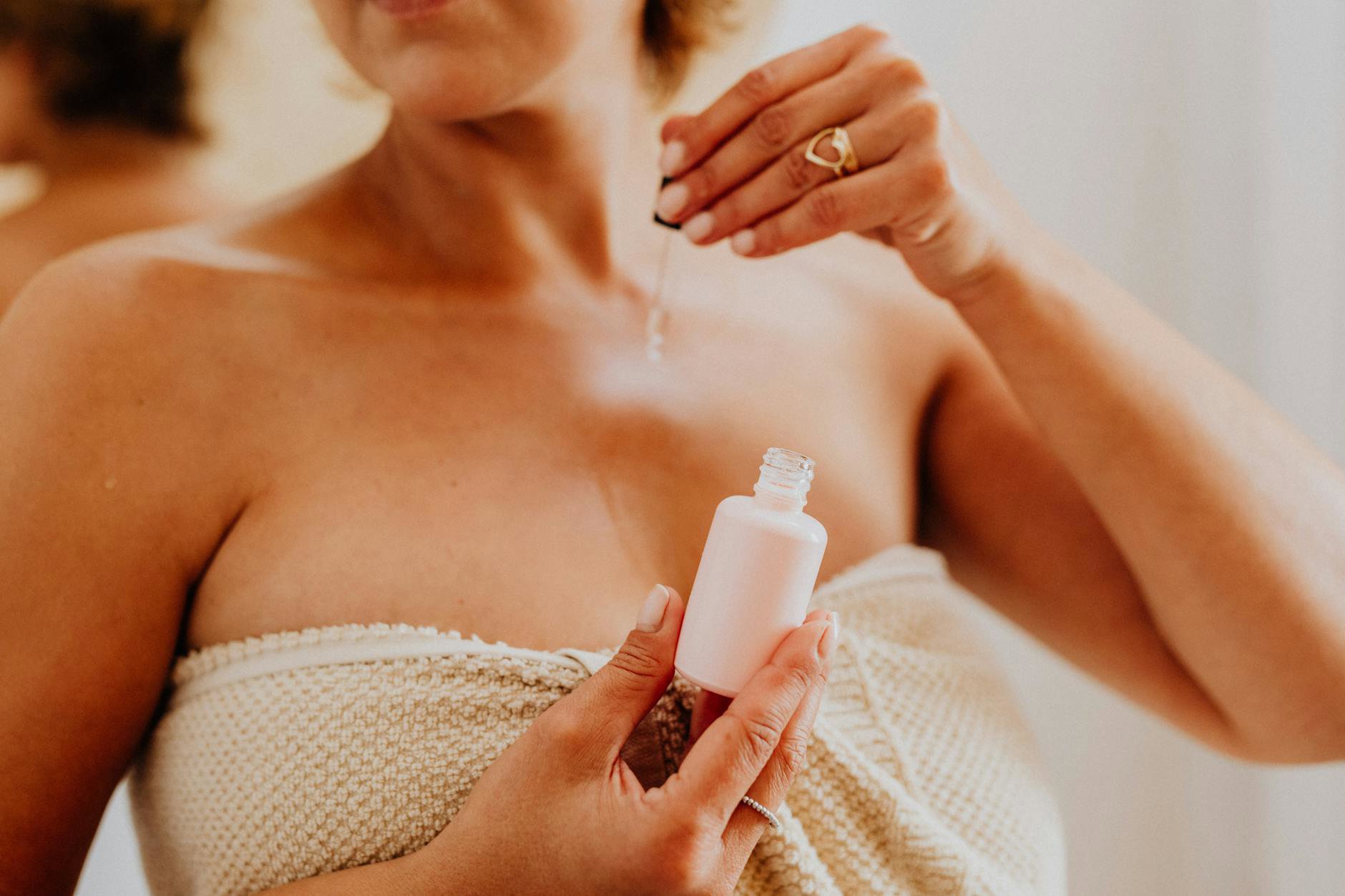
{{IMAGE:woman applying serum in bathroom}}What “do‑it‑all” should actually cover
We grade multitasking serums against a tight core. Hydration that lasts under makeup and SPF. Daily antioxidant insurance. Barrier support that reduces redness and flaking. Optional tone evening if you handle pigment. That quartet serves most faces across seasons.
Here’s how that shakes out in ingredients. Humectants such as glycerin and hyaluronic acid pull water in. Panthenol and beta‑glucan soothe. Ceramides, cholesterol, and fatty acids shore up the barrier. Niacinamide sits at the center for oil regulation, pores, and mild brightening. Antioxidants like vitamin C derivatives, ferulic acid, resveratrol, or green tea help neutralize free radicals from UV and pollution.
We rarely count fragrances, essential oils, or strong exfoliants as part of a “do‑it‑all” brief. Daily acids and aggressive retinoids raise irritation risk when brands cram them into an all‑purpose bottle. If you want resurfacing, reach for a dedicated treatment one to three nights a week instead. Use a separate SPF every morning. Serums never replace sunscreen.
If a label promises hydration, smoothing, brightening, and firming, but lists high‑dose acids or retinoids near the top, we down‑grade it as a daily multitasker. Save that formula for targeted nights and keep your core serum calmer.
How to read the label without a chemistry degree
Marketing shouts. INCI lists whisper the truth. Scan top‑five ingredients first. Water sits first on most water‑based serums. You want to see humectants like glycerin or butylene glycol high up, not just at the tail end. If hyaluronic acid sits last, the hydration pitch likely leans on marketing.
Niacinamide between positions three and ten signals a real chance at oil balance and tone support. High single‑digit percentages tend to work well across many skin types. Brands often cite a percentage for vitamin C or acids, but they skip context. L‑ascorbic acid needs lower pH and opaque packaging to stay effective. Vitamin C derivatives such as ascorbyl glucoside or 3‑O‑ethyl ascorbic acid need different stability plans and often work more gently.
Watch for “kitchen sink” builds. If a label stacks five or more bold actives at noticeable positions, that’s not efficiency. That’s risk. The more dials you turn at once, the harder it gets to pinpoint what helps or hurts. We favor blends that pair one headline active with support cast. Think niacinamide plus panthenol, HA, and a vitamin C derivative. Or peptides plus HA and soothing botanicals.
Packaging tells its own story. Opaque or amber glass protects light‑sensitive actives. Airless pumps minimize oxidation. Dropper bottles look chic but invite air into every dose. If a brand sells vitamin C in a clear dropper with a twist cap, expect faster potency drop‑off once opened.
Seven popular “do‑more” serums, and what they really do
The market brims with multitaskers. Some earn the slot. Some overpromise. We pulled examples across price tiers and retailers to illustrate how claims map to builds and use cases. Use this as a lens, not a ranking.
Estée Lauder Advanced Night Repair blends peptides, hyaluronic acid, and fermented extracts in an oil‑free gel serum. It focuses on hydration, barrier comfort, and a general “well‑rested” look. It pairs well with most routines because it avoids heavy acids or strong retinoids. If you want a single serum that plays nice with SPF by day and retinoids by night, this one sets a strong baseline. Explore more from Estée Lauder if that build appeals.
Lancôme Advanced Génifique layers bifidus prebiotic, hyaluronic acid, and vitamin Cg for glow and resilience. It leans into radiance and texture softening while staying gentle. We rate it as a daily driver for normal to combination skin that prefers a silky finish. You can compare pricing and sets under Lancôme on GlamGeek and add it to your wishlist for alerts.
Clinique Smart Clinical Repair features a retinoid complex, peptides, and hyaluronic acid. Brands often pitch this as an all‑around serum, but retinoids work best at night with a moisturiser buffer. For sensitive or dry skin, we would not use it as a morning multitasker under SPF. If you want a one‑bottle evening step for lines and texture, it fits. Check options from Clinique on our product pages.
Shiseido Ultimune Power Infusing Concentrate positions itself as a “skin immunity” booster. Translation: antioxidant support, hydration, and smoothing. It layers under most moisturizers without pilling. We see this as a compatible bridge serum in humid climates, where heavy creams feel like too much. See more from Shiseido if elegant textures matter to you.
Clarins Double Serum mixes water and oil phases, with turmeric extract and a spread of emollients. It suits mature or dry skin that needs glow and slip under makeup in drier seasons. Oily or breakout‑prone skin may find it rich. Multitasking here tilts toward nourishment more than exfoliation or pigment work. Browse Clarins for sets if you want to test texture before a full size.
L’Oréal Revitalift hyaluronic acid serum shows how a drugstore pick can do the hydration job well. It pairs different molecular weights of HA with soothing glycerin. It does not chase pigment or lines as hard as a retinoid blend, but it nails water retention at a friendlier price point. You can scan more budget options from L'Oréal and Revolution on GlamGeek.
Charlotte Tilbury Magic Serum Crystal Elixir stacks peptides, vitamin C derivative, and hydrators with a primer‑like slip. It targets glow and firmness with a finish that suits makeup days. If you want a serum that doubles as a skin‑prep step for foundation, this build makes sense. Explore the brand hub for Charlotte Tilbury while you compare sets and minis.
We spot the same pattern across dozens more. The strongest daily multitaskers stay gentle. They center hydration and antioxidant support, then add one swing at lines or tone. When they try to resurface hard, they leave the “do‑it‑all daily” lane.
Build a one‑and‑a‑half step routine that actually works
One bottle works best when you give it a little help. Think one core serum, plus either sunscreen in the morning or a buffer moisturizer at night. That half step stabilizes the whole approach.
Morning plan for most skin types: cleanse if needed, then a multitasking serum with humectants, niacinamide, and antioxidants. Top with a mid‑weight moisturizer if your climate runs dry. Finish with sunscreen. Do not skip SPF. Serums never give UV protection you can count on. If you need ideas, explore our tracked SPF Protection Products and add your picks to a wishlist for drop alerts.
Night plan: cleanse, same serum, then moisturizer. If your serum leans retinoid or resurfacing, avoid layering more acids on top. If your serum stays gentle, add a richer cream to lock in hydration. Scan our Night Face Moisturisers category for options you can price‑check across retailers.
Two to three evenings per week, swap the multitasker for a dedicated exfoliant if your skin handles it. That cadence gives tone and texture gains without daily irritation. Our Face Exfoliants hub helps you compare acids, formats, and prices without guesswork.
Barrier first: avoid the blend that backfires
We see the same mistake inside review data during winter and post‑vacation. Shoppers stack a “do‑it‑all” serum that hides acids with a vitamin C toner, then a retinoid cream. Redness spikes. Flaking returns. Makeup pills. The barrier taps out.
Here’s a cleaner rule set. If your serum contains retinoids, keep morning simple and skip vitamin C acids that day. If it contains strong vitamin C or exfoliating acids, avoid other peels or retinoids that night. If it includes niacinamide and peptides with humectants, feel free to pair with sunscreen by day and a moisturizer by night. That trio stays friendly.
Introduce change slowly. Use a new serum three times in the first week. If your skin stays calm, move to daily. If your cheeks or neck sting, step back to every other day. Adjust the rest of your routine around it. Add lipids when air dries out, and lighten the cream when humidity climbs.
Patch testing still matters. Apply a small amount behind an ear or along the jaw for three nights. Watch for heat or rash. Better to lose a few days than spend weeks calming a reaction.
Texture, finish, and pilling: the makeup question
Most “do‑it‑all” serums promise makeup compatibility, but texture details decide if your foundation glides or pills. Silicone‑heavy serums can blur well but clash with water‑heavy creams. Stacked humectants need a moisturizer to cushion them or they can feel tacky under makeup.
If you want glow under base, choose a serum with glycerin, low‑weight HA, and a vitamin C derivative in a thinner gel. Let it set for a minute before moisturizer and SPF. If you want grip, look for light silicones and film‑formers that act like a primer. You can also keep your serum simple and use a true primer right before base. Our Face Primers section helps you pick the right finish and compare prices.
Fragrance shifts the makeup experience. A heavy scent can linger and mix oddly with base products. If you’re sensitive or prone to redness, favor fragrance‑free or lightly scented builds. That choice also lowers irritation risk when temperatures swing or you travel across climates.
Watch for pilling signals. If you see beads when you rub, you used too much or layered incompatible textures. Press products in thin layers. Give each layer a minute to settle. Switch the order if needed: serum, then sunscreen, then a blurring primer on high‑movement zones.
{{IMAGE:flatlay serum bottles and moisturizer}}Price and value: where multitaskers save money—and where they don’t
Brands sell the math hard. One serum replaces three. You save money. That can hold true. It fails when the bottle works for two weeks and then stalls, or when you still need separate sunscreen, moisturizer, and spot treatment.
We suggest a quick value check. Calculate price per ounce and compare it to a simple hydrator serum plus a separate antioxidant. Scan for travel sets or minis that drop the per‑ml cost during sale periods. We often see meaningful price differences for the same serum between Sephora, Ulta, and Amazon, especially when one retailer runs a points multiplier or adds a gift with purchase. Use our comparison on each product page, so you buy where the value peaks that week.
Bundles matter. Brands like Lancôme, Estée Lauder, and Clarins drop sets around holidays that make daily drivers cheaper. Drugstore lines such as L'Oréal and value‑first brands like Revolution keep entry prices low year‑round. If you’re trialing a multitasker, start with a smaller size or a set. Add it to your GlamGeek wishlist to watch for a dip before you commit to a jumbo.
Watch the return window. Multitaskers can trigger breakouts or redness two weeks in, not two days in. Buy from a retailer with a fair return policy. That policy becomes part of the value calculus, especially for higher‑priced serums.
Morning vs. night: when to let a single bottle carry the day
Morning asks for lightweight hydration, antioxidants, and zero conflict with sunscreen or makeup. Most "do‑it‑all" formulas that center niacinamide, HA, and gentle antioxidants fit here. They cushion the barrier and boost glow while staying stable under SPF.
Night lets you push harder if you need to. Retinoid‑forward multitaskers work better here. They focus on lines, texture, and long‑term tone. Keep the rest of your routine simple when you do this. Cleanse, serum, moisturizer. That restraint reduces irritation and supports adherence.
Skip daily acids in a one‑bottle plan. Slot exfoliation two or three nights a week only. Consider a lactic or mandelic acid if you run sensitive. Save glycolic for oilier or thickened skin that tolerates more. Compare your options in our curated Face Exfoliants page and use price alerts to time a buy.
Keep SPF non‑negotiable every morning. A serum can brighten and smooth for months. One unprotected lunch on a patio can set you back. If your serum claims “environmental protection,” treat that as a bonus, not a pass. Browse our SPF Protection Products for formulas that pair well over serums without pilling.
Packaging, texture, and shelf life: small details, big impact
We reject a lot of “do‑it‑all” pitches because the packaging makes the claims shaky. Vitamin C in a clear dropper bottle turns fast once you open it. Airless pumps preserve oxygen‑sensitive blends. Opaque bottles shield from light. These choices protect potency across the whole bottle, not just the first week.
Texture signals use case. Watery gel suits humid zones and oily T‑zones. Lightweight emulsion suits normal skin that wants a soft finish. Oil‑gel hybrids suit dry or mature skin that needs cushion under makeup. If your climate shifts, keep a lighter and richer option in rotation. You still run a one‑and‑a‑half step plan. You just switch the one.
Check batch dates if the brand prints them. Buy smaller sizes if you use serum slowly. Antioxidant blends lose steam after opening when you stretch a large bottle for months. Our price tracker often spots minis or travel duos with better per‑use math than one oversized format.
Fragrance complicates shelf life too. Essential oils can oxidize and irritate when older. If you love scent in skincare, finish the bottle within a few months. If you prefer less risk, pick fragrance‑free or low‑scent builds and store them away from heat and sun.
What this means: practical takeaways you can use today
One serum can anchor your routine. It cannot replace sunscreen and usually should not replace moisturizer. The best multitaskers hydrate, protect with antioxidants, and support the barrier. They add a targeted nudge at lines or tone without daily acids or high‑dose retinoids.
Before you buy, list your top two goals. Hydration and brightening. Lines and firmness. Redness and oil balance. Pick a serum that centers those jobs, not a label that promises six more. Compare prices across retailers on GlamGeek. Add your short list to a wishlist. You’ll see when discounts hit at Sephora, Ulta, Target, Amazon, or Nordstrom, so you can buy at the right moment.
Start slow. Use it three times the first week. Watch for signs of stress. Pair it with a moisturizer at night and SPF in the morning. Slot exfoliation on off nights only. Keep notes for four weeks. Adjust texture and support products as the season changes.
Use our category hubs to explore smart pairings. Multitasker by day and rich cream at night from our Night Face Moisturisers. Swap in a gentle acid two nights a week from Face Exfoliants. Keep SPF front and center from SPF Protection Products. We track prices and sets, so you don’t have to open fifteen tabs.
Sign‑off: your turn
Which two jobs would you want your “do‑it‑all” serum to nail every single day? Hydration and glow, or oil control and calm? Tell us where a multitasker has worked for you, where it has not, and which bottles you want us to price‑watch this season. Add your picks to a GlamGeek wishlist, and we’ll alert you when the numbers make sense.