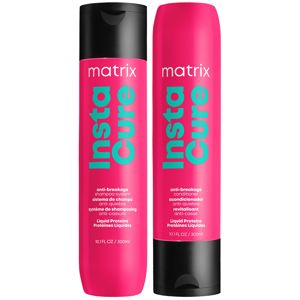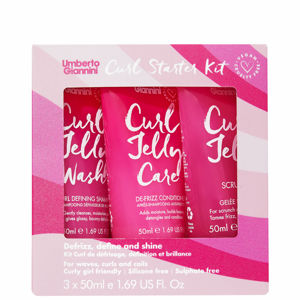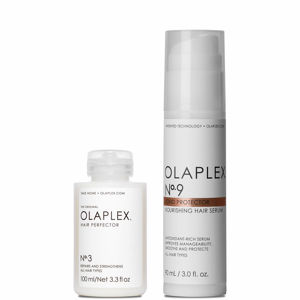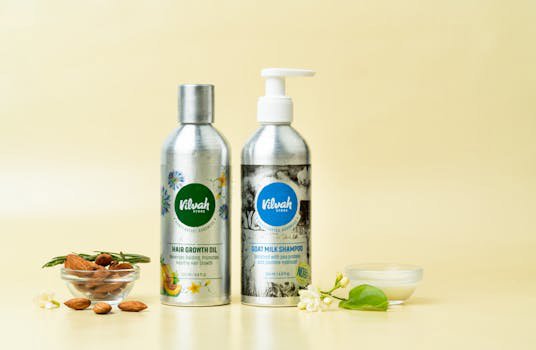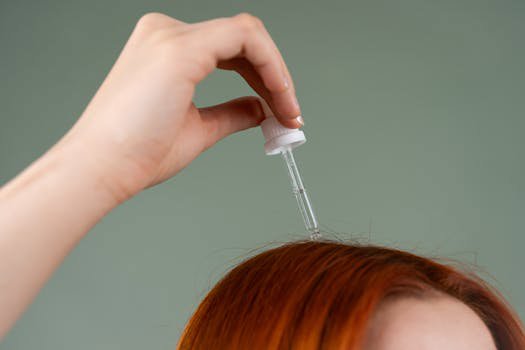
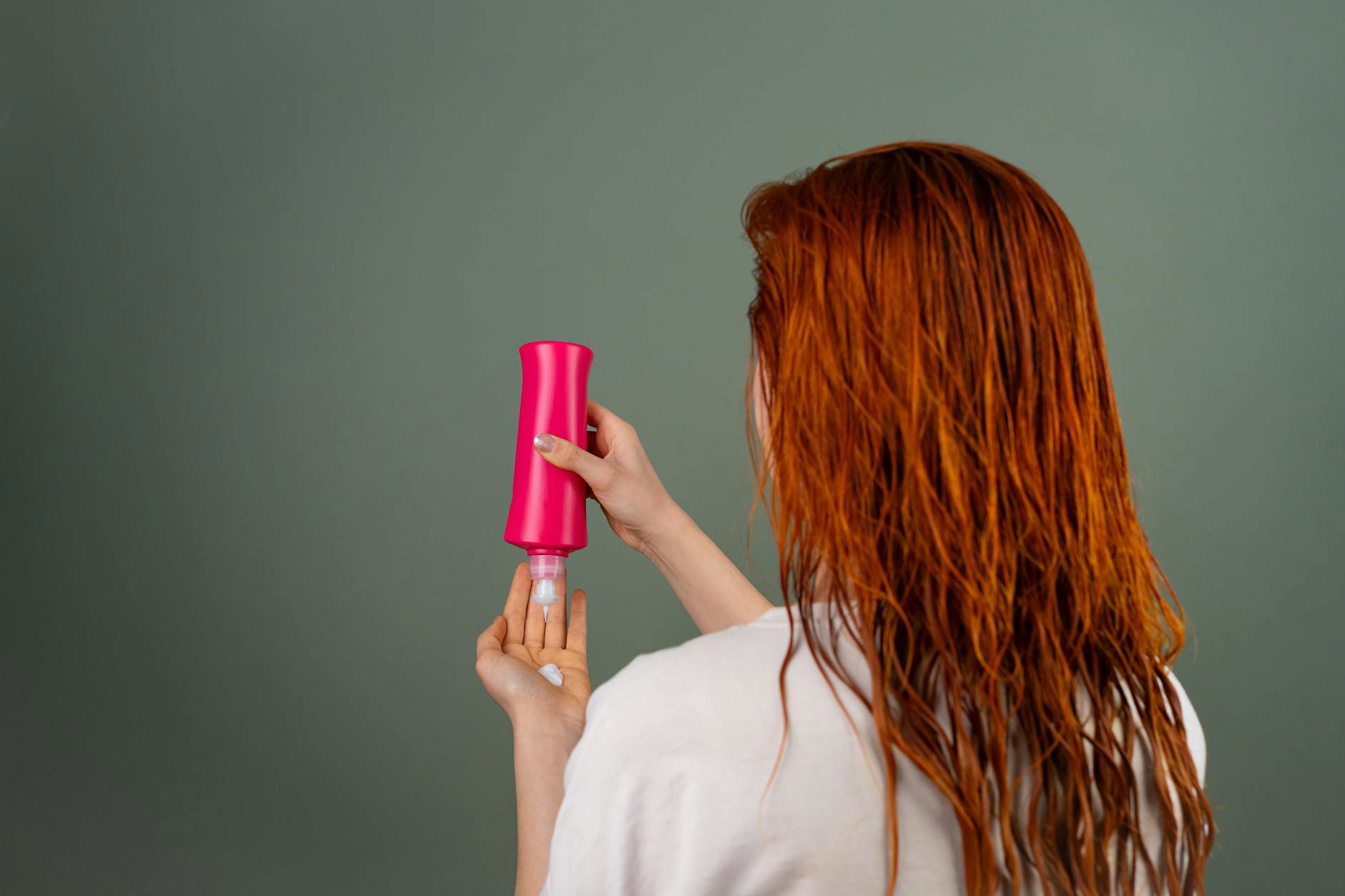
Frizz spikes when moisture leaves the hair and humidity barges in. Our merchant feed shows anti-frizz conditioners trend upward every spring and again in August. Women start scouting for formulas that smooth without flattening, and they want real results, not a fragrance with a promise.
Price gaps widened this year. We see the same bottle list higher at one retailer and dip lower at another within days. Shopping smart matters as much as picking the right formula. Good news: you can do both.
This 2026 guide cuts through the buzz. We name the ingredients that actually reduce frizz, match textures to hair types, and spell out application tweaks that deliver smoother lengths. We also point to reliable options from mass and prestige, and we flag the price windows when deals show up.
Context: why frizz sticks around—and what changed in 2026
Frizz happens when the cuticle lifts and water moves in and out of the hair shaft too fast. That movement swells fibers and makes strands misalign. Heat damage, bleach, hard water, and harsh cleansers raise the cuticle even more. Conditioner works when it lays that cuticle back down and adds slip so hair strands align.
Our pricing tracker flags two patterns this year. First, salon labels spread into more online channels, which created bigger swings between list price and cart price. Second, more mass brands now add oil blends and quats once limited to higher tiers. That narrows the results gap if you choose well.
Timing also matters. Ulta’s spring hair event and Sephora’s April savings often include top conditioners. Black Friday and Cyber Monday hit hard on jumbo sizes. Amazon Prime Day (July) can undercut both. Add a favorite to your GlamGeek wishlist and you’ll get a ping when we track a drop.
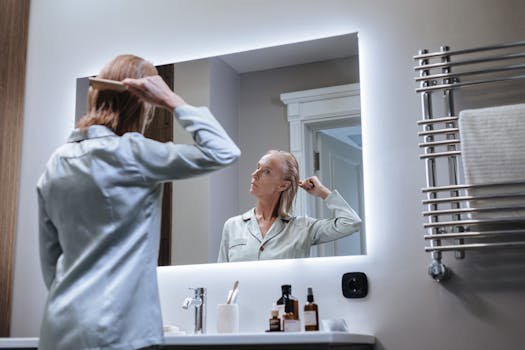
{{IMAGE:women conditioning hair bathroom}}Why frizz happens—and how conditioner fixes it
You can beat frizz when you understand what your conditioner does on contact. Conditioners carry cationic surfactants (quats) that cling to the negatively charged hair surface. That reduces static, adds slip, and helps close a lifted cuticle. Oils and fatty alcohols then fill in rough spots and slow moisture loss.
Silicones form thin films that limit humidity intrusion and improve shine. Some women avoid them. That’s a choice, not a must. Modern silicones spread light and rinse cleaner than old formulas. If you want silicone-free, you still need lipids and quats to smooth the cuticle.
Humectants pull water into the hair. They help in dry rooms. They can backfire in muggy air if the formula lacks film formers. Balanced conditioners pair humectants with occlusives, so you hydrate first and seal second.
Frizz stays low when these pieces align with your hair width, porosity, and curl pattern. Fine hair needs lighter films. Coarse or coily hair craves richer lipids and longer contact time.
Ingredient cheat sheet that actually smooths
Labels look busy, but a few families of ingredients do most of the heavy lifting. Scan for these when you shop, then cross-check prices on GlamGeek so you don’t overpay.
- Quats that detangle and reduce static: behentrimonium chloride, cetrimonium chloride, dicetyldimonium chloride. These bond to damaged spots and boost slip fast.
- Fatty alcohols that soften: cetyl alcohol, stearyl alcohol, cetearyl alcohol. These add cushion without greasiness when used well.
- Silicones for shine and humidity control: amodimethicone, dimethicone, dimethiconol. Amodimethicone targets damaged areas, so it behaves smarter on stressed ends.
- Lipids that seal: argan, coconut, shea, sunflower, squalane. These help keep water in and humid air out.
- Humectants that hydrate: glycerin, propanediol, panthenol, hyaluronic acid. Great in dry climates or winter heat.
- Proteins and amino acids: hydrolyzed wheat, keratin, silk, arginine. They add temporary strength and reduce breakage that leads to flyaways.
- Acidifiers for smoothness: citric acid and lactate salts set pH near 4–5 to flatten the cuticle.
Brands use blends. You don’t need every item in one bottle. Look for two or three from the first three groups plus one occlusive. If you color or bleach, add proteins to your rotation. If you heat style, seek amodimethicone or heat-activated polymers.
To browse conditioners that emphasize moisture and slip, start with our Moisturising & Nourishing Conditioners category and filter by brand. You can then compare price history across Sephora, Ulta, Target, Amazon, and Nordstrom on one page.
Fine and frizzy: light conditioners that still hydrate
Fine hair frizzes fast but flattens under heavy creams. Aim for featherweight slip with a quick rinse and a light seal. You want conditioning quats, low to medium silicones, and lean oils that won’t pool on the scalp.
Check for behentrimonium chloride high on the list and dimethicone or amodimethicone lower down. Panthenol adds body without grease. Avoid heavy butters at the top of the list. A lightweight conditioner gives you movement and softness without the stringy look by day two.
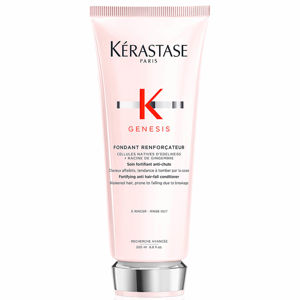
Examples that often hit the mark include classic drugstore “sleek” ranges and salon light moisturizers. Look at brands that balance slip and airiness. Mass options like Garnier and L'Oréal usually offer a silicone-light version in their smoothing lines. For salon, Kérastase lightweight formulas in smoothing families do good work on finer hair strands.
Application tweak: condition mid-lengths to ends only. Then rake a dime-size through the crown for ten seconds and rinse promptly. Skip the scalp if you get oily fast. On humid days, finish with a pea-size leave-in on your ends only.
Coarse, curly, or coily: richer conditioners that calm the halo
Thick or coarse hair needs more occlusion. Curls and coils benefit from extra slip that helps clumps form and stay intact. Look for cetearyl alcohol, shea or cocoa butter, amodimethicone, and bonded quats. These formulas tame the surface and feed long lengths without constant top-ups.
Butter-forward conditioners from mass and salon deliver here. Many women find success with ranges built around shea, banana, or castor oil. You’ll see strong value in mass from L'Oréal and Garnier. For a richer salon profile, the smoothing and nutritive families from Kérastase focus on high slip with controlled weight.
Co-wash days slot in well for coils. Use a gentle cleansing conditioner midweek and your richer rinse-out on wash day. To stretch moisture, layer a nickel-size leave-in on soaking wet hair and seal with a light oil.
Pro move: detangle under running water with a wide-tooth comb while the conditioner sits. That lowers friction and locks in definition before you step out of the shower.
Color-treated or damaged: protect, smooth, and rebuild
Color processes roughen cuticles and raise porosity, which invites frizz. You need pH control, lightweight film formers, and measured protein support. Overdo protein and you risk brittleness. Underdo it and your ends fray.
Scan for acidifiers like citric acid in the first half of the list. They help bring hair close to a pH of 4–5 so the cuticle lies down. Add amodimethicone or dimethiconol for shine and heat defense. Use hydrolyzed protein in rotation, not daily.
Salon conditioners for damaged hair often cost more but bring balanced blends and heat-activated polymers. We see frequent promos around Memorial Day and late fall, especially on jumbo sizes. Add a few contenders to your GlamGeek wishlist so our alerts can flag dips before they sell out.
If your ends feel weak, add a weekly mask from our Hair Masks category. Leave it on for 10–15 minutes. Then rinse with cool water to encourage a smoother finish.
Technique matters: how to condition for less frizz
Right product, wrong technique still gives you a halo. Small changes reduce frizz fast and cost nothing.
- Emulsify first. Rub conditioner between palms before you apply. That spreads it evenly so you don’t overload one spot.
- Work in sections. Split hair into two to four sections. Rake from ears down and press the product into the ends. Then comb.
- Give it time. Two to three minutes beats a quick rinse. For coarse hair, go five. Let the formula attach to damaged sites.
- Cool rinse. End with a quick cool splash to help the cuticle lie flatter.
- Microfiber, not terry. Blot with a microfiber towel or cotton tee. Rubbing creates friction and more frizz.
- Apply leave-in on soaking wet hair. Water helps disperse the product. Use less than you think. You can add more later.
Climate tweaks matter. In the humid South, use a conditioner with film formers and seal with a serum last. In the dry West, choose conditioners richer in humectants and lipids, then top with a cream leave-in. In the cold Northeast, indoor heat dries ends. Use a weekly mask and drop heat tools a notch to keep frizz at bay.
Wash frequency also affects frizz. Frequent washing with strong detergents roughens the cuticle. Consider a moisturizing shampoo every other wash. Explore our Moisturising & Nourishing Shampoos to pair with your conditioner for a calmer outcome.
{{IMAGE:woman with curly hair applying conditioner}}Drugstore vs salon: where value hides
Mass brands leveled up. Many now use the same conditioning quats and lightweight silicones as salon labels. The biggest differences often sit in fragrance, blend finesse, and long-wear feel, not raw function. If your hair is healthy-to-moderate on the damage scale, drugstore can deliver smoothness for less.
We track common patterns across retailers. Garnier anti-frizz lines often stack coupons at mass merchants. L'Oréal mainstream ranges swing between a few stores, so price comparison pays off. Salon options like Kérastase drop during major events and through jumbo sizes that push cost per wash down. The Body Shop’s nourishing conditioners also go on promotion in seasonal kits; check The Body Shop on GlamGeek before you check out.
Bottom line: pick the function you need, not the tier first. Then use GlamGeek’s price history to see who discounts it and when. Add two contenders to your wishlist and wait a week if you can. Our alerts remove the guesswork.
If you shop at Sephora, Ulta, Target, Amazon, or Nordstrom, keep an eye on bundles. Gift sets and jumbo sizes often carry the best unit value, especially during November and July events.
When a rinse-out isn’t enough: leave-ins, masks, and oils
Some frizz needs layers. A rinse-out conditioner sets the base. A leave-in keeps moisture balanced through the day. An oil or serum seals the cuticle edge and fights halo in humid air.
Start light. Use a pea to dime-size leave-in on wet hair. Scrunch into curls or smooth through mid-lengths and ends. If you need more control, add a single pump of serum to the very ends. Oils with squalane or sunflower run lighter than pure coconut or shea.
Mask weekly if your ends feel rough or your curls won’t clump. Look for masks with a mix of fatty alcohols, lipids, and a touch of protein. Our Hair Masks page lets you sort by concern, then compare prices side by side so you can grab a deal when it appears.
Heat styling raises frizz over time. If you blow-dry, use a heat protectant with amodimethicone or similar polymers to buffer damage. Keep the nozzle moving and finish on cool to set the cuticle flatter.
Real-world picks by hair need
We do not crown one bottle for all women. Different heads, different needs. Use these profiles as a compass, then check brand pages and categories on GlamGeek to match budget and availability.
- Budget, fine hair, mild frizz: mass “sleek” conditioners with behentrimonium chloride and panthenol from Garnier or L'Oréal. Rinse well and finish with a light leave-in.
- Budget, thick or wavy hair, moderate frizz: richer mass conditioners that feature cetearyl alcohol plus shea or banana. Check The Body Shop nourishing ranges around kit season.
- Salon, fine-to-medium, color-treated: smoothing yet light salon conditioners with amodimethicone and citric acid. Compare smoothing families at Kérastase during major events.
- Curly or coily, shrinkage and halo: slip-heavy conditioners with shea and quats. Add a weekly mask from our Hair Masks category for extra clumping.
- Heat-styled, damaged ends: conditioners featuring dimethiconol and hydrolyzed protein in rotation. Pair with a moisturizing shampoo on off days from our Moisturising & Nourishing Shampoos.
If you love a salon finish but watch spend, try mixing tiers. Use a value rinse-out most days and a higher-end mask once a week. Our tracker often shows best-in-class masks at strong discounts during mid-year sales.
Common frizz myths we still hear in 2026
Myth one: “Silicones ruin hair.” The truth: balanced silicones protect hair and boost shine. Buildup comes from overuse without proper cleansing or from heavy formulas on fine hair. Pick the right weight and clarify once every week or two if needed.
Myth two: “Oil alone beats frizz.” Oil seals. It does not repair damage or add lasting slip by itself. Pair oil with quats and fatty alcohols in a conditioner for smoother results.
Myth three: “Protein always makes hair stiff.” Overuse does. Small amounts in a hydrating base can steady fragile ends and reduce frizz. Rotate protein-rich formulas once or twice a week if your hair breaks or feels spongy when wet.
Myth four: “Cold water makes hair shiny by itself.” A cool rinse can help, but formula and technique matter more. Condition first. Then finish cool to nudge the cuticle flatter.
How to read a conditioner label fast
Labels list water first. After that, scan for three zones to predict performance.
- Top five: look for behentrimonium chloride or cetrimonium chloride, plus cetyl or cetearyl alcohol. This tells you it will detangle and soften.
- Middle: look for lipids (shea, sunflower, argan), light silicones (amodimethicone), and humectants (glycerin, panthenol). This shapes weight and humidity resistance.
- End: expect fragrance and preservatives. A dash of protein or amino acids here still helps when you use it often.
Red flags for fine hair: heavy butters or oils listed before conditioners. Red flags for coarse hair: a long list of botanicals with few conditioners high up. Pretty words mean little without the core conditioning agents.
When you find a match, save it on GlamGeek. We’ll track the price across Sephora, Ulta, Target, Amazon, and Nordstrom and alert you when it dips.
What this means for your routine
Smoother hair comes from a tight trio: a conditioner that fits your hair width and porosity, a technique that keeps slip where you need it, and a simple finish that seals. You do not need a shelf of bottles. You need one solid daily, one weekly booster, and a small leave-in that plays well with both.
Choose a conditioner with the right weight, not the loudest claim. If your strands float and tangle, start light and build. If they feel wiry and lift in humidity, go richer and add time. Tweak for your climate and your wash frequency, then lock in the picks that deliver.
On price, patience wins. Add your short list to your GlamGeek wishlist and watch alerts during April, July, and November. We track price moves so you can buy the exact formula that works without paying full freight.
Ready to pick your conditioner?
Start with function, then match weight. Browse our curated Moisturising & Nourishing Conditioners, and keep an eye on Garnier, L'Oréal, The Body Shop, and Kérastase on GlamGeek. Add picks to your wishlist so we can ping you when prices fall across Sephora, Ulta, Target, Amazon, and Nordstrom. Which conditioner has actually tamed your halo, and what climate are you battling this month?