“Under-$35 serum” headlines keep popping up for a reason: beauty pricing has stretched, but performance hasn’t moved in a straight line with price.
Across US-facing retailer feeds, we see the same pattern repeat: a handful of prestige items hold their MSRP, while adjacent categories flood with strong mid-price and drugstore formulas that copy the functional parts of the experience.
That mix has turned “dupe culture” from a fun TikTok trick into a real shopping strategy. It also created a new problem: women buy “dupes” that match the vibe, not the results.
We’re taking the stronger angle here: news-led. The Marie Claire under-$35 serum framing and the steady drumbeat of “drugstore beats luxury” stories signal a clear US shift in how women shop. Our job is to make that shift smarter, not louder.
Why “dupe shopping” got serious in 2026
Beauty media has always loved a bargain. What changed is the level of consumer skepticism. When a serum costs as much as a utility bill, women demand proof, not poetry.
We also see the market splitting in two. Sephora and Nordstrom still sell aspiration and artistry. Target, CVS, and Walgreens sell speed and convenience. Neither side automatically wins on outcomes. The winners tend to nail formula basics: stable actives, usable textures, and tolerable fragrance levels.
Recent headlines reflect that reality: under-$35 serums, “holy grail” drugstore staples, and lists of foundations and concealers that “rival” prestige. Those aren’t local launches or one-time events, but they do mark a durable consumer behavior shift in the US: women comparison-shop like it’s normal.
Our price tracker adds a useful twist. “Dupe” doesn’t always mean “cheaper forever.” Prestige items do go on deep discount at certain retailers, and when they do, the value equation flips.
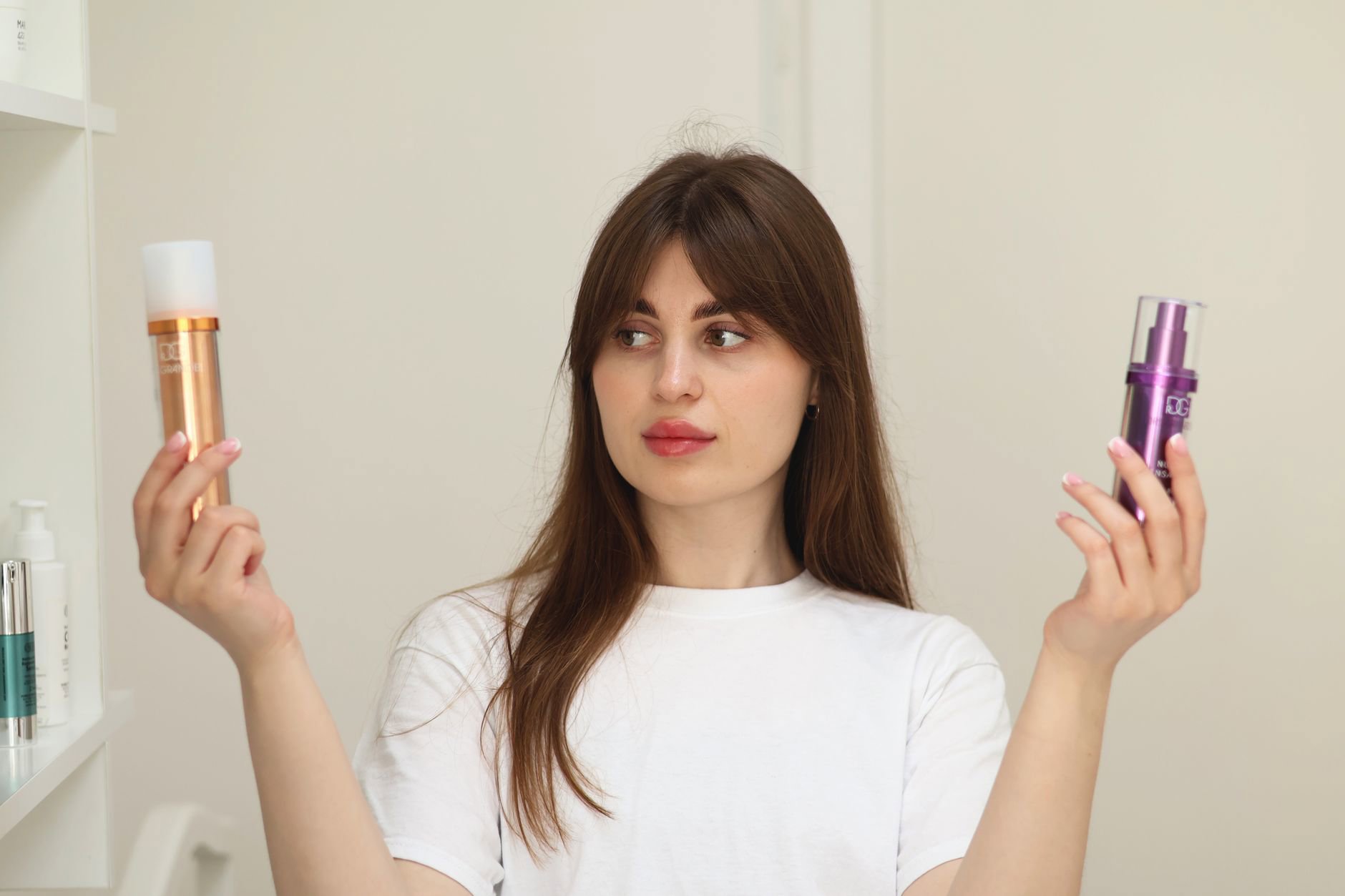
Start with the function, not the brand: a dupe checklist that works
Most dupe roundups compare packaging, finish, or “the vibe.” That helps with makeup shades, but it fails in skin care and hair care, where performance depends on chemistry and usage.
We recommend a simple order of operations before you buy:
- Define the job: brighten dark spots, smooth texture, extend wear, add slip, reduce frizz, etc.
- Identify the workhorse ingredients: vitamin C derivative, retinoid type, film-former polymer, occlusive oils, surfactant system.
- Match the delivery: watery serum vs cream vs balm matters as much as the ingredient list.
- Check the deal logic: a “dupe” loses if the prestige original is 40–50% off right now.
This approach also stops impulse buying. A “dupe” that doesn’t fit your climate or skin tolerance still wastes money, even if it costs less.
For women who build routines from category pages, it helps to shop by type first—then pick brands. GlamGeek’s category hubs make that easier, like Anti Ageing Face Serums or Makeup Brushes & Applicators.
When the “dupe” is actually the discounted original
Here’s where price intelligence beats viral lists. “Luxury vs drugstore” assumes prices stay put. They don’t.
This week, our merchant feed shows multiple prestige drops that undercut the idea that you must hunt for a lookalike. Example: Givenchy Prisme Libre Matte-Finish And Enhanced Radiance Loose Powder sits at $35.88 (was $59.80) at lookfantastic. That is a 40% off swing. If you planned to buy a $15–$25 “close enough” loose powder, the gap just narrowed.
Same story in fragrance. Givenchy Very Irresistible Eau de Toilette shows at $71.07 (was $118.45) at lookfantastic. For women who like a polished, office-friendly EDT profile, that discount changes the math versus blind-buying a cheaper scent that you may not finish.
And in color, we’re seeing deep cuts too: Natasha Denona Hy-Sculpt Liquid Bronzer is $19.55 (was $39.10) at lookfantastic, and the Natasha Denona Essential Duo Eyeshadow Palette is $16.68 (was $33.35) there as well.
Our take: if the “original” drops into drugstore-adjacent pricing, buy the original. Dupe hunting makes sense when prestige pricing stays high, not when the market hands you a temporary equalizer.
Under-$35 serums: what to copy, what to ignore
The Marie Claire-style question—“why pay $300 when under $35 works?”—lands because it’s sometimes correct. It’s also sometimes incomplete.
What you can copy easily in a lower-cost serum:
- Hydration + plumping: humectants like glycerin and hyaluronic acid plus lightweight emollients.
- Barrier support: niacinamide, panthenol, and gentle lipids.
- Texture smoothing: mild acids or retinoid-adjacent ingredients, depending on tolerance.
- Brightening: stable vitamin C derivatives often show up at lower prices.
What usually costs more (and why): elegant sensory finish, patented complexes, or highly stabilized actives in challenging formats. Those can matter, but they’re not required for everyone.
One of the clearest budget-friendly examples in our current feed sits in the “brighten + hydrate” lane: Garnier Anti Dark Spot Night Serum 10% Pure Vitamin C And Hyaluronic Acid is $14.72 at lookfantastic (rated 5.0/5 in the same feed). That combination fits the “under-$35 serum” thesis without leaning on luxury storytelling. For women who use vitamin C to support glow and uneven tone, this kind of formula often delivers the baseline benefits.
How we’d use the ingredient logic: vitamin C products work best with consistency. If a lower price lets you repurchase on schedule, it can outperform a luxury bottle that you ration. Pair it with sunscreen from your usual rotation (shop your preferred SPF Protection Products category) because brightening actives lose ground without daily UV protection.
Makeup “rivals”: match the finish, then fix the tools
Makeup dupe culture thrives because finishes look similar on camera. Real life adds variables: skin texture, oil breakthrough, and application technique.
Our most reliable advice: when you want a “rival” foundation, bronzer, or powder, match finish and wear first, then use tools to refine. A $10–$25 product applied well can look more expensive than a prestige formula applied poorly.
This week’s price data gives a perfect example of “buy the tool, not the hype.” The NYX Pro Multi-Purpose Buffing Brush shows at $16.10 at lookfantastic (rated 5.0/5). A dense buffing brush can:
- sheer out higher-pigment base products
- press product into pores without streaks
- help bronzer and blush blend like a pricier formula
- reduce the need to layer, which cuts cakiness
If you’re chasing that red-carpet “soft-focus” powder look (the kind that fills Tony Awards and Met Gala galleries), technique matters as much as the compact. Try this: apply a thin layer of loose powder only where you crease, then buff edges with a clean brush. If you want the prestige powder experience and the deal is right, that Givenchy Prisme Libre drop to $35.88 makes it more competitive than usual.
Women who love experimenting can browse by format—like Eye Shadow Palettes—then use price tracking to time purchases around dips instead of paying full price on impulse.
Hair and body “dupes” that actually make sense
Hair care and body care offer some of the easiest wins because the performance targets feel straightforward: cleanse without stripping, add slip, reduce tangling, and make skin feel comfortable.
On the hair side, our feed flags a low-cost product that fits the “better than expected” narrative: Garnier Ultimate Blends Nourishing Hair Food is $9.19 at lookfantastic (rated 5.0/5). Products in this lane often work because they lean on proven conditioning agents and oils rather than rare actives. If your hair needs softness more than repair claims, that’s a rational buy.
For women who use masks, the dupe mindset should focus on slip and detangling, not salon scent. A good mask reduces friction. That means fewer knots and less breakage from brushing. If you want to shop by concern, start with Hair Masks and compare ingredients like cationic conditioners and fatty alcohols across price tiers.
Body care deals can also erase the need for a dupe. Our tracker shows ESPA Positivity Bath & Shower Gel at $11.50 (was $23.00) at lookfantastic. That puts a spa-leaning body wash into everyday pricing. If you like scented shower products but hate paying premium prices for rinse-off, this is the kind of discount that makes “dupe” shopping unnecessary.
For women who want to compare more options in the same lane, it helps to browse by category such as Shower Gels & Body Washes and then sort by retailer and promotions.

Anti-aging swaps: where budget formulas win (and where they don’t)
Anti-aging claims push the hardest marketing. They also trigger the most buyer’s remorse. The fix: anchor your swap decisions in ingredients that have a track record, then choose a texture you’ll use.
If you want results-driven swaps, focus on a few categories:
- Retinoids/retinol: slow, steady collagen-supporting routines depend on consistency.
- Peptides: often supportive, usually subtle, but widely tolerated.
- Moisturizers with barrier support: ceramides, cholesterol, fatty acids, plus occlusives.
- Sunscreen: not glamorous, but it protects every other investment.
From our current feed, Revolution Retinol Overnight Cream sits at $17.00 at Revolution Beauty (rated 5.0/5). For women who want an entry retinol product without a luxury price tag, that’s the kind of purchase that supports long-term use. You can explore more from Revolution and compare textures across their range.
Where we’d be cautious: ultra-expensive “miracle creams” that don’t disclose meaningful concentrations, or products that rely on fragrance-heavy sensory appeal. If you’re paying for a scent and a jar, you can often find the same comfort in a simpler night cream category like Night Face Moisturisers.
Also, don’t confuse “12-month low” with “best choice.” Our tracker shows Clé de Peau Beauté La Crème at $645.90 at lookfantastic (lowest in 12 months). That is still a major spend. Women who love luxury textures may value it, but it doesn’t become “budget-smart” because it hit a low. In dupe terms, that’s a moment to ask: what function are you buying—hydration, glow, or status?
How to shop dupes in the US without wasting money
US retail makes dupe shopping both easier and messier. Sephora and Ulta reward loyalty and sampling, while Target and drugstores reward convenience. Amazon adds speed, but you need extra caution with third-party sellers.
We use three rules internally when we’re advising readers:
- Time your buys: prestige often dips around major promo periods. Sephora Spring Savings and Ulta 21 Days of Beauty can beat “dupe” pricing for a limited window.
- Spend on what touches your face the most: base products and tools matter. A good brush can improve five products at once.
- Keep one “control” product: if you swap everything at once, you won’t know what worked.
- Respect climate: humid regions punish heavy creams; dry regions punish matte everything.
When you see a discount like the Natasha Denona Hy-Sculpt Liquid Bronzer at $19.55, it becomes a smart “control” item. You can compare every cheaper bronzer against it, then decide if you truly need a dupe at all.
If you’re building a cart, keep your browsing structured: pick one category, compare three to six options, then buy. Wandering across all of skin care or makeup at once tends to create clutter, not better routines.
What this means for your routine (and your wallet)
Women don’t need permission to buy drugstore. The market already proved that many lower-priced formulas deliver. The real skill now is knowing when a dupe makes sense and when a sale makes the original the smarter pick.
Our price intelligence this week supports a simple takeaway: watch for deep temporary cuts. A prestige powder at $35.88 instead of $59.80, or a bronzer at $19.55 instead of $39.10, collapses the value gap that dupe lists rely on. Meanwhile, genuinely low-cost standouts like the $14.72 Garnier vitamin C night serum or the $9.19 Garnier Hair Food can power the “save” side of your routine without feeling like a compromise.
Build your routine like a portfolio: splurge where the experience matters to you, save where the ingredients and format already do the job, and let price drops decide the rest.
Which product category do you want us to “dupe-proof” next—serums, setting powders, or bronzers? Tell us what you’re shopping for, and we’ll pull the smartest current price points from our tracker.