
Our price tracker has watched “eco” claims explode since 2020. Refills, pouches, and plant icons now crowd product pages from Sephora to Target. Yet returns and toss rates still rise when packaging or formulas miss the mark. Sustainability talk means little if the stuff underperforms or the refill never fits.
So what actually works in 2026? We pulled from our merchant feed, brand disclosures, and what holds up across humid southern summers, dry western winters, and cold northeastern snaps. The short answer: cut weight where you can, pick reusable systems that you’ll actually refill, and favor concentrated formats for daily staples. Then, buy them at the right time from the right store. That last part matters as much as the packaging.
Hype made a mess. Data cleans it up.
Context: Five years of claims, some wins, many lessons
“Clean” badges surged on retailer sites in 2018 and 2019. By 2020, Ulta launched Conscious Beauty. Sephora expanded its badges and ingredient screens. Indie brands leaned into glass jars and botanical language. Consumers did want less waste. But weighty glass and non-recyclable pumps undercut the promise.
From 2021 to 2023, inflation and freight squeezed margins. Brands chased lighter formats to cut shipping fees. Pouches and concentrates moved from niche to normal. Our feed shows a steady rise in refill SKUs since 2022. Makeup compacts, lipstick bullets, and luxury fragrance led the shift. Skincare jar refills followed behind.
By 2026, most major retailers sort products by claims like “recycled content,” “refillable,” and “vegan.” That helps, but it doesn’t tell you what to pick. We still see green badges on heavy glass and complex pumps that curb recycling. The wins look different: slim aluminum, easy-to-rinse plastics, twist-in refills that click without tools, and high-load formulas that use less water per use.
Sales timing also shapes outcomes. Shoppers grab refills when retailers run seasonal promotions. We track sharper price moves during Sephora Spring Savings and Ulta 21 Days of Beauty. Black Friday also moves refill kits and jumbo sizes. If you want impact and value, line up your cart with those dates.
{{IMAGE:sustainable beauty flatlay woman holding refill}}Refill culture: when the math adds up
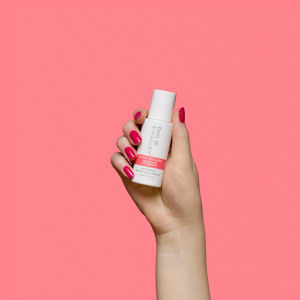
Refills aren’t new, but 2026 brings better execution. The winners share three traits: sturdy bases that last, precise fit for the refill, and a refill that costs and weighs less than a full pack. Makeup leads here because pans and bullets swap cleanly and store well.
We rate refillable lip color and compact face products as strong picks. Charlotte Tilbury sells refill bullets that snap into existing cases without fuss. MAC offers pro-style palettes and pan refills that makeup artists have used for years. These formats cut packaging waste and simplify shade updates. You can buy one case, then switch refills season by season. Our price tracker shows wide retailer variance on these refills, so check our comparison before you restock and consider adding shades to your wishlist for drop alerts.
Fragrance refills also earn a vote, as long as the system avoids leaks. Houses like Guerlain have offered in-boutique refill options across select lines. Many luxury EDPs now come with factory-sealed refill bottles that connect directly to your atomizer. This approach keeps the original bottle out of the bin and saves materials long term. If you shop an eau de parfum, scan our Eau de Parfum Perfumes pages, add favorites to your GlamGeek wishlist, and watch for holiday bundles that pair a full size with a refill.
Skincare jar refills work best when the outer pack locks tight and the refill pod clicks in firm. Some luxury creams nail this. Others wobble or trap air, which dries the product. If the outer jar uses thick glass and a complex pump, the environmental win shrinks. In those cases, a simple, lightweight tube might be greener and easier to recycle.
Materials matter: glass vs plastic vs aluminum vs pouches
Glass signals premium, but weight burns fuel in transit. Pumps and droppers also mix materials that many curbside streams can’t sort. Choose glass when you plan to keep the bottle for years, like a durable perfume flacon. For everyday cleanser or body lotion, lightweight and recyclable often beats heavy and “fancy.”
Aluminum looks smart in 2026. It recycles well and handles dents. Many brands now sell aluminum deodorant shells and haircare canisters. The win comes from true curbside recyclability and lower weight vs thick glass. You still need a simple cap design and clear labels. Avoid multi-part pumps that you can’t separate.
Pouches slash plastic by volume and ship flat. The trade-off: most municipal programs won’t accept them. Pouches still reduce material use when you decant into a reusable bottle at home. We see strong pouch adoption for shampoo, hand soap, and some body wash. If you buy pouches, buy big once or twice a year and refill your bottle. Then recycle the hard bottle when it wears out.
For high-rotation basics, jumbo packs reduce cap and label waste across months. Think everyday shampoos and lotions. Browse our Moisturising & Nourishing Shampoos and Body Lotions to compare sizes, then use our price tracker to see where the per-ounce cost falls at Sephora, Ulta, Target, or Amazon. We often see jumbo sizes shift most during big sale weeks.
Concentrates and waterless formats beat bulk
Water makes most formulas heavy. Concentrated formats shrink bottles and shipping emissions. They also last longer per ounce at your sink. You’ll see bars, balms, solid serums, powders, and oil cleansers claim this space in 2026.
Powder cleansers and exfoliants travel light and reduce leakage risk. Add water in your palm to foam. The format suits humid climates where liquid cleansers can feel sticky in summer. It also works well for carry-on travel when you avoid liquids. Check our Foam & Wash Cleansers and Face Exfoliants to compare textures and user reviews. Add prospects to your wishlist to catch rare markdowns.
Solid shampoo bars and anhydrous hair masks cut bath clutter. In dry western air, oils and butters can keep frizz in check without extra leave-ins. In humid southern weather, pick lighter bars with fewer occlusives to avoid build-up. Concentrates demand better technique. Use more water with less product. Massage longer. Rinse fully.
Serums with high-active loads can reduce steps. Skip duplicates. One potent vitamin C and one retinoid often beat three mild layers. Concentration helps if the pack stays small and simple. A long-lasting 30 ml serum in a light tube beats a 50 ml in heavy glass when the extra volume offers no results gain.
Nature-positive claims: sourcing that holds up under questions
Brands now pitch “regenerative,” “upcycled,” and “biotech” in the same sentence. Some of it works. Some of it reads like poetry. Look for proof points that show real impact over time:
- Clear sourcing stories with named crops and regions
- Percentages of upcycled content by mass, not by a single hero note
- Third-party certification or consistent annual reports
We see credible moves from heritage houses that publish long-running programs. Shiseido leans on research-first skincare and discloses testing standards. The Body Shop keeps fair trade sourcing in the frame for key raw materials. Mass brands like Garnier talk recycled plastic and large-scale access, which matters for impact at CVS and Target price points. Luxury players such as Lancf4me and Este9e Lauder often lead on refillable prestige packaging. The language varies. The best evidence sits in formats you can inspect and refill, and in reports you can read.
Biotech ingredients offer another path. Lab-enabled actives can take pressure off wild harvests. These show up as fermented extracts, bioidentical oils, and peptide complexes. Sustainability here depends on energy use and supply chain design, not just the word “bio.” If a brand leans on biotech, check for published lifecycle notes or emissions targets.
Beware the lone green leaf icon without backup. Ask these two questions before you buy: what changed in the pack or formula, and how will I use less or keep this out of the bin for longer?
SPF, microplastics, and waterway safety
SPF stays non-negotiable. Sustainability wins nothing if your sunscreen sits unused because it pills, streaks, or stings. Choose a formula you will apply in a generous amount. That may mean multiple formats for different days: a lightweight daily SPF for office days, a water-resistant one for beach days, and a mineral stick for eyes and lips.
Many coastal regions now push for sunscreens without oxybenzone and octinoxate. Some resorts restrict those filters. If you swim in reefs, check the local rules and pick compliant labels. Mineral options with zinc oxide cover this need for many travelers. Our SPF Protection Products page lets you filter by format and finish. Use the wishlist alert to catch restocks and sales during peak summer demand.
Glitter and microplastics also get more scrutiny. Loose plastic glitter travels far in water. If you love sparkle, pick biodegradable glitters and rinse-free placements like eye gels that you remove with cotton, not the shower. Check claims for standards and disposal guidance.
Remember the core rule: pick SPF you will apply in enough quantity. Then back it with a hat and shade. Less product waste starts with fewer burned-and-reapply cycles.
Makeup that works harder: fewer pieces, more looks
Smart edits cut waste. Multi-use sticks work as blush, lip, and even a soft eye. Build looks from curated palettes so you finish pans, not toss singles. Neutral-to-rosy quads hit day and night with one compact. Cream-to-powder textures allow thin layers and reduce reapplication.
Shop refillable bullets and compacts from brands that keep shades consistent across seasons. We see stable shade ranges from Charlotte Tilbury and MAC. You can hold one case for years if the clicks stay tight and the hinges don’t flop. Our Lipsticks and Eye Shadow Palettes categories let you sort by finish and user rating. Add two or three favorites to your wishlist so we can ping you when retailers drop prices during 21 Days of Beauty or holiday sets.
Base makeup benefits from primers that extend wear. Longer wear can mean less mid-day top-up and fewer cotton pads at night. Aim for grippy gels or blurring creams that match your climate and skin. Humid air calls for gel textures that control slip. Dry air prefers creamy options. Filter our Face Primers and pair with buildable Liquid Foundations that need one pump, not three. Reduction by design beats any marketing claim.
{{IMAGE:woman applying sustainable makeup palette minimal vanity}}Haircare and bath: jumbos, refill stations, and rinse time
Hair routines chew through plastic fast. Shampoos, conditioners, masks, and stylers stack up. Cut waste through size and system. Buy large once for products you drain monthly. Refill a smaller bottle for the shower. That reduces caps and labels per wash count.
Salon brands now sell pouch refills for top shampoos and conditioners. Some in-store refill stations have also returned in 2026 in limited markets. Watch hygiene and pump design. Clean, sealed nozzles and clear fill marks reduce spills. We see high interest in salon-level care from Ke9rastase during major sale events. Track jumbo sizes on our Moisturising & Nourishing Conditioners page, set an alert, and wait for a markdown before you commit to liters.
Technique beats overuse. Most hair needs far less shampoo than habit suggests. Emulsify longer with more water, not more product. Rinse until roots feel light. For masks, start mid-length, then comb down. Our Hair Masks category shows a wide range of textures. Choose thinner gels for fine hair in humid regions. Choose richer creams for dry mountain air.
Body wash and hand soap also see strong pouch refills in 2026. Keep one sturdy pump bottle and refill from a large pouch at home. If you prefer bar formats, store them dry between uses to avoid mush. That small detail doubles bar life.
Tools, brushes, and the long tail of waste
Disposables add up. Swap single-use wipes for washable cloths and a gentle cleanser. Replace cotton rounds with reusable pads for toner days. Invest in a brush set you can clean and keep for years. Tool care matters more than material claims here.
Look for brushes with crimped ferrules and tight glue points. Those last longer through wash cycles. Our Makeup Brushes & Applicators page carries user reviews that often call out shedding and splay. Pick a mid-tier set, get a small brush soap, and set a biweekly wash habit. Fewer replacements beat “green” labels on flimsy tools.
False lashes and adhesives create niche waste. If you love lashes, choose a reusable style with a sturdy band and store them in a case. Skip glitter flakes you must scrub in the shower. Gels and pressed shimmers make removal tidier and keep plastic out of the drain.
Where to buy what: retailers, returns, and price swings
Retail choice drives impact and cost. Sephora and Ulta anchor mid to prestige ranges. Nordstrom and Bluemercury handle luxury skincare and fragrance. Target, CVS, and Walgreens stock mass and masstige basics. Credo focuses on strict ingredient screening. Amazon fills gaps but watch third-party sellers for freshness and pack age.
Our price feed flags wider swings on refills, jumbo sizes, and gift sets. We see meaningful drops during Sephora Spring Savings, Ulta 21 Days of Beauty, Memorial Day, and Black Friday. Fragrance refills and palette sets move most during holiday. Build a wishlist on GlamGeek and let us do the watch. We track prices across major retailers so you don’t have to refresh ten tabs.
Returns matter. Heavy glass that breaks in transit wastes everything. Look for stores with careful packaging and clear refill compatibility notes. Read user reviews on product fit. If a refill pops loose or leaks, that system won’t save waste in your home. Our product pages link to multiple retailers. Compare options, then pick the store with the best shipping track record for that brand.
Red flags and quick wins in 2026
Not every green claim earns trust. Watch for these red flags:
- Heavy jars with mixed-material pumps and a “recyclable” badge
- Refills that cost the same as full packs or weigh nearly the same
- One upcycled ingredient in a long list of virgin materials
- Claims that list buzzwords but no third-party proof
Now the wins:
- Refillable lipstick bullets and compact pans from brands that keep sizing stable
- Aluminum canisters with simple caps, not complex pumps
- Concentrates: bars, balms, powders that cut bottle count
- Jumbo sizes for daily staples, bought during sale seasons
- A streamlined routine that uses fewer, higher-performing steps
Popular brands now sit on both sides of this line. Sephora Collection often tests lighter formats fast. L'Ore9al group labels bring mass access to refill and pouch formats. Boutique lines add gorgeous refillable compacts. Check design details and your own habits before you buy.
What this means: a practical plan you can keep
Start with one high-impact swap. Then add one smart purchase window. You don’t need to overhaul every shelf at once. Focus on things you use every day and buy repeat. Shampoo, sunscreen, cleanser, lipstick. You’ll see real waste and cost shifts there.
Here’s a simple plan:
- Pick one refill system you trust. Lipstick bullets or a pressed face compact often win on fit and longevity.
- Choose a concentrated cleanser or bar for travel and gym. Keep your favorite liquid at home if you love it.
- Move one staple to a jumbo or pouch. Decant into a small, sturdy pump bottle you already own.
- Audit your base routine. One primer and one buildable foundation save more waste than three half-used bottles. Our Liquid Foundations filter helps you sort coverage and finish.
- Set a GlamGeek wishlist. We’ll ping you when Ulta, Sephora, or Target drop prices on your picks.
- Bundle orders. Fewer shipments cut packaging and reduce breakage risk.
Measure success by empties finished and dollars saved. If a product gathers dust, the eco label didn’t help. If you finish a tube to the last squeeze and reorder a lighter pack during a sale, you nailed it.
Final checks before you click buy
Scan the pack photo. Can you remove the pump? Does the refill twist or snap in without tools? Is the bottle plastic or glass, and will your city accept it? If the answers come easy, proceed. If not, consider a lighter alternative.
Read two types of reviews: wear and packaging. We see many buyers rate a formula high but knock a star for a leaky pump. That leak costs you product, time, and clean-up supplies. It also pushes people to return items, which adds shipping and waste. Our product pages collect these notes across retailers, so you can spot issues before you buy.
Then run the price check. GlamGeek compares Sephora, Ulta, Nordstrom, Target, and Amazon on one page. We see frequent gaps on refills, jumbo haircare, SPF, and palette sets. Add your picks to your wishlist, and we’ll watch the price for you.
Bottom line
Sustainable beauty in 2026 works best when it gets boring. Simple packs. Refill parts that fit. Concentrates that last. Tools you clean and keep. Smart timing with retailer promos. The less drama you have at the sink, the more impact you deliver across the year.
Skip the poetry on the label and focus on the parts you can control: format, fit, frequency, and where you buy. Our data says that’s where the real wins sit.
Tell us what you’re switching next
Which swap gave you the biggest win: a lipstick refill, a jumbo shampoo, or a powder cleanser? Share the pick you plan to try next. Add it to your GlamGeek wishlist, and we’ll keep an eye on the price across Sephora, Ulta, Target, Nordstrom, and Amazon. Smarter choices beat louder claims. Always.