I’m going to say the quiet part out loud: most “sustainable beauty” claims don’t change how your skin behaves.
Your moisturizer still has to moisturize. Your sunscreen still has to protect. And your cleanser still has to rinse clean in hard water without leaving you itchy.
But sustainability isn’t meaningless. It just needs a reality check. In 2026, the biggest wins come from boring decisions—buying refills that you’ll actually refill, avoiding viral DIY hacks that waste product and wreck barriers, and picking packaging that matches how you live.
Why 2026 feels louder: packaging tech, trend cycles, and bigger stakes
Earth Day always brings a wave of “green” launches, but this year feels different. I’ve seen more talk about North America-based packaging supply, more brands publishing sustainability scorecards, and more material science headlines than I remember from a few years ago.
That matters because packaging isn’t just “vibes.” It affects breakage in shipping, how much product you can actually use, and whether you’ll repurchase. It also affects cost. When a brand swaps to a fancier pump, you often pay for it.
On the trend side, TikTok cycles move faster than a normal skin cell turnover. One week it’s “jelly skin.” The next week it’s foundation hacks. The point isn’t to hate trends. The point is to stop letting an app bully you into buying duplicates that expire half-full.
And yes, the market is growing. Industry forecasts for skincare keep pointing up through the next decade. More launches mean more clutter in your cabinet unless you choose on purpose.

My sustainability filter: the 5 questions I ask before I buy
I don’t shop “clean.” I shop functional. If a product performs, I can stick with it, and that alone reduces waste.
Here’s the filter I use when I want my routine to be lower-waste without turning into a full-time project.
- Will I finish it? If you own three open vitamin C serums, buying a fourth is not sustainable. It’s self-sabotage.
- Is the packaging refillable in my real life? If the refill only ships from one brand site and costs more than the original, I skip it.
- Does the formula require “support products”? Some trendy actives force you to buy extra soothing layers. That can become more waste, not less.
- Can I buy it locally? If Target or Ulta carries it, I prefer that over single-item shipping.
- Is the claim specific? “Eco-friendly” tells me nothing. “Made with X% post-consumer recycled plastic” tells me something.
One more: I don’t reward brands that make sustainability your problem. If I need to mail back empties, print labels, and hit a drop-off window, that system won’t last. For me, that’s a skip.
Packaging reality: what actually reduces waste (and what I ignore)
Let’s talk packaging like grown-ups. Glass looks “premium,” but it’s heavy to ship and it breaks. Thick acrylic looks luxe, but it rarely recycles well curbside. Pumps protect formulas, but mixed materials can complicate recycling.
So what do I like? Boring, scalable options.
Refill systems win when they’re easy. If you already buy Clinique at Ulta or Nordstrom, you’ve probably seen refill pods and refill-friendly designs rolling out across prestige. I don’t treat refills as a moral badge. I treat them as a way to keep one sturdy outer package and replace only what’s needed.
Aluminum tubes can be great for creams and ointments because they protect from air and light. They also let you squeeze out nearly everything. If you’re the kind of woman who cuts tubes open, you’ll love them.
Pouches can reduce plastic versus a rigid bottle, but only if you actually use them. If you hate decanting, don’t pretend you’ll become a pouch person overnight.
What I ignore: vague “ocean plastic” claims without details, and outer cartons that exist for shelf drama. If a brand wants to impress me, I want a simpler box, a QR code for ingredient and sourcing info, and a pump that doesn’t clog.
Viral trends vs. skin longevity: the routine that keeps you buying less
“Skin longevity” gets framed like a fancy concept, but the practical version looks like this: fewer flare-ups, fewer panic purchases, and fewer half-used products you ditch after two weeks.
My longevity routine is not complicated. It’s consistent.
The core (keep it tight)
- Cleanse: A gentle wash at night. If you wear long-wear base, double cleanse. If you don’t, don’t force it.
- Treat: Pick one lane: acne, pigment, or fine lines. Don’t run all three at once unless your skin already tolerates it.
- Moisturize: Use a moisturizer you’ll repurchase, not one you tolerate.
- SPF daily: This is the anti-aging “active” that prevents you from buying five corrective serums later.
If you want to browse by step on GlamGeek, I point friends to Day Face Moisturisers and SPF Protection Products first. Those two categories do more for long-term results than trendy extras.
What I skip: weekly “reset” routines that involve six new products. They create irritation, then you buy more to fix the irritation. That cycle doesn’t help your skin or the planet.
Jelly skin without the gimmicks: the texture science that matters
Jelly skin looks bouncy, hydrated, and a little glossy. The mistake is thinking you need a jelly-textured product to get it.
You get that look by stacking water-binding ingredients and then sealing them in. The stars: glycerin, hyaluronic acid, sodium PCA, beta-glucan, and panthenol. If your skin stings easily, I prioritize glycerin and panthenol over high percentages of exfoliating acids.
Here’s a routine that gives “jelly” results without buying a dozen new items:
- Hydrating serum step: Look for glycerin high on the list. Many Day Face Serums do this well. If your skin runs oily, choose a lighter gel-serum. If you run dry, choose something with panthenol or beta-glucan.
- Moisturizer: If you hate heavy creams, pick a gel-cream in humid weather. If you live somewhere dry or you run eczema-prone, use a richer cream at night.
- Seal (optional): If you wake up tight, add a thin layer of petrolatum on dry patches only. Not your whole face if you clog easily.
If you want a prestige version that still feels practical, I’ve had solid experiences with Shiseido moisturizers for that plump finish. If your budget sits closer to drugstore, I’d rather you buy a simpler hydrating serum and a dependable moisturizer than chase a “jelly” label.
One warning: jelly routines can go wrong when you layer five humectants and no barrier support. If your face feels sticky but somehow still dry, you need more moisturizer, not more serum.
The foundation hack era: what actually makes base look like skin
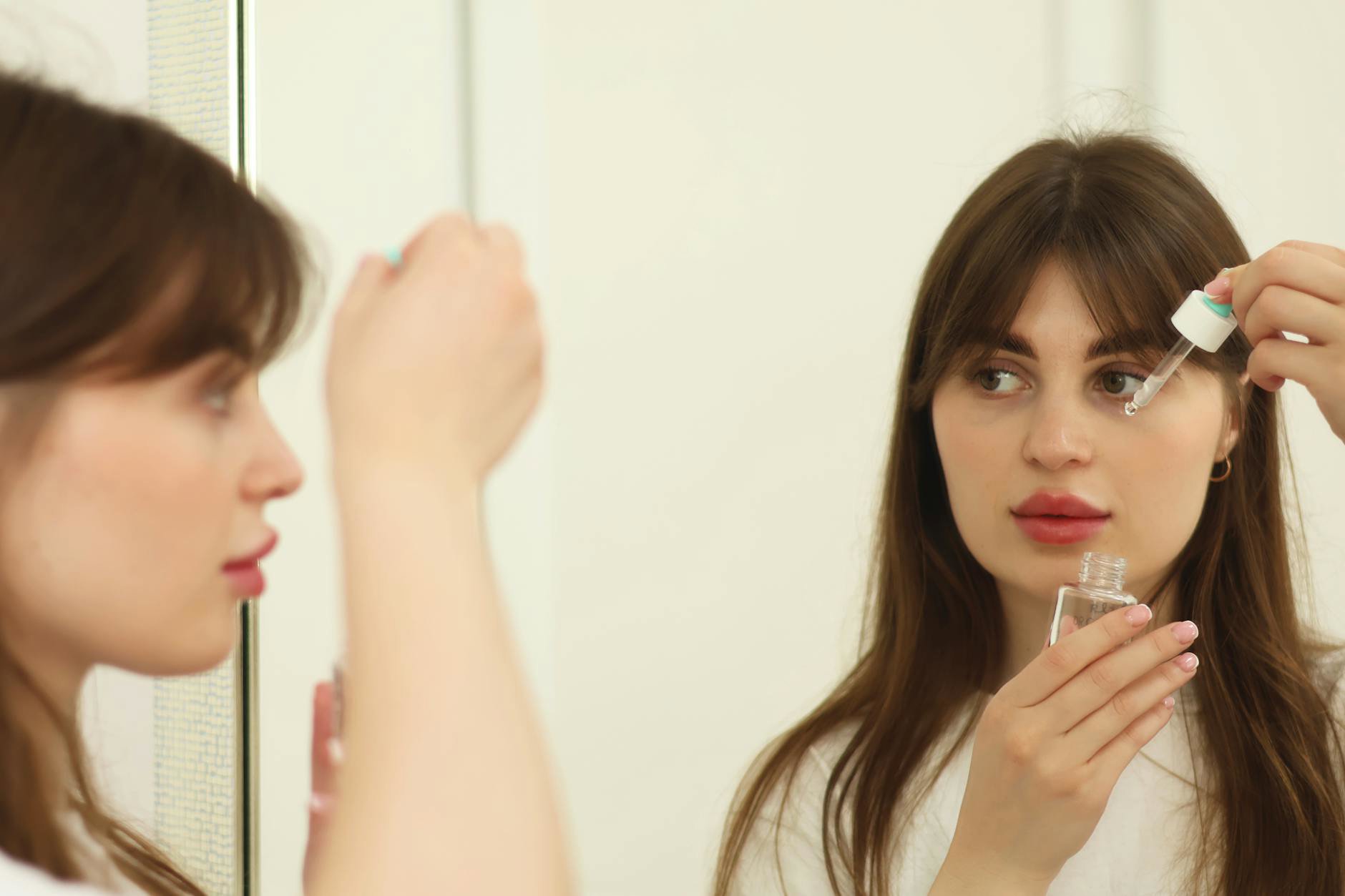
I’ve watched foundation advice swing from full beat to “just use a tinted moisturizer” and back again. The truth: most “you’re applying it wrong” content fixes one problem while creating another.
Here’s what works in real bathrooms with real lighting.
Step 1: Prep based on your skin by noon, not by 8 a.m. If you get shiny by lunch, use a lighter Face Primers option on the T-zone only. If you get flaky around the mouth, skip mattifying primer there.
Step 2: Use less foundation than you think. Start with half a pump. Apply to the center of the face and blend outward. You can always add coverage where you need it.
Step 3: Pick the right tool. A damp sponge gives the most skin-like finish but can waste product. A dense brush saves product but can leave texture if you rush. If you already own solid Makeup Brushes & Applicators, use them and wash them weekly. Dirty tools create breakouts that lead to more buying.
For dependable bases I see women repurchase, I think of classics like Estée Lauder Double Wear when you need longevity, and lighter skin tints when you don’t. I also like browsing Liquid Foundations by finish and wear time, then checking GlamGeek price tracking so you don’t pay full price out of habit.
Verdict on most viral foundation hacks: skip them. Fix your prep and your tools first.
Ingredient “eco” claims: what I consider meaningful (and what I don’t)
Brands love to distract us with one hero ingredient story. Meanwhile the formula irritates your face, and you toss it. Waste.
Meaningful to me looks like: stable formulas, smart preservation, and fewer sensitizers for no reason. If a brand removes fragrance and essential oils from a product meant for barrier repair, I see that as practical sustainability. You’ll finish it.
Here’s how I translate ingredient claims into shopping decisions:
- “Upcycled” extracts: Interesting, but I treat them as a bonus. If the base formula lacks proven hydrators, I don’t buy it for the story.
- Biodegradable formulas: Great in theory. I still need it to perform and not leave residue, especially if you have hard water.
- Fragrance: If your skin reacts, fragrance-free reduces the odds you’ll abandon the product. That’s a win.
- Actives: I stick to proven ones. Niacinamide for oil and tone. Retinoids for lines and acne. Azelaic acid for redness and bumps. These reduce “trial-and-error” waste.
If you want a straightforward anti-aging lane, browse Anti Ageing Face Serums and commit to one for 12 weeks. If you jump every two weeks, nothing works and you burn money.
And please, for the love of your barrier, skip baking soda hacks. Dermatologists keep warning about them for a reason. Baking soda runs alkaline and can disrupt your skin’s acid mantle fast.
Budget-friendly sustainability: how I build a routine that doesn’t overbuy
Lower-waste beauty can get preachy fast, so I’m going to keep this grounded: the most sustainable routine is the one you repeat.
Here’s how I set up a cabinet that stays calm.
- One cleanser open at a time. If you love a foaming wash, stick with it. Browse Foam & Wash Cleansers and pick a reliable option you can find at Target or Ulta.
- One treatment lane. Acne: salicylic acid or adapalene. Pigment: azelaic acid or a gentle vitamin C. Fine lines: retinoid. Don’t hoard three.
- Two moisturizers max. One light, one rich. That covers seasons and prevents “I need a new cream” shopping.
- SPF you’ll wear. Texture matters more than mineral vs chemical debates online. Wearable SPF beats ideal SPF you hate.
- Set a replacement rule. No backups until you’re under 20% left. This single rule cuts waste hard.
When I want affordable makeup that performs, I look at NYX for base and lips, Revolution for trend shades, and KIKO when I want that “higher-end feel” without the price leap. For eye looks, I’d rather own one solid Eye Shadow Palettes than five mini impulse buys.
And if you love minis, use them strategically. A mini of a pricey foundation can reduce waste if you never finish full sizes. That’s smart, not “cheap.”
What this means: the sustainable routine is the boring one that you finish
If you take one thing from the sustainability headlines, let it be this: brands will keep releasing new materials, new refill concepts, and new trend textures. Your job isn’t to keep up. Your job is to buy what fits your skin and your habits.
My practical takeaways: commit to fewer products for longer, prioritize packaging that doesn’t annoy you, and stop outsourcing your routine to TikTok. When you reduce irritation and impulse buys, you cut waste and save money without sacrificing results.
You don’t need perfection. You need consistency.
My final verdicts (worth it vs. skip it)
Worth it: refills you can buy easily, fragrance-free barrier staples you’ll finish, and one proven active you can tolerate for 12 weeks.
Skip it: vague “eco” marketing with no specifics, complicated return-to-recycle schemes you won’t maintain, and viral DIY hacks that risk irritation and force you into repair shopping.
What are you trying to buy less of this year—skincare backups, trend makeup, or “just in case” products that never get opened?