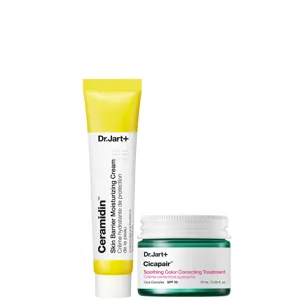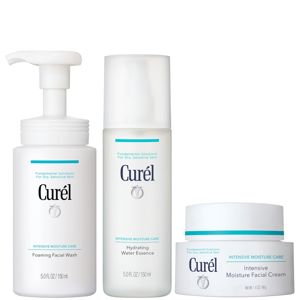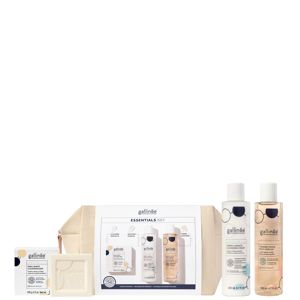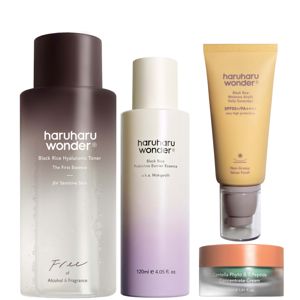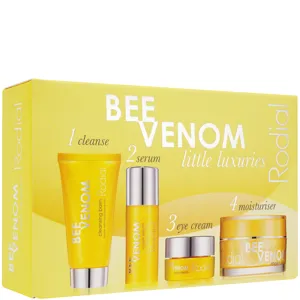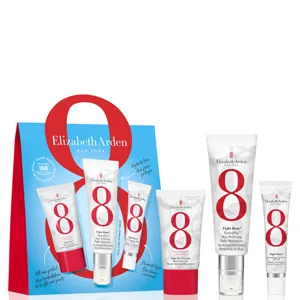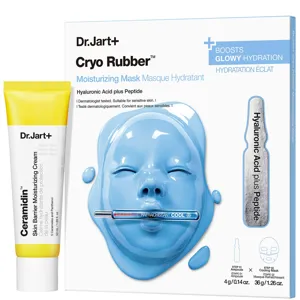
Starter skincare sets promise a full routine in one box. Some deliver standout value. Others pad the lineup with fillers you won’t reach for twice. Our price tracker has flagged a steady trend: the best kits sell out fastest when promotions hit, while sets with weak hero products linger even with markdowns.
We also see a big spread in price-per-ounce once you break each kit down by step. Cleansers and moisturizers often carry the bulk size, but serums and SPF usually anchor the value. If the kit skimps on those, the savings shrink fast.
So what should a smart starter kit include, what does each step do, and which extras make sense versus hype? Here’s a practical checklist based on what retailers bundle, what ingredients do the heavy lifting, and how to stretch every mini and full size for real results.
Context: What brands include, when sets drop, and how value stacks up
We’ve tracked skincare pricing across major U.S. retailers since 2010. Starter kits surge every holiday season, with early launches in October and peak sell-through between Black Friday and Cyber Monday. Spring brings a second wave around Sephora’s Spring Savings and Ulta’s 21 Days of Beauty. Retailers refresh sets again before Memorial Day and back-to-school, then ramp up for Q4.
Where you shop matters. Sephora and Nordstrom favor prestige bundles with clinical-leaning actives and glossy packaging. Target, CVS, and Walgreens stock more drugstore sets with generous cleanser sizes and simple moisturizers. Amazon swings wide; you can snag prestige discovery sets or private-label basics. Our feed frequently spots the same kit at two or more stores at once, sometimes with different gifts-with-purchase on top.
Value hides in the details. Travel sizes often overrepresent the serum step, which drives perceived results. Some lines balance that with a full-size cleanser or cream. Others stack three minis and call it a routine. Before you add-to-cart, scan the steps. Then compare per-ounce math. You’ll see why some sets punch above their sticker price while others fall flat.
If you want a straight view of what’s current, browse Skin Care Sets on GlamGeek. Add promising kits to your wishlist and we’ll ping you when prices shift. We track prices across Sephora, Ulta, Nordstrom, Target, and Amazon so you don’t have to.
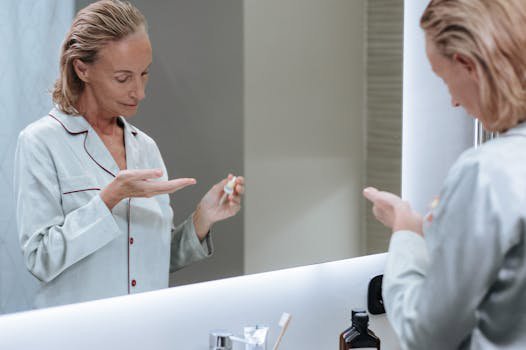
{{IMAGE:skincare set flatlay products on bathroom counter}}Cleanser: the non-negotiable anchor of every set
Almost every starter kit includes a cleanser. That’s the backbone of any routine and a smart place to drive value. You’ll see three main formats: gel or foam, cream or milk, and balm or oil. Gel and foam cleansers suit normal to oily skin and humid climates. They cut sunscreen and light makeup without a film. Cream and milk cleansers cushion dry or sensitive skin, especially in cold or arid weather. Balms and oils excel at makeup removal and sunscreen breakdown as a first cleanse at night.
Retailers often bundle a foaming gel because it pleases the widest group. Check the formula. Gentle surfactants like coco-betaine or sodium cocoyl isethionate cleanse without a tight feel. If your kit includes a fragrant gel that leaves your face squeaky, save it for post-gym or a body wash stand-in; it doesn’t need to be your daily driver.
Double cleansing makes sense if you wear long-wear makeup or water-resistant SPF. Many sets skip the balm to keep prices lean. In that case, pair your kit’s gel wash with micellar water or a balm you already own. If you’re shopping for the wash step itself, skim our Foam & Wash Cleansers category. Use the wishlist to catch price dips across stores before you restock.
Toner, essence, or mist: do you need this step?
Starter kits handle this step three ways: include a hydrating toner or essence, tuck in an exfoliating toner, or skip it entirely. Hydrating toners use humectants like glycerin and hyaluronic acid to pull in water. They plump skin and boost slip for serums. Essences do similar work, sometimes with fermented extracts or soothing botanicals. Mists add convenience, but they can vanish on contact unless you apply more product after.
Exfoliating toners lean on glycolic, lactic, or salicylic acid to brighten and clear pores. They can lift tone and texture, but they also raise the risk of irritation in a basic set. Many brands exclude strong acids in starter kits for that reason. If your set includes an acid toner, start a few nights per week. Alternate with your serum on off nights to keep your barrier calm.
If you shop by this step, check ingredient order, not marketing headlines. A strong claim means little if the active sits at the bottom of the list. You can scan options in our Face Toners section and filter by concern. Expect more hydrating formulas in kits aimed at dry or sensitive skin, and milder acids in kits labeled for brightness or pores.
Serums decoded: vitamin C, hyaluronic acid, niacinamide, and retinol
Serums carry the action. Brands build kit value around them because they change skin fastest when you pick the right one. Four ingredients dominate beginner sets: vitamin C, hyaluronic acid, niacinamide, and retinol or retinoids.
Vitamin C supports brightening and helps defend against free radicals in the day. Look for stable forms in opaque, air-restrictive packaging. L-ascorbic acid works fast but can sting and destabilize. Ascorbyl glucoside and tetrahexyldecyl ascorbate run gentler. Brands often pair vitamin C with ferulic acid or vitamin E to bolster stability. If your kit houses a C serum, use it after toner and before moisturizer each morning.
Hyaluronic acid pulls water into the skin. It gives quick bounce but doesn’t seal moisture on its own. Layer it under a cream and apply on damp skin for best effect. Niacinamide strengthens the barrier and calms redness. It plays well with most routines and works in both AM and PM.
Retinol and related retinoids suit nighttime. They target fine lines, breakouts, and texture. Start slow. Use a pea-sized amount two or three nights per week, then build. Pair with rich moisturizer on top. Many kits include a mini retinol to let you try without commitment. We like that approach if the rest of the kit stays simple. Browse options under Day Face Serums when you want a targeted step, then add it to your GlamGeek wishlist to watch for retailer price swings.
Moisturizers: gels vs creams, day vs night
Moisturizers do three jobs: hydrate, seal, and support the barrier. Gels and gel-creams lean light. They layer well in humid climates and under sunscreen. Look for glycerin, hyaluronic acid, and light emollients. Creams carry more emollients and occlusives like squalane, shea, ceramides, and petrolatum. They help dry or mature skin and any face that runs a heater in winter.
Many starter kits include one moisturizer for both AM and PM. That works if your climate runs moderate and you like a simple build. If the kit excludes SPF, plan to add sunscreen on top in the day. If dryness spikes at night, consider a thicker option as your PM layer. A few kits split day and night formulas. Day creams often feel lighter and sit well under makeup. Night creams tend to add peptides or richer oils.
Want to shop this step on its own? Compare textures and claims in Day Face Moisturisers and then check richer options under Night Face Moisturisers. Save favorites to your wishlist so you catch the next sale at Sephora or Ulta without refreshing pages all week.
Sunscreen: why many kits skip it, and how to add it back
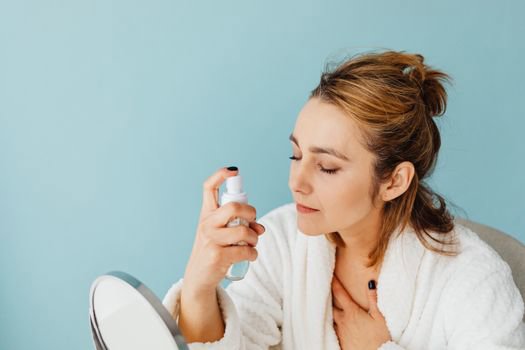
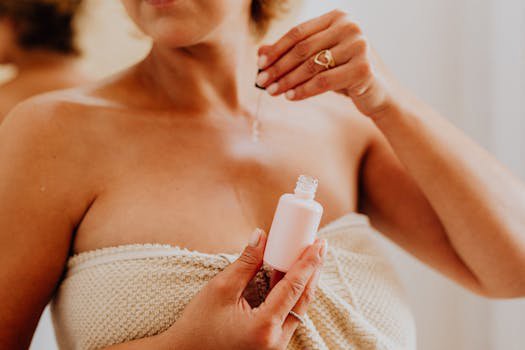
Sunscreen should sit at the end of your morning routine. Broad-spectrum coverage helps limit dark spots and lines, and supports every brightening serum you use. Yet many starter sets omit SPF. Reasons vary: shade matching for tinted formulas, active filters that trigger sensitivities, or global regulations that complicate U.S. distribution. Brands also prefer you to pick an SPF texture you love so you apply the right amount every day.
You have two main paths: mineral filters like zinc oxide and titanium dioxide, and chemical filters like avobenzone and octisalate. Mineral SPFs can look chalky on deeper skin and may feel dry. Chemical SPFs feel lighter and leave less cast, but some sting or irritate. A growing group of hybrid formulas blends the two. Tinted mineral SPFs help offset white cast without acting like true makeup.
If your set leaves out SPF, choose a standalone you enjoy. That choice matters more than any serum in your kit. Scan our SPF Protection Products to compare filters, finishes, and sizes. We track stock shifts across Nordstrom, Sephora, Target, and Amazon. Add your top picks to a wishlist and set alerts for holiday and spring promotions.
Exfoliants and masks: weekly boosts without overdoing it
Some starter kits add an exfoliant or a face mask as a weekly extra. Chemical exfoliants use AHAs and BHAs to lift dullness and smooth texture. Physical scrubs use fine particles. We see fewer scrubs in modern sets because scrubs can overdo it, especially on sensitive skin. If your kit includes both a retinol and an acid, alternate them. Keep at least one night buffer between strong actives when you start.
Masks add targeted benefits. Clay and charcoal help oily zones and congestion. Hydrating masks pack glycerin, hyaluronic acid, and occlusives for a quick comfort hit. Sheet masks deliver a short drench of humectants. Overnight masks sit like a rich cream to seal hydration. Kits often include a mini mask to promote weekly use without inflating the price. That makes sense for beginners.
Patch test new actives on the jawline or behind the ear. Combine only one strong exfoliant at a time. If a kit steers you toward daily acids and nightly retinol out of the gate, we’d slow that build. Find exfoliants suited to your skin goals in our Face Exfoliants category and filter by concern. Save potential buys to your wishlist to catch price drops during Ulta’s periodic skin events.
{{IMAGE:woman applying sunscreen in bright bathroom}}Eye creams, spot fixes, and extras: when they earn a spot
Eye creams divide opinion because many face creams already suit the eye area. We see value when formulas add caffeine for puffiness, peptides for firmness, or light-diffusing pigments for instant brightening. Gels suit morning if concealer creases over rich creams. Balms suit dry under-eyes at night. If your kit includes a small eye cream, treat it as a bonus perk, not the linchpin of the value.
Spot treatments sometimes land in blemish-focused sets. Salicylic acid helps clear clogged pores. Benzoyl peroxide targets blemish-causing bacteria. Use a thin layer on active spots only. Avoid stacking with retinol on the same night until your skin adjusts. A sulfur paste can calm inflamed bumps without the bleach risk of benzoyl peroxide on fabrics.
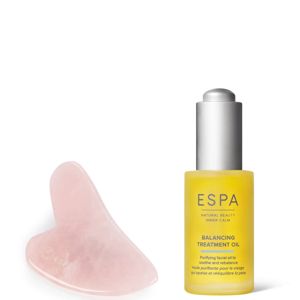
Other extras show up as lip balms, cleansing tools, or facial oils. Lip care adds comfort, especially if your routine introduces retinoids or acids. Tools can feel nice, but they rarely change outcomes compared to consistent cleansing and SPF. Oils make sense over a lightweight moisturizer at night if your climate runs very dry. If a kit uses these extras to pad weak core steps, skip it. Strong cleansers, serums, moisturizers, and SPF beat a drawer of gadgets.
How to choose the right starter set for your skin
Match the kit to your current skin and your climate. Oily or acne-prone skin pairs well with gel cleansers, a niacinamide or salicylic-focused serum, a light gel-cream, and a non-greasy SPF. Dry or mature skin prefers a cream or milk cleanser, hyaluronic acid or ceramide serum, a richer moisturizer, and a dewy SPF. Combination skin can split the difference: gel in summer, cream in winter. If you live in a humid state, stay light on textures. If you face desert air or radiators, layer hydrators and seal with richer cream at night.
Scan the ingredient deck for fragrance and essential oils if you run sensitive. Many starter sets tone down essential oils, but not all do. If your skin reacts often, aim for fragrance-free and limit actives to one at a time. Look for ceramides, cholesterol, and fatty alcohols to support the barrier while you test.
Packaging tells a story. Opaque, pump-friendly bottles protect sensitive actives like vitamin C and retinol. Clear, open jars look pretty but expose ingredients to light and air. Starter kits with smart packaging for actives usually give better results over time. That detail beats a fancy pouch in the box.
Consider your schedule. If you want a two-step AM and two-step PM build, pick a kit with a balanced moisturizer and one serum. If you love experimentation, a discovery set with three minis can help you test textures without a long commitment. Add the kit to your GlamGeek wishlist. We’ll send an alert when the price shifts during Sephora sales, Ulta events, or Amazon weekend promos.
How retailers bundle, where the value hides, and when to buy
Sephora and Nordstrom often spotlight clinical brands and put a full-size hero in the box, like a moisturizer or serum, then round out with two or three minis. Ulta leans into both prestige and mass, and builds frequent gift-with-purchase deals around kits. Target and drugstores bundle bigger cleansers and creams to drive everyday value. Amazon sellers mix house brands with well-known lines; compare sellers and check return policies.
The best time to buy: holiday season, spring savings events, and long-weekend promos. Our data shows the steepest markdowns hit kits with older packaging or an outgoing formula. That doesn’t mean the product fails. Brands refresh boxes and artwork often. If you don’t mind last season’s print, you can snag strong value with the same ingredients inside.
Do the per-ounce math before you fall for a headline discount. A kit that claims a huge savings number can still dilute value if it hides the hero step in a tiny mini. Flip that around: a modest discount on a set that contains a full-size serum and a full-size SPF can beat a flashier bundle with three small extras you won’t finish.
Before you commit, check our comparison on GlamGeek under Skin Care Sets. We pull current prices from Sephora, Ulta, Nordstrom, Target, and Amazon. You’ll often spot a meaningful gap. Add a few contenders to your wishlist and let the alerts do the work while you get on with your week.
Build a simple routine from a basic set: AM and PM
AM routine from most starter kits:
- Cleanser: Use a gentle gel or cream. Rinse well.
- Toner or essence (optional): Pat on a hydrating layer if your skin feels tight.
- Serum: Use vitamin C or niacinamide. Let it absorb.
- Moisturizer: Pick the lightest texture that keeps skin comfy under SPF.
- SPF: Apply a generous, even layer as the last step.
PM routine from most starter kits:
- Cleanser: Remove makeup and sunscreen. Consider a balm first if you wore long-wear makeup.
- Toner (optional): Use hydrating toner on non-exfoliation nights.
- Serum or retinol: Start retinol two or three nights weekly. Alternate with your hydrating serum.
- Moisturizer: Choose a richer cream at night if you run dry.
- Extras (1–2 nights weekly): Add an exfoliant or mask as your skin tolerates it.
If your kit lacks SPF, fill that gap first. That single change improves every brightening and smoothing result you chase. You can browse options in our SPF Protection Products and use GlamGeek alerts to catch timely discounts.
Common starter kit pitfalls and easy fixes
Too many actives in week one: Many sets stack acids, vitamin C, and retinol. That looks powerful on a box. Your skin needs time to adjust. Introduce one active at a time. Space them across the week. Keep moisturizer steady to support the barrier.
Mini overload: Discovery sets feel fun, but three 5 ml bottles don’t equal one full routine. Decide your goal. If you want to test textures, minis help. If you want a working regimen, pick a set with at least one full-size core step.
No SPF: We see this often. Brands skip sunscreen to dodge shade and filter debates. Fill the gap with a formula you like and will apply daily. That single habit does more than any eye cream.
Wrong cleanser for climate: A foaming gel can strip in winter. A heavy cream can feel greasy in summer. Swap in a wash that suits the season. Our Foam & Wash Cleansers page shows options by texture so you can match weather fast.
Fragrance sensitivity: Some kits still include essential oils or perfume. If your skin flushes or stings, build a fragrance-free core. Then add targeted actives once things calm down.
What this means: a clear path to the right kit
Starter sets can save money and guesswork when they bundle smart steps. Look for a gentle cleanser, one targeted serum that matches your goal, a moisturizer that fits your climate, and a plan to add SPF if the box skips it. Extras like masks and eye creams can sweeten the deal, but they should not replace a strong core.
Do your value check before you buy. Read the sizes and scan the ingredient lists. Compare per-ounce costs on the steps that matter most to you. Then use GlamGeek’s price comparison and wishlist alerts to time your purchase. You’ll feel the difference between a kit you actually finish and one that gathers dust.
Want a shortcut? Start with a gentle wash, a daytime brightening or hydrating serum, a moisturizer that suits your skin type, and broad-spectrum SPF. Add one exfoliant night per week. If a kit mirrors that lineup in sizes you’ll finish, it’s a strong bet.
Final check before checkout
Ask three questions: Does this kit match my skin and climate? Do I like the textures enough to use them daily? Does the size mix put value behind the step I care about most? If you can answer yes, your set will work harder than a bigger box with filler.
Use our filters under Skin Care Sets to compare what’s inside, then tap the heart to set wishlist alerts. We’ll send you price updates from Sephora, Ulta, Nordstrom, Target, and Amazon. Check the cleanser and moisturizer categories if you want to swap a single step. Face Toners, Day Face Serums, Day Face Moisturisers, and Face Exfoliants give you a clear view to fill gaps without guesswork.
Over to you
Which step do you want your starter kit to nail first: cleanser, serum, moisturizer, or SPF? Add a few sets to your GlamGeek wishlist, watch the price alerts roll in, and tell us which box earned a spot on your shelf.

![[coat]s Skinsentials Kit](https://media.glamgeek.com/media/2026/01/16/8cb5ad81-e685-4460-8f0e-1af4a1f028f9_sm.jpg)