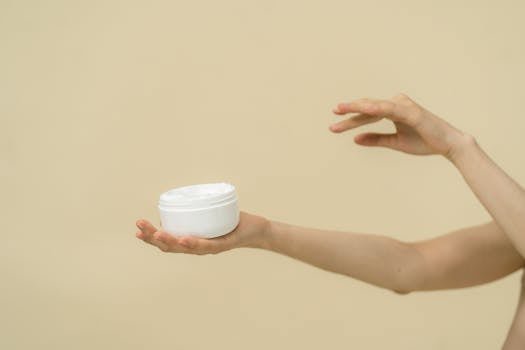

Our price tracker shows a funny pattern in 2026: launches shout about longevity, yet carts still crowd around the same five ingredients. Retinoids. Vitamin C. Niacinamide. Ceramides. Sunscreen. The names stay steady while formulas, textures, and price tags shuffle.
That tells us something clear. Skin longevity wins when you repeat the basics with care, not when you chase every headline. You can build a routine that protects firmness, tone, and comfort without wrecking your barrier or your budget.
Here is the edit we rate for the year ahead. It respects seasons, works across humid summers and dry winters, and plugs into real sales windows at Sephora, Ulta, Target, Amazon, and Nordstrom. It also trims the fluff that pushes costs up and results down.
Context: why 2026 rewards restraint
Across our merchant feed we saw more peptides launch in late 2025 than retinol serums. Brands positioned them as gentler support acts for firmness and texture. They help, but they do not replace sunscreen or retinoids. The data points to layering smarter, not wider.
Discounts now cluster around known events. Ulta 21 Days of Beauty still drops select serums to one-day prices. Sephora Spring Savings and Black Friday remain the easiest times to replenish retinoids, Vitamin C, and SPF. Kits cut cost-per-use, while singles often hold margin. We see stronger percentage cuts on gift sets and discovery sizes than on bestsellers.
Moisturizers and cleansers move more at Target and Amazon, while prestige serums and sunscreens swing at Sephora and Nordstrom. That split reflects price tier as much as brand strategy. Checking a price comparison before you click buy saves real money. We track prices across major retailers so you do not have to. Add your short list to your GlamGeek wishlist and we will ping you when the number drops.
Weather also keeps this honest. Women in the humid south fight sunscreen slide and midday oil. Women in the high desert chase moisture that never seems to stick. The northeast wants both: stout winter occlusives and spring switch-outs that cut weight, not results. One routine can flex if you set the right foundation.
{{IMAGE:woman minimalist skincare shelf bathroom}}The 3-2-1 structure: a longevity routine you can stick to
Trends shift. Skin loves rhythm. We build longevity around a 3-2-1 structure that fits most budgets and climates, and that plays well with sale cycles.
Three anchors you use daily: a gentle cleanser, a barrier-first moisturizer, and broad-spectrum sunscreen. Two actives you repeat through the week: one retinoid at night and one antioxidant by day. One targeted support you deploy as needed: exfoliation, pigment help, or extra hydration. You can scale each piece up or down without blowing up your barrier.
Daily anchors earn the most dollars because they touch skin the most. Spend where you feel the texture and performance, but do not overspend. Many reliable cleansers and moisturizers live at Target and Amazon. Check our comparisons for brands like Clinique, L'Ore9al, and Sephora Collection. They run seasonal promos that make backups sensible buys.
For the two actives, lock your retinoid first. We treat it as the engine for texture, fine lines, and tone over years, not weeks. Pair it with an antioxidant serum you like enough to use every morning. If you dislike how it feels, you will not keep it. Longevity hates drama and loves consistency.
Your one support slot stays flexible. In summer, that slot might hold azelaic acid to calm redness and tame pores. In winter, swap in a lightweight oil or an extra ceramide layer under your night cream. Use our category pages for quick sorting: find light hydrators in Day Face Serums and everyday creams in Day Face Moisturisers.
Retinoids without the red face: cycling that works year-round
Retinoids hold their spot. Most women build results from a retinol or retinaldehyde before stepping into prescription strength. We back that ladder because it respects real skin and real winters.
Start with a low-to-mid retinol two nights a week for three weeks. Feed the barrier on off nights. Then step to three and, if skin stays calm, to four. If you run retinal, keep the same cadence at first. Retinal hits hard, so the slow ramp pays off. This plan suits humid summers and dry winters. In heat, thin your moisturizer. In cold snaps, buffer the retinoid with a bland cream before and after.
When peeling shows up, cut frequency, not your routine. Redness tells you to pause, rehydrate, and restart lower. Add niacinamide in the morning to support barrier lipids and reduce blotch. You can find plenty of niacinamide choices across Clinique, L'Ore9al, and Este9e Lauder ranges. Check our price tracker before you re-up; we often see better pricing on niacinamide than on retinoids during big promos.
Layer this way on retinoid nights: cleanse, pat dry, apply the retinoid to face and neck, wait a minute, then seal with a simple moisturizer. Skip acids on those nights. You do not win points for stacking heat. You win by using your retinoid for years without burnout.
Antioxidants that show up: Vitamin C and friends
Antioxidants support collagen and improve brightness. Vitamin C stays the headline because it can target tone and boost sunscreen performance. But you hold the power here: pick the format you will use. Serum textures range from water-light to creamy. If a pure L-ascorbic acid stings every day, use a stable derivative or mix your stack. Stability beats guilt.
We see Vitamin C promotions spike during Spring Savings and Black Friday. Mini sets help you test texture without paying full size margins. Check brand pages like Este9e Lauder and Clarins for seasonal kits, and then compare those against singles on our Antioxidant and Day Face Serums pages. Add what you like to your GlamGeek wishlist; we will nudge you when prices shift.
Build the morning stack like this: cleanse lightly, apply Vitamin C or a mixed antioxidant serum (C + ferulic, C + niacinamide, or peptide-rich blends), then a weightless moisturizer if you need slip, and finish with high SPF. If your climate runs humid, drop the mid-layer and let sunscreen carry the hydration. If your air runs dry, keep the sandwich. That small switch keeps the routine steady in July and in January.
Not a Vitamin C fan? You still have options. Look at resveratrol, EGCG, coenzyme Q10, or peptide-antioxidant hybrids. We see these across Shiseido and Guerlain at prestige pricing, and across L'Ore9al and Avon for lower cost. Texture drives compliance, which drives results.
Barrier first: the unglamorous work that pays off
Skin longevity lives or dies on barrier health. You need lipids, humectants, and soothing buffers that let actives do their job. Ceramides, cholesterol, and fatty acids build the mortar. Glycerin, hyaluronic acid, and urea pull in water. Panthenol, allantoin, and oat calm the noise. None of these win launch day, but they save your month.
We push a two-moisturizer plan for most climates. Keep a lighter gel-cream for humid mornings and a richer cream for cold nights or after actives. This costs less than buying three serums that promise the same comfort. You also control your finish under makeup. You can find strong options across Clinique, Sephora Collection, and Clarins. Check our Day Face Moisturisers page for textures and filters you can sort in seconds.
Patch test new barrier formulas the week before you reintroduce actives. Add them first, then layer your retinoid a few days later. This order keeps the barrier in front. If you struggle with tightness around the mouth, rub a plain balm there before your retinoid. Women in windy states swear by that simple buffer all winter. No trend replaces that trick.
If you prefer fewer layers, hunt moisturizers that blend ceramides with niacinamide. They lock water while nudging oil balance and tone. We often see those sit at mid-tier pricing with strong value per ounce. Our tracker flags size-to-price plays all year, not just on holidays.
Sunscreen is the strategy: filters, finishes, and reapplication
SPF ends the debate. Use a broad-spectrum sunscreen you like enough to apply every day. That means UVA and UVB coverage, a texture you can stand, and a finish that suits your skin type. Mineral, hybrid, or organic filters can all work if you apply enough and reapply when sun exposure stacks up.
Pick your finish by climate. In humidity, go for gels, fluids, or blurring hybrids that control shine. In dryness, reach for creams and hydrating hybrids that cushion fine lines. In winter sun and on high-altitude trips, dial up to higher SPF and reapply. That logic stays simple and it works. Browse our SPF Protection Products page and filter by finish so you do not settle for a texture you will skip.
We see the best sunscreen discounts during big retail events and in late summer clearances. Sephora and Nordstrom favor prestige filters. Target and Amazon tend to run multipacks and family sizes. Price varies wildly across stores, so hit our comparison before checkout. Add your favorite to your GlamGeek wishlist and we will alert you when it moves.
Reapplication makes or breaks real protection. Carry a travel fluid, a stick for lines and ears, or a puffable powder for T-zone touch-ups over makeup. Powder does not replace a morning coat, but it keeps sheen and adds a little buffer at noon. If you apply Vitamin C first, you hedge against missed spots and long commutes.
{{IMAGE:close-up woman applying sunscreen outdoors}}Exfoliation with restraint: acids, azelaic, and timing
Exfoliation helps texture and tone, but it can wreck a routine fast. Do less than you think you need, at lower strength than you feel brave enough to try, and not on retinoid nights. That approach ages well.
We rate lactic acid for dry or sensitive skin and salicylic acid for oil and congestion. Glycolic works, but it asks for caution. Space acids two nights a week at most when you run a retinoid. If you want pigment help without the sting, reach for azelaic acid. It suits redness-prone skin, it plays nicely with niacinamide, and it supports the barrier more than classic AHAs do.
Time your acids around climate. In sticky summers, use salicylic once or twice a week in the evening instead of your retinoid. In dry winters, swap that for lactic or skip exfoliation for a stretch while you fix the barrier. Keep it tidy: cleanse, acid, bland moisturizer. Do not stack extra serums on top. Your skin already did the work.
Use our Face Exfoliants page to filter by AHA, BHA, or azelaic claims before you buy. We often see acids drop into sale bins during Ulta 21 Days of Beauty. The half-price window runs for 24 hours and then it vanishes. If you do not want to hover, add your shortlist to your GlamGeek wishlist and wait for a ping.
Peptides and growth-factor mimetics: what earns the spend
Peptides step in as support players. They can signal, hydrate, or buffer irritation. They do not replace retinoids or sunscreen, but they can smooth the ride and add a small lift to fine-line care. The trick lies in finding value, not falling for every shiny jar.
We suggest two use cases. First, reach for a peptide serum on retinoid off-nights to feed skin without dulling results. Second, use a peptide-rich eye cream if your lids dislike retinoids. That precision keeps peptides from ballooning your budget. You can browse across price tiers on brand pages like Este9e Lauder, Lancf4me, and L'Ore9al, then compare those against indie-value picks on our Day Face Serums page.
We see more “growth factor” language in 2026. Much of it points to peptide blends that mimic signaling, not true growth factors. Treat the claims with a cool head. If a peptide serum feels great and supports your rhythm, keep it. If it crowds out your sunscreen budget, skip it. Longevity rewards the products you use daily over the ones that spark a week of excitement.
As for price, peptides swing hard between Target, Amazon, and prestige counters. Our tracker often flags a lower-per-ounce serum at mass that beats a luxe dupe. Before you pay more for a jar and a mirrored lid, run a quick check.
Smart extras: masks, tools, and makeup that plays nice
Masks and tools can help, but only when they serve the core plan. Sheet masks soothe before flights or after peel nights. A cream mask helps in bitter cold. Clay masks steady a T-zone in August. You do not need one of each. Pick one that aims at your biggest swing and park it in the “one support” slot we outlined above. Our Face Masks page can help you sort by skin type and goal.
Keep devices boring. A cold roller calms. A LED panel may support redness when used correctly and consistently. If you already skip sunscreen reapplication, a red-light panel will not save the day. Spend the money where you clock the highest use. Save device splurges for Black Friday or for retailer-specific events where bundles drop. We see stronger bundle values than single-device cuts most of the time.
Makeup can either fight or forward your skincare. Choose foundations and primers that do not pill over your SPF. Blurring mineral sunscreens often double as primer. If you go with a separate base, look for flexible textures in Face Primers and modern bases in Liquid Foundations. Many women find that a satin base holds best in heat while a luminous base flatters winter skin. Adjust finish by season and keep the rest steady.
When you want a treat, consider fragrance or color instead of another serum. A new lipstick does not disturb your barrier. Browse our Lipsticks page for shades, or sample prestige scent families across Eau de Parfum Perfumes. Set alerts on favorites so you catch price dips at Nordstrom or Sephora without refreshing a tab.
Real-world routines for four climates
Longevity thrives when you edit for weather. Here are four quick builds that use the same backbone with small shifts.
Humid south: Morning means gel cleanser if you broke a sweat, antioxidant serum, light gel-cream if needed, then a matte or hybrid SPF fluid. Midday, tap on a powder or stick SPF over the T-zone. Night means a gentle cleanse, retinoid three to four nights, and a thin emulsion to seal. On off nights, swap in a peptide or niacinamide serum plus a light cream.
Dry west: Morning means cream cleanser, antioxidant serum, cushy moisturizer, then a hydrating SPF cream. Reapply with a fluid or stick to avoid chalk. Night means a gentle cleanse, retinoid two to three nights with a buffer cream, and a richer ceramide moisturizer. On off nights, use a lactic acid or azelaic acid once or twice a week and layer an occlusive balm on tight spots.
Cold northeast: Morning means creamy cleanser, antioxidant, a mid-weight moisturizer, then SPF. Add a scarf. Reapply on commutes if you sit near windows. Night means cleanse, retinoid two to three nights, and a lipid-rich moisturizer. On non-retinoid nights, use azelaic acid or skip actives and mask with a barrier cream. Keep a humidifier near your bed.
Temperate swing states: Keep the same plan and adjust weights. Shift to lighter textures in spring and summer. Add oil and balm in the fall. The cadence remains the same, which keeps your skin settled when the thermostat tricks you.
What this means for your cart and your calendar
Skin longevity rewards boring choices you repeat. Build your cart around the anchors that touch skin every day. Lock your retinoid and your sunscreen first. Then pick an antioxidant texture you love. After that, add the one support step that solves your biggest swing. Resist the urge to collect extras that dilute your spend and your attention.
Plan your buys. Refill anchors during sitewide promos. Nab retinoids and acids during Ulta 21 Days of Beauty drops. Grab minis and kits at Sephora Spring Savings to test textures and confirm finishes under makeup. Compare prices across retailers on GlamGeek and add your short list to your wishlist so you catch quiet markdowns that never hit email blasts.
Read ingredient labels with a cool eye. Ceramides, glycerin, and niacinamide earn space. Vitamin C or a mixed antioxidant serum helps most routines. Retinoids deserve a slow, steady cadence that you can hold when work gets wild or winter bites. Sunscreen sits at the end and never negotiates.
We rate routines that flex with weather, not whims. Women in August sweat through rich creams that sold them in January. Women in February watch a featherweight gel crash under indoor heat. The fix is not another trend. The fix is one shelf that swaps weights by season and keeps the rest the same.
Your next three moves
- Write down your current anchors, actives, and support step. If any product duplicates a job, remove one.
- Open our SPF Protection Products page and save two textures: one for summer, one for winter. Add both to your GlamGeek wishlist to track prices across Sephora, Ulta, Target, Amazon, and Nordstrom.
- Pick one retinoid you can use through the year. Check brand pages for frequent promos: Clinique, L'Ore9al, Este9e Lauder, and Sephora Collection. Set an alert and wait for an event instead of panic-buying at full price.
That short list sets your 2026 routine up for years, not months.
We track prices across retailers daily, and we see the same truth repeat. Women who stick to a stable plan spend less over twelve months and get more compliments. They do not need a drawer of half-used serums. They need a thoughtful rhythm, a tube of SPF that never gathers dust, and one bottle of retinoid that keeps earning its spot.
Ready to build the calmest cart you have had in a while? Which product sits on your anchors list, and which one will you drop this week? Add your picks to your GlamGeek wishlist, then tell us where you plan to save and where you plan to spend.