Our price tracker shows a clear shift. Value beauty grows faster than prestige in Australia, and it has for the past two years. Shoppers still want results, but they want proof of payoff per dollar, not just pretty packaging.
That change sits everywhere. Woolworths expands its beauty aisles, Chemist Warehouse tightens its promo cycle, and K‑beauty lands at local stockists rather than only through freight-forwarders. The data points to one thing. You can buy better in 2026 without a bigger haul.
Context: Why value beats volume this year
Inflation cooled from its 2022 spike, but luxury beauty rarely rolled prices back. Our feed across Mecca, Sephora Australia, and MYER logged steady RRP creep in 2024–2025. We still see an “Australia tax” on many imports. Premium launches often arrive later and carry a 10–25% gap compared with the US. Local shoppers adjusted. They timed buys and mixed tiers.
Drugstore and supermarket aisles stepped up in response. Chemist Warehouse runs deep cosmetics and skincare promotions on a tight rhythm. Priceline stacks member offers and seasonal events. Woolworths and Coles gave prime shelf space to serums and SPF, not only body wash. The result shows up in our basket data. Women split their spend across chemist staples, a few prestige anchors, and targeted K‑beauty picks.
Timing matters more than ever. We log discount spikes during Click Frenzy, Afterpay Day, EOFY, and Boxing Day. Fragrance and skincare swing hardest. Colour cosmetics rotate through half‑price events on a cycle we can predict. Add the right products to your GlamGeek wishlist and we’ll ping you when they drop, so you can skip the “buy now, regret later” trap.
{{IMAGE:Australian woman shopping beauty aisle}}Supermarket aisles got smarter: what to grab, what to skip
Woolworths and Coles now carry serious skincare basics. You’ll find niacinamide serums, ceramide creams, and fragrance‑free cleansers next to toothpaste. This shift helps if you build a routine around actives that play well together, not hype.
Focus on ingredients, not claims. Look for urea at 5–10% for body roughness, glycerin high in the list for face hydration, and niacinamide around 2–5% to support barrier care. Skip “miracle” blends that hide percentages. In the tropics and during summer, go light. Gel‑cream textures survive heat and humidity better than rich balms during the day.
Supermarket haircare punches above its price when you match it to your water and climate. Hard water builds residue fast, so rotate a clarifying shampoo once a week, then follow with a moisturising conditioner. Curly and coily hair needs slip and humectants. Watch for polyquaternium and panthenol near the top of the list.
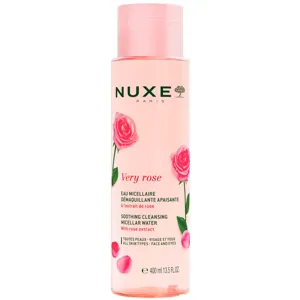
Where to start if you want proven picks? Micellar waters and basic cleansers from mass brands tend to test well. A simple hyaluronic serum can hydrate under sunscreen without pilling. For tried‑and‑true budget staples, check pages like Garnier and L'Oréal on GlamGeek. Add favourites to your wishlist and compare retailer availability before you head to Woolies for the weekly shop.
Chemist wins: master Priceline and Chemist Warehouse timing
Our promo logs flag a rhythm. Priceline rotates half‑price cosmetics and skin events every few weeks, and it stacks extra value with Sister Club offers. Chemist Warehouse pushes sharp discounts on fragrance and suncare, and it repeats hero deals across the year. You’ll save more if you sort your list by category and strike when your category drops.
Build a split strategy. Buy short‑lived items at the chemist during half‑price runs: mascara, brow pencils, makeup sponges, and body wash. These expire faster or dry out between seasons. Stock sunscreens in family sizes during big suncare events, but always check dates. Keep unopened tubes cool and out of the car.
Anchor your cart with proven derm picks. Look for retinol serums from pharmacy brands with clear concentration and buffer with ceramides. Choose azelaic acid around 10% for congestion and tone. In our heat, avoid stacking too many acids. Alternate nights work better for most women and reduce redness.
Use GlamGeek to plan your month. We track prices at Priceline and Chemist Warehouse alongside Adore Beauty, Sephora Australia, Mecca, and MYER. Compare the cart before you tap “checkout”. Add sale‑prone categories to your wishlist and we’ll alert you when the cycle flips in your favour.
Prestige where it counts: base, wear time, and shade nuance
Prestige still earns its keep in a few places. Base makeup sits at the top. Shade nuance, undertone accuracy, and long‑wear technology vary widely. That variation shows on hot days and during long commutes. You don’t want your foundation to slide before 10am.
We rate brands with broad shade maps and proven wear claims. Check pages like Estée Lauder and MAC. Build from their shade logic if you struggle to match olive or golden undertones. Pair the right base with blotting papers and a light dusting of translucent powder, not heavy layers that cake in humidity.
Application improves finish more than another layer does. Use a small brush to spot‑conceal around the nose and chin, then apply a thin, even veil of base. Sheer where you can, cover where you must. You’ll get a more natural look and less transfer onto collars.
Compare what you pay for payoff. A prestige foundation that you finish and repurchase beats three impulse buys that never match. Use our Liquid Foundations hub to check shades, read wear‑time reviews, and track prices across Australian retailers. Add your match to wishlist and watch for seasonal drops rather than chasing every limited edition.
Dupes, not duds: smarter swaps that actually work
“Dupe” content moved from viral to routine, but performance still wins. A good dupe hits 80–90% of the effect for a fraction of the spend. A bad one wastes time and clogs drawers. We see the best swaps in colour cosmetics where texture and finish matter more than exotic actives.
Where do smart swaps live? Powder highlighters, cream blush, gloss, and neutral eyeshadows. You’ll find plenty of strong options in value lines. Use brands like Revolution as a starting point when you explore trend shades. Save premium spend for your everyday nude lipstick or your one red that you finish.
Check the ingredient list and finish claims before you call it a match. A “dupe” matte lipstick that lists heavy oils high in the INCI won’t set the way a silicone‑rich formula does. Cream cheek tints with too much wax can sit on top of SPF and slide by lunch. Test texture on your jawline over your daily sunscreen. That check tells you more than a shade swatch on the back of your hand.
Don’t chase every viral swap. Build a focused list by category. Choose one neutral palette, one blush tone you love, one liner that survives a humid commute, and one bold lip. You’ll use each one to the last swipe and avoid the bottom‑drawer graveyard.
SPF first, Australia always: buy bigger, choose wiser
Australia has high UV year‑round. SPF sets the tone for the rest of your routine. Get this right and makeup sits better. Get this wrong and you’ll fight texture, redness, and pigment all season.
Look for broad‑spectrum claims and proven water resistance for beach days. For the office, buy comfort. Filters and textures differ. Some filters feel lighter and suit daily wear under makeup. A few formulas support high sweat resistance and still sit well under foundation. Check our SPF Protection Products hub to compare filters, finishes, and reapplication formats without guesswork.
We also track prestige SPF that holds in heat. Brands like Shiseido invest in sweat‑ and movement‑resistant films. Those films help when you rush for a bus or train in summer. For beach or sport days, that tech pays off. For desk days, a lighter gel‑cream sunscreen under a hydrating serum does the trick.
Reapplication matters. Keep a clear gel or stick in your bag for afternoon top‑ups. Set liquid base with a light hand so you can press on more SPF without pilling. And store sunscreen out of the car. Heat spoils filters and ruins texture before you notice.
{{IMAGE:flatlay sunscreen spf beach hat}}K‑beauty and J‑beauty: imported smarts, local stock
K‑beauty shed its “only via reshippers” label. You now find strong assortments at Adore Beauty, Sephora Australia, and dedicated Asian beauty stores. That shift makes sense for a country that needs gentle hydration and barrier support through long summers and office air‑con.
Focus on what these categories do best. Hydrating toners, essence‑serums, and light gel moisturisers. Look for ceramides, beta‑glucan, and madecassoside. Pair them with your SPF and a simple cleanser. Keep acids simple when humidity spikes. AHAs and BHAs still work, but use lower strengths and alternate nights to control irritation.
Watch the fine print on sunscreens. In Australia, primary sunscreens sit under the TGA system. Brands designed for other markets may sell as cosmetics here with different claims. Stick to local stock when you can, and buy suncare from trusted retailers. If you import, check batch dates and storage on arrival.
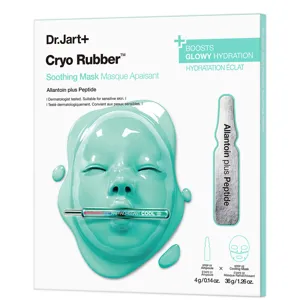
Sheet masks still have a place if you travel or fight office air‑con. Choose fragrance‑light options and look for ingredients like allantoin and panthenol. Use them as a quick reset rather than a daily habit. Your wallet and your bin will thank you.
Fragrance without the spend: smarter spritzes and sets
Fragrance prices climbed, but value lives in timing and format. Our logs show deep fragrance discounts during major events at Chemist Warehouse, MYER, and Adore Beauty. Gift sets add the best net value if you use the body lotion and the bag. The extra layer boosts longevity and reduces top‑ups.
Focus on strength and context. Eau de parfum often lasts longer in air‑con and lasts through meetings. Lighter eau de toilette suits humid days and small rooms. Layer a matching lotion or an unscented moisturiser first. Hydrated skin holds scent longer and reduces the need for midday resprays.
Test before you invest. Wear a scent for a full day if you can. Heat and humidity shift top and heart notes. What reads as fresh at 10am can feel heavy by 3pm. Use travel sprays to test a season, not just a strip. Then buy the size that you finish within 12–18 months, not the biggest bottle on shelf.
Track fragrance on GlamGeek to catch the right window. Add favourites to your wishlist, compare retailer stock in one place, and skip the guessing game.
Tools, hygiene, and storage: the quiet money‑savers
Great tools stretch every product. A dense foundation brush reduces waste. A soft crease brush fixes patchy shadow in seconds. A sharp brow pencil looks more luxe than any glitter topper. The upshot: you buy less makeup because your finish looks better.
Spend where fibres and shape matter, not on gimmicks. Start with a few workhorse shapes. A flat shader, a soft crease brush, a blush brush, and a small buffing brush cover most looks. Clean brushes once a week with gentle soap. Dry them flat. You’ll prevent breakouts and stop colour muddiness.
Storage matters in heat. Keep creams and SPF away from bathrooms and cars. Heat breaks emulsions and wrecks performance. Light ruins some actives. Use a cool drawer, not a sunny shelf. If something separates or smells odd, retire it. No bargain beats a rash.
Browse our Makeup Brushes & Applicators hub to sort shapes and materials. Add the shapes you’ll use weekly to your wishlist and wait for a tools promo rather than impulse‑buying another palette.
Seasonal strategy: tailor your cart to climate and calendar
Australian weather shifts hard by region. The north stays humid. The south runs dry and windy. Build your cart with that in mind. In summer, push lightweight hydrators, water‑resistant SPF, tubing mascaras, and stains. In winter, lift occlusives at night and use richer body creams after showers.
Plan the calendar. EOFY supports skincare and fragrance. Spring brings colour and base launches. Holiday sets pack the most value if you use every piece. If the set adds a shade you will never touch, skip it and buy the single. You still come out ahead.
Use data, not vibes. Our tracker shows repeat cycles at major retailers. Open the product page on GlamGeek, check the graph, and set alerts. We cover Mecca, Sephora Australia, MYER, Adore Beauty, Priceline, and Chemist Warehouse in one feed. That saves time and stops double‑paying for the same lipstick on a different site.
What this means for your 2026 routine
Trim the cart, not the results. Lock in SPF that you enjoy wearing, build a small tool kit, and pick one prestige base that matches you in every season. Then fill the gaps with chemist and supermarket wins. You’ll keep performance high and waste low.
Use timing to your advantage. Buy fast‑cycling items on chemist promos. Shop fragrance during major events. Add targeted K‑beauty and J‑beauty for hydration and barrier support. Skip fads that do not suit heat and humidity. Your skin will look better and your budget will stretch.
Make GlamGeek work for you. Compare prices across Australian retailers before you buy. Add products to your wishlist and wait for the ping. Check ingredient notes and user reviews to avoid duds. A few planned clicks beat a cart full of guesswork.
Over to you
What’s the one product you want to buy smarter this year? Add it to your GlamGeek wishlist, compare the price across Mecca, Priceline, Chemist Warehouse, Adore Beauty, Sephora Australia, and MYER, and tell us where you scored the best value.
![Lumene Nordic-C [Valo] Glow Cream Spf30](https://media.glamgeek.com/media/2026/02/06/c0cef909-16ab-49f9-865e-278e63871493_sm.jpg)