Searches for “jelly skin” surged across our site this season. Gel-cream moisturisers keep flying off shelves at Sephora Australia, Mecca and Adore Beauty. Our price tracker shows wider stock and faster sell-through than last winter. Australian shoppers want bounce. They just don’t want slip.
The look trends glossy and plush. Think water-drop sheen, springy texture and light-diffusing glow. Not greasy. Not wet. And crucially, not melting by midday in Brisbane humidity or under Sydney’s high UV count.
We rate this look for Australia. You can build it with humectants, a smart sunscreen, and base makeup that grips. The trick sits in textures and timing. Get those right and the glow sticks around through school runs, commutes and patio lunches.
Why jelly skin took off — and why Australia complicates it
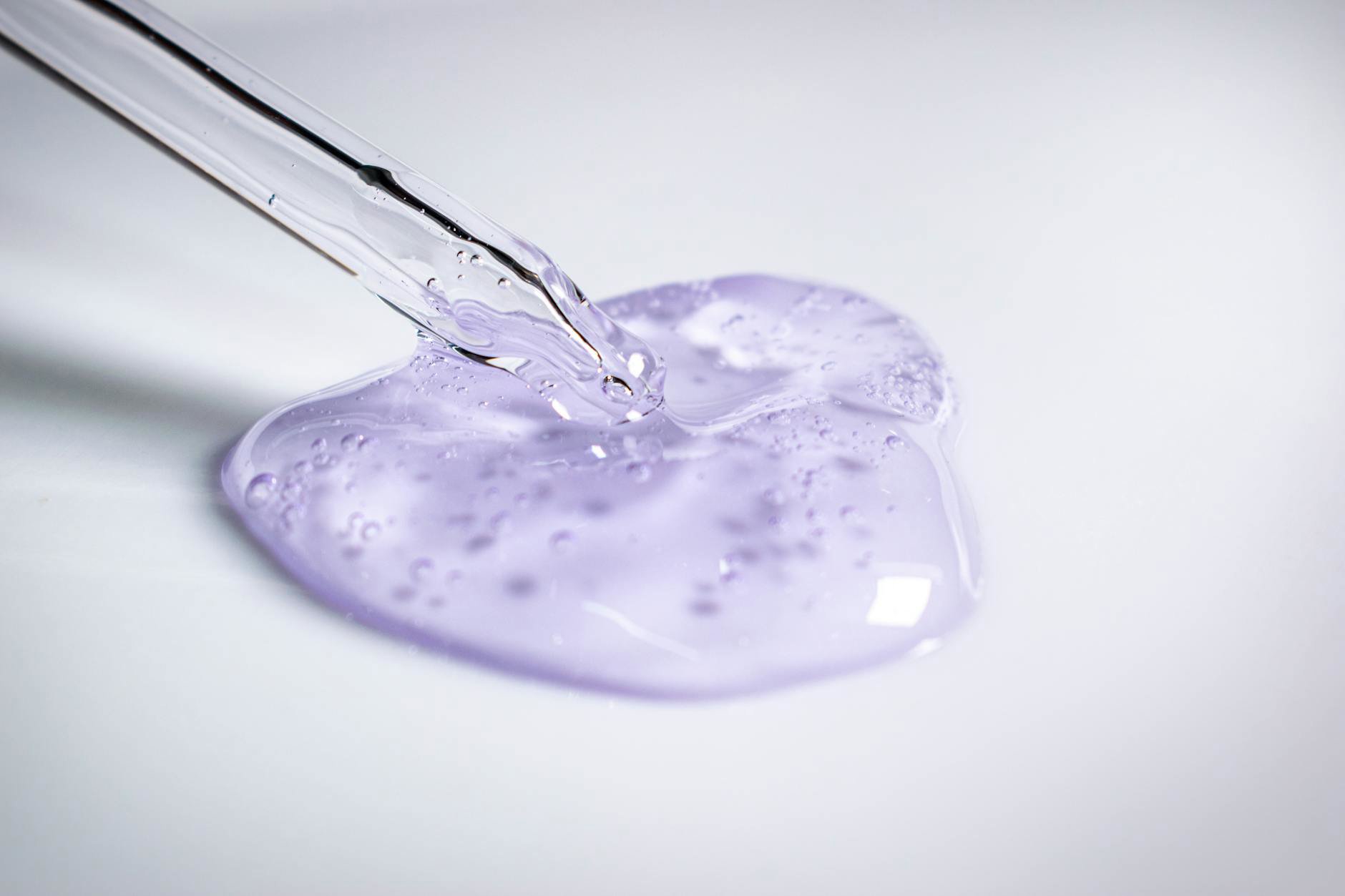
“Glass skin” put hard, reflective shine on the map. Jelly skin softened the brief. It swaps mirror glaze for a cushioned, hydrated finish. Brands delivered with juicy gel-creams, glossy tints and water-binding serums. Across our merchant feed, gel textures now anchor many ranges. We counted new launches from heritage houses and budget players alike.
Australia adds a real-world test. UV sits high for most of the year. Heat spikes across long summers. Many women face humidity, air-con, sun, and sweat in one day. That mix breaks down glow, causes mascara transfer and triggers sunscreen pilling. So the cute TikTok sheen often fails at 3 pm in Cairns or Darwin.
Retailers here stock both the viral imports and solid derm-inspired staples. We also see the “Australia tax” kick in for some imports. Premium gel-creams can cost more than US RRPs once they hit local shelves. The good news: our tracker logs frequent promos at Priceline, Chemist Warehouse, Adore Beauty and Sephora Australia. Add favourites to your GlamGeek wishlist and we’ll ping you when they drop.
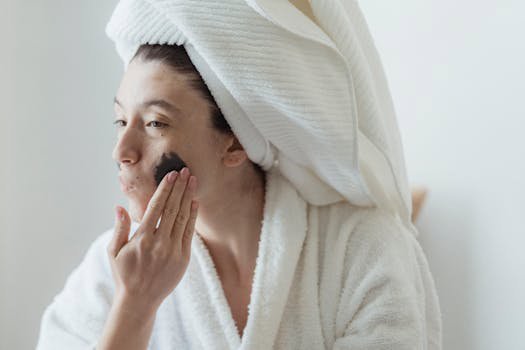
{{IMAGE:jelly skin woman dewy glow outdoor summer}}What “jelly” actually means: textures, ingredients and how to build bounce
Jelly skin signals water content and rebound. You get it by packing moisture into the top layers and holding it there with a light film. The skin should look hydrated and cushioned, not oily. Three ingredient groups deliver that effect:
Humectants. Glycerin tops the list because it binds water and behaves in heat. Hyaluronic acid pulls water but works best in multiple weights to avoid surface tightness. Polyglutamic acid, beta-glucan and panthenol boost slip and comfort without heaviness. You’ll see these across gel-cream moisturisers and hydrating serums.
Polymers and gelling agents. Carbomer, xanthan gum and biosaccharide gum-1 create that springy texture. They also help formula film on skin, which holds sheen under makeup. Look for flexible film formers like VP/VA copolymer or pullulan in daytime layers. They grip base makeup better than pure oil shine.
Light silicones. Dimethicone crosspolymer and trimethylsiloxysilicate give slip and soft focus. They also resist sweat more than oil blends. If you avoid silicones, you can still hit bounce with humectants and film-forming sugars. Just patch-test if you sit in high humidity, because heavy occlusives can trap sweat.
We see strong gel options across brands. Clinique built a cult with Moisture Surge, a benchmark for water-gel comfort. Charlotte Tilbury leans glossy with water-cream textures that suit makeup wear. Shiseido engineers heat-smart gels that hold in humidity. If you shop across tiers, add a couple of gels to your GlamGeek wishlist. We’ll alert you when stock returns or a price swings.
Layer light to heavy. Start with a hydrating toner or lotion, then a water serum, then a gel-cream. Tap each layer in and give it a minute. If you pile on too fast, you’ll oversaturate the surface and cause slippage under SPF and foundation.
SPF decides whether your jelly lasts — choose gels that grip
No jelly skin survives Australian sun without sunscreen. The sunscreen must support the look. It should add sheen, not chalk, and it must resist sweat. Water-light gels and lotions usually win here.
Pick an SPF that suits your base chemistry. Many gel-cream moisturisers sit water-based. If your SPF packs heavy silicones, your layers can pill. Keep like with like. Water-based gels love water-light SPFs. Silicone-heavy primers want silicone-inclusive sunscreens. This match-up matters more than any viral hack.
Look for film-formers and sweat resistance. Shiseido’s suncare team specialises in heat and movement. Brands like Shiseido and Lancôme offer fluid filters that hold under makeup. You can browse our SPF Protection Products to spot water-light textures fast. Check each product page for user notes about pilling or white cast and add the best fit to your wishlist.
How to apply for bounce, not slip:
- Use a hydrating toner or lotion first. Pat, don’t swipe.
- Apply a water serum. Let it settle for 60 seconds.
- Lock with a gel-cream. Press, don’t rub. Wait another minute.
- Spread your SPF in sections. Use enough. Give it 5–7 minutes to set before makeup.
Mineral vs organic filters? Mineral can flash pale and feel thicker in high SPF. Some new fluids fix this, but check reviews. Organic filters often apply lighter and suit jelly finishes. If your eyes sting, take the SPF to the orbital bone only and put a mineral stick under the lashes. We track both types, and you can filter by finish on GlamGeek.
Prep quietly: exfoliate, tone and mask for bounce that reads on camera
Jelly skin starts before moisturiser. Texture control matters more than frosted highlighter in harsh daylight. Gentle exfoliation clears flakes that catch light in a messy way. Choose low-heat options in summer: PHA toners, lactic micro-peels and enzyme masks. Skip strong glycolic during peak UV unless your routine already tolerates it well.
We favour soft, hydrating toners with humectants and soothing agents. Witch hazel can feel fresh, but it often conflicts with jelly goals. Reach for formulas that list glycerin, beta-glucan or aloe high on the INCI. Our Face Toners category highlights texture and ingredients, so you can shortlist by feel.
For events, use a hydrogel or bio-cellulose mask the night before. These sheets drive water into the top layers and smooth the surface for morning. Avoid rich oil masks right before makeup. They blur edges in heat and break down grip. Browse Face Masks and Face Exfoliants on GlamGeek, then add your picks to a wishlist. We’ll send a nudge when Mecca, Priceline or Adore Beauty run a promo.
Brand ideas if you want a starting point: Clarins leans gentle on toners. Garnier hits a fair price point for PHA and hyaluronic options. Lancôme and Sisley serve plush textures if you go luxe. Read the notes and filter by “hydrating” finish before you check out.
Makeup mapping: keep the glow, build the grip
Base products decide whether jelly reads plush or greasy. The aim: hold glow on the high planes and keep the T-zone calm. Map your base by zone and texture.
Primer. Use a gripping gel on the centre of the face and sides of the nose. Choose a blur-or-grip formula over heavy silicone slip. Our Face Primers page lists wear claims and finish, which saves time. Brands like Morphe, Sephora Collection and Charlotte Tilbury offer options for heat.
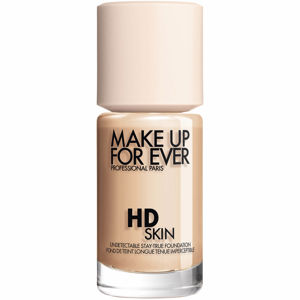
Foundation. Pick a water-gel tint or a light, flexible base. You can always add coverage with targeted concealer. Check our Liquid Foundations category and filter by “light coverage” and “natural finish.” If you love a lit-from-within sheen, tap a radiance booster only on the tops of cheekbones. MAC and Charlotte Tilbury both sell glow boosters that play nicely with gels.
Powder. Jelly skin does not cancel powder. It calls for smart powder. Dust a micro-fine translucent setting powder on the centre panel, upper lip and chin. Use a puff press-and-roll, not a swirl. Then leave the cheekbones and temples free. This map keeps bounce where the light hits and locks down the zones that crease.
Cheeks and lips. Cream blush and balmy highlighter suit the brief. They should dry down. If they stay tacky, seal edges with a whisper of powder. Finish with a plush gloss rather than a lacquer. Our Lip Glosses category sorts by finish and stickiness, which helps in wind and heat.
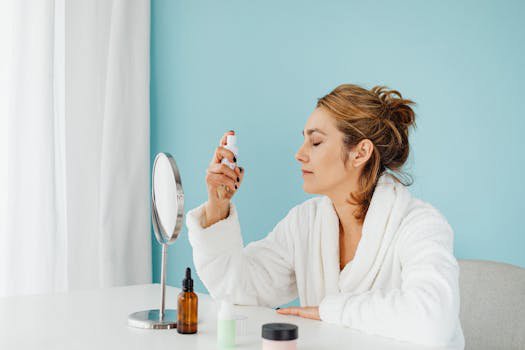
{{IMAGE:woman applying gel moisturizer spf summer makeup}}Humidity hacks that rescue glow at lunchtime
Sweat happens. You can ride it and keep the look intact with a three-step rescue kit. We see this work in city heat and coastal humidity.
Step one: blot. Use a clean tissue or blot paper to lift sweat and sebum. Press, don’t rub. Don’t powder yet. Remove the moisture first.
Step two: re-glaze. Mist a fine, alcohol-free setting spray to reset the surface. Then tap a pea-sized gel moisturiser only on dull patches. Focus on the top of cheeks and temples. Avoid the nose and inner cheeks.
Step three: micro-powder. Use a tiny brush to set the nose creases and chin. Nothing more. Keep the high planes free and glossy. MAC makes long-wear setting mists. Tarte and Charlotte Tilbury carry powders that suit this light touch.
Eye area. Tubing mascara resists heat and humidity better than classic waterproof. It removes with warm water at night and avoids raccoon transfer during the day. Our Mascaras page lists removal methods so you can pick a zero-smudge tube for summer.
Shadow and liner. Satin creams crease fast in heat. Prime lids with a tiny amount of gripping primer. Then set with a thin veil of powder shadow. Choose satins over metallic foils for long days. Browse Eye Shadow Palettes and filter by “satin” if wear time beats drama for you.
Ingredients to seek (and a few to park) in Australian summer
Reach for hydrators that behave in heat and UV. Glycerin remains the backbone. Beta-glucan soothes and fattens the look of the stratum corneum. Panthenol calms after sun. Hyaluronic acid works well in blends that include low and medium weights. Look for saccharide isomerate for long-wear hydration. It binds to skin and keeps bounce in dry office air.
Support actives. Vitamin C in the morning brightens and pairs with SPF. Use a gentle, well-buffered formula if you sit in strong sun. Avoid heavy fragrance under UV. Check reviews in our Anti Ageing Face Serums and Day Face Moisturisers categories to find low-scent options you can wear all summer.
What to park. Thick occlusives like petrolatum or shea can trap sweat at noon. They help at night, but they fight daytime grip. Save them for evening recovery. If you love oils, use a fast-dry ester oil only on cheekbones. Keep coconut and cocoa butter for winter or for body care.
Brand leads: L'Oréal and Garnier deliver wallet-friendly hyaluronic and vitamin C ranges. Estée Lauder and Lancôme set a plush bar for hydrating serums that sit well under SPF. Skim GlamGeek reviews to see who reports pilling and who reports all-day bounce.
Night repair keeps the bounce bank full
Jelly skin by day relies on repair at night. You need lipids and barrier builders after sun and air-con. Keep textures light but substantial. Mix humectants with ceramides and cholesterol in a gel-cream or lotion. Wake up springy, not slick.
Consider a retinoid if your skin tolerates it. It smooths texture, which makes daytime sheen read clean. Buffer it with a moist layer and avoid use on big beach days. Our Anti Ageing Face Creams and Night Face Moisturisers round up barrier-focused options. Add one to your wishlist if you want a sale nudge during MYER or Sephora Australia events.
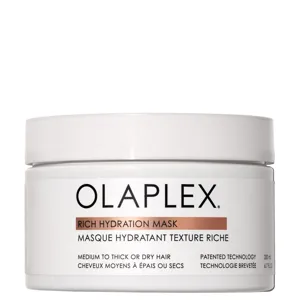
Mask like you mean it, but choose smarter textures. A water-sleeping mask beats a thick balm in heat. It seals hydration without smothering pores. Stick to fragrance-lite formulas to avoid irritation on sun-stressed skin. You can top cheeks with a thin layer and leave the T-zone bare. That zoning trick helps balance bounce with acne control.
Don’t forget the neck and chest. These areas show sun fast and sag first. Take your gel-cream down and apply SPF here daily. A jelly sheen on the collarbones looks fresh with summer dresses, and it takes seconds.
Budget vs luxury: you can get jelly at any price point
We track jelly-friendly formulas across price bands. The glossy bounce does not belong only to luxury counters. It shows up on the high street and during Priceline events. Stock shifts fast, so check GlamGeek’s compare tool before you buy.
Budget ideas. Revolution often releases water-gels and hydrating primers that hit the brief. Garnier and L'Oréal list hyaluronic serums and light gel-creams that layer well under SPF. You can build a complete jelly routine with these and still add a prestige glow booster on top.
Luxe picks. Clinique Moisture Surge remains a local favourite for a reason. Shiseido nails heat-stable sunscreens and water creams. Estée Lauder, Lancôme and Guerlain offer luminous primers and fluid foundations that keep bounce visible without slide. Shortlist a couple from each tier and use the wishlist. We’ll email you when one dips during an Adore Beauty or MYER sale.
We also see the “Australia tax” on some viral imports. Don’t rush. Compare across Mecca, Sephora Australia, Adore Beauty, Priceline and Chemist Warehouse on GlamGeek. Availability swings weekly. The same gel might land with a gift-with-purchase at one retailer and sell as a bare jar at another.
Routine blueprints: three ways to wear jelly skin that lasts
Weekday office, air-con all day:
- AM: Hydrating toner, vitamin C serum, gel-cream, water-light SPF, gripping primer on T-zone, light coverage foundation, micro-powder centre, cream blush.
- Noon: Tissue blot, fine mist, tiny tap of gel-cream on cheekbones only, dab powder on upper lip.
- PM: Gentle cleanse, PHA toner, light retinoid or peptide serum, ceramide gel-cream, water sleeping mask on cheeks.
Coastal humidity, outdoor brunch:
- AM: Hydrating toner, hyaluronic serum, gel-cream, sweat-resistant SPF, blurring primer around nose, skin tint, tubing mascara, balmy lip gloss.
- Noon: Blot, reset spray, mini powder on nose creases, refresh lip gloss.
- PM: Cleanse twice, calming toner, barrier cream, optional hydrogel mask.
Event day, photos at golden hour:
- AM: Enzyme mask, hydrating toner, brightening serum, gel-cream, SPF, grip primer, radiant foundation, targeted concealer, cream blush and soft balm highlighter.
- Before event: Mist, tap radiance booster on high points, set smile lines only.
- After: Cleanse, soothing toner, rich but light-feel night cream.
What this means for your makeup bag and budget
You don’t need to overhaul everything. Two switches usually unlock jelly skin in Australian weather: a humectant-rich gel-cream and a water-light, sweat-resistant SPF. Then map powder only where you crease. That combination delivers bounce and keeps heat from erasing your work by lunch.
Build a shortlist on GlamGeek. Tap brand pages like Clinique, Shiseido, Garnier and L'Oréal. Use filters on SPF Protection Products, Face Primers, and Liquid Foundations. Add picks to your wishlist. We track stock and prices across Mecca, Priceline, Chemist Warehouse, Adore Beauty, Sephora Australia and MYER, so you don’t have to refresh six tabs.
If you love a tidy kit, anchor your routine with three keepers: one gel-cream that layers under SPF, one SPF that resists sweat, and one setting product that grips without dulling. Everything else sits on top of that tripod.
Tell us how you build your bounce
Do you lock jelly skin with a grip primer, or do you trust a sweat-proof SPF to hold it together? Which gel-cream behaves in your city’s climate? Share your picks and add them to your GlamGeek wishlist. We’ll keep watch for the next drop.
![Lumene Nordic-C [Valo] Glow Cream Spf30](https://media.glamgeek.com/media/2026/02/06/c0cef909-16ab-49f9-865e-278e63871493_sm.jpg)