“Jelly” skincare sounds like marketing fluff until you look at what women are actually buying: bouncy gel cleansers, cushiony moisturisers, and water-gel masks that promise slip, glow, and comfort without heaviness.
That’s the real story behind the recent wave of “jelly beauty” coverage. The trend is less about novelty textures and more about climate logic: light layers that feel good in heat, under SPF, and through humidity.
And because trends spike demand, prices and promos shift fast. Across our merchant feed this week, we’re seeing timely discounts that fit the “glossy skin, low effort” mood—like Isle Of Paradise Self Tanning Drops 2.0 Medium now A$29.32 (was A$39.10) at lookfantastic, and the Vita Liberata Pyramid Shaped Body Blur Brush now A$47.04 (was A$62.72) at lookfantastic.
Those aren’t “jelly” products, but they sit inside the same aesthetic: hydrated-looking skin, sheer coverage, and fast results.
What “jelly skincare” actually means (and why it’s everywhere)
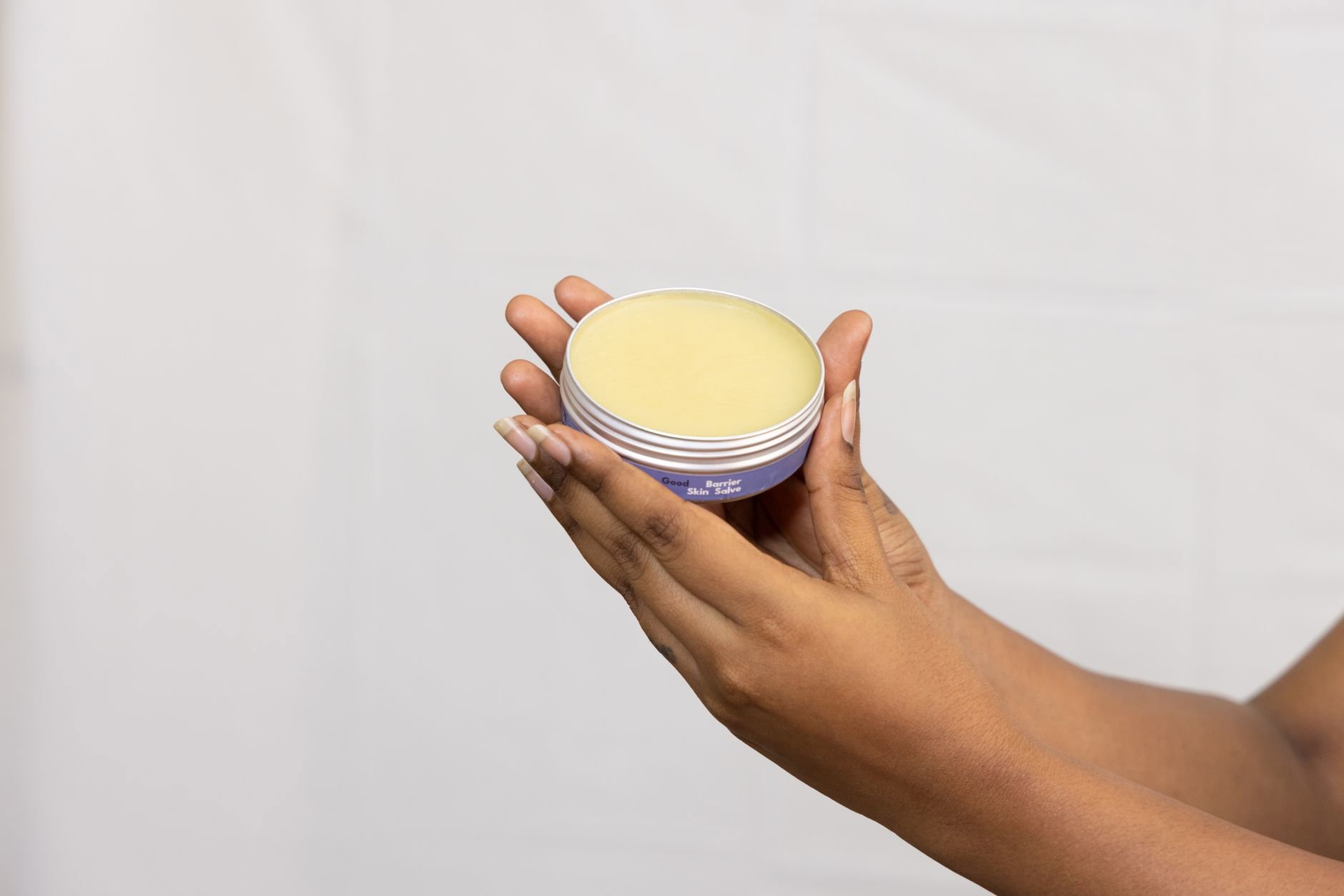
In practice, “jelly” describes a family of textures, not one ingredient. Think gel-cream moisturisers, wobble-textured masks, and cleansers with a slippery, cushiony glide. Brands use polymers and humectants to create that bounce.
Most jelly formulas lean on familiar hydrators: glycerin, hyaluronic acid, betaine, panthenol, and sometimes algae or fermented extracts. The texture can help the formula spread evenly, reduce friction, and sit comfortably under makeup.
In Australian conditions, that comfort matters. Hot dry days pull water out of skin. Humid days make heavy creams feel sticky. A water-gel can bridge both, especially when you layer it under SPF Protection Products without pilling.
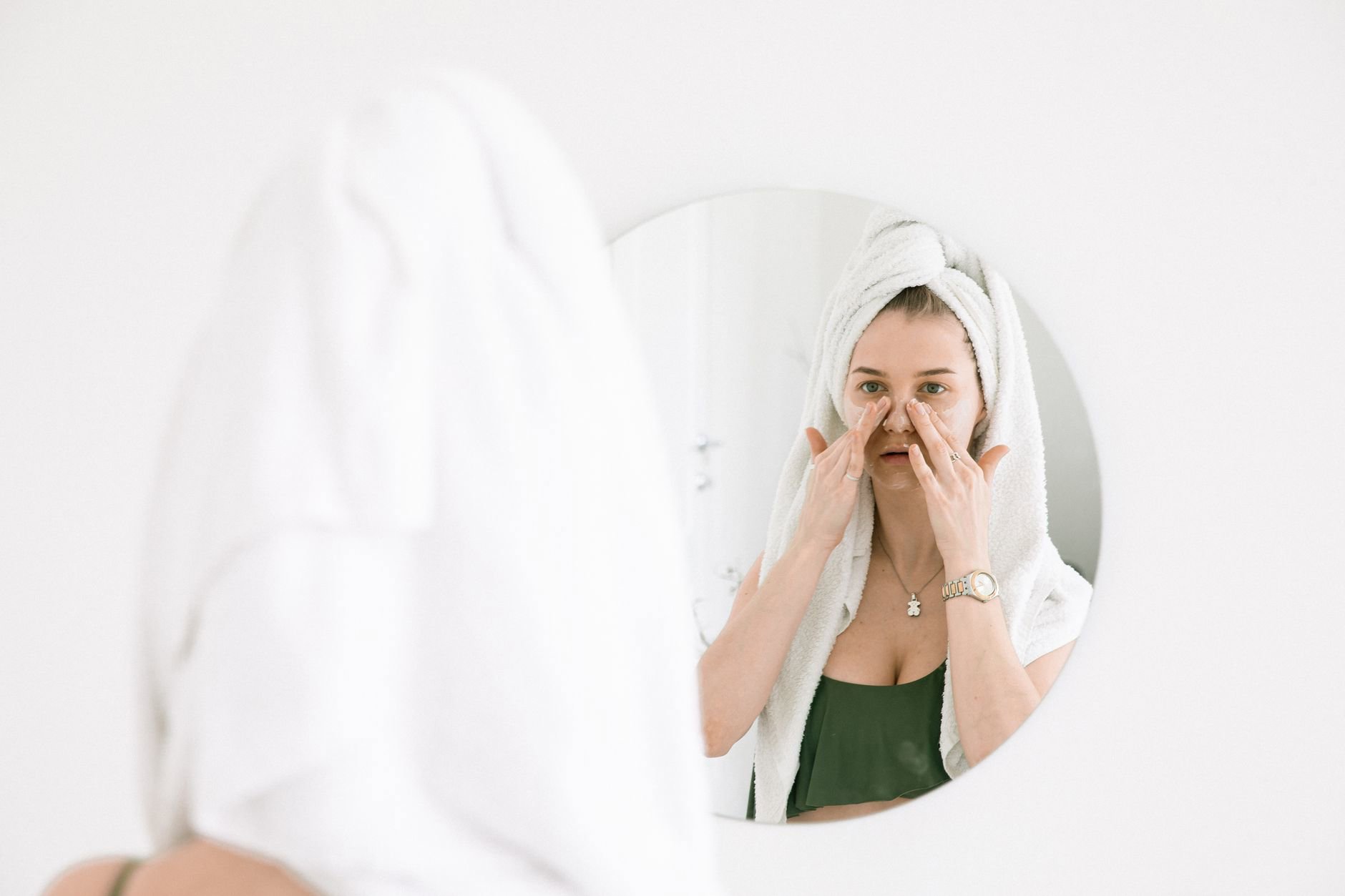
The catch: “jelly” doesn’t guarantee barrier support. Many gels hydrate but don’t seal. If you run dry, reactive, or you’re using strong actives, you may need a creamier layer on top at night.
Who jelly textures suit best (and who should be cautious)
Women with oily, combination, or congestion-prone skin often love jelly textures because they feel weightless. They can deliver hydration without the waxy drag that sometimes triggers shine or clogged pores.
If you wear makeup daily, gels can also behave better under base products. They absorb fast, and they’re less likely to break down Liquid Foundations in the T-zone. That matters when you’re commuting in heat or dealing with office air-con swings.
Dry and barrier-impaired skin can still use jelly products, but choose strategically. Look for formulas that pair humectants with barrier helpers like ceramides, squalane, fatty alcohols, or cholesterol. If the ingredient list looks like “water + humectants + fragrance,” it may feel nice for an hour and then leave you tight.
Sensitive skin needs extra scepticism. Jelly textures often come with fragrance, essential oils, or high levels of botanical extracts to make the product feel “fresh”. If you flush easily, patch test and prioritise fragrance-free options from brands with consistent sensitive-skin ranges, like Clinique.
How to build a jelly-based routine that holds up under SPF
The easiest way to make jelly skincare work in Australia is to treat it as a hydration layer, not your whole routine. Your end goal stays the same: cleanse, hydrate, protect.
Morning, keep it tight: use a gentle wash (or just water if you’re very dry), then a jelly serum or gel moisturiser, then SPF. If you use a serum, stick to one. Too many layers increase pilling risk under sunscreen.
Night, add sealing: jelly products shine as the first layer after cleansing. Follow with a more occlusive moisturiser if you wake up tight. If you’re oily, you may not need that second step every night.
Makeup tip: let your gel layer set for 60–90 seconds before SPF. Then wait another minute before primer or base. That pause does more for finish than buying a new product.
- Pilling fix: reduce layers, and avoid mixing silicone-heavy primers with very watery gels.
- Shine control: use gel only on the T-zone and a cream on cheeks.
- Dry patches: press a richer moisturiser just where you need it, instead of swapping the whole routine.
- Summer swap: move richer steps to night and keep mornings light.
Ingredient reality check: the “jelly glow” usually comes from humectants
Most “jelly glow” comes from water content plus humectants that bind water in the upper skin layers. Glycerin remains the MVP here. It hydrates reliably, works across skin types, and plays well with SPF.
Hyaluronic acid can help too, but it’s not magic. In dry climates, it can feel tight if you don’t follow with a moisturiser that reduces water loss. That’s why some women love HA gels in Brisbane humidity and hate them in a heated Melbourne winter.
Panthenol (pro-vitamin B5) earns its place in jelly textures. It supports barrier comfort and reduces that “stinging after cleansing” feeling. It’s one of the best signs a gel isn’t just a slip product.
Peptides, which have also dominated 2026 skincare coverage, can appear in gel serums. They’re fine to use in a jelly routine, but keep expectations grounded. Peptides work best as part of consistent long-term routines, not as instant “glass skin”. If your budget is tight, spend on daily SPF first, then hydration, then anti-ageing extras like Anti Ageing Face Serums.
Jelly masks and “sleeping packs”: when they help, and when they backfire
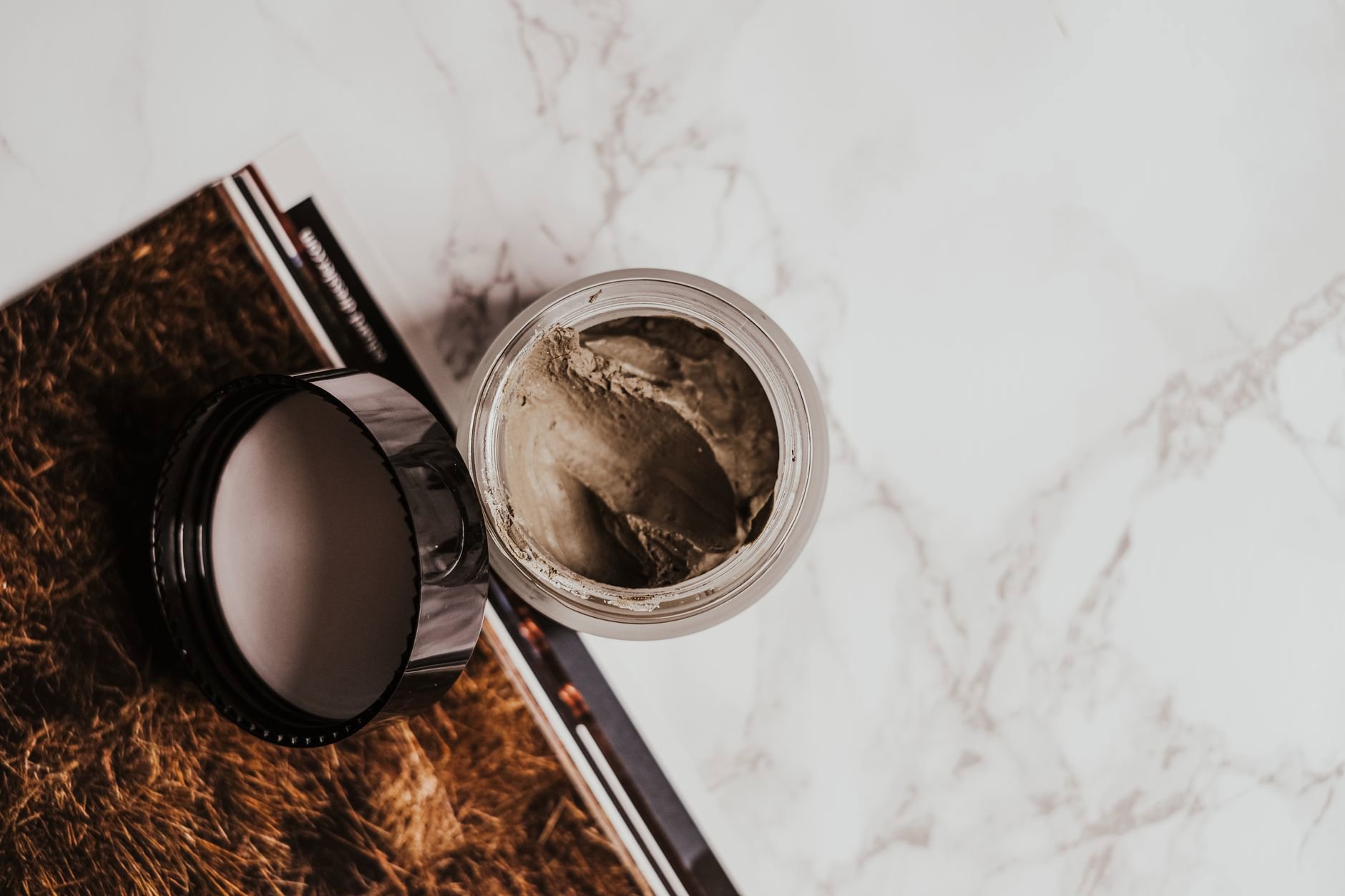
Jelly masks look satisfying, but their performance varies. Many are rinse-off hydration boosters. They can calm skin before an event, or add comfort after a windy day.
For women prone to breakouts, the main risk is leaving a thick, film-forming mask on too long. Some jelly masks create a breathable seal, but others trap sweat and oil, especially in warm bedrooms. If you wake up with tiny bumps, that’s often why.
Instead, time it. Use a jelly mask for 10–15 minutes, then rinse, then moisturise. If you want an overnight option, choose a simple gel-cream moisturiser rather than a “sleeping mask” loaded with fragrance.
Want the same glow without the extra step? Layer a hydrating gel under your normal night moisturiser. You get the plump look, but you control the occlusion.
Jelly body care is the sleeper hit (and it pairs with this week’s tanning deals)
Face products get the headlines, but the jelly trend shows up on the body too: gel lotions, serum-like moisturisers, and glossy body finishes. In Australia, that matters because body skin takes a UV beating and often gets neglected until it looks dull.
If you self-tan, jelly body hydration can make results look more even. Dry, flaky patches grab colour. A light gel lotion used consistently can reduce that patchiness without feeling sticky in summer.
This is where our price data gets practical. Isle Of Paradise Self Tanning Drops 2.0 Medium is currently A$29.32 (was A$39.10) at lookfantastic. Drops work well because you control depth by mixing into your existing Body Lotions or gel moisturiser.
Application tools matter more than most brands admit. The Vita Liberata Pyramid Shaped Body Blur Brush is now A$47.04 (was A$62.72) at lookfantastic, and it’s the kind of tool that makes “body glow” look intentional rather than streaky. Use it to blend around hands, feet, ankles, and along the collarbone.
Shopping the trend in Australia without paying the “Australia tax”
Jelly skincare launches often hit overseas retailers first, then filter into local stockists. That delay can push women to import-buy, which brings shipping thresholds, exchange-rate wobble, and tricky returns.
For local shopping, start with the retailers that consistently stock trend textures across price tiers: Priceline and Chemist Warehouse for mass, Mecca and Sephora Australia for prestige, and Adore Beauty for broad online range. Then compare. Jelly textures sell fast when they go viral, and we see price spikes and promo cycles follow.
Our rule: don’t pay full price for a “texture story” unless the formula also solves a real need. If your current moisturiser pills under SPF, a gel might be worth it. If you just want the wobble-in-a-jar moment, wait for a promo.
Also, don’t ignore tools. A better base finish often comes from application and layering, not a new jar. If you’re rebuilding your kit, browse Makeup Brushes & Applicators before you buy another skincare step.
- Check ingredient lists: fragrance-heavy gels can irritate, especially post-sun exposure.
- Buy the smallest size first: textures feel different once they meet your SPF and foundation.
- Watch for bundle value: some sets hide better per-ml pricing, especially in Skin Care Sets.
- Don’t chase “instant glow” claims: most glow is hydration + light reflection, not permanent change.
Tweens, “starter routines”, and why jelly products get pulled into the hype
Australian coverage has also flagged a rise in very young girls chasing multi-step skincare. Jelly textures sit right in the middle of that hype because they look fun, feel “light”, and market as gentle.
We’ll be blunt: “gentle” depends on the formula, not the wobble. Many jelly cleansers still contain strong surfactants. Many jelly moisturisers still contain fragrance and sensitising botanicals. If a product stings, it’s not a starter product.
For women buying for younger teens in the family, keep it boring. A mild cleanser, a simple moisturiser, and daily sunscreen. That’s it. Anything pitched as “pore detox”, “acid glow”, or “resurfacing” usually causes more problems than it solves.
If you want a trend-friendly compromise, pick a fragrance-free gel moisturiser and pair it with SPF. The habit that matters in Australia isn’t jelly texture. It’s sun protection, every day.
What this means for your routine (and your wallet)
Jelly skincare can make sense here because it fits how Australian women actually live: sunscreen daily, heat and sweat, and makeup that needs to last. The best jelly products act like comfortable hydration that doesn’t fight the rest of your routine.
The smart approach stays consistent: use jelly textures where they solve a problem (pilling, heaviness, dehydration), and skip them where they just add steps. If you’re chasing glow for the body, this week’s tracked deals make it cheaper to do it well: Isle Of Paradise Self Tanning Drops 2.0 Medium at A$29.32 (down from A$39.10), and the Vita Liberata Pyramid Shaped Body Blur Brush at A$47.04 (down from A$62.72), both at lookfantastic.
Trends come and go. A routine that layers cleanly under SPF and suits your climate lasts.
Which part of the jelly trend tempts you most: a gel moisturiser that behaves under sunscreen, or a jelly mask for quick bounce before makeup?