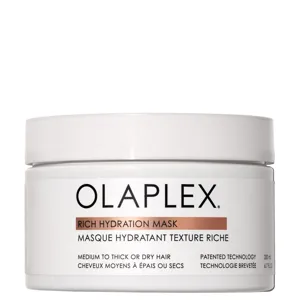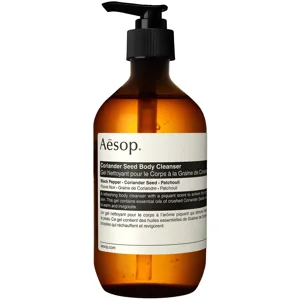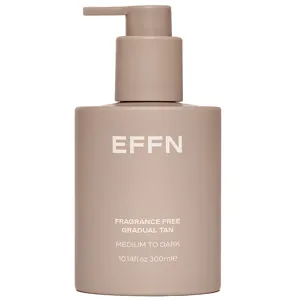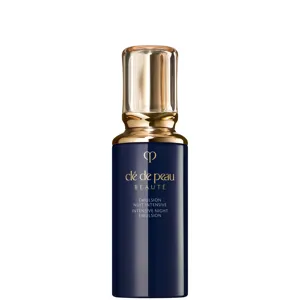
Our price tracker shows a quiet truth: products badged as “clean” carry a consistent premium across major Australian retailers, yet their ingredient lists often look near-identical to standard formulas from the same brands. We also see higher sell-through on “free-from” claims during summer months, when SPF and sweat-resistant makeup dominate baskets. The label moves stock. The question is whether it moves outcomes.
Clean isn’t a legal term in Australia. It’s a marketing shorthand that can mean safer, greener, cruelty-free, or simply fragrance-free depending on who writes the shelf talker. We rate some of these products. We also see a lot of fluff. Here’s how to separate the claims that matter from the ones that drain your wallet.
Australia’s clean moment, by the numbers
Across Mecca, Sephora Australia, Priceline, Chemist Warehouse, Adore Beauty and MYER, we’ve tracked a steady expansion of “clean” badges since 2021. Sephora’s in‑house standard lists restricted ingredients. Mecca highlights “MECCA Clean” edits each season. Priceline flags “vegan friendly” and “cruelty-free” filters more prominently than two years ago. Retailers keep tuning the definition, but they all use it.
Our merchant feed shows three clear patterns in 2026. First, SPF, face serums, and lip color see the most “clean” filtering and the highest click‑through. Second, “fragrance-free” and “vegan” outperform “sulfate-free” and “silicone-free” in search. Third, the premium sits between 8% and 22% across categories even when formulas match the same core actives and packaging tiers. That’s the Australia tax sitting on top of the clean tax.
Regulators don’t police the word “clean”. The Australian Industrial Chemicals Introduction Scheme (AICIS) registers cosmetic ingredients and manages risk. The Therapeutic Goods Administration (TGA) regulates primary sunscreens. The Australian Competition and Consumer Commission (ACCC) has put brands on notice about vague environmental claims. None of that creates a single clean standard. It creates lanes: safety, claims integrity, and sunscreen compliance. Brands then overlay “clean” as a style choice.
{{IMAGE:woman shopping skincare aisle Australia}}What “clean” means here: store to store
“Clean” shifts with the retailer. Sephora Australia’s badge excludes a set of ingredients across skincare and makeup and marks brands like Tarte as meeting its criteria. Mecca’s clean edits highlight fewer synthetics, some fragrance‑free picks, and more recycled packaging. Priceline leans harder on vegan and cruelty‑free filters. Chemist Warehouse hosts house brands that claim “free-from parabens” while stocking dermatologist staples that still use parabens safely. The word changes shape on each shelf.
Across our listings, we see four core pillars that show up again and again under the clean umbrella:
- Ingredient exclusions: “no parabens, phthalates, mineral oil, microbeads, PFAS”. Lists vary and keep growing.
- Ethical signposting: “vegan” and “cruelty-free”. Australia restricts use of new animal test data for cosmetic ingredients, but cruelty-free certs still matter for imported goods.
- Sensitive-skin claims: “fragrance-free, hypoallergenic, dermatologist tested”. None equal zero risk, but they cut the odds of reactions.
- Eco claims: “recyclable, PCR plastic, carbon neutral”. The ACCC expects evidence here. Look for specifics, not slogans.
Each pillar solves a different problem. You might want fewer irritants. You might care about packaging. Lumping them under one adjective blurs the decision. The smarter move: decide what you want clean to do for you, then check the label details.
Ingredients: what’s worth caring about in 2026
We read a lot of ingredient lists. Some claims help. Others distract. Here’s a grounded view of top talking points we see across Australia this year.
Parabens: Brands still blacklist them to look modern. Dermatologists still rate them as effective, low‑risk preservatives at cosmetic levels. If you haven’t reacted to parabens, skipping them narrows your options and can nudge brands toward harsher preservative systems. If you have reacted, choose “paraben-free” and patch test.
Sulfates: SLS and SLES cleanse well but can strip dry or curly hair. “Sulfate-free” helps coloured or textured hair. It matters less in skincare where milder surfactants already dominate. For hair, look to moisturising cleansers in our Moisturising & Nourishing Shampoos category and match your conditioner from Moisturising & Nourishing Conditioners.
Silicones: They improve slip, shine, and wear. They don’t suffocate skin. If they cause buildup on your hair, rotate a clarifying wash. If you want a silicone‑free primer to avoid pilling under sunscreen, you’ll find options in Face Primers.
Mineral oil: Highly refined cosmetic mineral oil is inert and safe. If you prefer plant oils, choose them for sensorial reasons, not fear.
PFAS and “forever chemicals”: Several states abroad moved on PFAS in cosmetics. Australian retailers now list “PFAS-free” more often, especially in long‑wear mascaras and lip products. Avoid PTFE or perfluoro‑ ingredients if you want to steer clear. Check our Mascaras category filters when you shop long‑wear claims.
Fragrance: The top trigger for irritation. “Fragrance-free” cuts risk for reactive skin. “Unscented” can still include masking fragrance. If your skin flares, pick fragrance‑free basics from brands like Clinique and log them to your GlamGeek wishlist so we can alert you when stock returns or discounts land.
Essential oils: Natural, but still allergens. Tea tree, lemon, peppermint and lavender can irritate. Fine in rinse‑off, dicier in leave‑on for sensitive types.
Preservative scare lists: Formaldehyde releasers (DMDM hydantoin, quaternium‑15) have faded from most new launches. Phenoxyethanol stays common. The real win: buy from retailers with healthy turnover, store your products away from heat, and stop using anything that smells off.
SPF: where “clean” collides with compliance
Primary sunscreens in Australia sit under the TGA. That matters. A “clean” badge on a sunscreen means nothing if the product isn’t properly listed or registered. You can check the Australian Register of Therapeutic Goods (ARTG) number on the pack. We see stronger sell‑through on SPFs that show that number clearly on imagery.
Filters: Australia allows modern organic filters like bemotrizinol alongside zinc oxide and titanium dioxide. Mineral filters suit sensitive skin. Organic filters often feel lighter and look better under makeup. Both protect when the formula hits the listed SPF and you apply enough. “Reef-safe” claims lack a single Australian definition. If you want to avoid certain filters for reef trips, look for zinc‑only formulas and skip aerosols on breezy beach days.
Nanoparticles: Zinc and titanium dioxide often use nano sizes to reduce white cast. TGA‑listed products pass safety reviews on this. If you still want non‑nano mineral, expect thicker textures and more cast. The trade‑off remains real in 2026.
Heat and sweat: Australia runs hot from Perth to Cairns. Choose SPFs tested for water resistance if you exercise outdoors. Pair with a sweat‑tolerant base from Liquid Foundations that specify long wear. Then reapply. “Clean” doesn’t change the reapplication rule.
Shop smarter: Filter our SPF Protection Products by finish and filters, add picks to your wishlist, and we’ll ping you when prices drop at Mecca, Adore Beauty or Chemist Warehouse. For beach bags, throw in a fragrance‑free body lotion from Body Lotions to calm skin after sun.
{{IMAGE:woman applying mineral sunscreen at the beach Australia}}Packaging claims: PCR, refills and what actually helps
We see a sharp rise in “PCR plastic”, “recyclable”, and “refillable” callouts in 2026. These can help, but only when systems exist to support them.
Refills: Heavy, permanent cases and metal compacts look chic. They also add weight and emissions if you don’t use them long term. The best refill systems keep outer shells light and standardised. Palettes in Eye Shadow Palettes show the widest refill variance; check pan sizes before you commit to a brand’s ecosystem.
PCR plastic: Post‑consumer recycled plastic saves virgin resin. Clear PCR can yellow over time. Opaque PCR holds up better in the Aussie sun. Brands rarely state the PCR percentage on pack. When they do, it’s a green flag.
Recyclable vs recycled: “100% recyclable” means little if your council bin can’t accept the pump, spring, or mirror. Look for take‑back schemes. Mecca and some pharmacy chains have offered collection points. Call your local store before schlepping a bag of empties. Glass isn’t always greener; heavy jars push freight emissions up and can shatter in bathrooms.
If you want the most impact, buy what you’ll finish, prefer larger sizes for daily basics, and avoid separate caps and droppers when a flip‑top will do. Then add your staples to your GlamGeek wishlist to buy during promotional cycles instead of one‑off impulse purchases.
Sensitive skin and pregnancy: labels that truly help
Clean branding often stands in for “gentle”. The better filter is “fragrance-free” plus low‑irritant actives. If your skin reacts in heat or humidity, streamline your routine and test one product at a time.
For reactive skin, we see consistent wins with short ingredient lists, mid‑weight moisturisers, and non‑foaming cleansers. Try fragrance‑free lines from Clinique for faces, and stick to body basics in Body Creams rather than essential‑oil heavy butters. Mineral SPF can help on flare days. Avoid menthol, strong citrus oils, and woody aromatherapy blends in leave‑ons if redness follows you.
Pregnancy and breastfeeding bring extra caution. Many women choose to pause retinoids. Azelaic acid, niacinamide and vitamin C are common picks instead. Alpha hydroxy acids in low strengths suit brightening. If you consider any actives, ask a health professional. Marketing badges won’t replace tailored advice.
Makeup for the tropics: Choose transfer‑resistant formulas and keep it light. A breathable base, a tubing mascara from Mascaras, and a hydrating lipstick from Lipsticks outlast a face full of powder in Brisbane humidity. “Clean” status here doesn’t change wear time. Polymer tech and film formers still do the heavy lifting.
Australia vs imports: what to buy local, what to ship
The Australia tax sits heavier on some categories. We see the biggest spreads on US‑rooted “clean” makeup brands carried by Sephora Australia, while skincare from global conglomerates stays closer to parity. Freight, exchange rates, and compliance costs add up. BOH packaging tweaks for local SPF rules add more.
Buy local when:
- You need TGA‑listed sunscreen. Local distribution helps stock freshness and product support.
- You want fragrance‑free basics. Pharmacy distribution from groups behind brands like Garnier and L'Oréal sharpens competition and keeps pricing sensible.
- You prefer counter support at MYER or Sephora to shade‑match foundation. Returns get easier.
Consider imports when:
- You chase a niche “clean” palette or lip shade not ranged locally. Colour stories launch staggered by region.
- You want refill inserts for a compact bought overseas. Pan size standards differ. Always check dimensions.
Either way, load your shortlist on GlamGeek, compare retailers like Mecca, Adore Beauty, Priceline and Chemist Warehouse, and set price alerts. We flag stock outages fast, which matters during summer runs on mineral sunscreen and tubing mascara.
Claims you can trust (and where they stop)
Not all badges carry equal weight. These markers add real value, with limits:
- COSMOS / ACO (Australian Certified Organic): Confirms sourcing and certain process standards. It does not prove better skin outcomes or zero allergens.
- Vegan: No animal‑derived ingredients. It doesn’t confirm cruelty‑free testing practices across supply chains.
- Cruelty‑free certification: Useful for imports. Australia restricts new animal test data use for cosmetic ingredients, but global supply chains complicate the picture. Third‑party logos help.
- Fragrance‑free: A practical choice for reactive skin. Still patch test.
- SPF 50+ with ARTG number: The gold standard for sun. The ARTG listing proves the product sits under TGA oversight.
Be cautious with:
- “Non‑toxic”: Undefined and fear‑based. Everything has a dose. Water can irritate skin in the wrong context.
- “Chemical‑free”: Water is a chemical. This phrase means nothing.
- “Reef‑safe”: No single Australian standard. Check filter list and your destination’s rules.
- “Dermatologist tested”: It can mean a small irritation panel. It doesn’t guarantee suitablity for your skin.
If a claim sounds sweeping, look for specifics. The more concrete the standard, the more useful the badge.
Clean makeup that keeps up with Aussie heat
Hot summers and coastal humidity sort hype from function. We see higher returns on “clean” makeup that leans on proven film‑formers and modern pigments rather than stripping tech back to basics. A few filters when you build a heat‑proof kit:
- Base: Silicone‑light primers can reduce pilling with sunscreen. Check Face Primers for water‑gel textures that grip without slip.
- Foundation: Choose flexible polymers over heavy powders. You’ll find them in newer long‑wear launches in Liquid Foundations.
- Mascara: Tubing formulas cut smudge in sweat. Many now ship PFAS‑free. Shop by claim filters in Mascaras.
- Lips: Hydrating bullets beat matte liquids on parched days. Explore classic houses like MAC and trend‑led edits at Sephora Collection if you want vegan options.
Curate with intent. “Clean” shouldn’t mean fragile wear. Australia needs stick, slip, and sweat tolerance. Our reviews track which formulas hold up on hot commutes. Add your picks to a GlamGeek list and we’ll signal when MYER or Sephora Australia run a friends‑and‑family stack that makes upgrading wiser.
Skincare that earns the “clean” label
The best “clean” skincare in Australia keeps claims tight and formulas boring in the best way: non‑irritating, stable, and sun‑compatible. We rate three approaches:
Fragrance‑free hydration: Think glycerin, hyaluronic acid, squalane, and ceramides. Brands under big groups like Estée Lauder and Clinique deliver quiet, reliable moisturisers. Browse our Day Face Moisturisers for options that layer cleanly under SPF.
Vitamin C without drama: Ascorbic acid brightens but can sting. Derivatives like 3‑O‑ethyl ascorbic acid or ascorbyl glucoside suit sensitive skin. Pair with niacinamide rather than chasing turbo blends. Shop our Anti Ageing Face Serums and check reviews for stability notes through summer heat.
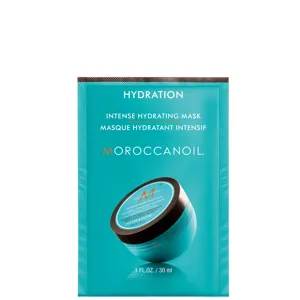
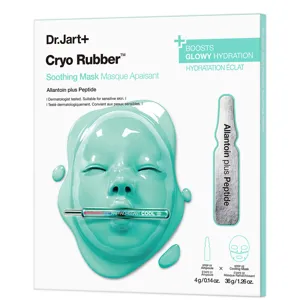
Exfoliation that minds the climate: AHAs smooth, BHAs decongest. In high UV environments, less is more. Use lower percentages or reduce frequency. Swap in a soothing mask from Face Masks after beach days and keep SPF reapplication strict.
For body care, fragrance‑free lotions beat essential‑oil blends when heat rash hits. In hair, focus on UV and heat protection over “clean” labels alone. And keep one eye on expiry dates; our data shows returns spike for products stored in bathroom steam over summer.
What this means when you shop in 2026
Define what you want “clean” to do for you. If it’s gentler skin days, shop fragrance‑free and low‑irritant formulas, then verify the ingredient list rather than trusting a leaf icon. If it’s ethics, chase clear third‑party badges and brand policies, not vibes. If it’s lighter textures and fewer petrochemicals, buy them for the feel, not because synthetics equal bad.
Use our comparison tools to drop the premium where it doesn’t buy value. Add products to your GlamGeek wishlist and hold for price alerts. We track Mecca, Sephora Australia, Priceline, Chemist Warehouse, Adore Beauty and MYER, so you don’t need twenty tabs open. Check our ingredient snapshots on each product page, and lean on reviews that mention climate, SPF layering, and wear in heat. Those details matter more than a “clean” stamp.
Your smarter clean checklist
Make every purchase work harder with a short, sharp filter set:
- Sunscreen: TGA‑listed, comfortable under makeup, water resistance if you sweat. Start in SPF Protection Products.
- Base: Fragrance‑free moisturiser and a grip‑primer from Face Primers if your SPF pills.
- Actives: One change at a time. Heat and high UV demand patience.
- Packaging: Refill only if you’ll refill. Prefer pumps with fewer parts.
- Claims: Ignore “chemical‑free” and “non‑toxic”. Verify specifics.
- Price: Compare. Add to wishlist. Buy during promos. We’ll ping you.
We see through-lines in the data: fragrance-free basics reduce returns, TGA‑listed SPFs hold ratings over time, and “clean” makeup that pairs modern film‑formers with lighter oils gets better wear scores in the heat. Chase that mix, not the buzzwords.
Sign‑off
Which clean claims have actually helped your skin or routine in Australia’s heat? Tell us what you’re filtering for this year and which retailers you rate for stock and shade range. Add your current shortlist on GlamGeek and we’ll keep an eye on price drops while you decide.
![Lumene Nordic-C [Valo] Glow Cream Spf30](https://media.glamgeek.com/media/2026/02/06/c0cef909-16ab-49f9-865e-278e63871493_sm.jpg)