Every summer, the same “scary” beauty trends resurface across Australia. Some look painful. Some look risky. Many promise dramatic results with pantry ingredients or sharp tools. Our pricing feed tells a calmer story: spikes in sales for at-home gadgets and peel kits, followed by returns to skin-barrier basics once the fallout hits.
We rate curiosity. We rate patch-testing even more. Below, we sort the trends that keep resurfacing in Australia, explain why they stick, and lay out what actually works in our climate. We also point you to proven products and show you how to use GlamGeek tools to pay less for them.
Why “scary” sticks in Australia: climate, cost and the algorithm
Australia sets a high bar for skin care. UV Index readings often hit 11+ over summer. Sweat and sunscreen sit on skin for hours. That pressure creates a perfect storm for hacks that claim fast results. Meanwhile, the “Australia tax” pushes up the cost of imports, so DIY feels tempting when the glossy version looks pricey at Mecca or Sephora Australia.
Our merchant feed logs a reliable pattern. Every year between October and February, listings for dermaplaners, dermarollers and peel pads jump across major retailers. Search interest for “glass skin” surges through late spring. Then winter fuels retinoid talk, with more searches for 0.3–1% retinol and “skin cycling”.
Not every shortcut fails. Some trends anchor good ideas in bad methods. TikTok popularised layering hydration for glow in 2020–2021. That core still works here. The issue comes when creators bolt on blades, acids and sun to speed things up. That combo breaks barriers and leads to months of reactive skin.
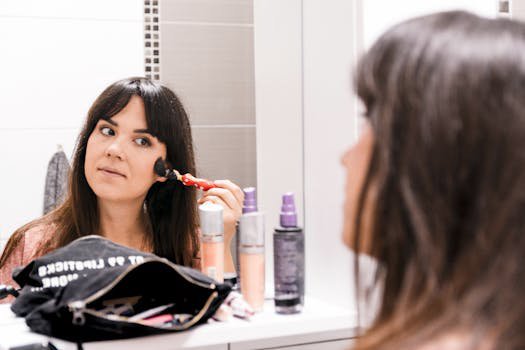
{{IMAGE:Australian woman applying sunscreen outdoors}}At-home microneedling and microchanneling: who wins, who loses
Microneedling uses tiny needles to trigger repair. In-clinic devices include sterile tips, controlled depths and hygiene protocols. At home, viral rollers offer low-cost “collagen boosts” and promises of smoother acne scars. Women keep trying this trend because it looks simple and cheaper than a series of dermatologist sessions.
Here’s the hitch. At 0.5 mm and beyond, you create bleeding points that invite bacteria. That risk rises in humid heat. Sunscreen and sweat can trap debris in those channels. Many rollers also dull after a few uses, which scratches skin. The usual next step? A peptide or vitamin C serum. Vitamin C at low pH over fresh micro-injuries can sting and cause flushing. The end result often disappoints.
We prefer a safer split strategy. Use clinic-grade microneedling for scars or deep texture. Book during cooler months when UV runs lower, and keep sunscreen strict. For home, take the collagen support without the holes. Pair barrier-first serums with proven actives. A mid-weight peptide serum and nightly retinoid at 0.2–0.5% build collagen in calmer conditions. You can find balanced, fragrance-minimal options on our brand pages, including Clinique classics and modern peptide blends from L'Oréal.
Want deals without the dull blades? Add your short list to a GlamGeek wishlist. Our tracker pings you when a tool or serum drops across Adore Beauty, Priceline or MYER, so you upgrade smarter and skip the sketchy needles.
DIY peels, AHA stacking and TCA kits: where the burn begins
Alpha hydroxy acids smooth and brighten. The internet twists that truth into 10% glycolic on Monday, 2% BHA on Tuesday, and a “weekly” 20% TCA peel from a dropper in the bathroom. We keep seeing Aussie shoppers buy multi-acid packs during EOFY sales, then hunt for soothing creams two weeks later. Stacking acids does not multiply glow. It compounds irritation.
Here’s a safer frame. Keep to one leave-on acid most of the week. If you like glycolic, stick to 5–10% two to three nights per week. If you break out, 2% salicylic acid works as a spot or T-zone step. Skip TCA at home. Professional TCA peels use controlled application, neutralisation and post-care. At home, even a cotton pad can lay down unevenly and cause mottled burns.
Prefer a weekly reset? Enzyme masks and gentle polishers build radiance without pushing pH so low. Look through Face Exfoliants for single-acid formulas and buffered blends. If you want the easy route, brands like Clarins and Shiseido offer controlled exfoliants that hold up in summer. Our price tracker covers Chemist Warehouse for mass buys, and Mecca and Sephora Australia for prestige. Set an alert and avoid the panic purchase when a stingy peel goes wrong.
Sunscreen contouring and sunburn “art”: why this myth refuses to die
Every year, sunscreen contouring resurfaces. The idea claims you can block out high points with SPF and tan the hollows for built-in contour. Some go further with “sunburn tattoos” using stickers. This trend attracts Australians because sun builds colour quickly here. It also breaks skin faster here. UV Index 11+ means minutes, not hours, for damage.
Skin does not tan evenly. Micro-movements shift sunscreen. Sweat drips through “unprotected” lines. You end up with patchy pigment and cellular damage. Repeated patterns lock in melasma and broken capillaries. No bronzer looks worse than that. Use makeup for contour and keep sunscreen as a uniform shield.
If you need hard-wearing sunscreen, choose sweat-resistant filters designed for heat. Sport formats from Shiseido perform well in harsh conditions. Budget tints from Garnier and L'Oréal also hold up if you reapply. Browse our SPF Protection Products for filters you can actually wear daily. Add them to your wishlist and we will flag the next Adore Beauty promo or Priceline sale so you stock up before heatwaves, not after the burn.
Slugging at 35°C: barrier hero or congestion trap?
Slugging covers the face in occlusives like petrolatum to lock in moisture. It works for winter dryness and retinoid irritation. Australian summers challenge that. Heat and humidity increase sweat and sebum. A full-face occlusive layer can trap sweat, sunscreen and makeup, which encourages milia and breakouts.
You can still protect your barrier without the heavy coat. Try targeted slugging on cheekbones or under the eyes, not the T-zone. Alternate with lighter textures. Gel-cream moisturisers with ceramides and glycerin hydrate without smothering. If you use retinoids at night, sandwich them: thin moisturiser, retinoid, then a dab of occlusive on dry patches.
We see a predictable pattern in our data. Women buy thick balms in June and July. In January, they hunt for oil-free hydrators. Shortlist smarter textures within Day Face Moisturisers and Night Face Moisturisers. If you want an added boost, pair with a ceramide or peptide serum from our Anti Ageing Face Serums category. Set a price alert. We track Chemist Warehouse and MYER discounts so you build a summer-proof routine without paying full freight.
Brow lamination and lash lifts at home: the cost of shortcuts
Brow lamination and lash lifts use thioglycolate chemistry to break and reshape hair bonds. In salons, techs shield the skin and eyes, time the process and neutralise each step. At home, kits promise salon results with minimal tools. We see a rush for these kits ahead of long weekends and holidays. We also see a bump in searches for soothing eye creams the week after.
Skin around the eyes runs thin and sensitive. A few minutes too long leaves chemical burns. Fumes irritate. Improper shields lead to solutions touching the waterline. Eyelash lift fails can kink lashes at odd angles for weeks. Brow overprocessing leaves hair brittle and patchy.
If you want lift without chemistry, try curling and hold. Waterproof tubing mascaras grip well in heat and stay smudge-resistant. Brow gels with firm hold shape hair for a laminated look in daylight, then wash clean at night. Shop sturdy options across Mascaras from brands like MAC and Morphe. Bookmark favourites, and our tracker will flag when Sephora Australia or Adore Beauty runs storewide offers. Save the chemical reshaping for salons with patch tests and protective barriers.
Dermaplaning and face razors: smoother makeup or micro-cuts?
Dermaplaning uses a blade to lift vellus hair and surface dead skin. Makeup glides. Foundation looks smoother. At-home razors look easy and low-cost, so this trend rises before event seasons. The risk comes from pressure, angle and prep. Dry shaving creates micro-cuts. Dull blades tug. Layering acids or retinoids straight after can sting and inflame.
Use a clean, sharp single-edge tool. Prep with a gentle cleanser, not an acid toner. Hold the skin taut and keep the blade at about 45 degrees. Go in small strokes with minimal pressure. Rinse, then pat on a bland hydrator. Skip acids and retinoids for 24–48 hours. Wear SPF 50+ and reapply. Limit sessions to every three to four weeks so you do not erode the barrier.
If that still feels edgy, choose a no-sharp alternative. Enzyme exfoliants smooth flakes without cuts. Microfibre facial buffs plus a gentle cream cleanser produce a similar makeup-ready canvas. You can compare formulas inside Face Exfoliants and Foam & Wash Cleansers, then add contenders to your GlamGeek wishlist for price-drop alerts across Priceline and MYER.
Glass skin, minus the 12 steps: what works in this climate
Glass skin still dominates moodboards. Dew, clarity and bounce look great on camera. You do not need 12 steps to get there in Australia. You need hydration that survives heat, a finish that resists sweat, and pigment that looks like skin, not paint. The right four to six steps beat clutter.
Start with a hydrating toner packed with humectants. Look for glycerin, hyaluronic acid and panthenol. Next, a niacinamide or peptide serum to even tone and support the barrier. Lock with a gel-cream moisturiser. Then a high-filter SPF that feels light and plays well with makeup. For base, use a thin, radiant foundation and a grip primer on zones that slip.
Browse Face Toners for hydration-first options. Shop Day Face Serums with niacinamide and peptides that behave in heat. For makeup, compare radiant Liquid Foundations and long-wear Face Primers from Charlotte Tilbury and Clinique. Add your picks to your wishlist and we will watch prices across Mecca, Sephora Australia and Adore Beauty so you land them when the Australia tax softens.
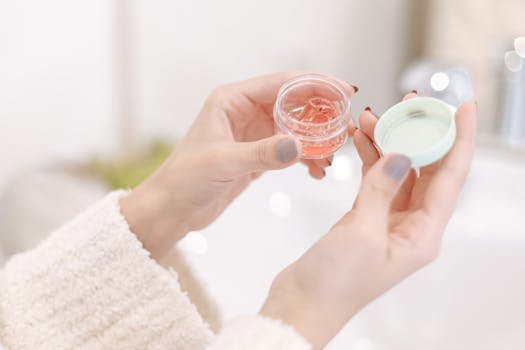
{{IMAGE:close-up dewy skin routine flatlay}}“Terrifying” spot and pore hacks: toothpaste, lemon and deodorant
These chestnuts never die. Toothpaste on pimples. Lemon juice as a brightener. Deodorant as primer for sweat-proof makeup. They trend because they look cheap and familiar. They also contain irritants. Toothpaste holds flavour oils and high pH that worsen inflammation. Lemon juice runs acidic and photosensitising. Deodorant contains aluminium salts and fragrance not meant for faces.
Swap folklore for formulas that target the problem. For blackheads and spots, salicylic acid works at 2% to sink into pores. For inflammatory pimples, benzoyl peroxide at 2.5–5% reduces bacteria. For post-blemish marks, look for niacinamide around 4–10% or azelaic acid 10%. Always add SPF 50+ if you treat pigment and breakouts. Sun pushes marks darker and keeps them longer.
Look through Face Exfoliants to find BHA spot treatments and gentle rinses that do not torch your barrier. If you still need long-wear makeup on humid days, use a true primer, not antiperspirant. Compare gripping options in Face Primers, then set a GlamGeek alert so you catch storewide deals instead of raiding the bathroom cabinet in a panic.
What our data suggests you actually do next
Trends come and go. Skin sticks around. If a method trades safety for speed, skip it. In our Australian context, your non-negotiables remain simple. Wear a high-filter sunscreen every day and reapply. Hydrate with light textures that tolerate heat. Use one active at a time, then build. Target risky procedures to professionals and schedule them outside peak UV.
Put your budget where consistency pays off. Spend on the daily sunscreen you will wear, the serum your skin tolerates, and the foundation that holds in humidity. Save on single-task gadgets and multi-acid sets you will abandon. Our price tracker covers Mecca, Priceline, Chemist Warehouse, Adore Beauty, Sephora Australia and MYER, so you do not chase sales one tab at a time. Add products to your GlamGeek wishlist. We monitor stock and send a heads-up when the price moves, which keeps you from panic buys after a “scary” shortcut backfires.
The quick filter we use to sort hype from help
Use this checklist before you try any viral method in 2026. Does the trend expect you to skip sunscreen? Pass. Does it expose you to blades, acids or chemicals near eyes at home? Pass. Does it stack steps that all exfoliate? Pass. Does it align with heat and sweat in our climate? Maybe. Does it cite percentages, pH, or clear aftercare? Better. Can you patch-test and measure progress over four to eight weeks? Best.
When a trend clears that filter, look for a version that fits our environment. Choose sweat-resistant SPF and transfer-resistant base. Pick acids and retinoids you can dial up or down. Keep occlusives for cool nights or small zones. Book the high-stakes stuff with trained hands and proper aftercare. Your skin will thank you in texture, not retweets.
We want to hear from you. Which “scary” trend should we decode next for Australian skin and shopping habits? Tell us what keeps popping up on your For You Page, add your current shortlist to a GlamGeek wishlist, and we will track the prices while we investigate the claims.
![Lumene Nordic-C [Valo] Glow Cream Spf30](https://media.glamgeek.com/media/2026/02/06/c0cef909-16ab-49f9-865e-278e63871493_sm.jpg)