Our price tracker shows a pattern we can’t ignore. Viral headlines spike searches within hours, and stock follows within days. Discounts arrive later, and not always where the hype started.
That’s the rhythm of beauty in 2026. Huge noise. Quick sellouts. Then a steady drift back to sensible choices once the dust settles. We like the sensible end of that story. The bit where your skin looks good, the budget stays on track, and you don’t chase every dupe on TikTok.
This is our Australian edit of the headlines you’ve seen a dozen times this year. Viral creams. $26 “secrets”. Dyson dupes. Red carpet skin. Here’s what actually holds up in our climate, in our stores, and on our feeds.
Behind the hype: the data we’re watching
We’ve tracked beauty prices in Australia every day since 2010, across six major retailers: Mecca, Priceline, Chemist Warehouse, Adore Beauty, Sephora Australia, and MYER. Trend cycles speed up each year, but sales windows keep shrinking. Many last only 24–72 hours before stock flips back to full price.
Prestige launches land here with a premium. Call it the Australia tax. Freight, duties and GST all add up. GST sits at 10%, and RRPs often float higher than US tags even before shipping. We watch that gap tighten during major events like Black Friday and EOFY, so wishlisting helps. Add a product on GlamGeek and we’ll ping you when the price moves.
Climate changes the brief as well. UV runs high for most of the year, and summer humidity pushes base makeup hard. We see long-wear, heat-stable formulas spike every December to March. Sweat-proof mascaras, water-resistant sunscreens and transfer-resistant foundations sell, because they have to work here.
We also see the dupe cycle mislead shoppers. A styling tool can look identical online and still miss the airflow, heat control and motor quality that give a real blowout. The best buys tend to win on stats and materials, not just on colour.
{{IMAGE:Australian woman applying sunscreen outdoors}}Viral creams vs real moisturisers: where the glow comes from
Viral moisturisers usually win on finish. That instant glow comes from humectants, emollients and film-formers that catch the light. Glycerin pulls water in. Squalane softens. Dimethicone smooths and scatters light. Peptides and niacinamide round out the label, but the feel on skin drives the buzz.
If you love a dewy base, you have options at most budgets. Lotions that combine glycerin, hyaluronic acid, and lightweight silicones give that flexible, lit finish. Rich creams with ceramides and cholesterol help barrier care and pair better with retinoids. Glow primers add optical blur on top. It’s the structure, not the slogan.
High-profile moisturisers from houses like Charlotte Tilbury and Clinique get the headlines. The finish looks great under makeup and the textures feel plush. If your skin runs dry and you set with powder, those formulas can look polished for hours. If you run oily, a gel-cream with niacinamide will usually sit better and curb mid-day shine.
Check out our Day Face Moisturisers category and filter by finish and skin type. Add favourites to your wishlist and we’ll nudge you when Mecca or Adore flips to a promo. We’ve seen frequent bounce-backs after quick sellouts on buzzy jars, so you rarely need to panic-buy.
The $26 “secret”: what the cheap hacks actually do
We keep seeing the same headline: a $26 “secret” that makes skin look like a facial. Often it’s not a secret. It’s a routine tweak with simple chemistry behind it.
Three low-cost moves work hard in Australian conditions. First, non-stripping cleansers cut redness and flaking. That keeps barrier lipids intact before the UV load hits. Second, steady humectants like glycerin and urea reduce the need for heavy occlusives in heat. Third, disciplined SPF use stops the rollercoaster of pigment flare and texture.
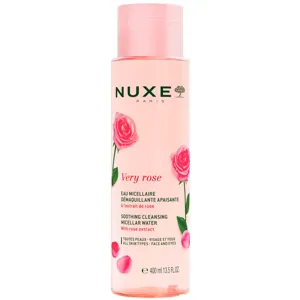
Pharmacy staples from Garnier and L'Oréal often deliver these basics. Look for fragrance-light gel cleansers, glycerin-rich toners, and gel-cream moisturisers with niacinamide. A soft chemical exfoliant once or twice a week smooths texture without the patchiness that sanding scrubs can cause.
Start with categories, not claims. Browse Face Exfoliants, then zero in on lactic or mandelic acid for gentle work. Jump to Face Toners and set filters to hydrating. Add your shortlist to GlamGeek and wait for a Priceline or Chemist Warehouse deal alert. Flash promos come and go fast; our tracker does the watching.
Dyson dupes: what actually matters in a blowout
We get the appeal of a dupe. The problem: hair tools don’t just copy on looks. They need airflow design, motor strength and heat control that protect hair and set shape. Cheaper tools can heat unevenly, frizz the ends and drop the curl within hours.
When you compare tools, don’t just scan barrel size. Check wattage, ionic output, and temperature modulation in degrees, not vague “low/med/high”. A cool shot that actually cools sets a curl better than a warm puff. Airflow measured in litres per second beats any colourway match.
Technique also saves money. Rough-dry to 70% first. Direct airflow down the strand to keep the cuticle flat. Clip each section to cool. Use a light heat protectant and a hold product with polyquaterniums or VP/VA copolymer. That chemistry fixes shape as you cool, which is where budget tools often struggle.
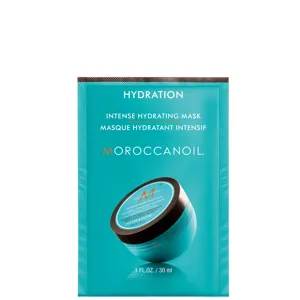
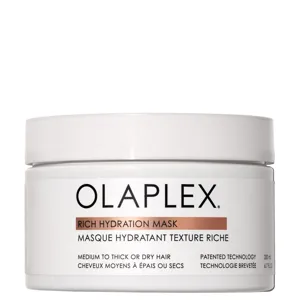
Healthy hair holds style longer, tool aside. Slot in a weekly mask and trim splits on schedule. Our Hair Masks page covers hydrating and bond-care picks. Filter by brand and add to your wishlist. We see MYER and Adore Beauty rotate deals on salon lines like Kérastase throughout the quarter.
Red carpet skin, but for a Saturday in Sydney
Event skin looks simple when the lighting is perfect and air-con stays icy. Real life in Australia serves humidity, UV and outdoor seating. You need prep that holds, not just glow.
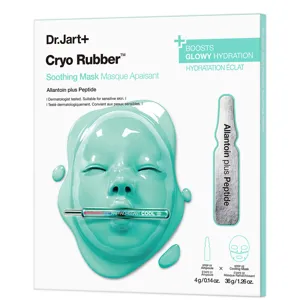
Build the surface the night before. Do a gentle exfoliant and a calming mask, then moisturise a touch richer than usual. On the day, hydrate with a serum, moisturise lightly, then use a gripping primer. Silicone-based primers blur. Water-gel primers grip. Choose based on your base product and your T-zone.
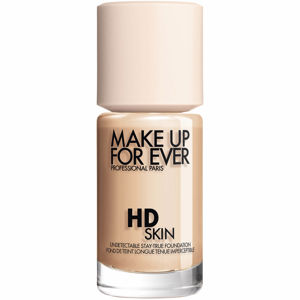
For foundation, long-wear formulas from houses like Lancôme, Estée Lauder and MAC offer reliable wear in heat. Use a thin first layer and spot-conceal instead of slabbing on coverage. Set with a micro-fine powder on the T-zone, then mist lightly. Your base will flex with sweat and look more like skin.
Browse our Face Primers and Liquid Foundations to match finish and coverage. Add them to your GlamGeek list. Our alerts catch those brief Mecca, Sephora and MYER windows that save the splurge without the regret.
{{IMAGE:woman red carpet makeup in Australian summer light}}SPF headlines vs Australian sun: what holds up
Australia’s UV index often hits very high levels in summer. That shapes every skincare choice. You can’t fix what UV keeps breaking. So sunscreen becomes the workhorse, not the afterthought.
Look for broad-spectrum filters you can wear every day. Gels suit oilier skin. Lotions with emollients suit drier skin. Water-resistant labels help on commutes and outdoor lunches. Facial SPFs from Japanese and European houses have improved slip and film-former tech. That makes reapplication less of a chore.
Brands like Shiseido invest in film formers that hold through heat and sweat. They layer well under makeup and feel elegant on skin. The best SPF is the one you use in a proper dose. The two-finger rule helps for face and neck, then add more if you sit outside.
Check our SPF Protection Products and sort by finish. Save your candidates. We track Sephora Australia, Adore, and Chemist Warehouse for promo shifts. We’ve seen sellouts during heatwaves, then restocks at a rival store within days.
Long-wear makeup that doesn’t crack in heat
Long-wear doesn’t need to look flat. The trick is thin layers and strategic setting. Cream blush blends into sunscreen and tinted base, then powder only where you crease. A soft blurring powder in the T-zone, not across the whole face, keeps the skin look alive.
Foundations built for humidity tend to list volatile silicones that flash off and leave a flexible film. Setting sprays with film-formers lock that film without suffocating the finish. Transfer-resistant options from established houses like Estée Lauder and Lancôme tend to deliver on shift days and outdoor events.
For eyes, tubing mascaras hold a curl and slide off with warm water. If you prefer classic waterproof, curl and dust a whisper of powder on lashes before you coat. That cuts smudge in humidity. Take a look at our Mascaras and filter for waterproof or tubing. Add a backup option to your wishlist for travel and weddings.
Peptides, retinal, vitamin C: the actives that earn their keep
Not every active needs a billboard. The best ones just show up in your mirror. Vitamin C helps with brightness and uneven tone. Retinoids refine texture and soften fine lines. Peptides support the look of firmness and calm.
If you start new actives in summer, go slow. Use vitamin C in the morning under SPF and retinoids at night. Keep exfoliation gentle while you adjust. Combine actives with barrier support: ceramides, cholesterol and fatty acids keep the base layer comfortable when UV and heat stress the skin.
We like established houses with stable textures and sane claims. You’ll find steady performers from Clinique and Clarins in our Anti Ageing Face Serums. Save a couple, track the prices, and try one at a time. Your sunscreen will do more for glow than doubling up on acids.
Dupes vs originals in colour: when to save, when to spend
We see two sweet spots for dupes. First, eyeshadows. You can get strong payoff and wide colour stories from budget brands now. Second, lip glosses and balms. Texture tech moved fast, and shine is shine.
Palettes from Morphe and Revolution offer breadth without guilt. That’s handy if you play with trends or build a travel kit. Save on brights and toppers. Spend on your best-use neutrals if you care about pan-by-pan consistency and minimal fallout.
For base products, spend where the shade match and wear matter. Foundations and concealers sit on a larger area for longer. A better undertone can make a cheaper eyeshadow look luxe by comparison. Browse Eye Shadow Palettes, then jump to Liquid & Cream Concealers and set a wishlist. Our alerts cover Sephora Australia, MYER and Mecca, so you can time a brand match day with a discount.
That “French-girl” perfume headline: heat-proof scent strategy
Scent trends love a cliché. The reality in Australian heat is simple. Choose a concentration and structure that lasts without choking the room. Citrus tops fly in the sun, but they fade fast. You’ll need a heart and base that can handle warmth.
Look for woods, musks and soft ambers that hum in heat. Try eau de parfum when you want hold, eau de toilette for daylight and close wear. Spray on skin and a touch on fabric, then let it settle before heading out. Overspraying in heat can turn even the prettiest note harsh.
Our Eau de Parfum Perfumes page lets you filter by note and season. Save favourites, then watch for MYER or Adore Beauty fragrance promos. Those often land around Mother’s Day and late spring.
Red carpet lips without the crumble
Lip headlines swing between vinyl gloss and ultra-matte. Real life wants colour that wears through snacks and sun. The trick is to layer for comfort and grip.
Start with a light balm and blot. Add a long-wear liner to sketch shape and fill the lip as a stain. Tap in a satin bullet or a thin liquid layer, then press with tissue and reapply. That sandwich structure beats a thick coat that flakes by midday.
Explore Lipsticks and Lip Glosses by finish. You’ll find luxe classics from Guerlain and MAC, plus fun toppers from Sephora Collection. Add a couple to your GlamGeek list and watch for bundle deals at Sephora Australia or MYER.
Tools that earn space in an Aussie bathroom
We like tools that save time and survive heat. A dense kabuki brush lays thin layers fast. A damp sponge presses product into sunscreen better than fingers and avoids streaks. A lash curler with a steady clamp can outdo an extra coat of mascara in humidity.
For skin prep, a cool jade or stainless roller calms and helps settle sunscreen layers before makeup. Keep it in a shaded spot, not the fridge door. Sudden chills can give you flush and undo the calm you wanted.
Have a look at Makeup Brushes & Applicators. We track stock changes at Sephora Australia and Mecca, where core tools sometimes sit in cart kits and sets. Add, wait, and grab when a set beats the single price.
Skincare sets and “secrets” that are actually smart spends
Some headlines hide a good idea: try before you commit. Discovery kits and travel sets help you test textures in our humidity before you buy the big jar. They also dodge the Australia tax by bundling a mini SPF or serum you planned to buy anyway.
We rate classic serum-plus-cream kits from houses like Estée Lauder and Lancôme when you want to test wear under makeup. Event season kits often pair a primer with a long-wear base as well, which tells you more than a counter swatch.
Browse our Skin Care Sets and Makeup Sets. Add to your wishlist and let our engine ping you during EOFY and Boxing Day. Those windows deliver the sharpest drops on sets and minis.
What this means for your 2026 routine
Headlines sell the rush. Your skin needs the routine that keeps working in heat, with sunscreen at the core. Spend where shade, filters and film tech matter. Save where pigment and polish repeat across brands.
Use our categories to narrow by function first, then brand. Build a wishlist for the core pieces: sunscreen, long-wear base, a reliable mascara, and a moisturiser that suits your skin type. Let our alerts handle the promo noise across Mecca, Priceline, Chemist Warehouse, Adore Beauty, Sephora Australia and MYER.
Keep a small “trend” budget for fun, like a topper palette or a bold lipstick. That scratches the novelty itch without derailing the plan. Techniques matter more than labels in Aussie weather: thin layers, smart setting, and reapplication where heat hits hardest.
Over to you
Which headline tempted you this year, and which buy actually earned a place in your routine? Tell us what worked in the heat and what melted. Drop your picks, then add them to your GlamGeek wishlist so we can watch the prices while you enjoy the glow.
![Lumene Nordic-C [Valo] Glow Cream Spf30](https://media.glamgeek.com/media/2026/02/06/c0cef909-16ab-49f9-865e-278e63871493_sm.jpg)