Searches for dewy, breathable skin products now outrun full-coverage base in Australia. Our price tracker shows a steady tilt toward gel-cream moisturisers, light serums, and high-protection SPF that still feels weightless. Retail sell-outs spike every time the UV index climbs or a viral lip balm takes over TikTok.
Call it bloom skin. Not glass, not matte — a fresh, softly lit finish with bounce and healthy colour. The look comes from skincare that swells the skin with water, protects the barrier, and uses make-up to diffuse rather than mask. It suits Australian heat and long UV days, which punish heavy layers and fussy formulas.
Here’s the 2026 routine that works here, built from textures that behave in real weather, with smart actives, and with options for when hyped imports show up locally — Rhode included.
Why bloom skin makes sense in Australia right now
Bloom is the midpoint between bare-faced and high-beam gloss. It softens edges, evens tone, and keeps skin flexible under sunscreen. It doesn’t rely on a blinding highlight or a 12-step routine. It relies on water-binding humectants, barrier-supporting lipids, a breathable occlusive step, and SPF that stays put when you sweat.
Australian shoppers vote with baskets. Across Mecca, Priceline, Chemist Warehouse, Adore Beauty, Sephora Australia and MYER, we see three patterns. Lightweight gel-cream moisturisers rise in share of wallet. Hybrid sunscreen-serum textures keep selling through hot weekends. And “peptide glaze” lip treatments rocket the category every time a celebrity brand trends.
Regulation also shapes the shelf. Sunscreen claims sit under TGA rules, which tighten testing and labelling. That’s good for reliability, but it limits some imports. Many K-beauty SPFs arrive as general cosmetics offshore, then need a local-listed counterpart to sell here. You’ll see a split: official AU stock with verified claims, and parallel imports that don’t carry local testing data. Our advice: pick TGA-listed SPF for daily wear, and lean on K-beauty textures for the rest of the routine.
As for celebrity ranges, Australia often lands them months behind the US. Hype still crosses instantly. When a glossing balm trends, the whole lip-care category lifts here. Rhode’s lip and glaze formulas drive that effect. Local stocking shifts fast, so set a wishlist on GlamGeek for the products you want. We’ll ping you the moment a verified AU retailer lists them, and we’ll show where the price sits best.
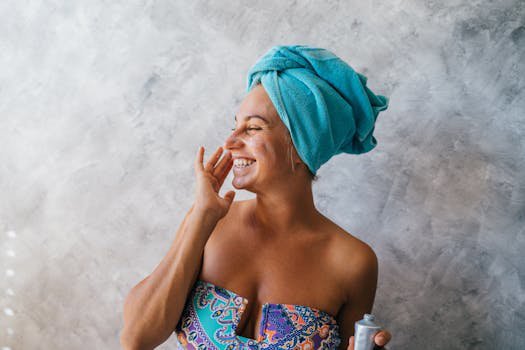
{{IMAGE:Australian woman skincare glow natural light}}Step 1: Cleanse without stripping — the summer-proof way
Heat, SPF and city dust stack up. You need a cleanse that removes them, but doesn’t sandpaper the barrier. A soft gel cleanser in the morning keeps things quick. At night, add an oil or balm pre-cleanse if you wore water-resistant SPF or make-up. Keep water lukewarm. Hot rinses raise transepidermal water loss and leave cheeks tight.
Look for surfactants labeled “ampho-” or “glucoside” on the INCI list. They cleanse without harshness. Humectants like glycerin and propanediol hold onto water while you wash, so skin doesn’t squeak after you towel off. If you swim, remove chlorine with a gentle wash right after. Then get moisturiser on within a few minutes to lock hydration back in.
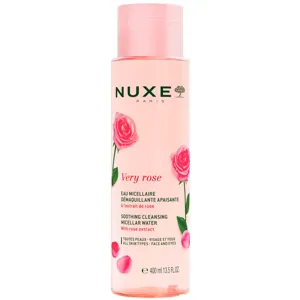
Texture tells you plenty. A jelly that turns milky in water works for most skin types and climates here. Avoid strong fragrance if you run sensitive in heat. If your T-zone floods with sweat, try a quick, no-foam morning cleanse with micellar water, then follow with a low-foam gel at night. You’ll cut over-cleansing without leaving residue.
Not sure where to start? Browse our picks across Foam & Wash Cleansers, then add a couple to your GlamGeek wishlist. We’ll track stock across Mecca, Adore Beauty, and more, and alert you when a price dips.
Step 2: Hydrate like K‑beauty — layer light, lock smart
Bloom skin lives or dies on hydration. K‑beauty built the playbook: thin, water-rich layers that soak fast and don’t pill under SPF. Start with a toner or essence that brings glycerin, panthenol, or saccharide isomerate. Then add a serum with multi-weight hyaluronic acid or polyglutamic acid. These humectants pull and hold water in the upper layers so the surface looks bouncy rather than flat.
Anchor the stack with barrier helpers. Beta-glucan calms heat-flush. Ceramides and phytosphingosine support the stratum corneum lipids that keep water in. Niacinamide balances oil over time, which helps make-up last when humidity spikes. Keep each layer light. Think one to two pumps, pressed in, not rubbed. Give 30 seconds between steps in summer. Your SPF will sit cleaner on top.
Two-serum routines work here. Use a hydrating serum day and night. Add a gentle brightening serum in the morning or a mild retinoid in the evening. If you shop a lot of actives, log them in your GlamGeek wishlist. You’ll avoid duplicating and you’ll catch price swings across retailers. You’ll also see community reviews in one place.
To compare textures and formulas side by side, start with our Day Face Serums hub, and check long-wear comments from women who live in humid parts of the country. For moisture-boosting staples, many readers rate hydration-first lines from Clinique for their gel textures that hold under sunscreen.
Step 3: Barrier-first actives — brighter, smoother, still calm
Australia’s UV exposure pushes pigmentation and texture. Actives help, but they must leave your barrier intact. Pick steady, not spicy. Azelaic acid helps with tone, redness and bumps without high sting. Mandelic acid and PHAs exfoliate gently and play nicer with heat. If you want retinoids, start low and slow. Look for encapsulated retinol or retinaldehyde in a moisturising base. Use it at night, two to three evenings a week. Add more only when your skin asks for it.
Keep vitamin C in the morning routine if you tolerate it. Ascorbyl glucoside and 3‑O‑ethyl ascorbic acid offer more stability than L‑ascorbic in heat. Pair vitamin C with SPF to squeeze more from each. If vitamin C prickles, swap for tranexamic acid or licorice root extract to target uneven patches more calmly.
Buffer strong steps with barrier layers. A hydrating serum before actives, and a ceramide moisturiser after, will blunt the edge without killing results. Track changes week by week rather than chasing overnight results. Bloom skin builds from consistency and small, repeatable steps.
Step 4: The bloom finish — moisturiser and primer that behave
Moisturiser sets the stage. A gel-cream with a mix of humectants and light emollients gives bounce but avoids slip. Think glycerin, squalane, dimethicone, and a dash of shea or jojoba if you run dry. Women with combination skin can split the face: lighter gel on the T‑zone, richer cream on cheeks. In a heatwave, try a gel moisturiser in the morning and save richer textures for night.
Primer decides how your base wears. You want soft-focus more than hardcore mattifying. Look for silicone elastomers for blur, a hint of silica to absorb sweat at the surface, and film-formers that help base cling without chalk. Dew-boosters with pearlescent particles can work, but keep them subtle. The bloom effect looks like skin, not shimmer.
If you love luminous base products from red-carpet brands, keep them for cooler evenings or use them as spot illuminators on the high points. For daily wear, a thin blurring primer under SPF, or a hybrid sunscreen-primer, holds make-up better in humidity. Compare tech claims against real reviews and save favourites to your wishlist. See what lasts on a summer commute, not just on a press release.
Explore breathable options in our Face Primers edit. Filter by “shine control” or “hydrating” and watch how prices shift between Adore Beauty and Sephora Australia over long weekends when promos hit.
Step 5: SPF that stays put when the mercury climbs
High UV runs most of the year here, so SPF isn’t a seasonal extra. It’s the lynchpin. For bloom skin, you need high protection that feels thin, layers over hydrating steps, and doesn’t peel off under sweat. Look for SPF 50+ with broad spectrum protection and water resistance where possible. Film-forming polymers help SPF cling. Polyester-8 and VP/eicosene copolymer show up often in heat-hardy formulas.
Filters matter, but feel matters more in use. Newer organic filters can bring higher UVA coverage with less white cast and better slip. Mineral-only SPFs often sit thicker, but some now blend non-nano zinc with flexible silicones to move better. Tinted SPFs can even tone and help you use less foundation. Reapply every few hours outdoors, and sooner with heavy sweating or towel-drying. A compact or mist top-up helps when you wear make-up.
If long days outside are your norm, investigate sports and suncare specialists from Japan, then look for their AU‑listed counterparts. Shoppers often flag Shiseido sport SPFs for staying power. Heat tests in our reviews section point to good hold through humid walks and school runs. Always shop TGA-listed sunscreen locally so you get the tested claims, and anchor the rest of your glow with non‑SPF K‑beauty textures.
Not sure which bottle to commit to? Compare textures and community wear-notes in our SPF Protection Products directory. Add a few to your wishlist and we’ll email you when Mecca, Chemist Warehouse or Priceline runs a promo.
{{IMAGE:K-beauty gel-cream moisturiser flatlay pastel}}Step 6: Make-up that lets skin bloom, not mask it
Base: keep it sheer. Skin tints, serum foundations, or flexible medium coverage that stretches with heat work best. Spot-correct with concealer instead of stacking coverage everywhere. A touch around the nose, chin and any dark spots goes further than a heavy layer on the whole face. Resist the urge to overpowder. Use a microdose of translucent powder on the T‑zone or where glasses sit.
Blush and bronzer do more than shine. Cream or gel blush gives the “alive” part of bloom. Place it higher on the cheek and blend toward the temple. Add a sheer bronzer to bring back dimension lost under SPF. Skip sharp contours in daylight; soft warmth flatters in harsh sun. If you want glow, pick a non-glitter cream highlight and tap sparingly on the tops of cheekbones.
Eyes and lips can stay simple. Tubing mascara survives moisture better than waxy formulas and removes cleanly with warm water. A balmy tint on lips supports the look and avoids heavy demarcation lines as colour fades. If you love a statement lip, keep the rest of the face softly balanced.
We track base and concealer sell-outs every heat spike. If your shade sells fast, shortlist a couple of alternates and save both. Compare finish reviews and pricing across Liquid & Cream Concealers. Then check which retailer ships your exact shade the quickest during sale weeks.
Step 7: Night reset — repair, exfoliate, and bank hydration
Night shifts the routine into recovery mode. Double-cleanse when you’ve worn long-wear SPF, make-up, or both. Keep the first cleanse oil-based and the second one gentle and low-foam. If your skin flushes when you exercise in the evening, rinse and moisturise soon after to calm things before bedtime actives.
Exfoliation works best when you treat it like strength training, not a sprint. Use an acid no more than two to three nights a week. PHAs and mandelic acid act slowly and reduce the risk of over-thinning in hot months. If flakes appear, pause and add a buffer cream for a week. Retinoids can take two to three months to show gains. The skin keeps those gains when you stay consistent.
Lock overnight hydration with a light occlusive step. Modern gel-occlusives use polyglutamic acid, panthenol, and silicones to slow water loss without a greasy film. That’s where bloom comes from the next morning — a plumped surface that doesn’t rely on emollient shine. If you like a weekly reset, add a calming mask with centella or madecassoside. Strong peel masks don’t suit the Australian summer for most skin; steer gentle.
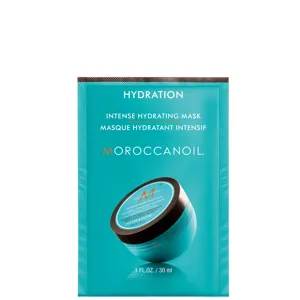
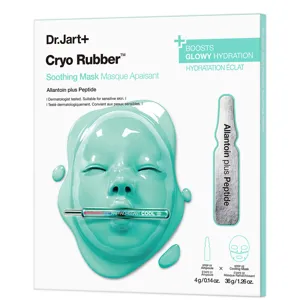
Want ideas before you buy? Browse soothing options within our masks directory, compare textures, then save a shortlist. The next morning, read fresh reviews from women who also live with our humidity. You’ll pick smarter than scanning labels half-asleep.
Step 8: Rhode, K‑beauty textures, and local swaps
Viral “glaze” and plush lip looks push the bloom mood along. Rhode sits in that space: cushiony textures, peptide chatter, and a glossy-soft finish that frames fresh skin. Availability in Australia moves fast and changes by retailer. We’ve seen interest spike with every social post, and adjacent categories lift here even before local shelves catch up.
If you want the effect right now, focus on texture over logo. A peptide-leaning hydrating serum under a gel-cream moisturiser gives the same soft-quench base many celebrity routines showcase. Then choose a balmy lip with occlusives and a touch of sheen. Squalane, lanolin, shea and hydrogenated polyisobutene deliver that cushion without stick. Save the bulbs of glitter for parties; bloom reads cleaner in daylight.
When a hyped product looks set to land, use GlamGeek for the practical part. Add the exact shade or flavour to your wishlist, and we’ll flag the first verified AU stockist and the best price on the day. We also list dupes and texture-adjacent options in the same view, so you can go now or wait for the brand name. Either way, you get the look.
Start with our edit of comfort-first lip care in Lip Balms & Creams. Sort by finish and flavour, and scan the “wear in heat” notes. That filter will save you from sticky regret when summer hits.
What this routine looks like, step by step
Morning: cleanse lightly, hydrate in two thin layers, moisturise with a gel-cream, then SPF. If you need more polish, add a soft-focus primer under SPF or use a hybrid if the formula allows. Apply a sheer base or spot-conceal where needed. Tap in cream blush and a balmy tint. Set only where you shine.
Evening: cleanse once, then again if you wore SPF or make-up. Hydrate, then apply your chosen active on alternating nights. Seal with a barrier cream or gel-occlusive. Add a lip balm before bed. Once or twice a week, use a gentle exfoliant or a calming mask, not both on the same night.
Weekly checks help. If your SPF pills, troubleshoot the step before it. If you look shiny by noon, swap your moisturiser for a lighter gel in the morning and keep the richer cream for night. If your blush fades, consider a creamy tint with more grip and press a tissue over it before setting.
How to shop it smart in Australia
“Australia tax” still hits some imports, but price gaps swing both ways. Our feed shows local chemist chains undercutting department stores on staples, while premium counters sometimes beat chemists on gift-with-purchase value. Check before you click. Save your routine to GlamGeek and watch the graph. You’ll see who blinks first during long weekends and EOFY events.
Stock runs differently here. Mecca and Sephora Australia turn newness fast, but shades go first. Chemist Warehouse and Priceline win on breadth for sunscreens and everyday serums. Adore Beauty covers a lot of K‑beauty textures and ships fast. MYER holds legacy counters and sets. Use that mix to your advantage. Split your order if it saves dollars and days.
Ingredients travel better than hype. If a product sells out, buy the function. Need a hydrating serum? Glycerin up high, multiple HA weights, panthenol, and beta-glucan. Want a heat-hardy SPF? Film formers, sweat resistance, and high UVA claims. GlamGeek lets you filter by ingredient and finish, then cross-check reviews from women dealing with the same climate.
Common questions we see, answered fast
Do you need both toner and serum? No. You need enough hydration. Some women achieve bloom with a single, hefty hydrating serum. Others prefer an essence plus a thinner serum. Pick the combo that vanishes into your skin without tack.
Can you use vitamin C and azelaic acid together in the morning? Yes for many, but check how your skin feels. If it tingles or flushes, alternate days. Always pair with high SPF. That’s where you bank the brightening gains.
What about full matte days? They still work when you need durability. Build bloom at the skincare level, then spot-mattify with powder only where you shine. You’ll keep life in the face without losing long wear.
Do you need a facial oil? Optional. For very dry patches, press a drop into cheeks at night. Skip oil under SPF if your base slides by lunch. In summer, many women do better with gel-occlusives than rich oils.
What this means if you want results, not just routine
Bloom skin isn’t a 20‑step promise. It’s a structure: cleanse kindly, hydrate well, protect daily, and choose actives you can repeat without drama. Add make-up with a light hand and smart placement. That structure suits Australia’s climate and our retailers’ shelves. It also trims waste. You buy what you’ll finish.
Take the shortcuts our data supports. Wishlist the things you’ll actually use, and let GlamGeek watch prices across the big Australian retailers. Read wear-notes from women who ride the same heat and humidity. Buy the texture that behaves in your life, not the one that looked glossy under studio lights.
Ready to build your 2026 bloom routine?
What step gives you the most trouble in our heat — SPF that won’t pill, a base that won’t slide, or hydration that lasts the day? Tell us where you get stuck and which formulas you want us to compare next. Add your shortlist to your GlamGeek wishlist today, and we’ll do the price watching while you enjoy the glow.
![Lumene Nordic-C [Valo] Glow Cream Spf30](https://media.glamgeek.com/media/2026/02/06/c0cef909-16ab-49f9-865e-278e63871493_sm.jpg)