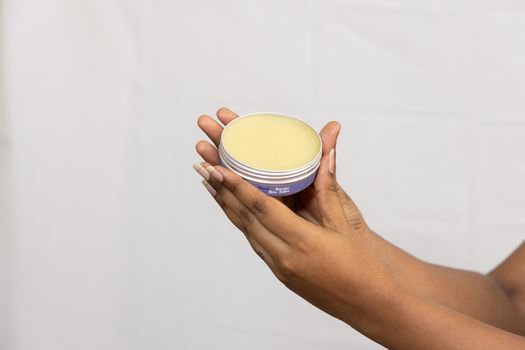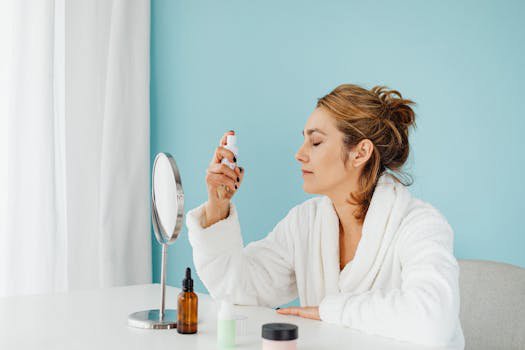
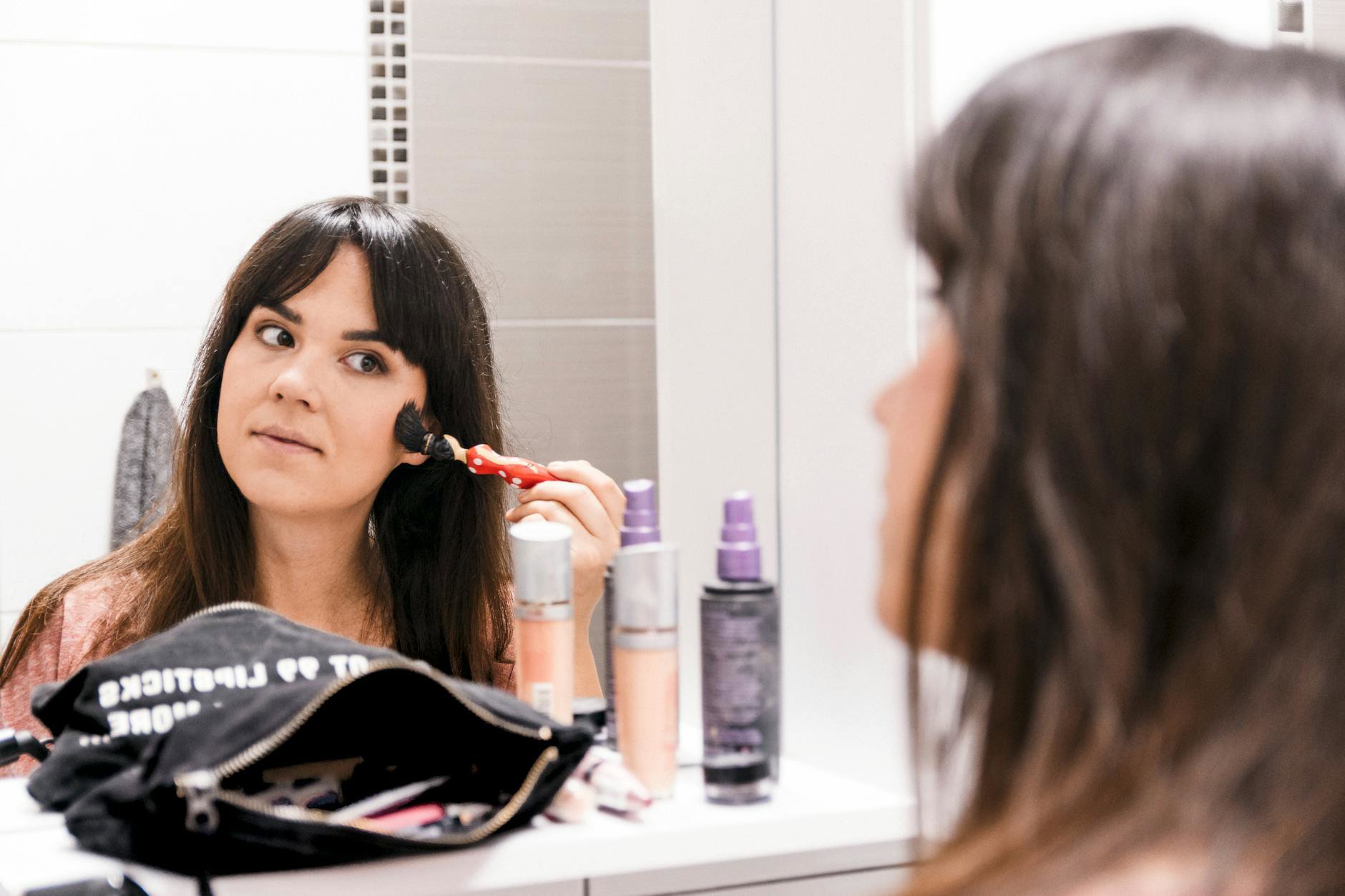
Three minutes has become the new magic number in beauty marketing.
Across the recent Australian headlines, the loudest claim isn’t about a new ingredient. It’s about a ritual: a fast, repeatable routine that promises visible results without the time sink. We get why it lands. Australian days run hot, UV stays high, and “full routine” energy disappears fast when you’re sweaty, time-poor, or both.
But here’s our take: the three‑minute ritual only works when it prioritises the right physics and chemistry. That means film-formers, sweat resistance, and UV-first logic. Not a 12-step miniaturised into panic-speed application.
Why “3 minutes” sells — and what the data says women actually buy
Trend trackers keep circling the same idea: beauty spending hasn’t vanished, but it has become more strategic. Women still buy premium, but they demand proof, convenience, and repeat value. That matches what we see across our merchant feed: routine “anchors” (SPF, a dependable cleanser, a daily serum, a hero mascara) stay steady, while experimental extras churn faster.
Digital retail growth also changes behaviour. When you can reorder in two taps, you stop hoarding five options “just in case”. You buy one that works in your climate, then you repurchase on autopilot.
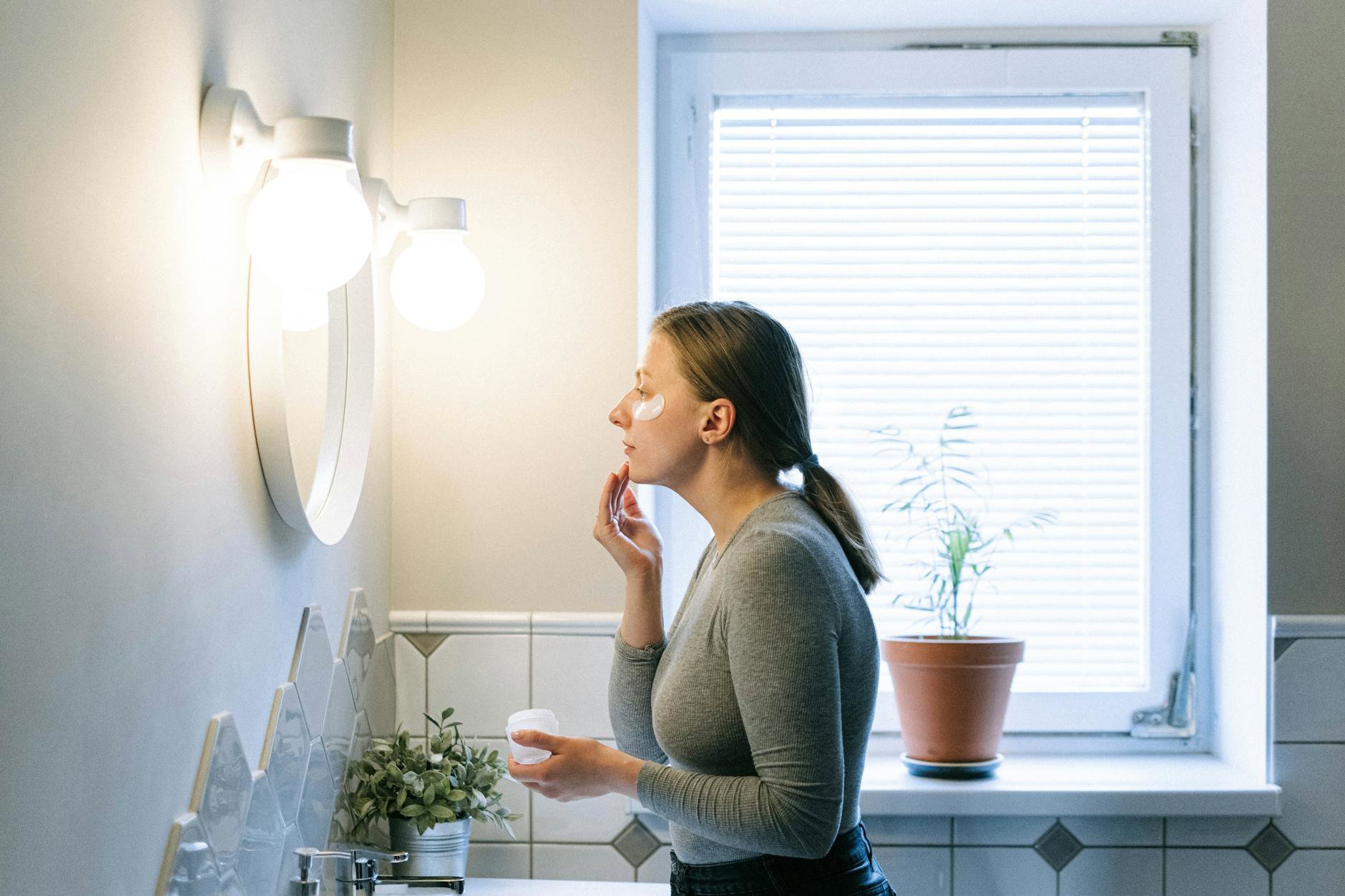
For Australians, the time argument also hides a climate argument. A routine that looks perfect in a cool studio can fall apart in Brisbane humidity or a dry Perth afternoon. So if a three‑minute ritual doesn’t include (1) UV protection, (2) barrier support, and (3) makeup that sets under heat, it isn’t a ritual. It’s content.
This article commits to a practical standard: if a step doesn’t measurably improve wear, comfort, or skin function in Australian conditions, we’d cut it.
The non‑negotiables: the fastest routine that still makes sense
We’re not going to pretend everyone needs the same steps. Still, most women can build a high-performing three‑minute morning routine around three non-negotiables: cleanse (or refresh), treat, protect.
Step 1: Refresh without stripping (15–30 seconds). If you wake up oily or you used a heavy night moisturiser, a gentle wash helps makeup sit better. If you wake up dry or tight, splashing and wiping with lukewarm water can be enough. Over-cleansing costs you time later because you’ll chase dryness with extra layers. If you need ideas by texture, browse Foam & Wash Cleansers and pick a low-foam option when your skin runs reactive.
Step 2: One “do something” serum (20–40 seconds). Choose one active lane for daytime: antioxidants (vitamin C), oil control (niacinamide), or hydration (glycerin, hyaluronic acid). Don’t stack three actives and call it efficient. That creates pilling under SPF and makeup, which wastes more time.
Step 3: SPF as your moisturiser (60–90 seconds). In Australia, this is the whole point. Many modern facial SPFs feel like a day cream. If your SPF already gives slip and comfort, skip a separate moisturiser in the morning. If you want to browse formats and filters, keep a tab open for SPF Protection Products. The best SPF is the one you apply in a full, even layer and can tolerate daily.
That’s the skeleton. Everything else needs to justify itself with either wear-time, comfort, or targeted correction.
Skin: the “one active” rule (and which ingredient to pick)
Some headlines push “sleep in a bottle” eye products and buzzy anti-ageing ingredient rankings. We’d reframe it: daytime is about prevention and tolerance; nighttime is where you push actives harder.
For a three‑minute morning ritual, pick one active that behaves well under sunscreen and makeup.
Vitamin C (morning defence). Australia’s UV reality makes antioxidants a logical daytime pick. Vitamin C helps neutralise oxidative stress and supports brighter tone over time. The catch: many formulas sting, oxidise, or feel sticky under SPF. If you use vitamin C, keep the layer thin, let it set for 20–30 seconds, then go straight to SPF. If your skin reacts, swap to a gentler derivative or use it every second morning.
Niacinamide (oil control + barrier support). This ingredient earns its “boring but useful” reputation. It plays well with sunscreen, it can reduce the look of pores via oil regulation, and it supports barrier function. The common mistake: high-percentage formulas twice a day on sensitive skin. If you flush easily, scale back frequency rather than adding more soothing steps.
Hydrators (glycerin beats hype). Hyaluronic acid gets the headlines, but glycerin often performs more reliably in dry, air-conditioned environments. A glycerin-forward serum under SPF can reduce tightness without making makeup slide. If you love HA, apply it to slightly damp skin and seal quickly with SPF so it doesn’t feel “tight” later.
If you want to browse options by category rather than chasing viral names, start with Day Face Serums. Then filter by your one active lane and your tolerance.
Eyes: why most “miracle” eye serums disappoint (and what helps fast)
Eye-serum roundups keep going viral because the problem feels urgent: dark circles, puffiness, fine lines. The issue is biology. Pigment, vascular colour, and bone structure don’t change in three minutes. So any product claiming instant transformation usually relies on temporary effects: hydration, light diffusion, or mild tightening films.
Here’s what actually helps quickly in the morning:
- De-puff with temperature, not more product. A cool compress for 30 seconds can outperform a thick eye cream layer that later creases concealer.
- Use a tiny amount of lightweight hydrator. Think gel textures, not rich balms, if you wear concealer.
- Choose concealer technique over more skincare. Dot less product, keep it close to the inner corner and shadow zone, then tap outward.
- Prioritise SPF around the orbital bone. Many women stop sunscreen at the cheekbone. That choice shows up later.
If you do want an eye product, treat it like a texture tool. The best ones for mornings tend to be silicone-light, fragrance-free, and fast-setting. Keep your expectations honest: you’re buying comfort and makeup performance today, and gradual improvement over months.
For women shopping specifically for correction steps, it often makes more sense to put budget into a reliable daytime serum and sunscreen, then use makeup strategically. If you need help choosing base products that won’t crease, browse Liquid & Cream Concealers and focus on thin, flexible formulas.
Body: the underrated “three minutes” that actually changes skin
Body care has re-entered the chat because it gives visible payoff fast. And one headline nailed the right angle: body lotion works better when it includes the right ingredient, not when it comes with a fancy fragrance story.
If your goal is baby-smooth skin, the ingredient family that consistently earns its keep is chemical exfoliants in body formats. Think:
- Lactic acid for roughness and dullness, with a softer feel than stronger acids.
- Urea for rough, bumpy texture (including “strawberry legs” look) and dry patches.
- Salicylic acid for body breakouts and clogged pores, especially under activewear.
- Ceramides + glycerin when dryness and sensitivity dominate, especially in cooler months.
The three-minute method: shower, pat skin so it stays slightly damp, then apply body lotion from shoulders down in long strokes. You don’t need to baby each limb. You need coverage and consistency. If you use an exfoliating body lotion, start a few nights per week and increase as tolerated.
Australian practicality: keep an exfoliating body lotion for nights, and a plain, barrier-focused lotion for mornings when you want fragrance, SPF, or less stickiness. If you love scented layers, use your perfume on top once the lotion sets; don’t rely on lotion as your fragrance.
For shopping, it helps to compare textures and sizes across retailers because body products swing wildly on value. Our readers often find better cost-per-ml in larger formats at Chemist Warehouse or Priceline, while Mecca and Sephora Australia lean into premium textures and scent stories. For category browsing, Body Lotions is a clean starting point.
Hair: skip the $600 tool panic and buy performance per dollar
Tool “alternatives” content thrives because the price gap feels personal. In Australia, it can feel sharper thanks to local pricing and limited promo depth on prestige hair tools. Our stance: if a tool costs premium money, it needs to save time and reduce heat damage risk through control and consistency.
Before chasing any Airwrap-style alternative, check your hair reality:
- Fine hair often needs less heat and more grip. Overpowered tools can flatten volume.
- Thick hair needs airflow and sectioning discipline. No tool fixes rushing.
- Curly hair benefits more from diffuser technique and a strong hold product than from hot styling.
- Coloured hair needs heat protection and lower temp habits, regardless of tool brand.
For a three-minute ritual, hair wins come from two places: a better wash system and a one-product styler. If your hair dries frizzy in humidity, look for stylers with humidity resistance or strong film-formers. If your hair goes flat, use lightweight conditioning and add lift at the roots rather than more oil.
When you shop, compare the boring categories first: a dependable shampoo and conditioner pair often outperforms an expensive tool used on compromised hair. Start with Moisturising & Nourishing Shampoos and Moisturising & Nourishing Conditioners, then match to your climate zone. Humid north? Avoid heavy butters at the roots. Dry south? You can tolerate richer mid-length conditioning.
Makeup that survives Australian heat: setting spray isn’t the hero
Heat-wave setting spray tests make great reading, but they also create a myth: that setting spray alone makes makeup bulletproof. In Australian conditions, longevity comes from layer compatibility and thin films, not from misting at the end and hoping.
Here’s the three-minute base that holds up better than a thick “full coverage” routine:
- Start with SPF that dries down. Give it one minute. If it stays tacky, your foundation will grab.
- Use a small amount of base only where you need it. Centre of face first, then sheer outward.
- Conceal second. Spot-conceal redness or under-eye darkness after you see what foundation actually covered.
- Powder strategically. Press powder into the T-zone and around the nose, not across the whole face.
If you want an extra step, make it a primer only when it solves a real problem. Silicone-heavy primers can help blur and reduce slip, but they can also pill if your sunscreen and base don’t match. If you keep getting pilling, simplify: SPF, then a thin base, then powder. You can browse options in Face Primers, but treat primer as problem-solving, not compulsory.
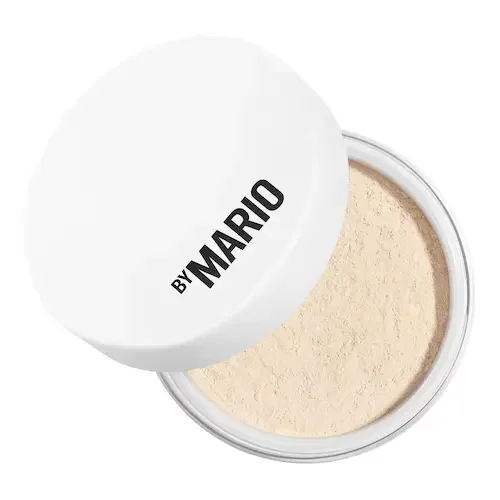
Setting spray still has a place. It works best when you use it in the middle: mist after cream products, then press with a sponge, then powder lightly. That “meld” step can reduce the look of layers and improve wear. But if your base slides off by lunch, your SPF or moisturiser layer likely stays too emollient for your climate.
Budget vs premium in Australia: where to spend and where to save
Market reports keep pointing to premium growth alongside “clean labels” and digital shopping. Translation: women will pay for what feels dependable, but they also want transparency and value.
In Australia, “value” often means two things at once: cost-per-use and access. Some brands sit behind single retailers, so you pay full price more often. Others rotate through aggressive chemist promos. That’s why we recommend building your three-minute ritual around a split strategy.
Spend on:
- Sunscreen you’ll wear daily. If you hate the texture, you won’t apply enough. This is worth paying for.
- A serum that your skin tolerates. Irritation creates a bigger routine, not better skin.
- A base product that matches your climate. Dewy formulas can look gorgeous, but they can also melt in humidity.
Save on:
- Body lotion. Great formulas exist at chemist-level pricing, especially in bigger bottles.
- Shampoo and conditioner basics. You can get strong performance without prestige branding if you match to hair type.
- Tools that duplicate what you already own. Technique often beats another gadget.
If you love exploring colour, budget-friendly brands can deliver serious payoff in eyes and lips. We often see women build a “core” routine with staples, then play with trend shades via NYX or Revolution when they want to keep experimentation cheap. That’s a smart way to engage with trends without paying premium for products you won’t finish.
Build your own three-minute ritual (templates for Aussie climates)
Let’s make it concrete. Below are plug-and-play templates. Each keeps the morning under three minutes once you’ve chosen products you like.
Template A: Hot + humid (Queensland summers, northern climates)
Goal: reduce slip, reduce shine, keep layers thin.
- Quick cleanse or rinse
- Niacinamide or light hydrator (optional)
- Dry-touch SPF
- Spot base + targeted powder
Template B: Hot + dry (Perth heat, air-con heavy days)
Goal: prevent dehydration tightness without greasiness.
- Rinse (avoid foaming cleanse if you feel tight)
- Glycerin-forward serum on damp skin
- Comfortable SPF that doesn’t sting
- Sheer base, minimal powder
Template C: Cooler months (southern states winter)
Goal: barrier support + glow without flaking.
- Gentle cleanse
- Vitamin C or hydrating serum
- Moisturising SPF (or moisturiser + SPF if needed)
- Cream blush/bronzer, light set
One more rule that saves time: if you add a new step, remove another for two weeks. Otherwise you won’t know what helped, and you’ll end up with pilling, breakouts, or wasted money.
What this means for Australian women shopping right now
The “three-minute ritual” trend can help, but only if you treat it as a filter for smarter buying. Ask two questions before checkout: Will this hold up in my climate? and Does it replace a step, or just add one?
Women in Australia also need to treat SPF as a daily utility, not a beach product. If your routine doesn’t leave time for a full sunscreen layer, the routine fails. The fix usually isn’t waking earlier. It’s choosing an SPF that behaves like skincare, then simplifying everything underneath it.
Finally, don’t let celebrity “epic routines” reset your expectations. The market loves maximalism because it sells more products. A well-built three-minute routine sells fewer items, but it tends to produce more consistent skin and better makeup days.
Which part of your routine feels like it steals the most time: skincare, hair, or base makeup? Tell us your climate zone and your top annoyance (shine, dryness, pilling, frizz), and we’ll point you towards the most efficient swap to try next.
![Lumene Nordic-C [Valo] Glow Cream Spf30](https://media.glamgeek.com/media/2026/02/06/c0cef909-16ab-49f9-865e-278e63871493_sm.jpg)