The best bubble bath for sensitive skin does two things at once: it cleanses without stripping, and it scents the water without leaving behind a stingy, tight feeling. That usually means a gentler surfactant system (or an oil-to-milk style formula), a shorter ingredient list, and fragrance that’s either minimal or built around essential oils you tolerate.
It also means accepting one truth. Sensitive skin often likes less product, not more.
Below, we break down what to look for in a sensitive-skin bubble bath or bath oil, which common triggers to avoid, and how to build a bath routine that still feels luxe. We also include specific Bubble Bath & Bath Oils options we see consistently in Australian retailer feeds, with pricing pulled from our tracker.
What “sensitive skin” needs from a bubble bath
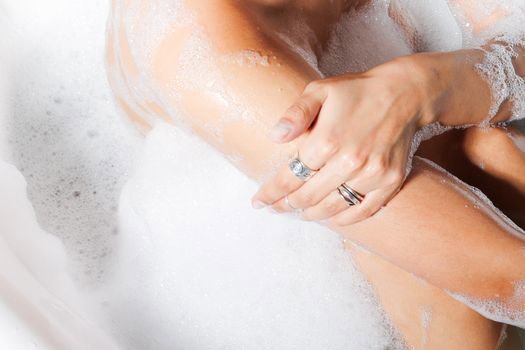
In bath products, “sensitive” often shows up as burning, redness, itch, or dryness after a soak. Baths can amplify irritation because you expose a large surface area to warm water, fragrance, and cleansing agents for longer than a quick shower.
The main job of a bubble bath is to suspend oil and dirt so it can rinse away. Most classic bubble baths rely on surfactants (cleansing agents) that foam well. The catch: the higher the foam, the more likely you’ll also disrupt the skin barrier—especially if the formula runs strong, the water runs hot, or you soak for ages.
Bath oils sit on the other end of the spectrum. They focus on cushioning the skin and reducing that “squeaky clean” feeling. Many modern bath oils emulsify (turn milky) under water, so they still rinse without leaving a heavy film.
For sensitive or reactive skin, we look for three practical qualities:
- Mild cleansing feel (no tightness after rinsing).
- Barrier-friendly finish (skin feels comfortable even before body lotion).
- Fragrance you can tolerate, ideally with the option to use less product per bath.
In our price data, the sensitive-skin sweet spot often sits in oil-to-milk formulas, or bubble baths that create foam without requiring huge doses.
Ingredients to look for (and why they matter)
We can’t diagnose your skin via a shopping guide, but ingredient logic helps. When we scan bubble bath and bath oil formulas for reactive skin, we prioritise what reduces friction with the barrier.
Oil-to-milk emulsifiers usually signal a gentler rinse. They disperse oil into the bath and help it rinse clean without harsh cleansing. That “milky” water also tends to feel less stripping on the legs, arms, and torso.
Skin-conditioning oils help offset water exposure. In this product category, you’ll often see almond oil or other plant oils used to soften feel on the skin. The goal isn’t to “treat” sensitivity. It’s to reduce that raw, dried-out sensation that makes sensitivity flare.
Vitamin E often appears as a supportive antioxidant in bath oils. It doesn’t make a product universally safe, but it often pairs with oil blends that aim for a more comforting finish.
Essential oil blends can go either way. Some sensitive skins tolerate them well at low exposure, especially when you keep water warm (not hot) and limit soak time. Others react fast. If you already know lavender, neroli, or rose triggers you, treat an essential-oil-heavy bath product like a “patch test first” item.
From our tracked Bubble Bath & Bath Oils list, these formulas line up with the “comfort first” approach:
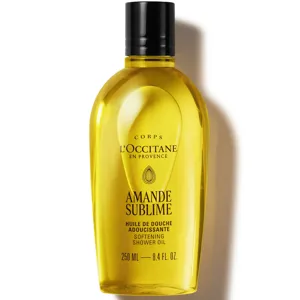
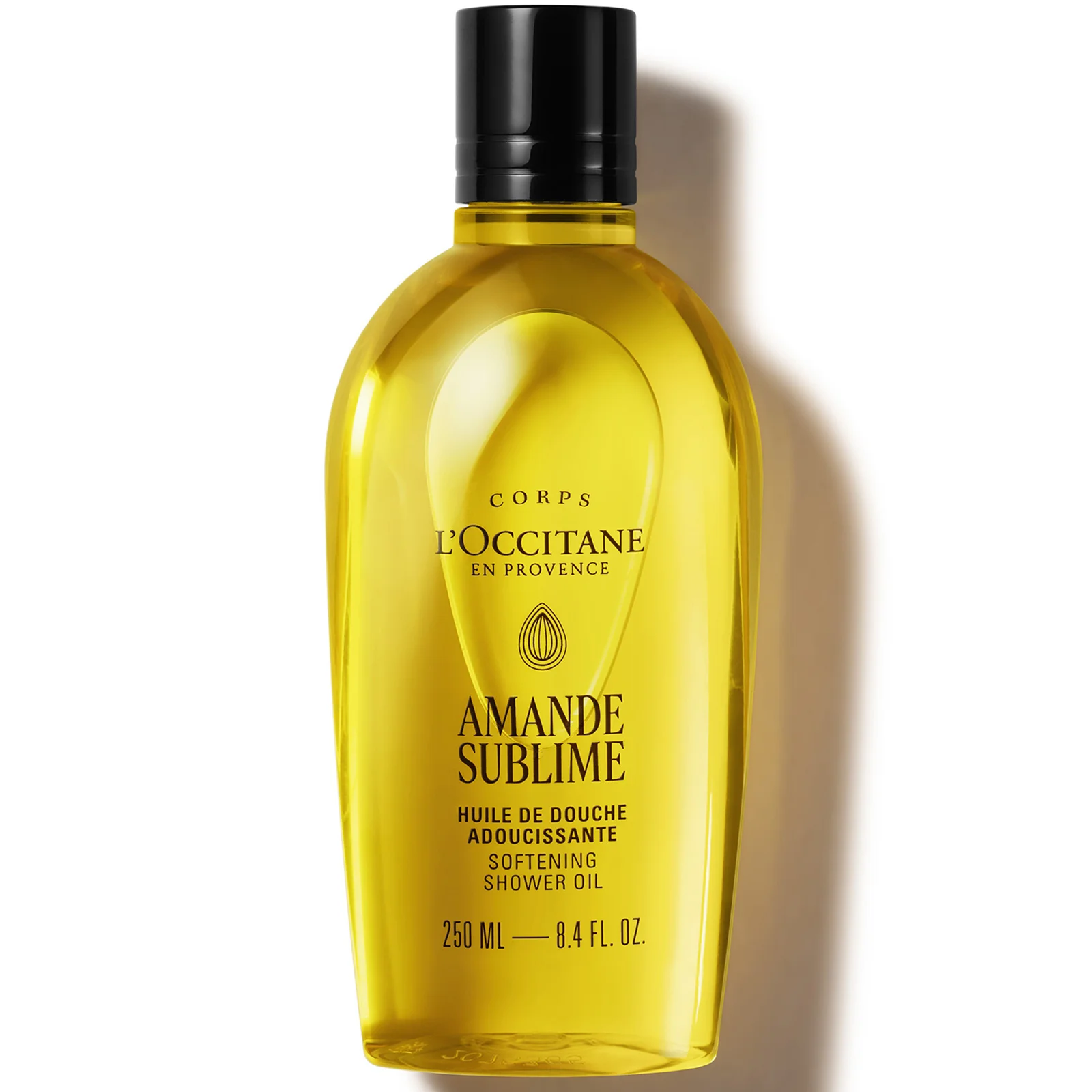
- L’Occitane Amande Shower Oil (from A$17.64): an oil that turns into a milk-like lather with water and aims to nourish, smooth, and soften all skin types.
- Rituals The Ritual Of Ayurveda – Sweet Almond & Indian Rose – Shower Oil (from A$21.36): a cleansing oil with almond oil, vitamin E, and fatty acids, designed to nourish while it cleanses.
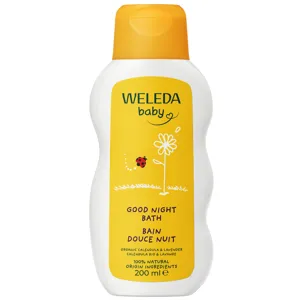
- Weleda Baby Good Night Baby Bath (from A$23.42): an oil-to-milk bath formula made for delicate skin, with a lavender and neroli scent profile.
If your skin reacts to foaming cleansers, these oil-leaning options often feel like the safer starting point.
What to avoid: common irritants in bubble bath (and how they show up)
Sensitive-skin shopping gets easier when you focus on patterns. Irritation usually comes from dose + exposure, not one villain ingredient in isolation.
High-foam surfactant loads cause problems because they lift oils from the skin barrier. In a bath, you soak in that surfactant solution. If your legs feel tight when you towel off, you likely used too much product, soaked too long, or the cleanser ran too strong for your barrier.
Fragrance intensity matters, even when you “like the smell.” A heavily scented bubble bath can feel fine on day one and then irritate after repeated use. With sensitive skin, we treat fragrance as a controllable variable. Choose a formula that still smells good at half the suggested dose.
Essential oils count as fragrance too. They can feel spa-like, but they also include naturally occurring allergen components. If you’re reactive, you want the option to go light.
Very hot water acts like an irritant multiplier. Australia’s climate adds another twist: dry heat in summer and strong year-round UV can already leave skin stressed. Hot baths then push it further. (For daytime protection, many people pair body care with SPF Protection Products, but keep that outside the bath itself.)
Our editorial stance stays simple: if you feel tingling during the soak, don’t “push through.” Rinse, stop the product, and reset your routine.
The best Bubble Bath & Bath Oils picks for sensitive skin (with prices)
These recommendations stick strictly to Bubble Bath & Bath Oils from our tracked list. We rate them based on formula style (oil-to-milk vs classic bubbles), scent approach, and how easy it is to control the dose.
1) Best gentle oil-to-milk option: L’Occitane Amande Shower Oil (from A$17.64)
L’Occitane Amande Shower Oil sits in the “comforting cleanse” camp. The brand describes a silky golden oil that turns into a velvety, milk-like lather under water, with a focus on nourishing, smoothing, and softening.
For sensitive skin, that texture shift matters. You can use a smaller amount than a traditional bubble bath and still get slip and a soft rinse. Less product in the water often means less irritation risk.
Value-wise, our tracker often shows this as one of the more accessible premium options in Australia, which matters if you need to replace harsh bath products rather than ration them.
2) Best scented shower-oil style for reactive skin that still wants fragrance: Rituals The Ritual Of Ayurveda Shower Oil (from A$21.36)
Rituals positions this as a multi-action shower oil that gently cleanses while nourishing. The listed blend includes almond oil, vitamin E, and fatty acids, plus a sweet aroma of Indian rose.
If you want scent but your skin hates heavy foam, this is the middle ground. You get fragrance and a silky application, but you can still control the exposure by using less product and keeping soak time shorter.
One caution: rose can bother some reactive skins. Patch testing matters here (we cover a practical method below).
3) Best for very delicate skin routines: Weleda Baby Good Night Baby Bath (from A$23.42)
Weleda’s Baby Good Night Baby Bath targets delicate skin by design. The description notes an oil-to-milk transformation under warm water and a soft, creamy lather with lavender and neroli scent.
Even if you’re shopping for an adult, a “baby bath” format often signals a gentler intent. The key is still your personal tolerance to lavender/neroli. If those notes usually suit you, this is one of the more straightforward sensitive-skin-leaning options in our list.
4) Best classic bubble experience (but pricey): Laura Mercier Honey Bath (from A$92.12)
If bubbles make the bath feel worth it, Laura Mercier Honey Bath delivers foam. The brand describes a nectar-inspired liquid that turns foamy when swirled into water and aims for a spa-like, sensorial cleanse.
Here’s the trade-off: the price. Our tracked “from” price sits at A$92.12, which lands firmly in special-treat territory for most households. For sensitive skin, we also like that you can swirl in a small amount and still get the experience, rather than pouring in a heavy dose.
We’d treat this as an occasional indulgence, not your daily barrier-safe fallback.
5) Best “bath foam” mood product (essential oils): Neom Organics London Bedtime Hero Bath Foam (from A$54.88)
Neom Bedtime Hero Bath Foam focuses on a calm, rich-bubble bath with a sweet, fruity scent and a blend of 11 natural essential oils.
For sensitive skin, this sits in the “proceed carefully” lane. Essential oils can feel soothing to some people and irritating to others. If your skin tolerates aromatherapy well, Neom offers the bubble payoff with a clear scent concept.
If you tend to react, treat this as a low-dose product and avoid pairing it with shaving or exfoliation in the same bath.
6) Best for custom scent control (not a bubble bath): Neom Cosy Nights Essential Oil Blend (from A$43.12)
This one isn’t a foaming bubble bath. It’s an essential oil blend made with 100% essential oils, described as warm, smouldering, roasted wood tones.
Why mention it in a sensitive-skin guide? Control. You can add a very small amount to your bath ritual if your skin tolerates essential oils and you want fragrance without a heavy foaming cleanser.
If essential oils trigger you, skip it entirely. No FOMO required.
7) Best giftable bath-oil wardrobe: ESPA Signature Blends Aromatherapy Bath And Body Oil Collection (from A$48.51)
ESPA’s collection includes seven aromatherapy oils designed for bath or body use. It aims for a spa-like ritual and gives you multiple scent profiles to test.
For reactive skin, that variety can help you identify what you tolerate. The risk sits in the same place: essential oils. Patch testing becomes non-negotiable, especially if you already react to fragranced products.
If you shop by brand on GlamGeek, you can also browse the dedicated ESPA page and watch price changes across retailers.
How to choose: bubbles vs oils for sensitive or reactive skin
Many shoppers assume bath oils equal “no bubbles.” Not always. Several oil-to-milk formulas create a soft lather. They won’t look like a foam party, but they often feel better on reactive skin.
Here’s how we suggest deciding, in plain terms:
- If you get tightness after bathing, start with an oil-to-milk option: L’Occitane Amande Shower Oil or Weleda Baby Good Night Baby Bath.
- If fragrance lifts your mood but your skin flares easily, choose a scented oil and keep dosage low: Rituals Ayurveda Shower Oil works here.
- If you want the full bubble look, pick a formula designed to foam and be strict with quantity: Laura Mercier Honey Bath or Neom Bedtime Hero Bath Foam.
- If you react to most fragranced products, don’t chase “still smells good” at all costs. Go minimal, then add scent elsewhere in your routine, like an Eau de Parfum Perfumes you already tolerate (not in the bath water).
Australian shopping reality also plays a role. Some bath formats come and go across Mecca, Adore Beauty, and Sephora Australia depending on brand distribution. If a product sits in import-only territory at times, the price spread widens fast.
That’s where price tracking helps. Our data often shows that “from” pricing can differ meaningfully by retailer and promo cycle, especially on premium bath items.
Patch-testing for bath products (yes, it’s different)
Patch testing a bubble bath isn’t the same as patch testing a face serum. In the bath, you dilute the product, but you also expose a much larger area for much longer.
We like a two-step approach that reflects real use without risking a full-body flare.
Step 1: Short-contact test (24 hours)
- Mix a small amount of the product with water in your hand.
- Apply to a patch on the inner forearm or lower leg.
- Leave for 1–2 minutes, then rinse.
- Wait 24 hours and watch for redness, itching, or a rash.
Step 2: “Mini bath” simulation (next use)
- Fill a basin or the bath with a shallow amount of warm water.
- Add a very small dose of product (especially for Neom Bedtime Hero Bath Foam or Laura Mercier Honey Bath).
- Soak just feet or lower legs for 5 minutes.
- Rinse and pat dry.
- Wait overnight before committing to a full soak.
This method helps catch the reactions that only show up with wet heat and a longer exposure window. If you already know you react to essential oils, treat aromatherapy-heavy options like the ESPA oils, Neom Bath Foam, or Neom Cosy Nights Essential Oil Blend as higher risk.
If you want to keep your overall routine calmer while you test a new bath product, reduce other variables. Skip strong actives in adjacent routines that day (many people rotate items like Anti Ageing Face Serums), and avoid shaving in the same bath.
Bath-time routine tweaks that reduce irritation (and keep the foam)
You can buy the gentlest bubble bath in the world and still irritate your skin with the wrong technique. Small changes matter more than most people expect.
Keep the water warm, not hot. Hot water increases barrier disruption and makes fragrance feel “stronger” on the skin. Warm water keeps the comfort without the flare.
Add product after the tub starts filling. With bubble bath and bath foam, pour under running water for foam. Then stop. You can always add more, but you can’t take it out once the bath turns into a concentrated soup.
Time-box your soak. For reactive skin, 10–15 minutes often beats a 30-minute bath, even with a gentle oil-to-milk formula like Weleda Baby Good Night Baby Bath.
Rinse briefly at the end. A quick fresh-water rinse reduces residue. This matters most with richly scented options such as Neom Organics London Bedtime Hero Bath Foam and Laura Mercier Honey Bath.
Pat dry. Always. Rubbing with a towel can turn mild irritation into a noticeable rash on shins and arms.
Choose your “extras” carefully. If you already use fragranced items from other categories, stack them thoughtfully. A heavily scented bath plus a strong perfume plus a fragranced body lotion can overload even non-sensitive skin. (For related browsing, GlamGeek also organises Body Lotions and Body Creams, but keep your bath product decision separate.)
Practical shopping tips: getting sensitive-skin value in Australia
Sensitive skin often means trial and error, which gets expensive fast. That’s why we focus on controllable-dose products and pricing that makes repeat purchase realistic.
From our current tracked list, these “from” prices set expectations:
- L’Occitane Amande Shower Oil: from A$17.64
- Rituals Ayurveda Shower Oil: from A$21.36
- Weleda Baby Good Night Baby Bath: from A$23.42
- Neom Bedtime Hero Bath Foam: from A$54.88
- Laura Mercier Honey Bath: from A$92.12
- ESPA Signature Blends Bath And Body Oil Collection: from A$48.51
- Neom Cosy Nights Essential Oil Blend: from A$43.12
We often see the “Australia tax” hit hardest on premium bubble-bath experiences, where fragrance and brand positioning carry the price. If your skin forces you to be picky, a well-priced oil-to-milk cleanser style product can make more sense than a high-foam formula you can’t use often.
Retailer access also shifts by brand. In Australia, bath and body ranges often appear through Mecca, Adore Beauty, and Sephora Australia, while Priceline and Chemist Warehouse skew more mass. When you spot a wide price gap, it usually comes down to promos, shipping, or stock status rather than a different formula.
If you buy gifts, bath sets can reduce risk by letting someone test scents in smaller doses. For that use case, the ESPA Signature Blends Aromatherapy Bath And Body Oil Collection fits the brief, as long as the recipient tolerates essential oils.
Quick takeaways you can use tonight
Choose the product first, then choose the dose. That order prevents most “sensitive skin + bubble bath” regrets.
Our simple decision tree:
- Most sensitive-skin friendly starting point: L’Occitane Amande Shower Oil (from A$17.64) or Weleda Baby Good Night Baby Bath (from A$23.42).
- Want scent without heavy foam: Rituals The Ritual Of Ayurveda Shower Oil (from A$21.36).
- Want real bubbles and you tolerate fragrance: Laura Mercier Honey Bath (from A$92.12) or Neom Bedtime Hero Bath Foam (from A$54.88), used sparingly.
- Want to personalise the aroma: ESPA oil collection (from A$48.51) or Neom Cosy Nights Essential Oil Blend (from A$43.12), with patch testing.
Then keep the bath warm, cap it at 15 minutes, rinse quickly, and pat dry.
Simple. Effective.
Which way does your skin usually react—tight and dry after foam, or itchy and red from fragrance? Tell us what you’ve tried, and we’ll point you to the most sensible option from the list.